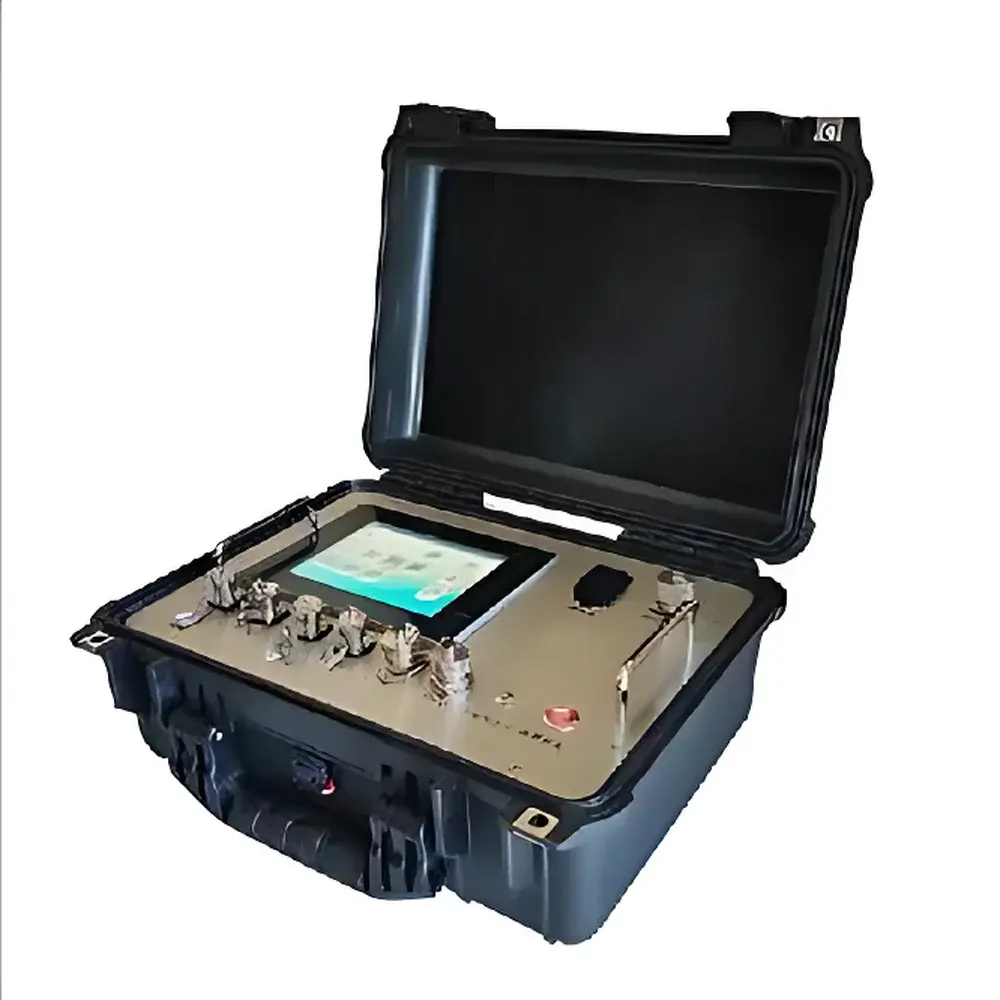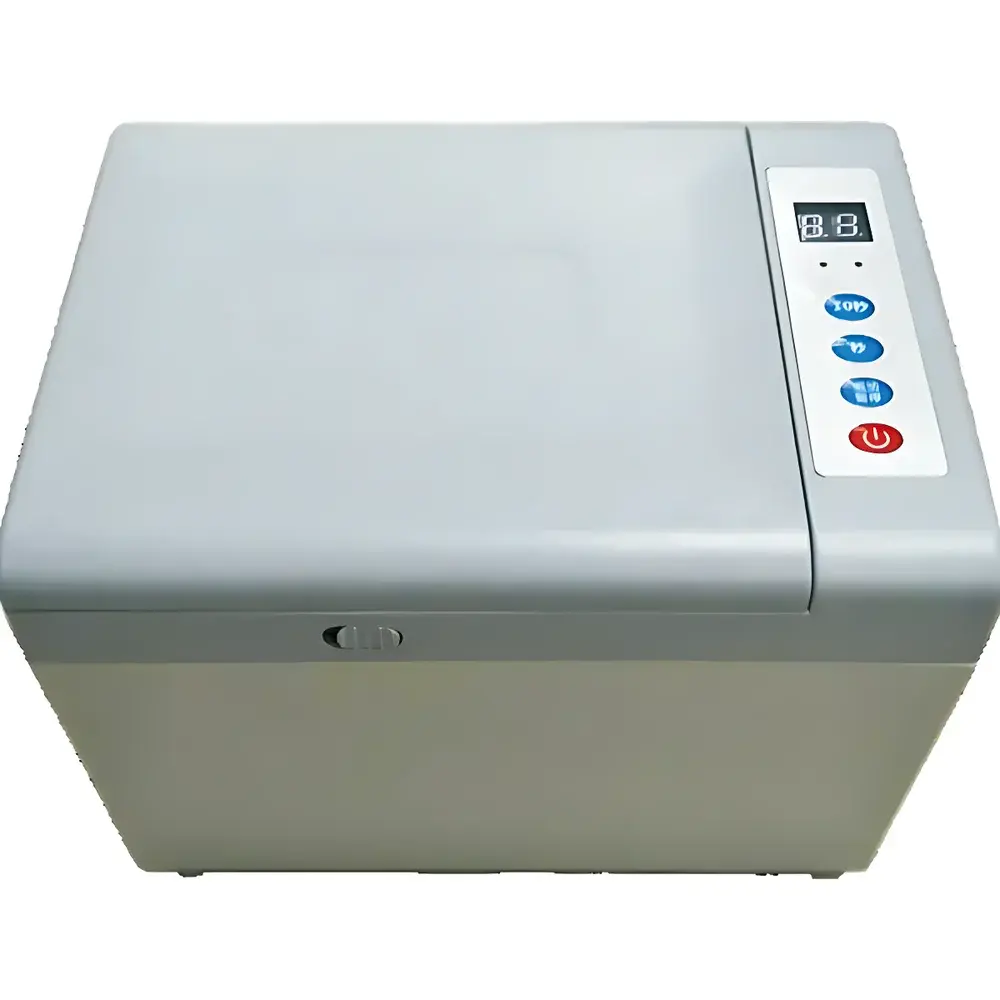
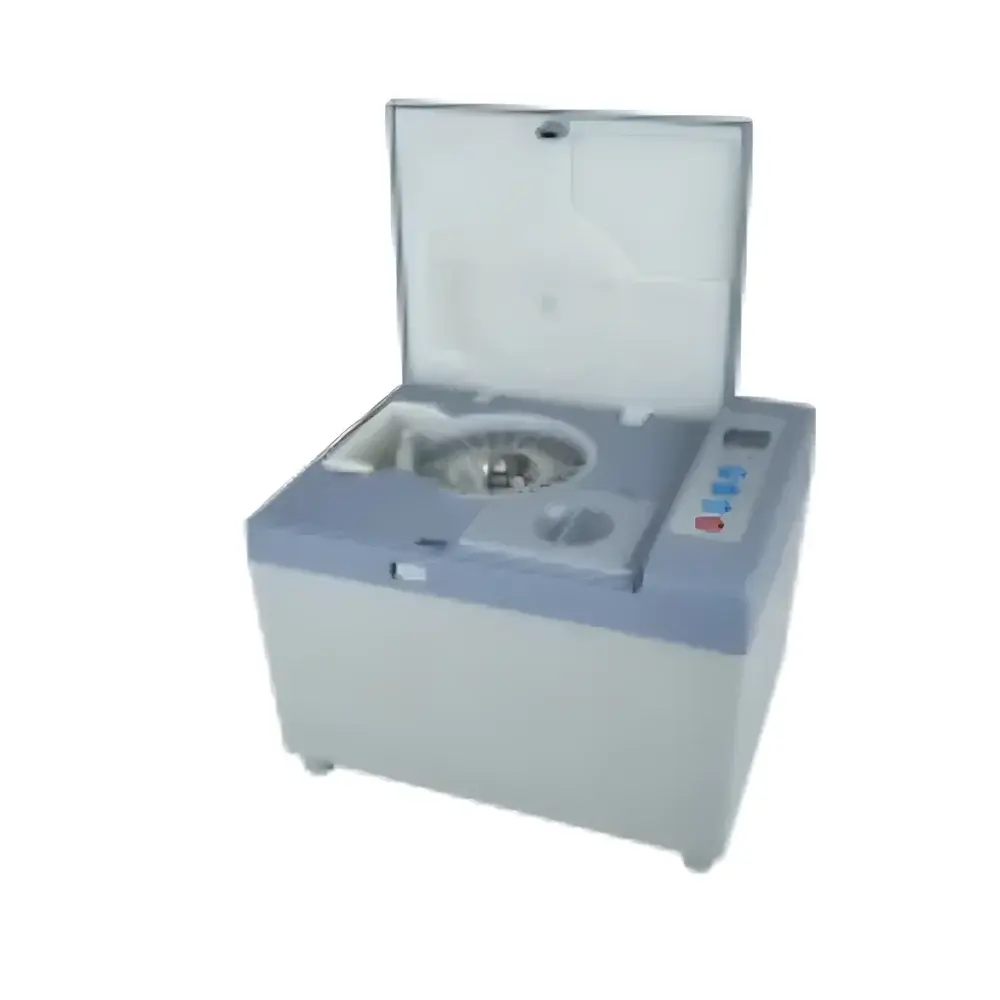
Tongxintianbo TNM-I Laboratory Rice Mill
| Brand | Tongxintianbo |
|---|---|
| Origin | Beijing, China |
| Model | TNM-I |
| Sample Capacity | 10–20 g (optimal: ~16 g) |
| Broken Grain Rate | ≤5% for Japonica rice, ≤10% for Indica rice |
| Grinding Chamber Diameter | 95 mm |
| Time Setting Range | 1–99 s (adjustable in 1-s increments) |
| Power Supply | AC 220 V ±10%, 50 Hz |
| Net Weight | 3.5 kg |
Overview
The Tongxintianbo TNM-I Laboratory Rice Mill is a precision-engineered instrument designed specifically for controlled dehusking and whitening of paddy rice in research, quality control, and grain grading laboratories. It operates on the principle of abrasive milling using a rotating abrasive roller (sand roller), enabling consistent removal of bran layers and germ from brown rice while preserving kernel integrity. Unlike industrial-scale rice mills, the TNM-I is optimized for small-batch, standardized sample preparation—critical for accurate determination of head rice yield, milled rice recovery, and whiteness index in accordance with international grain testing protocols such as ISO 6647-1 (Rice — Determination of milled rice yield) and GB/T 17891–2017 (High-quality paddy rice). Its compact footprint and low power consumption make it suitable for benchtop use in accredited food testing labs, agricultural research stations, and university cereal science facilities.
Key Features
- Integrated dual-function system: combines rice milling and vacuum-assisted bran collection in a single automated cycle
- Adjustable milling duration (1–99 seconds) with digital timer and repeatable start/stop logic for inter-laboratory method harmonization
- Optimized sand roller geometry (95 mm chamber diameter) ensuring uniform shear stress distribution across the 10–20 g sample mass
- Low-impact abrasive milling mechanism minimizing mechanical fracture—validated to maintain broken grain rates at ≤5% for Japonica and ≤10% for Indica cultivars
- Self-contained vacuum suction unit with replaceable filter cartridge, preventing cross-contamination between samples and enabling rapid cleanup
- Benchtop design (3.5 kg net weight) with CE-compliant electrical enclosure and overcurrent protection for continuous operation under AC 220 V ±10%, 50 Hz supply
Sample Compatibility & Compliance
The TNM-I accommodates standard laboratory rice samples—including unhulled paddy, brown rice, and parboiled varieties—without requiring pre-conditioning or moisture adjustment. Its 16 g optimal load aligns with ASTM D7420-18 (Standard Practice for Sampling and Testing Milled Rice) and supports traceable calibration against NIST-traceable reference materials. The instrument meets essential safety and electromagnetic compatibility requirements per IEC 61000-6-3 and IEC 61000-6-2. While not certified for GMP production environments, its operational repeatability and documented process parameters support GLP-compliant data generation for regulatory submissions related to grain quality certification (e.g., USDA FGIS, EU Regulation (EU) No 1308/2013 Annex VII).
Software & Data Management
The TNM-I operates via embedded firmware without external PC dependency; however, it supports manual logging of milling time, batch ID, and rice variety into LIMS-integrated worksheets. For laboratories implementing electronic records per FDA 21 CFR Part 11, time-stamped operation logs can be recorded externally using validated spreadsheet templates with audit trail controls. Firmware updates (if released) are delivered via USB interface with version-controlled release notes—ensuring full traceability of instrument configuration history during method validation.
Applications
- Determination of head rice percentage (HRP) and total milled rice yield in varietal screening programs
- Validation of post-harvest drying and storage protocols by quantifying milling-induced breakage
- Calibration of near-infrared (NIR) models for rapid prediction of milling quality traits
- Supporting ISO/IEC 17025-accredited testing for export-grade rice certification (e.g., Vietnam, Thailand, Pakistan)
- Teaching core principles of cereal processing mechanics in food engineering curricula
- Comparative evaluation of rice kernel hardness and milling response across genetic lines
FAQ
Is the TNM-I compliant with ISO 6647-1 testing methodology?
Yes—the instrument’s defined sample mass range (10–20 g), adjustable time control, and reproducible abrasive action meet the procedural requirements for standardized milled rice yield determination under ISO 6647-1.
Can the machine process parboiled or pre-dried rice samples?
Yes, the TNM-I accepts parboiled, air-dried, and conditioned brown rice samples within the specified moisture range (12–14% w.b.), provided kernels are free of surface moisture prior to loading.
What maintenance is required for long-term accuracy?
Routine cleaning of the grinding chamber and vacuum filter after each use is mandatory; annual inspection of roller surface wear and torque calibration is recommended to sustain ≤5% broken grain performance for Japonica rice.
Does the device include calibration documentation?
Each unit ships with a factory verification report listing chamber dimension tolerance (±0.2 mm), timer accuracy (±0.1 s), and voltage regulation compliance—serving as baseline evidence for laboratory method validation.