
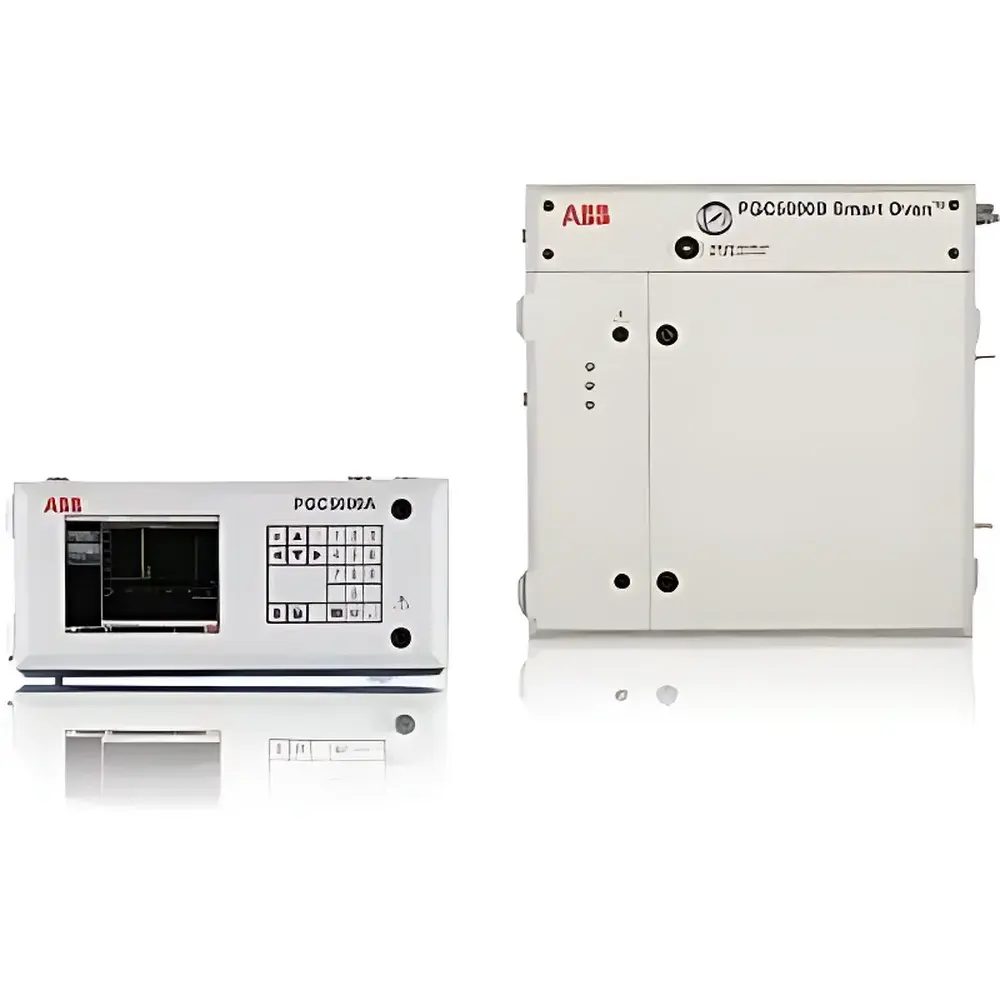
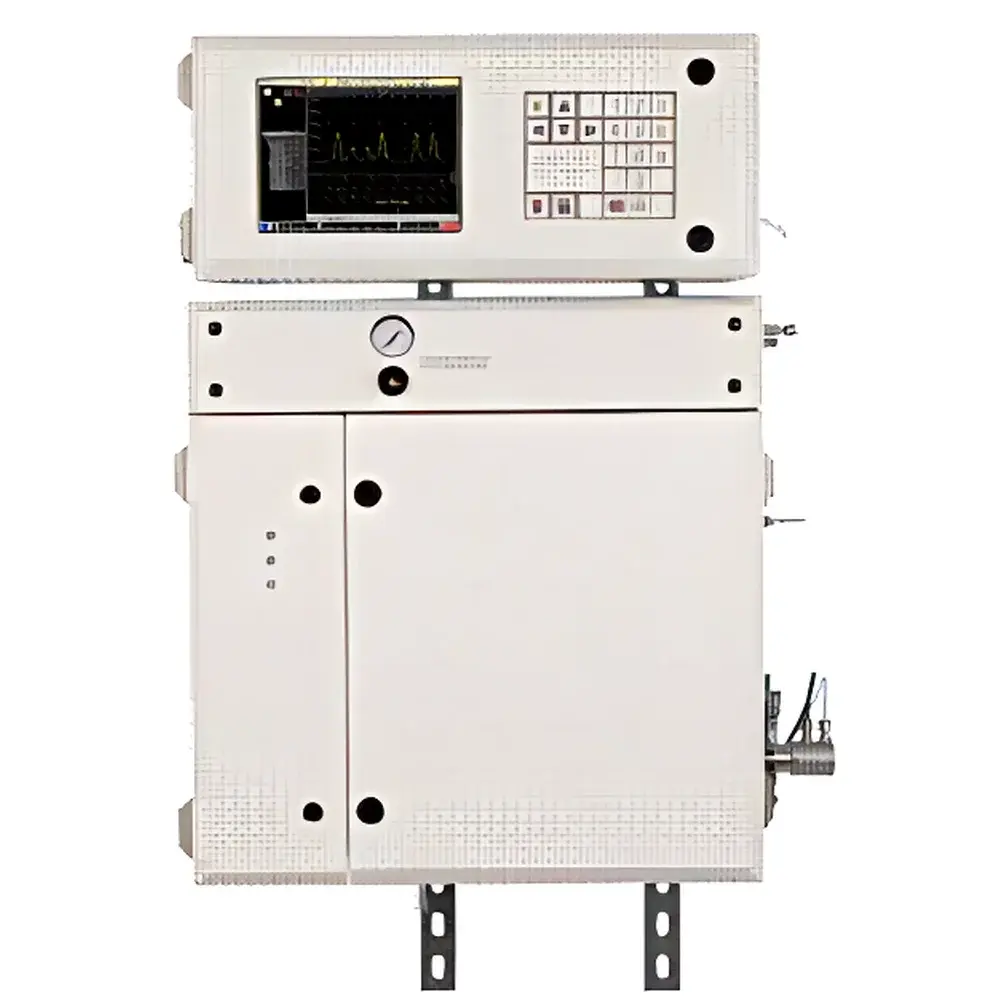
PGC5007B Total Sulfur Analyzer, PGC5000 Series
| Origin | USA |
|---|---|
| Manufacturer Type | Authorized Distributor |
| Origin Category | Imported Instrument |
| Model | PGC5007B |
| Pricing | Available Upon Request |
Overview
The PGC5007B Total Sulfur Analyzer is a high-precision, process-capable gas chromatographic analyzer engineered for continuous, real-time quantification of total sulfur content in hydrocarbon streams across the petroleum refining and fuel production value chain. It operates on the principle of high-temperature catalytic oxidation followed by gas chromatographic separation and flame photometric detection (FPD), delivering trace-level sulfur measurement with robust repeatability and method-defined accuracy. As the only commercially deployed instrument validated for online implementation of ASTM D7041–04 (reapproved 2010), the PGC5007B meets stringent regulatory and quality control requirements for ultra-low-sulfur diesel (ULSD), gasoline, naphtha, liquefied petroleum gas (LPG), and natural gas—covering liquid, vapor, and multiphase feedstocks without sample phase change or derivatization.
Key Features
- ASTM D7041–04 (2010) compliant online operation—certified for unattended, continuous monitoring in refinery process streams and pipeline custody transfer points
- High-temperature oxidation furnace (≥1000 °C) with proprietary catalyst bed ensuring complete conversion of organic and inorganic sulfur species (e.g., mercaptans, sulfides, thiophenes, SO2, H2S) to SO2
- Stainless-steel packed GC column optimized for CO2, H2O, and SO2 separation under carrier gas flow, minimizing co-elution and baseline drift
- Flame Photometric Detector (FPD) with sulfur-specific optical filter (394 nm) and thermoelectrically stabilized photomultiplier tube for sub-ppm sensitivity and linear dynamic range from 0.1 to 100 ppm (as sulfur)
- Automated, fixed-volume sampling via precision pneumatic injection valve with inert wetted path (Hastelloy C-276) and zero-dead-volume transfer lines
- Integrated air-purge carrier system with dual-stage desiccant and hydrocarbon trap for consistent oxidant delivery and background suppression
- Rugged industrial enclosure rated NEMA 4X / IP66, suitable for installation in Zone 2 hazardous locations when configured with appropriate barrier systems
Sample Compatibility & Compliance
The PGC5007B accepts representative process samples directly from pressurized liquid or vapor lines (0.5–10 bar g), including but not limited to: ultra-low-sulfur diesel (ULSD), gasoline blendstocks, jet fuel (Jet A/A-1), naphtha, light cycle oil (LCO), refinery off-gas, natural gas, and LPG. Sample introduction requires no pre-treatment, dilution, or solvent extraction. All hardware and analytical methodology comply with ASTM D7041–04 (2010), ISO 8217 Annex D (for marine fuels), and U.S. EPA Method IP-455A for refinery emissions monitoring. Data integrity and audit readiness are supported through configurable electronic logbooks, time-stamped calibration records, and optional 21 CFR Part 11–compliant software modules for GLP/GMP environments.
Software & Data Management
The analyzer is controlled via embedded Linux-based firmware with web-accessible interface (HTTPS/SSL) for remote configuration, diagnostics, and real-time chromatogram viewing. Data output includes raw FPD voltage signals, integrated peak areas, calculated sulfur concentration (ppm S), retention times, and system health metrics (oxidation temperature, detector gain, carrier pressure). Export formats include CSV, XML, and Modbus TCP for integration into DCS, SCADA, or LIMS platforms. Optional TrendView™ software provides automated calibration verification (ACV), drift correction algorithms, and statistical process control (SPC) charting aligned with ASTM E29 and ISO/IEC 17025 reporting conventions.
Applications
- Real-time monitoring of hydrotreater effluent to ensure compliance with ULSD specifications (≤15 ppm S)
- Custody transfer analysis at pipeline terminals and marine loading facilities per ISO 4259 and API RP 1172
- Quality assurance of reformulated gasoline (RFG) and ethanol-blended fuels
- Refinery-wide sulfur balance studies and catalyst performance evaluation
- Environmental compliance testing for SOx precursor quantification in flare gas and fuel gas networks
- Research and development of low-sulfur alternative fuels, including bio-diesel blends and synthetic paraffinic kerosene (SPK)
FAQ
What sulfur species does the PGC5007B detect?
It measures total sulfur as SO2 after quantitative oxidative conversion—covering all volatile and semi-volatile organic and inorganic sulfur compounds present in petroleum matrices.
Is carrier gas conditioning required?
Yes—compressed air must be dried (<−40 °C dew point) and hydrocarbon-free; optional built-in air purification module is available for critical applications.
Can the PGC5007B be integrated into an existing DCS?
Yes—via standard 4–20 mA analog outputs, Modbus TCP, or OPC UA protocols with configurable update intervals from 30 seconds to 10 minutes.
What maintenance intervals are recommended?
Oxidation catalyst replacement every 12 months (or per 8,000 operating hours); FPD PMT cleaning every 6 months; GC column regeneration every 24 months under typical refinery service conditions.
Does the system support automatic calibration?
Yes—using certified SO2 permeation tubes or pressurized standard gas cylinders; calibration frequency is user-definable and logged with full traceability.





