
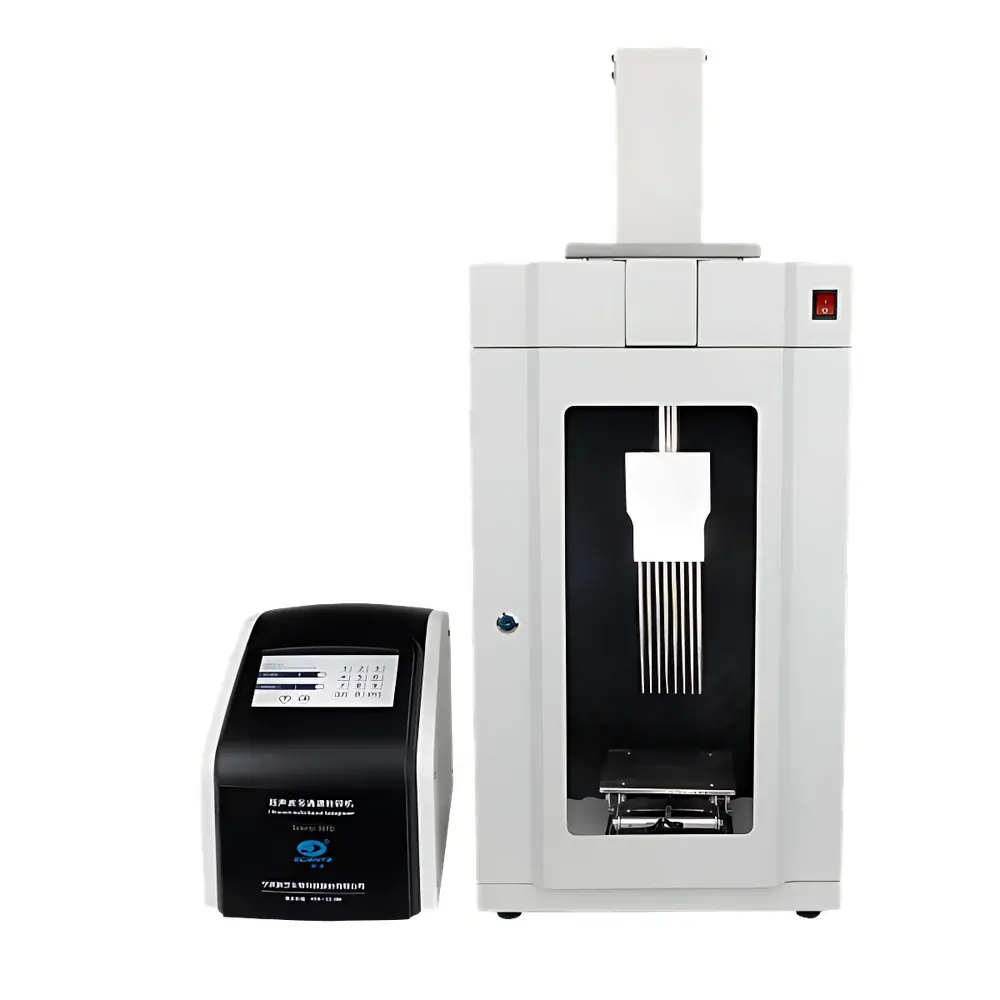
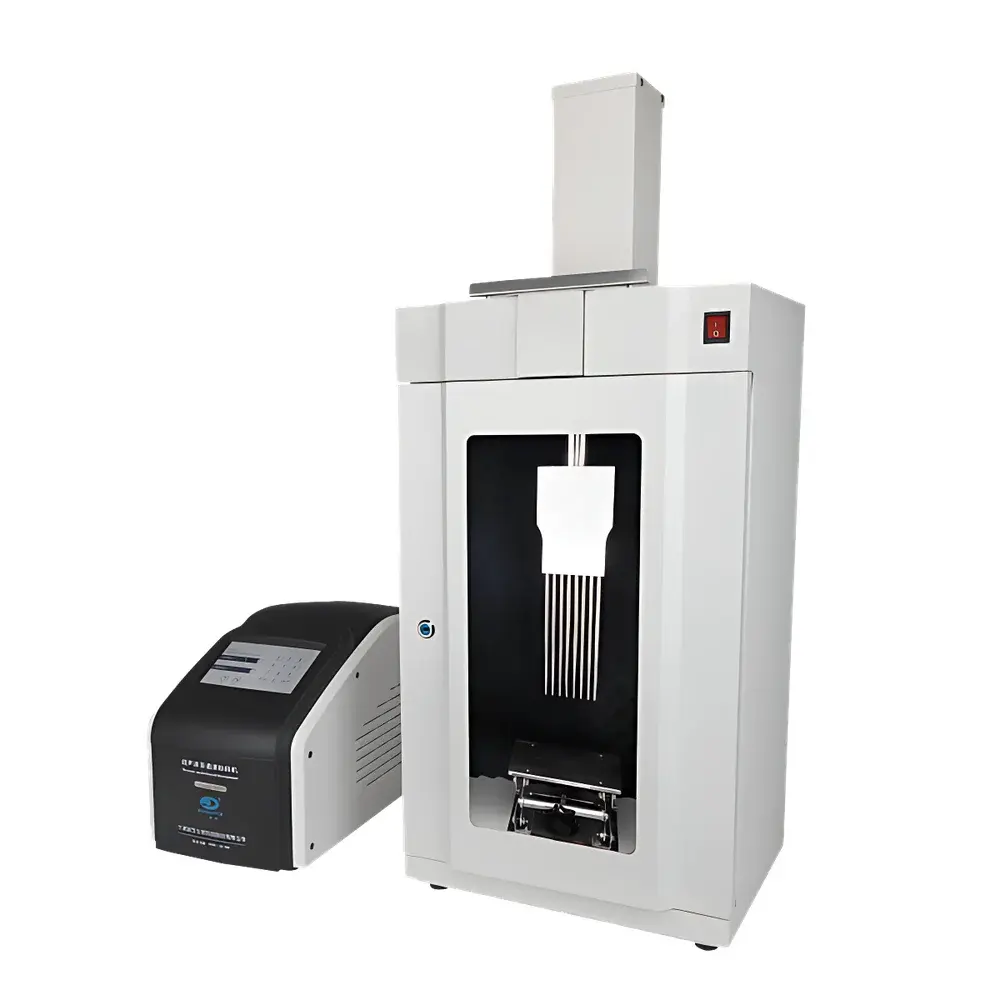
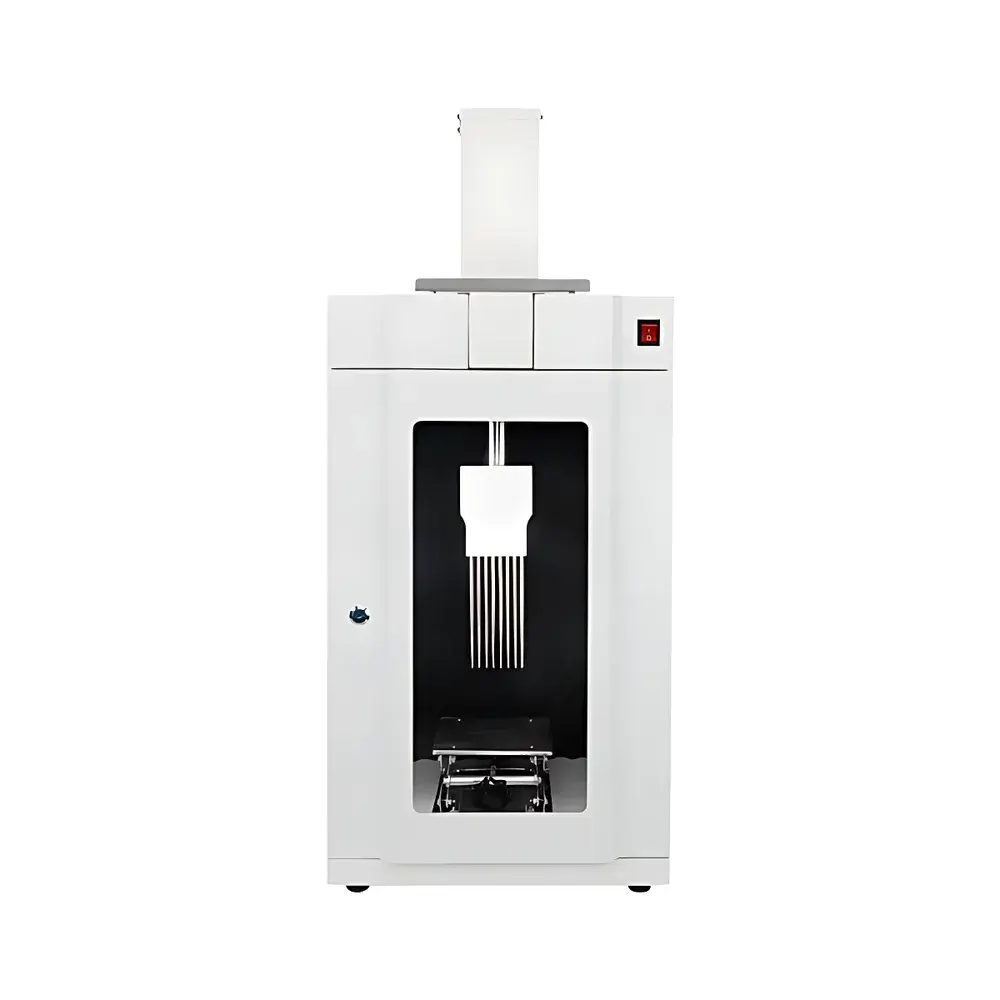
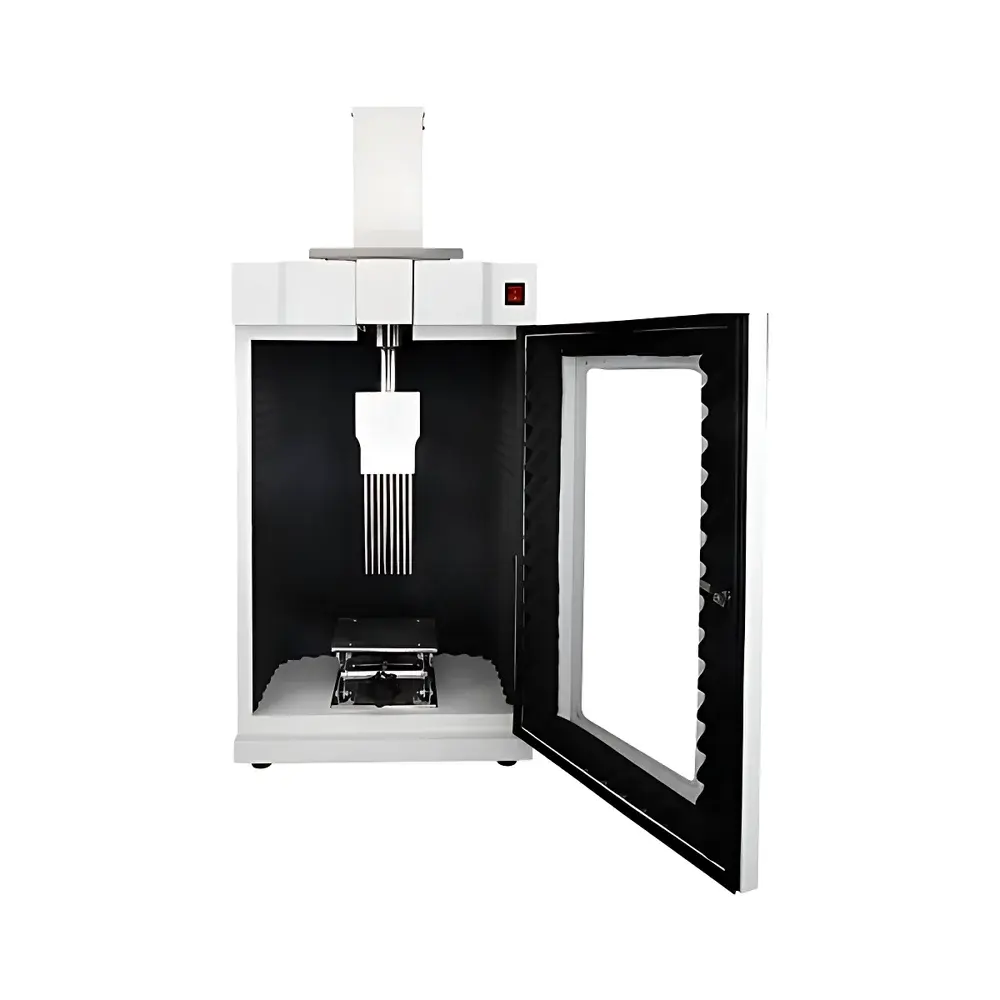
Ningbo Scientz SCIENTZ-48TD High-Throughput Ultrasonic Cell Disruptor
| Brand | Ningbo Scientz |
|---|---|
| Origin | Zhejiang, China |
| Manufacturer Type | Direct Manufacturer |
| Instrument Type | Ultrasonic Cell Disruptor |
| Model | SCIENTZ-48TD |
| Operating Frequency | 20 kHz ± 0.5 kHz |
| Maximum Ultrasonic Power | 2400 W |
| Sample Volume per Tube | 100 µL – 4 mL |
| Parallel Processing Capacity | 48 Samples |
| Temperature Control | Not Specified (External Cooling Required) |
| Pulse Mode | Adjustable Continuous or Duty-Cycle Mode |
| Programmable Protocols | Up to 20 User-Defined Methods |
Overview
The Ningbo Scientz SCIENTZ-48TD is a high-throughput, multi-probe ultrasonic cell disruptor engineered for reproducible lysis of biological samples under controlled, scalable conditions. It operates on the physical principle of acoustic cavitation: high-frequency ultrasonic energy (20 kHz ± 0.5 kHz) is transmitted via titanium alloy probes into liquid suspensions, generating transient microbubbles that collapse violently—producing localized shockwaves, microstreaming, and intense shear forces sufficient to rupture cellular membranes, organelles, and subcellular structures. Unlike single-probe sonicators, the SCIENTZ-48TD integrates 48 synchronized ultrasonic transducers mounted on a precision-machined aluminum horn assembly, enabling parallel processing of up to 48 individual samples (e.g., 1.5 mL or 2 mL microcentrifuge tubes) without cross-contamination or positional bias. This architecture eliminates inter-sample variability inherent in sequential processing, making it particularly suitable for applications demanding statistical rigor—such as chromatin immunoprecipitation followed by sequencing (ChIP-seq), RNA extraction workflows, or batch-wise preparation of lysates for proteomic profiling.
Key Features
- 48-channel parallel ultrasonic disruption with synchronized probe activation and uniform energy distribution across all positions
- Adjustable output power (0–100% of 2400 W total system capacity), enabling fine-tuned optimization for sensitive or resilient samples
- Programmable duty-cycle control: users define on/off pulse durations (ms–s range) to manage thermal load and prevent sample denaturation
- Integrated self-diagnostic circuitry with real-time monitoring of impedance mismatch, overtemperature, and overload conditions
- Thermal management interface compatible with external recirculating chillers (recommended for temperature-sensitive applications)
- 20 programmable method slots supporting repeatable parameter sets—including amplitude, duration, pulse ratio, and cycle count
- Ergonomic benchtop design with reinforced stainless-steel housing and IP20-rated electrical enclosure for laboratory safety compliance
Sample Compatibility & Compliance
The SCIENTZ-48TD accommodates standard microcentrifuge tubes (0.2–2 mL) and custom tube racks for 100 µL–4 mL volumes. It has been validated for lysis of Gram-positive and Gram-negative bacteria (e.g., E. coli, B. subtilis), yeast (S. cerevisiae), mammalian cells (HEK293, CHO), plant tissues (leaf homogenates), viral particles, and spores. While not certified to ISO/IEC 17025 or FDA 21 CFR Part 11 out-of-the-box, its programmable audit trail (via optional RS232/USB logging) supports GLP-compliant documentation when integrated into validated laboratory information management systems (LIMS). The instrument complies with IEC 61010-1:2010 for electrical safety and EN 61326-1:2013 for electromagnetic compatibility.
Software & Data Management
The SCIENTZ-48TD features an embedded microcontroller-based interface with LED display and tactile membrane keypad. All operational parameters—including time, power level, pulse mode, and protocol ID—are stored non-volatilely. Optional PC connectivity (RS232 or USB-to-serial adapter) enables remote command execution and timestamped log export (CSV format) for traceability. When used in regulated environments, laboratories may implement supplementary electronic record controls (e.g., password-protected method editing, operator ID tagging) via third-party LIMS integration. No proprietary cloud platform or vendor-hosted software is required or supported.
Applications
- High-throughput nucleic acid shearing for NGS library preparation (ChIP-seq, ATAC-seq, cfDNA fragmentation)
- Preparation of whole-cell lysates for western blotting, ELISA, and mass spectrometry-based proteomics
- Extraction of intracellular metabolites, enzymes, and recombinant proteins from microbial fermentations
- Dispersion and deagglomeration of nanomaterials—including carbon nanotubes, graphene oxide, and metal oxide nanoparticles—in aqueous or organic media
- Accelerated solvent extraction of bioactive compounds from botanical matrices (e.g., flavonoids, alkaloids)
- Physical homogenization of soil, sediment, and mineral suspensions for geochemical analysis
- Ultrasound-assisted catalysis and esterification reactions in synthetic chemistry workflows
FAQ
Is the SCIENTZ-48TD suitable for temperature-sensitive samples?
Yes—when paired with an external recirculating chiller (e.g., 4–10°C coolant loop), the system maintains sample integrity during extended sonication. Users are advised to pre-chill tubes and limit cumulative on-time per cycle.
Can individual probes be disabled or calibrated separately?
No—the 48 probes operate in fixed-phase synchronization; independent channel control is not supported. Calibration is performed at the system level using reference hydrophones per IEC 61689.
What tube formats are compatible with the standard rack?
The default rack accepts 1.5 mL and 2.0 mL conical-bottom microcentrifuge tubes. Custom racks for 0.2 mL PCR strips or 5 mL polypropylene tubes are available upon request.
Does the device support regulatory-compliant data archiving?
Raw operation logs (start/stop timestamps, power settings, protocol IDs) can be exported via serial interface. Full 21 CFR Part 11 compliance requires integration with validated LIMS or electronic lab notebook (ELN) platforms.
How is maintenance performed on the ultrasonic horn assembly?
Titanium horn surfaces should be inspected visually before each use for pitting or erosion. Degraded horns must be replaced—not refurbished—to preserve acoustic coupling efficiency and avoid harmonic distortion.




