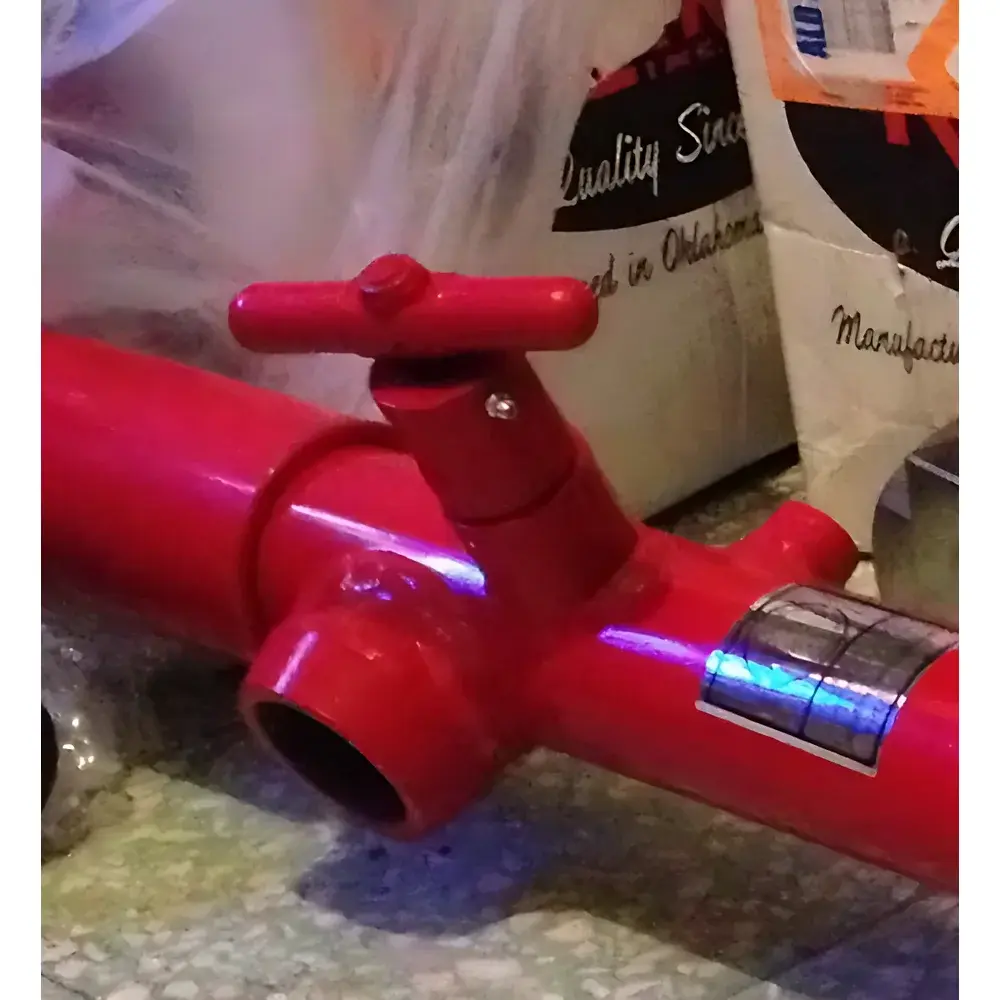
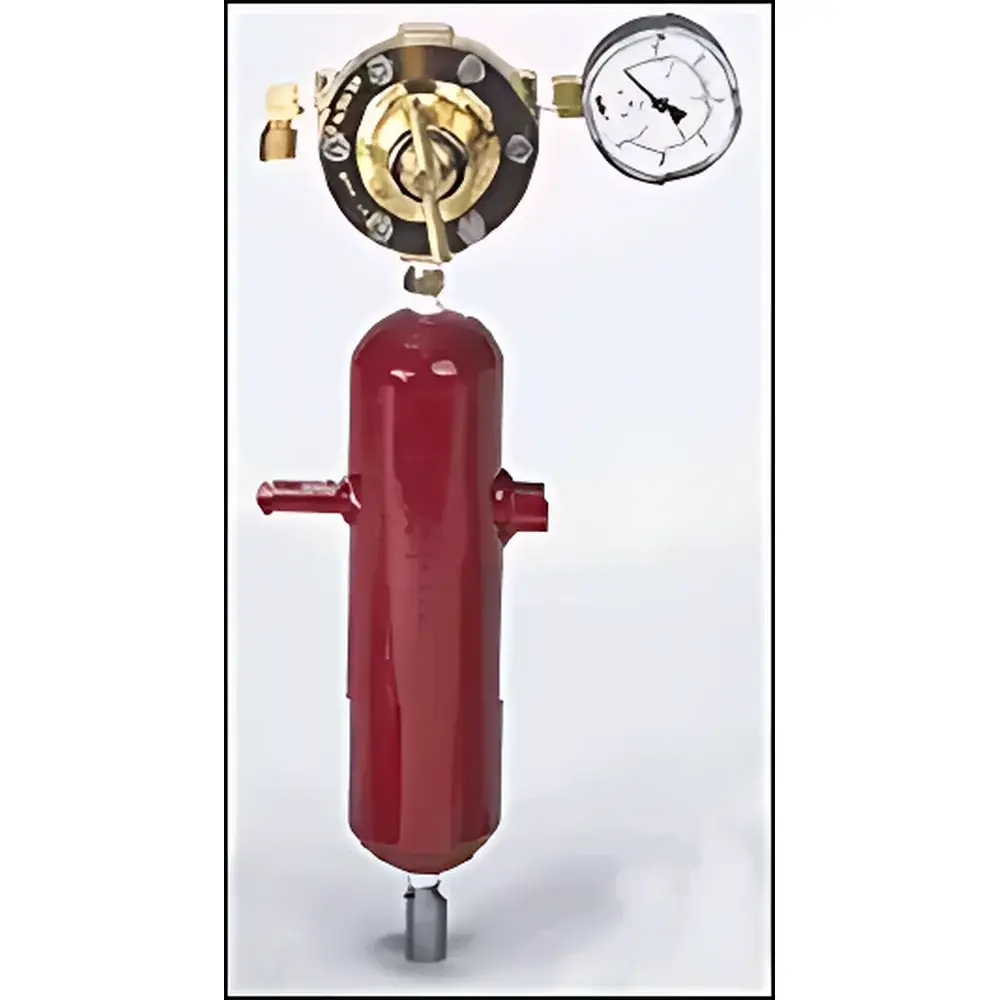
Gas Lift Plunger System JJD-15006
| Brand | JJD |
|---|---|
| Origin | USA |
| Manufacturer Type | Authorized Distributor |
| Origin Category | Imported |
| Model | JJD-15006 |
| Pricing | Available Upon Request |
Overview
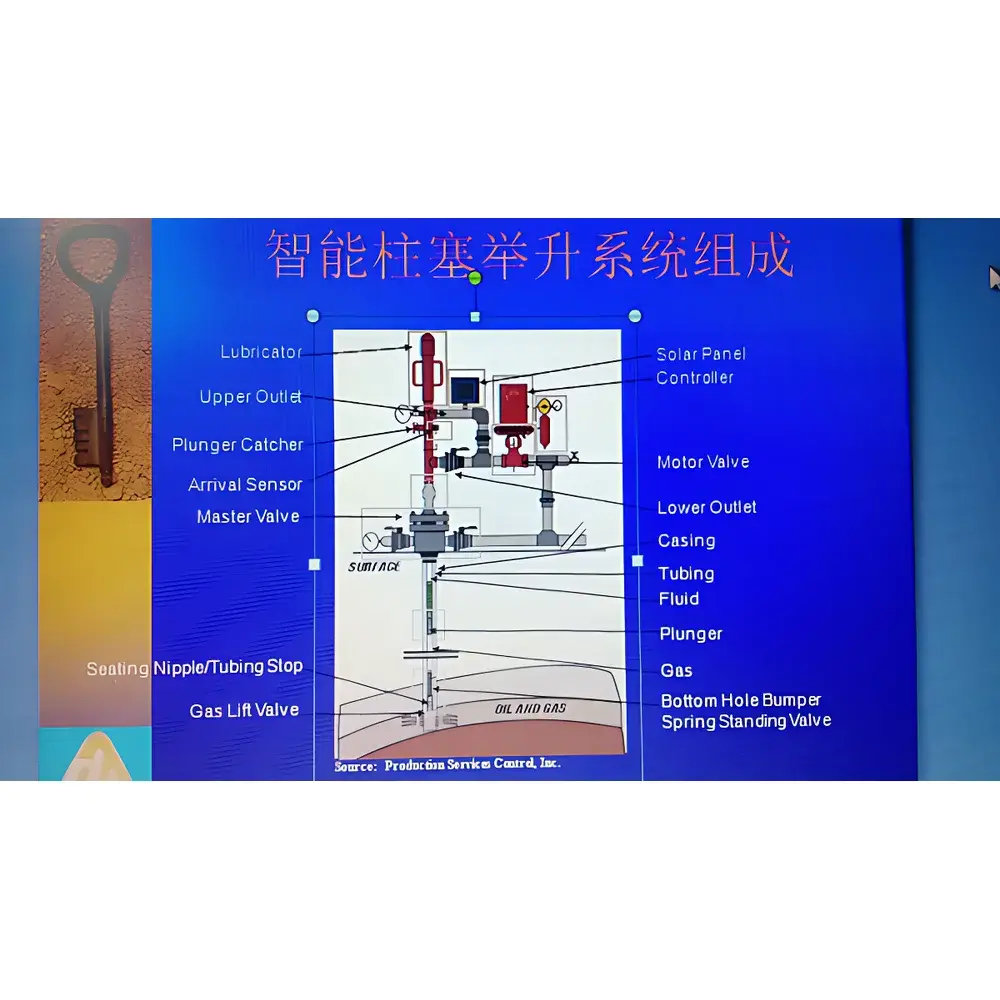
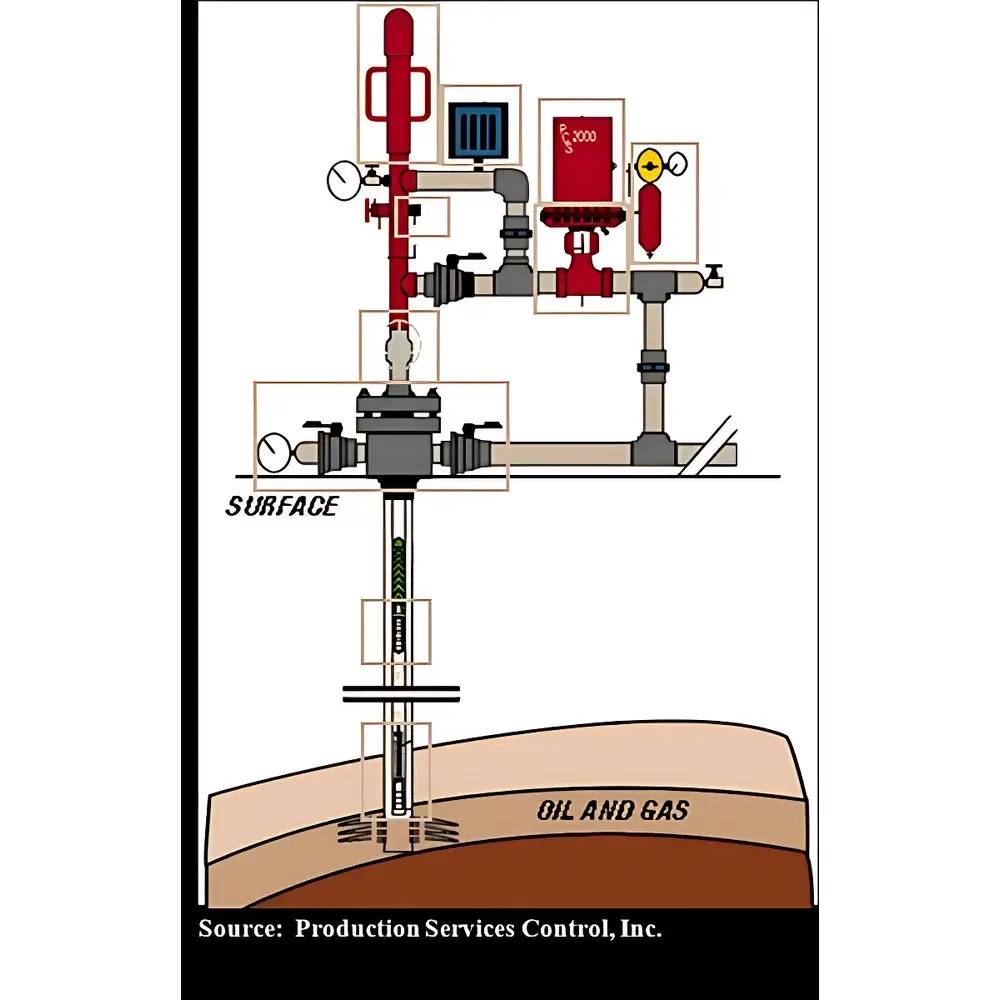
The JJD-15006 Gas Lift Plunger System is an engineered downhole artificial lift solution designed for intermittent gas lift operations in low-pressure, low-permeability, or marginal natural gas wells. It operates on the principle of energy storage and controlled release: during the shut-in period, formation gas accumulates beneath a mechanically sealed plunger; upon well reopening, the resulting pressure differential across the plunger drives both the plunger and accumulated liquid column to the surface. Unlike continuous gas lift methods, this system eliminates gas slippage past the liquid phase by maintaining a fixed, dynamic seal between the gas and liquid columns—thereby minimizing liquid fallback, improving volumetric efficiency, and extending plunger cycle life. The device is constructed from corrosion-resistant alloys compliant with NACE MR0175/ISO 15156 for sour service environments and integrates mechanical stop mechanisms to prevent overtravel and casing damage.
Key Features
- Sealed plunger interface with integrated elastomeric sealing elements and metal-to-metal backup shoulders for reliable gas–liquid separation under variable pressure gradients (up to 5,000 psi working pressure)
- Optimized plunger mass and profile to balance acceleration response and inertial stability during rapid pressure transitions
- Non-electronic, fully mechanical actuation—no downhole sensors, batteries, or telemetry required
- Modular design enables field replacement of wear components including bumper springs, seating cups, and guide bands
- Compatible with standard 2⅞″, 3½″, and 4½″ tubing IDs; configurable stroke length (12–48 in) based on reservoir drawdown profile
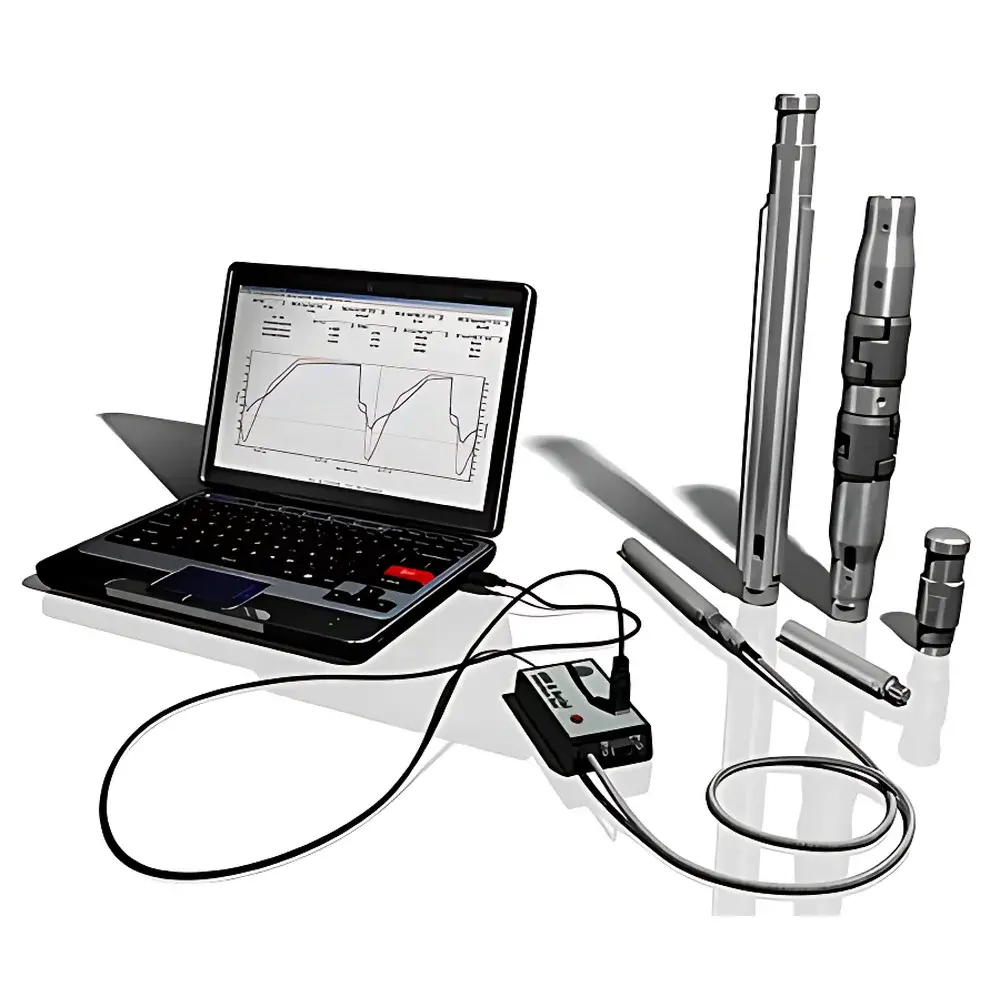
- Factory-calibrated timing logic via adjustable surface controller (JJD-SCU-200 series) for synchronized valve actuation and plunger arrival detection
Sample Compatibility & Compliance
The JJD-15006 is deployed exclusively in vertical or low-angle deviated oil and gas wells producing water-cut fluids up to 95% volume. It accommodates suspended solids ≤ 200 ppm and H₂S concentrations up to 500 ppm (when specified with NACE-compliant materials). The system complies with API RP 14E for offshore flowline erosion control, API RP 11V1 for plunger lift system design and operation, and ISO 10418 for offshore production platform safety systems. All pressure-containing components are ASME Section VIII Div. 1 certified and hydrostatically tested at 1.5× MAWP prior to shipment.
Software & Data Management
While the core plunger mechanism is hardware-only, optional integration with JJD’s CloudLift™ Supervisory Platform enables remote monitoring of cycle frequency, plunger arrival time deviation, shut-in duration trends, and cumulative liquid unload volume. Data logging adheres to ISA-88 batch control standards and supports audit-ready export in CSV/Parquet formats. For regulated environments, the platform provides FDA 21 CFR Part 11–compliant electronic signatures, role-based access control, and immutable audit trails for GLP/GMP-aligned production reporting.
Applications
- Water management in mature gas wells exhibiting liquid loading symptoms (e.g., declining tubing head pressure, erratic production rates)
- Intermittent lift optimization in coalbed methane (CBM) and tight gas reservoirs where continuous gas injection is uneconomical
- Temporary dewatering during well startup or post-fracture cleanup operations
- Low-volume crude production in stripper wells where rod pump maintenance costs exceed operational benefits
- Environmental compliance support—reducing tank battery emissions by minimizing manual fluid handling and flare events
FAQ
What is the typical plunger cycle frequency range for the JJD-15006?
Cycle intervals are field-configurable between 15 minutes and 12 hours, depending on reservoir inflow performance, tubing size, and fluid properties.
Can the system operate in high-H₂S environments?
Yes—when ordered with NACE MR0175-compliant materials (e.g., ASTM A182 F22 alloy body, fluorocarbon seals), it is rated for H₂S partial pressures up to 1,000 psi.
Is downhole instrumentation required for basic operation?
No. Mechanical timing and surface pressure feedback are sufficient for autonomous operation; instrumentation is optional for data-driven optimization.
How is plunger arrival detected at surface?
Via acoustic signature analysis using the integrated JJD-ASD-3 sensor or through differential pressure drop across the surface choke manifold.
What maintenance interval is recommended for the plunger assembly?
Inspection every 6 months or after 10,000 cycles—whichever occurs first—with full refurbishment recommended at 25,000 cycles or upon seal compression loss exceeding 15%.