
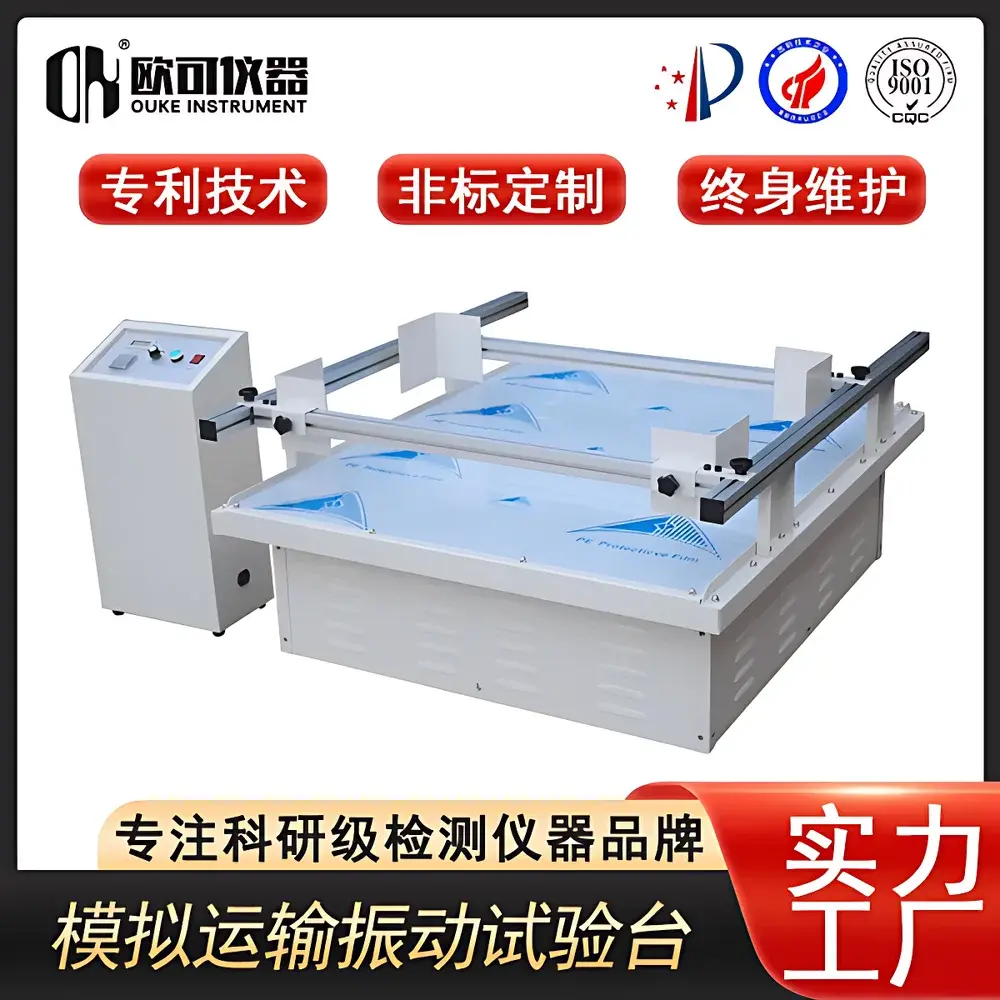
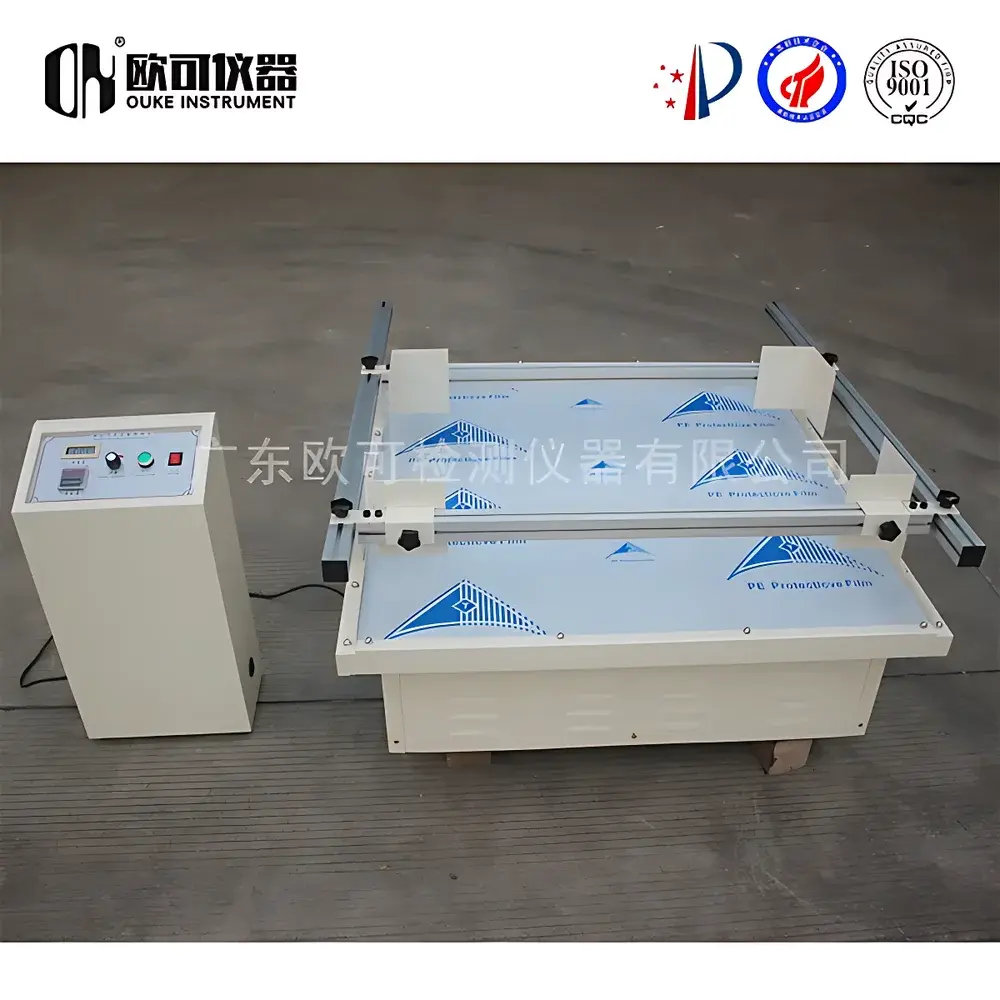
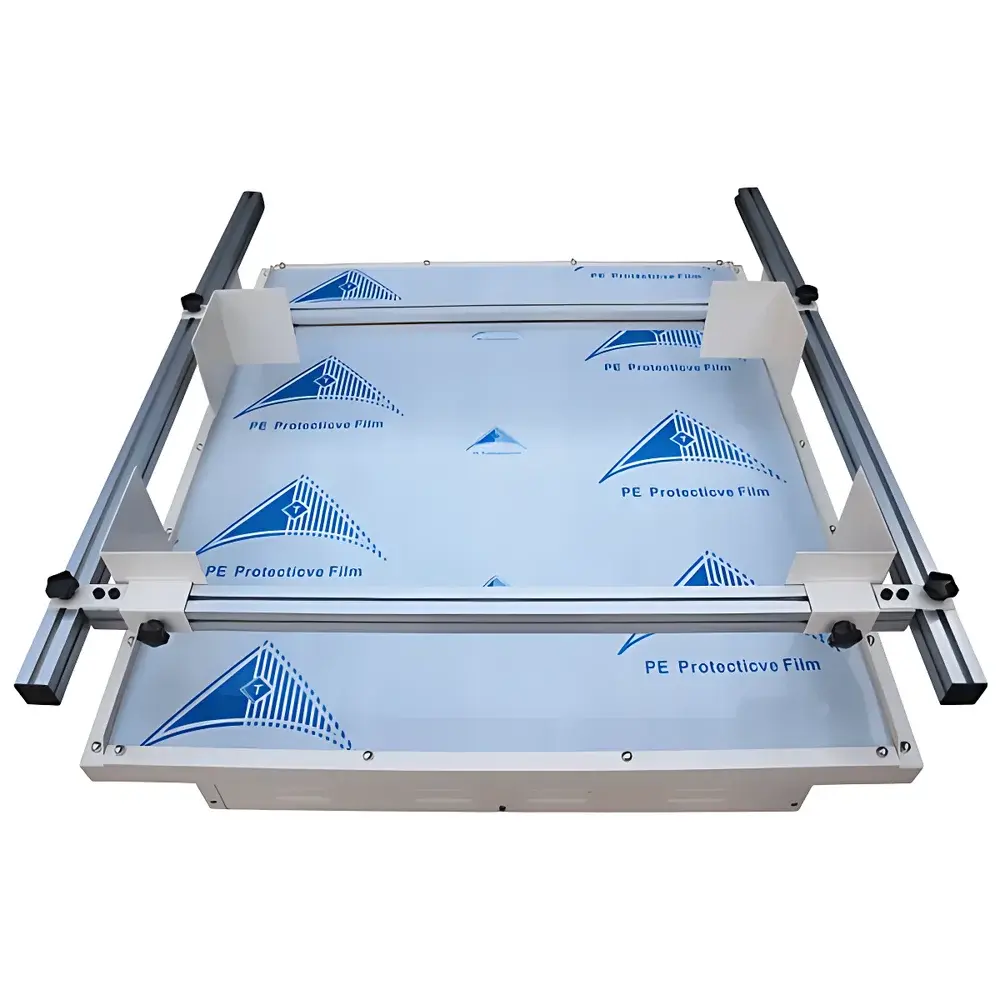
OK-100.33 OK Instrument Simulated Road Transport Vibration Tester
| Brand | OK Instrument |
|---|---|
| Origin | Guangdong, China |
| Manufacturer Type | Direct Manufacturer |
| Country of Origin | China |
| Model | OK-100.33 |
| Instrument Type | Simulated Automotive Transport Vibration Test System |
| Rated Thrust | 1.98 kN |
| Rated Frequency Range | 5–5000 Hz |
| Maximum Test Load | 70 kg |
| Table Dimensions (L × W) | 1200 mm × 1000 mm |
| Maximum Acceleration | 10 g |
| Amplitude (Peak-to-Peak) | 25.4 mm |
| Speed Range | 60–300 RPM |
| Vibration Mode | Reciprocating (Linear Oscillation) |
| Time Setting Range | 0.1 s – 999.99 h |
| Drive System | DC Motor with Precision Speed Control |
| Compliance Standards | ISTA 1A/2A/3A, ASTM D999, EN 71-1, ANSI MH1, UL 60950 |
Overview
The OK-100.33 Simulated Road Transport Vibration Tester is an electromechanical vibration system engineered to replicate the dynamic mechanical stresses experienced by packaged goods during over-the-road freight transportation. It operates on a linear reciprocating motion principle—distinct from random or servo-hydraulic shakers—delivering controlled, repeatable sinusoidal displacement at fixed amplitude (25.4 mm peak-to-peak) and adjustable rotational speed (60–300 RPM), corresponding to a fundamental frequency range of 1.0–5.0 Hz. This configuration aligns precisely with the low-frequency, high-displacement excitation profiles specified in major international transport simulation standards, including ISTA Procedure 1A, 2A, and 3A; ASTM D999 (Standard Test Methods for Shock and Vibration Testing of Shipping Containers); and EN 71-1 (Safety of Toys – Mechanical and Physical Properties). The system’s robust architecture—featuring a heavy-duty channel-steel base with anti-resonant elastomeric isolation pads—ensures stable operation without anchoring, minimizing facility integration complexity while maintaining test fidelity across load conditions up to 70 kg.
Key Features
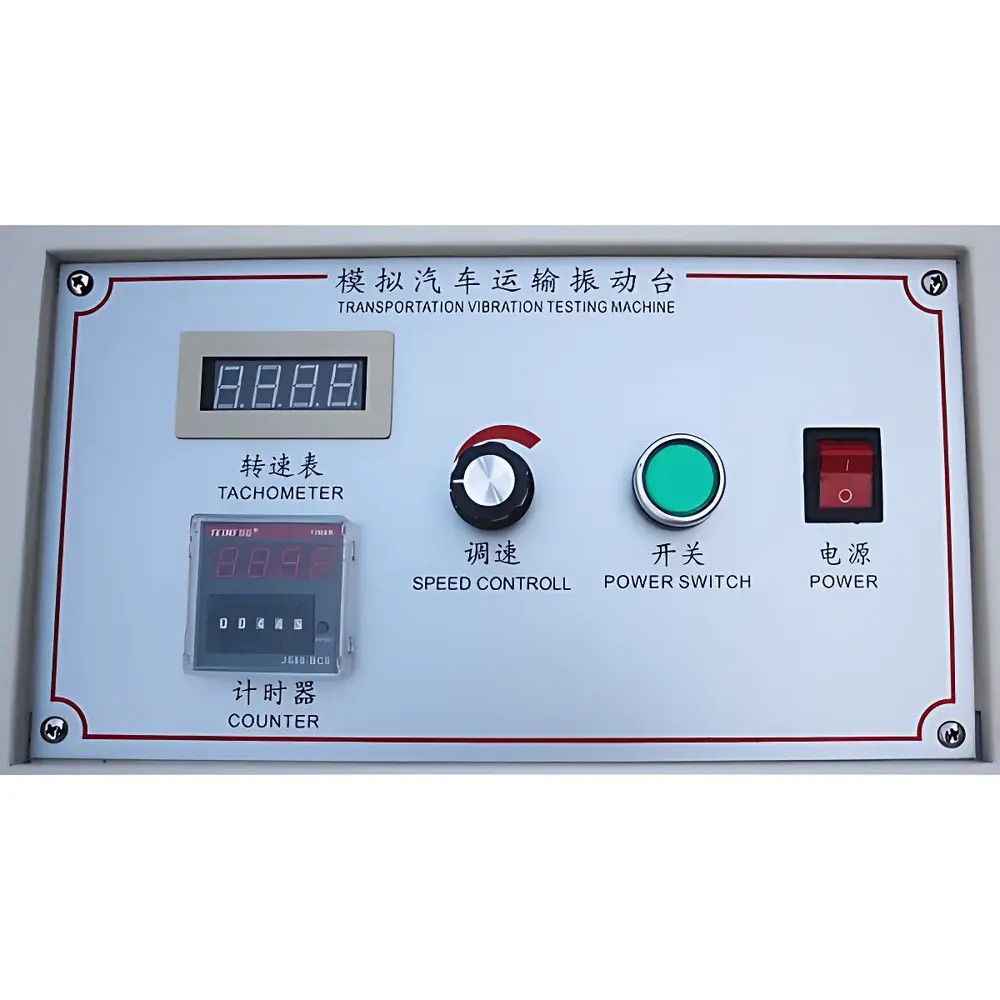
- Digitally calibrated frequency display with real-time RPM readout for precise test parameter verification
- Low-noise synchronous timing belt drive transmission, eliminating gear backlash and ensuring smooth torque transfer across the full speed range
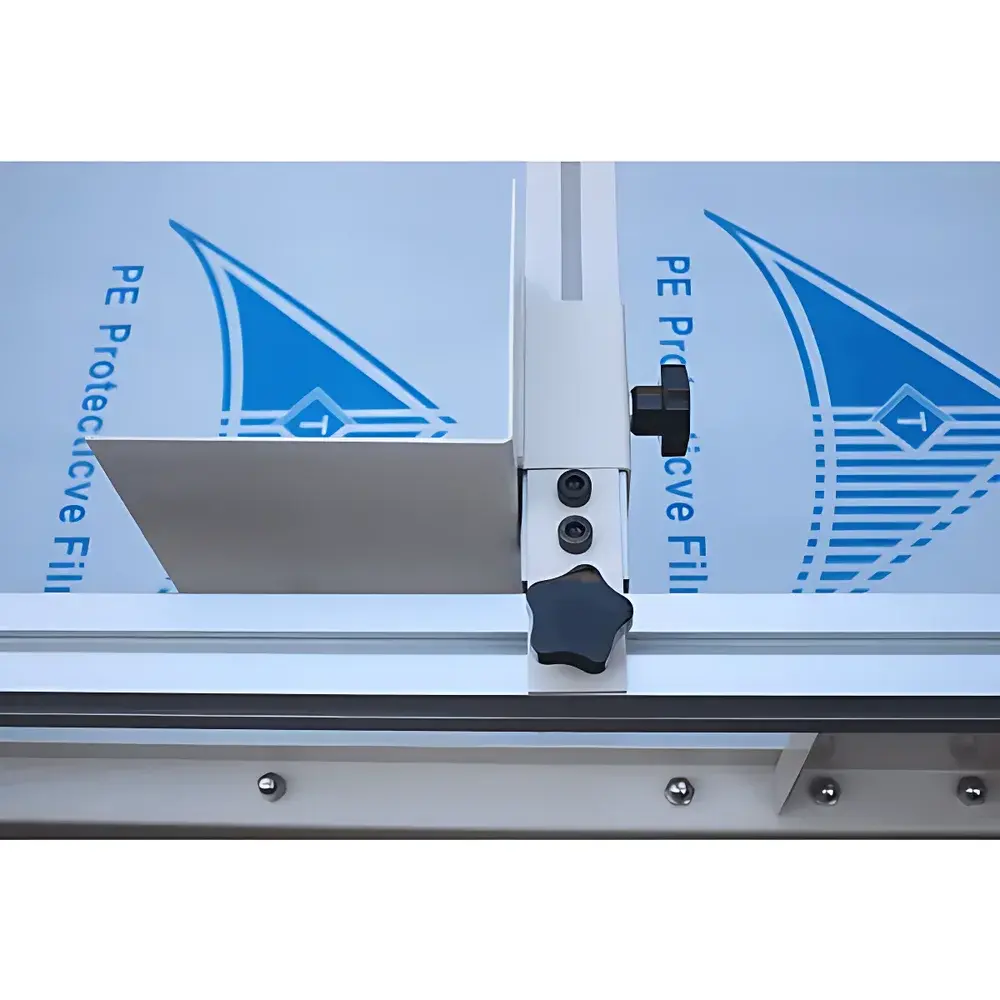
- Guided rail-based sample mounting interface—enabling rapid, repeatable, and operator-safe fixture installation and removal
- High-torque DC motor with closed-loop speed regulation, delivering consistent angular velocity under variable inertial loads and thermal conditions
- Modular table structure (1200 mm × 1000 mm active surface) compatible with standard pallet adapters, custom clamping fixtures, and environmental chamber integration
- No-floor-bolt installation design: vibration-isolating rubber mounts absorb reaction forces, preventing structural coupling with building foundations
Sample Compatibility & Compliance
The OK-100.33 accommodates unitized loads ranging from small parcel shipments (e.g., e-commerce cartons) to consolidated palletized configurations (up to 70 kg gross mass). Its 25.4 mm fixed P-P amplitude and 1.0–5.0 Hz operational envelope satisfy the kinematic boundary conditions required for pass/fail evaluation per ISTA 2A and ASTM D999 Section 7.2. The system supports both time-based (e.g., 2-hour continuous run) and cycle-based (e.g., 14,200 total vibrations per T = 14200 / CPM formula) test protocols. All control logic and timing functions are traceable to internal quartz oscillators with ±0.01% stability, meeting GLP documentation requirements for test repeatability. While not certified to ISO/IEC 17025, the instrument’s mechanical calibration points—including thrust output verification at 100 Hz and amplitude linearity check at 2.5 Hz—are documented per internal QA-017 procedure and available upon request for audit readiness.
Software & Data Management
The OK-100.33 operates via embedded firmware with local keypad-and-display HMI (no PC dependency). All test parameters—including start/stop timestamps, elapsed duration, actual RPM deviation (±0.5 RPM), and over-limit fault logs—are stored in non-volatile memory for retrieval via USB export. Exported CSV files include column headers compliant with ASTM E1318 data formatting conventions (e.g., “Test_ID”, “Start_Time_UTC”, “RPM_Setpoint”, “RPM_Actual_Avg”, “Duration_s”, “Pass_Fail_Status”). Optional RS-232 or Ethernet interface modules support integration into enterprise LIMS platforms and enable remote monitoring under FDA 21 CFR Part 11-compliant environments when paired with validated third-party middleware.
Applications
- Validation of primary and tertiary packaging integrity for logistics providers and contract packagers
- Pre-shipment qualification testing of medical device kits per ISO 11607-1 Annex B
- Durability assessment of consumer electronics enclosures subjected to road-induced resonance modes
- Correlation studies between lab-simulated vibration exposure and field failure rates in automotive component supply chains
- Material fatigue screening of adhesives, foams, and cushioning substrates under sustained low-frequency oscillation
FAQ
Does the OK-100.33 meet ISTA certification requirements for laboratory validation?
Yes—the mechanical specification (25.4 mm P-P amplitude, 1.0–5.0 Hz sweep range, and programmable dwell/timing logic) satisfies the equipment eligibility criteria defined in ISTA’s Laboratory Validation Protocol (LVP) v3.0, Appendix A.
Can the vibration table be retrofitted with accelerometers or force transducers?
The table frame includes four M6 threaded mounting holes (ISO metric thread, 12 mm depth) at corners for optional sensor integration; OK Instrument provides mechanical drawings and signal conditioning interface guidelines upon request.
Is the 10 g maximum acceleration rating achievable across the full 5–5000 Hz frequency band?
No—the 10 g rating applies only at resonant peaks within the 50–200 Hz range under no-load conditions; at 2.5 Hz (transport-relevant frequency), maximum sustainable acceleration is 1.2 g with 70 kg payload, as verified per ISO 5344:2004 Annex C.
What maintenance intervals are recommended for the DC motor and belt drive system?
Belt tension inspection every 500 operational hours; motor brush replacement at 5,000 hours or when commutator wear exceeds 0.3 mm depth—detailed in Maintenance Manual OK-MN-100.33 Rev. 4.
Are calibration certificates provided with shipment?
A factory-as-built mechanical verification report (covering amplitude linearity, speed accuracy, and load capacity) is included; accredited third-party calibration per ISO 17025 is available as a billable service.



