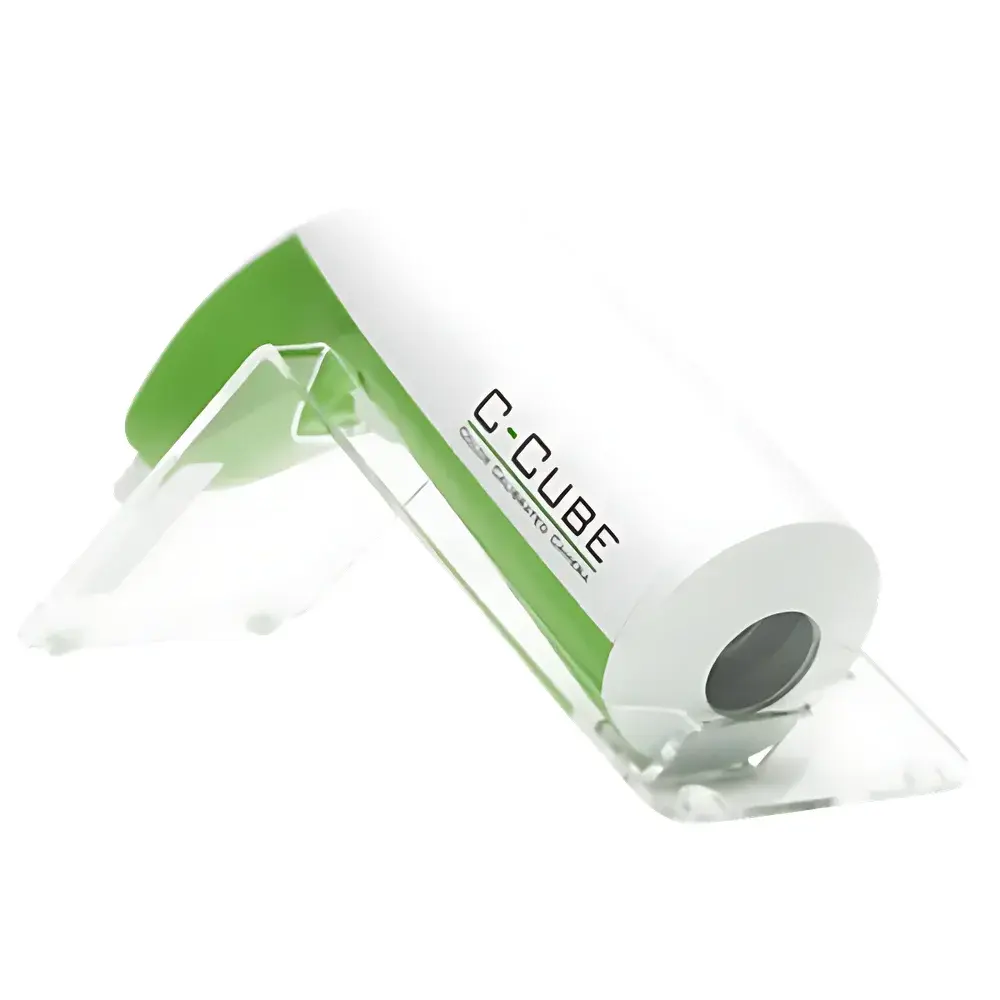
Pixience C-Cube Multifunctional Dermoscopic Imaging & Photometric Stereo Analysis System
| Brand | Pixience |
|---|---|
| Origin | France |
| Model | C-Cube |
| Import Status | Imported |
| Distribution Type | Authorized Distributor |
| Pricing | Available Upon Request |
Overview
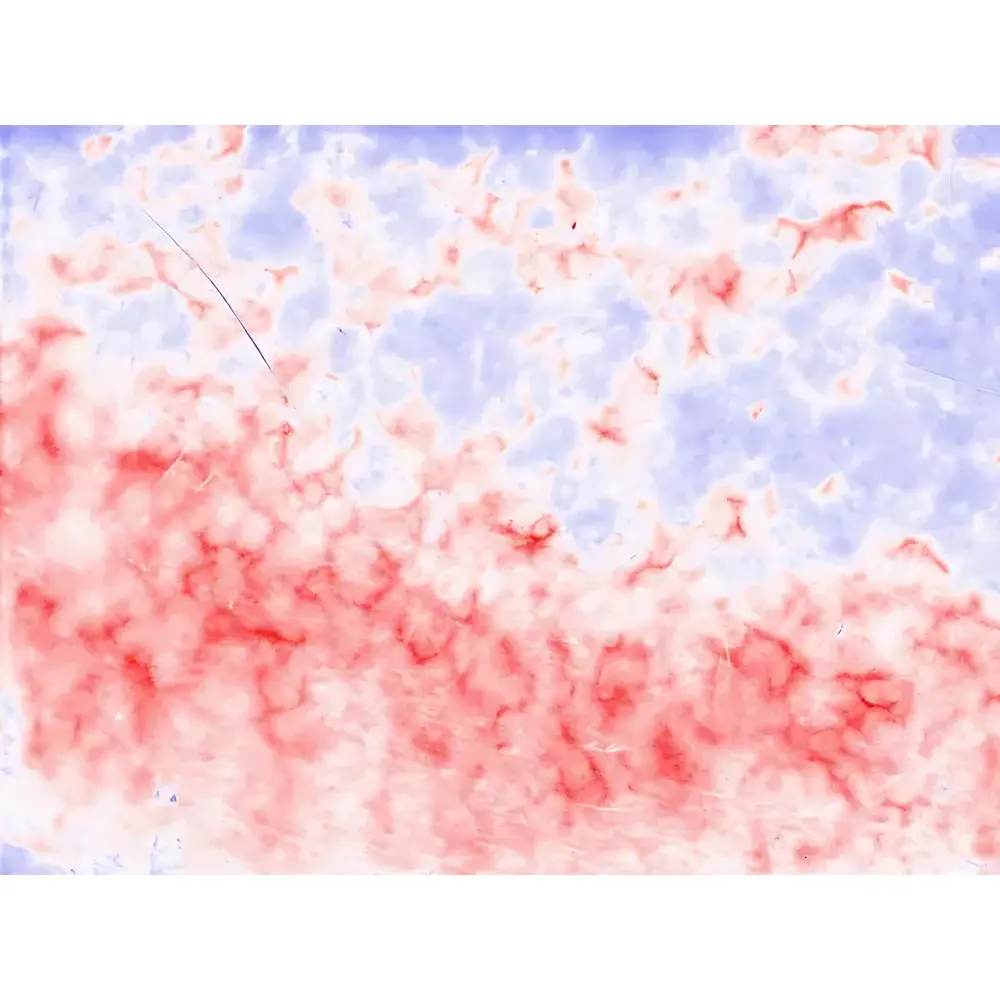
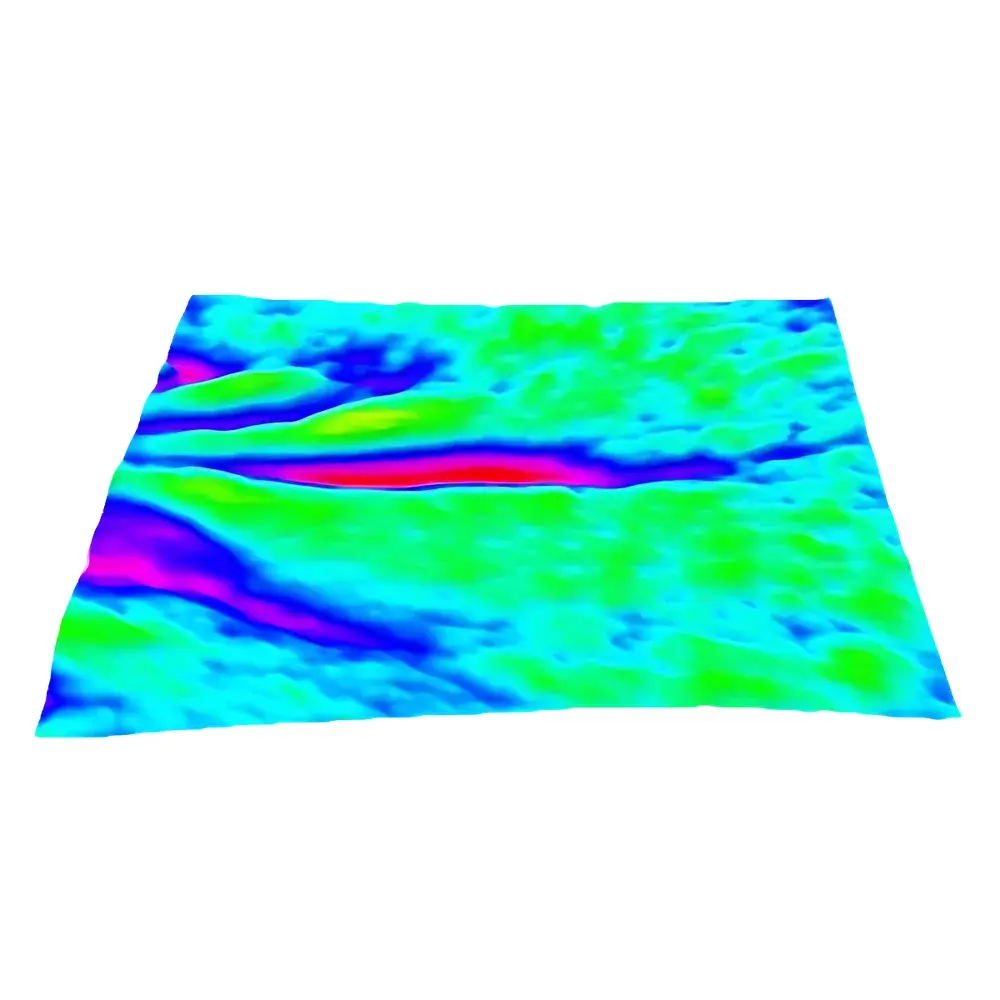
The Pixience C-Cube is a CE-marked, portable dermatoscopic imaging platform engineered for quantitative, non-invasive 3D surface topography and chromatic analysis of human skin. It implements photometric stereo—a computer vision methodology that reconstructs surface normals and depth maps by analyzing pixel-wise intensity variations across multiple images captured under controlled, spatially distinct illumination angles. Unlike conventional dermoscopes or standard RGB macro-imaging systems, the C-Cube integrates synchronized LED lighting arrays (typically ≥4 calibrated directional sources) with high-resolution monochrome and color sensors to simultaneously resolve geometric microstructure (e.g., furrows, pores, wrinkles) and spectral reflectance properties (e.g., melanin distribution, erythema intensity, sebum coverage). This dual-domain acquisition enables traceable, operator-independent assessment aligned with ISO 20417:2021 (Medical devices — General requirements for labeling and information to be provided by the manufacturer) and supports method validation per ICH E9 and FDA Guidance for Industry on Clinical Evaluation of Dermatological Devices.
Key Features
- Photometric stereo-based 3D reconstruction with sub-50 µm lateral resolution and <5 µm vertical repeatability in controlled ambient conditions
- Integrated multi-spectral illumination engine enabling consistent, repeatable capture across L*a*b*, ITA°, erythema index (EI), and melanin index (MI) calculations per ISO 8502-16 and CIE 15:2018
- Modular software architecture supporting both 2D quantitative dermatology metrics and 3D surface metrology modules
- Portable form factor (<1.8 kg) with battery operation and USB-C/USB 3.2 Gen 1 interface for clinical mobility and lab integration
- Calibration traceability via NIST-traceable reference standards for reflectance and topographic height
- Compliance with IEC 62304:2015 (Medical device software – Software life cycle processes) and EN 60601-1:2015+A1:2020 (Safety of medical electrical equipment)
Sample Compatibility & Compliance
The C-Cube is validated for use on Fitzpatrick skin types I–VI and accommodates anatomical regions including face, dorsal forearm, back, and scalp. Its contact-free optical design eliminates mechanical pressure artifacts during acquisition—critical for assessing fragile or inflamed epidermis. All measurement protocols are designed to meet Good Clinical Practice (GCP) and Good Laboratory Practice (GLP) documentation requirements. Data outputs conform to DICOM Supplement 171 (Dermatology Imaging) where applicable and support audit trails compliant with 21 CFR Part 11 for electronic records and signatures in regulated environments.
Software & Data Management
The proprietary C-Cube Analyze Suite provides a secure, role-based desktop application (Windows 10/11, 64-bit) with embedded encryption for raw image stacks and processed metric datasets. Each analysis session automatically logs operator ID, timestamp, calibration status, illumination configuration, and environmental metadata (ambient light level, temperature). Export options include CSV (for statistical packages such as SAS, R, or Python pandas), PNG/TIFF (8/16-bit), and structured JSON for integration into LIMS or clinical trial databases. Software versioning follows semantic versioning (SemVer 2.0), with documented change logs and validation reports available upon request for regulatory submissions.
Applications
- Clinical dermatology: Objective longitudinal monitoring of actinic damage, melasma progression, post-inflammatory hyperpigmentation, and rosacea severity
- Cosmetic science: Quantitative evaluation of anti-aging formulations (wrinkle volume reduction, pore diameter modulation, stratum corneum smoothness improvement)
- Trichology research: Scalp surface topography mapping for alopecia classification (e.g., distinguishing androgenetic vs. cicatricial patterns) and minoxidil response tracking
- Dermato-toxicology: Assessment of irritancy endpoints—including transepidermal water loss (TEWL) correlation studies—and barrier function recovery kinetics
- Regulatory dossier support: Generation of objective, image-based endpoints accepted by EMA CHMP and FDA CDER for OTC and Rx dermatological product registration
FAQ
Is the C-Cube certified for clinical use in the EU and USA?
Yes—the system carries CE marking under MDR 2017/745 as a Class IIa medical device and is listed with FDA as a 510(k)-exempt general wellness device (K number available upon request).
Does it require external calibration hardware?
No—built-in reference targets and automated self-calibration routines ensure daily operational readiness without third-party tools.
Can raw photometric stereo image sets be exported for custom algorithm development?
Yes—full-resolution, unprocessed image sequences (≥4 illumination states per capture) are exportable in TIFF format with embedded EXIF metadata.
What is the typical acquisition time per anatomical site?
Approximately 8–12 seconds for full 2D+3D analysis at default resolution settings; configurable for faster throughput or higher fidelity.
Is remote software update supported?
Yes—secure over-the-air (OTA) updates are delivered via encrypted HTTPS channels with digital signature verification and rollback capability.