
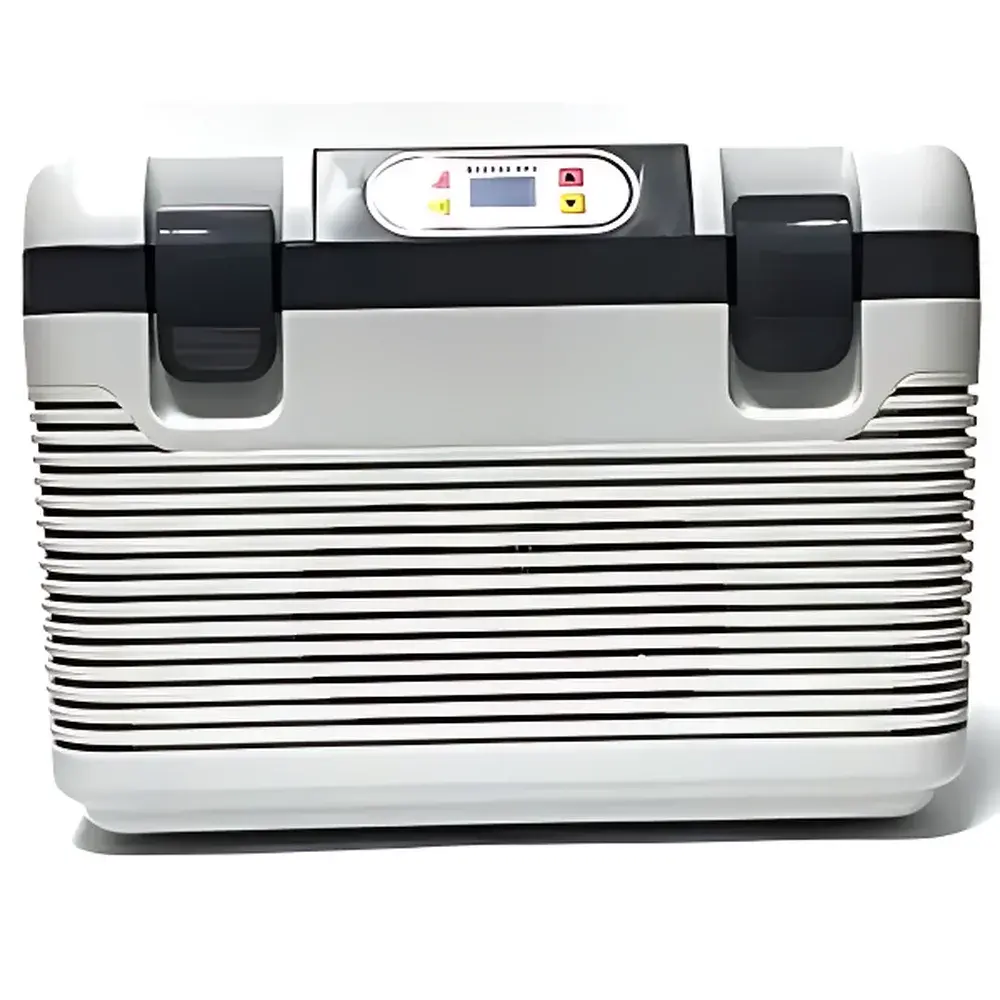
Beifen Sanpu HW-19L Portable Sample Preservation Heating Chamber for VOCs (BTEX) Analysis per HJ 1261–2022
| [Brand | Beifen Sanpu |
|---|---|
| Origin | Hebei, China |
| Manufacturer Type | OEM Manufacturer |
| Product Category | Domestic Instrumentation |
| Model | HW-19L-1 |
| Power Supply | 220 V AC / 50 Hz or DC 12 V vehicle power |
| Heating Power | 90–110 W |
| Temperature Range | Ambient to 100 °C |
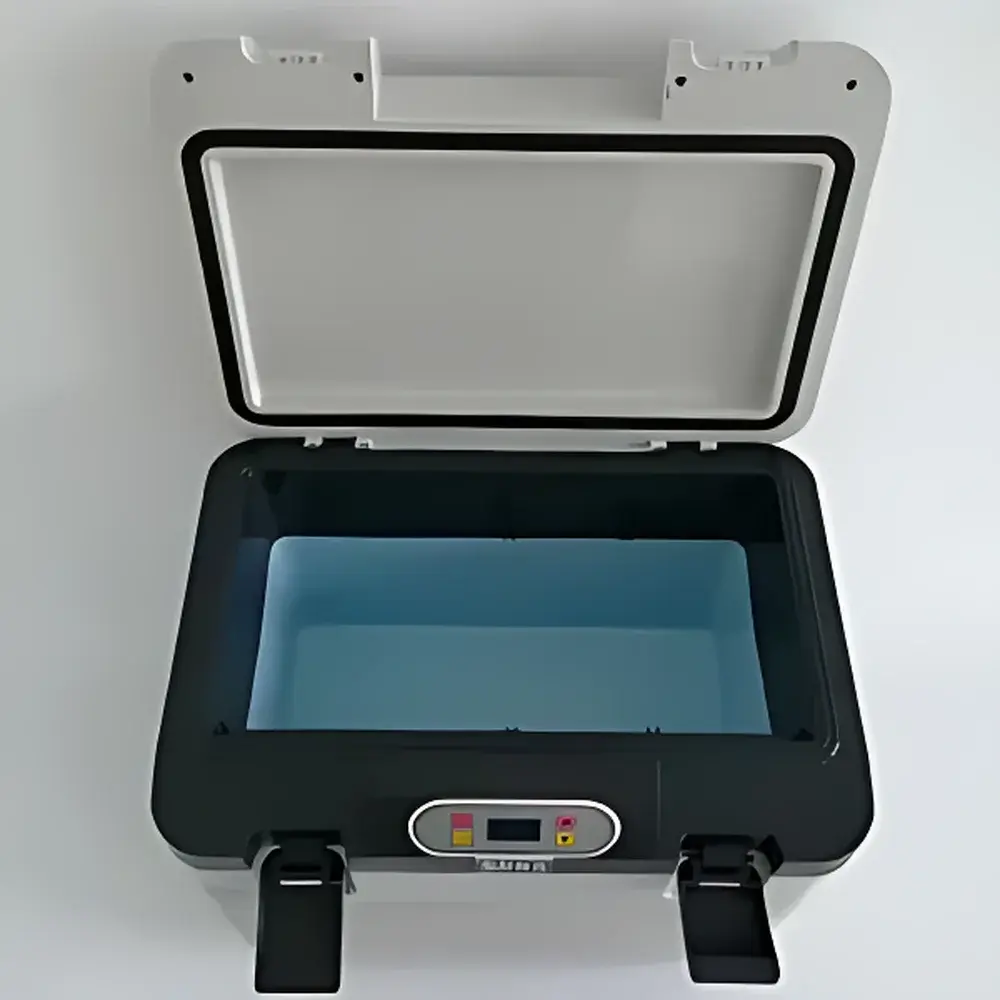
| Capacity | 19 L |
| Internal Dimensions | 38 × 18 × 25 cm |
| External Dimensions | 44 × 30 × 35 cm |
| Net Weight | ~5 kg |
| Heating System Lifetime | ≥8,000 h continuous operation |
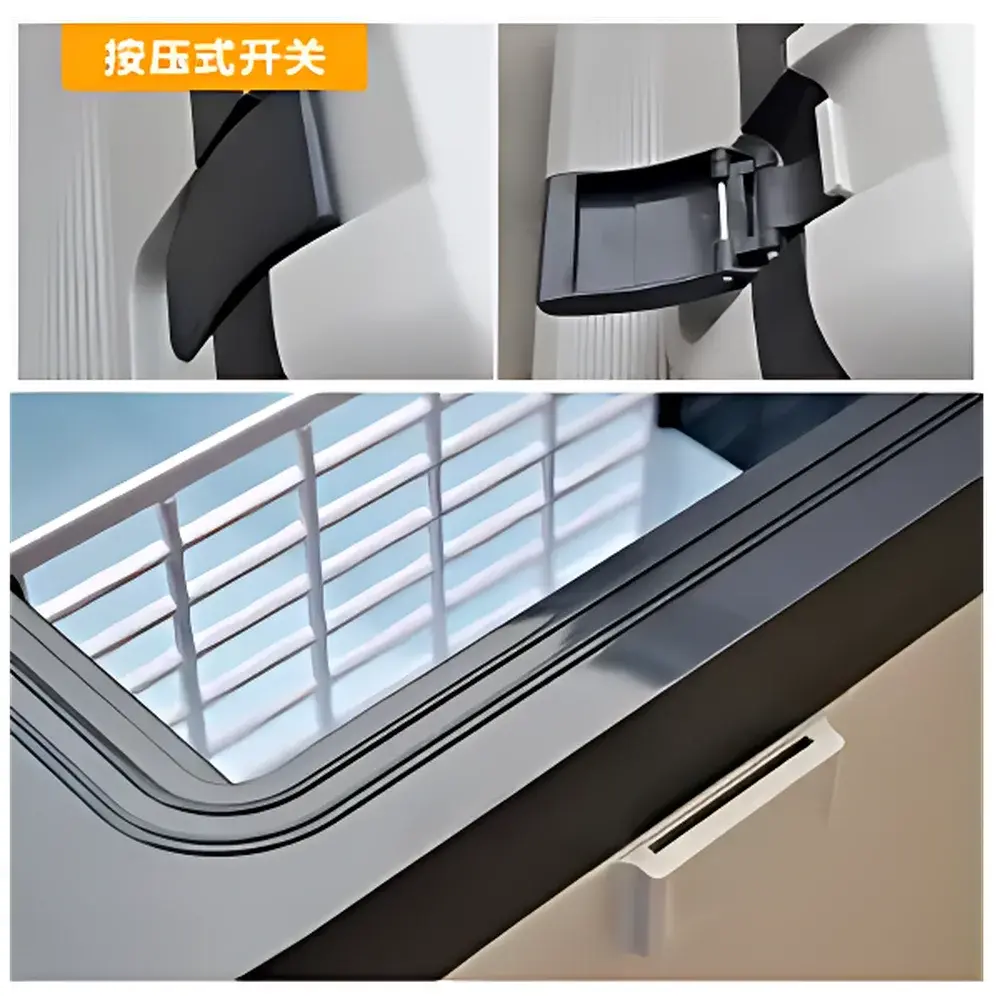
| Construction | ABS exterior shell, aluminum inner chamber, polyurethane foam insulation |
| Heating Method | Five-sided circumferential convection heating |
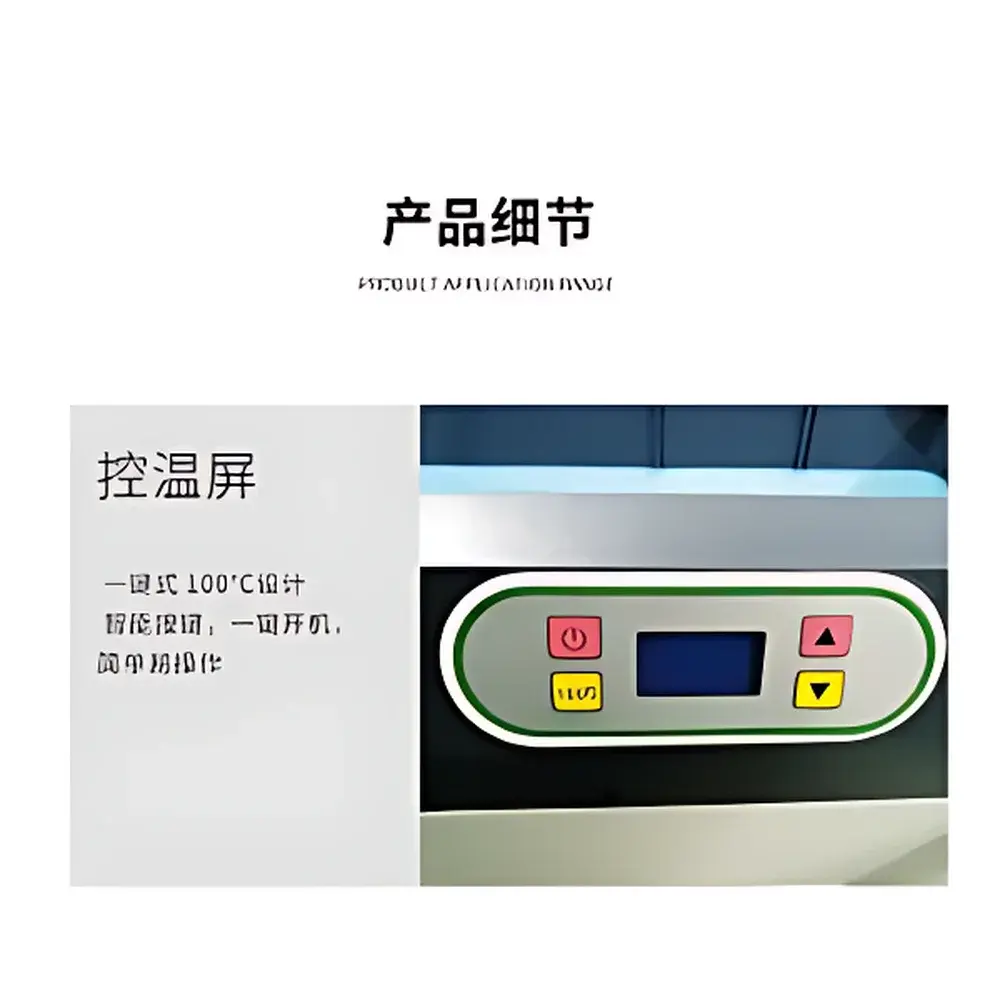
| Control Interface | One-touch 100 °C preset + up/down digital temperature adjustment |
| Accessories | Integrated carrying handle and detachable shoulder strap] |
Overview
The Beifen Sanpu HW-19L Portable Sample Preservation Heating Chamber is an engineered solution designed explicitly to meet the sample integrity requirements specified in HJ 1261–2022, “Determination of Benzene Series Compounds in Exhaust Gas from Stationary Sources—Gas Bag Sampling/Direct Injection–Gas Chromatography.” This standard mandates strict thermal management of volatile organic compound (VOC) samples—particularly BTEX (benzene, toluene, ethylbenzene, xylenes) and styrene—to prevent condensation-induced analyte loss, adsorption, or chemical degradation during transport and pre-analysis storage. The HW-19L operates on a passive yet highly effective principle: uniform, low-noise, five-sided convective heating maintains sample bags at a precisely controlled temperature (up to 100 °C), thereby eliminating water vapor condensation and stabilizing thermally labile compounds such as styrene. Its portable architecture—lightweight construction, integrated handle, and optional shoulder strap—ensures compliance with field-deployable workflow demands across environmental monitoring laboratories, third-party testing agencies, academic research groups, and public health institutions.
Key Features
- Five-Sided Circumferential Heating: Uniform thermal distribution minimizes temperature gradients across the internal chamber, ensuring consistent thermal treatment of multiple gas sampling bags simultaneously—critical for reproducible recovery of low-boiling-point VOCs.
- Precision Digital Temperature Control: One-touch 100 °C preset mode aligns directly with HJ 1261–2022’s recommended heating condition for condensate elimination; manual adjustment via intuitive up/down keys enables method-specific optimization (e.g., 60–80 °C for bag cleaning validation).
- Optimized Thermal Architecture: Aluminum inner chamber provides rapid thermal response and stability; high-density polyurethane foam insulation ensures energy efficiency and sustained temperature retention during transit or intermittent power supply scenarios.
- Field-Ready Portability: Weighing only ~5 kg and equipped with both top-mounted handle and detachable shoulder strap, the unit supports extended mobile deployment without compromising ergonomic safety or operational continuity.
- Dual-Power Compatibility: Operates seamlessly on standard 220 V/50 Hz mains power or 12 V DC vehicle supply—enabling uninterrupted use during sample collection campaigns, inter-laboratory transfers, or emergency response deployments.
- Robust Mechanical Design: Impact-resistant ABS housing protects internal components while maintaining regulatory-compliant material compatibility with common sampling media (e.g., Tedlar®, FlexFoil®).
Sample Compatibility & Compliance
The HW-19L is validated for use with standard 1–10 L gas sampling bags used in direct-injection GC analysis workflows. Its internal volume (19 L) accommodates multiple bags—including stacked configurations—without impeding airflow or thermal exchange. Per HJ 1261–2022 Section 6.3, sample containers must be “lightproof and equipped with heating capability to suppress moisture condensation”; the HW-19L fulfills both criteria inherently through its opaque ABS enclosure and active temperature control. While not certified to ISO/IEC 17025 or GLP as a standalone device, its design supports full traceability when integrated into auditable analytical systems compliant with CNAS-CL01, EPA TO-15, and ASTM D5504 frameworks. Notably, the unit’s ≥8,000-hour heater lifetime exceeds typical annual usage in routine monitoring labs—supporting long-term method consistency and reducing calibration drift risk.
Software & Data Management
The HW-19L is a hardware-only thermal stabilization platform with no embedded firmware, network interface, or data logging capability. This intentional design prioritizes reliability, electromagnetic compatibility (EMC), and regulatory transparency—eliminating software validation burdens under FDA 21 CFR Part 11 or GLP Annex 11. All temperature settings are manually entered and visually confirmed via LED display; no audit trail is generated, consistent with its role as ancillary equipment rather than a data-generating instrument. Laboratories implementing electronic recordkeeping may document setpoints, duration, and bag identification manually in LIMS or paper-based chain-of-custody forms—fully aligned with HJ 1261–2022’s procedural documentation requirements.
Applications
- Pre-analytical stabilization of BTEX and styrene in gas bag-collected emissions from thermal power plants, chemical manufacturing facilities, and waste incinerators.
- Mitigation of analyte loss during inter-facility transport where ambient temperature fluctuates below dew point.
- Standard curve preparation under identical thermal conditions as sample batches—ensuring quantitative fidelity per HJ 1261–2022 Section 9.2.
- Validation of gas bag cleaning protocols (e.g., 60–80 °C for 30 min) prior to reuse, particularly for high-concentration (>200 mg/m³) samples where residual carryover is documented.
- Supporting time-resolved stability studies: empirical decay data for benzene series (e.g., styrene degradation >50% after 24 h at ambient) confirm necessity of controlled heating for extended hold times (up to 72 h for non-styrene analytes).
FAQ
Does the HW-19L meet HJ 1261–2022’s requirement for “heated sample preservation containers”?
Yes. It satisfies Clause 6.3 by providing controllable, uniform heating up to 100 °C in a lightproof, insulated chamber—directly addressing condensation and volatility-related losses.
Can it be used with all types of gas sampling bags?
It is compatible with standard polymer-based sampling bags (e.g., Tedlar®, polyvinyl fluoride). Avoid prolonged exposure above 80 °C with fluorinated films to prevent permeation changes.
Is temperature calibration traceable to national standards?
The unit includes a factory-calibrated digital sensor; users should perform periodic verification using an NIST-traceable reference thermometer per internal SOPs.
Why is heating critical for styrene analysis?
Styrene exhibits rapid degradation (>60% loss within 24 h at 20 °C); HJ 1261–2022 explicitly recommends analysis within 12 h—or immediate heating to 100 °C if delay is unavoidable.
How does the HW-19L integrate into a GLP-compliant workflow?
As non-data-generating equipment, it requires only documented operational checks (e.g., temperature verification log, bag placement protocol) to satisfy GLP Annex 11 Annex A.2.2 for ancillary devices.



