
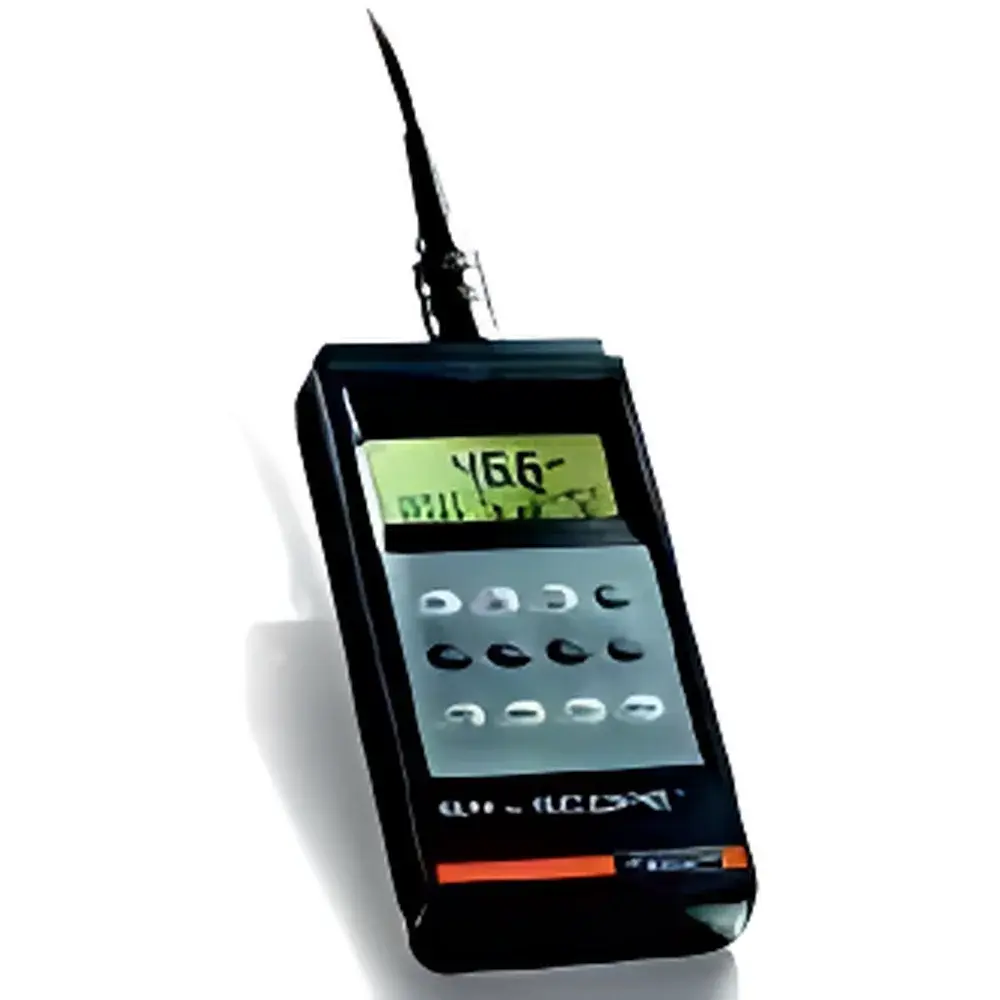
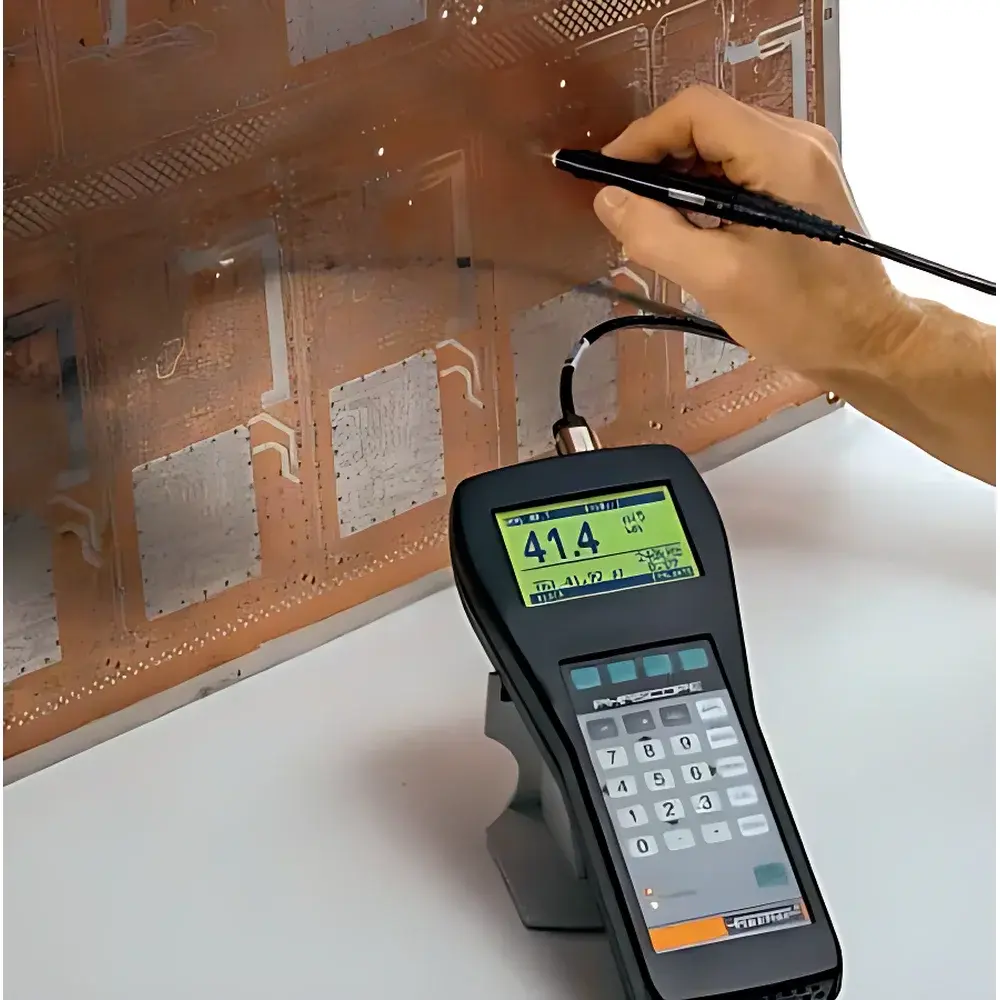
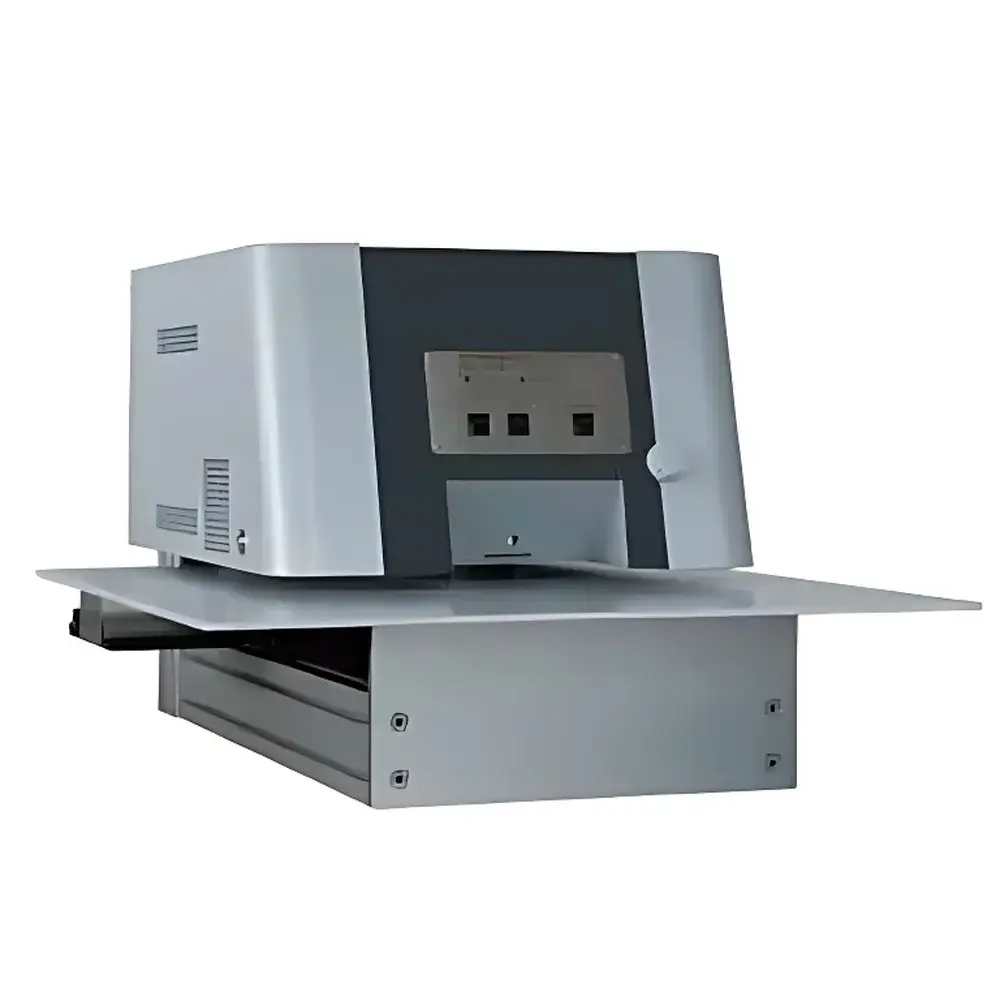
FISCHER PMP10 / RMP30-S / MPO / FMP Series Non-Destructive Coating Thickness Gauges
| Origin | Guangdong, China |
|---|---|
| Manufacturer Type | Authorized Distributor |
| Origin Classification | Domestic (China) |
| Models | PMP10, RMP30-S, MPO, FMP |
| Pricing | Available Upon Request |
Overview
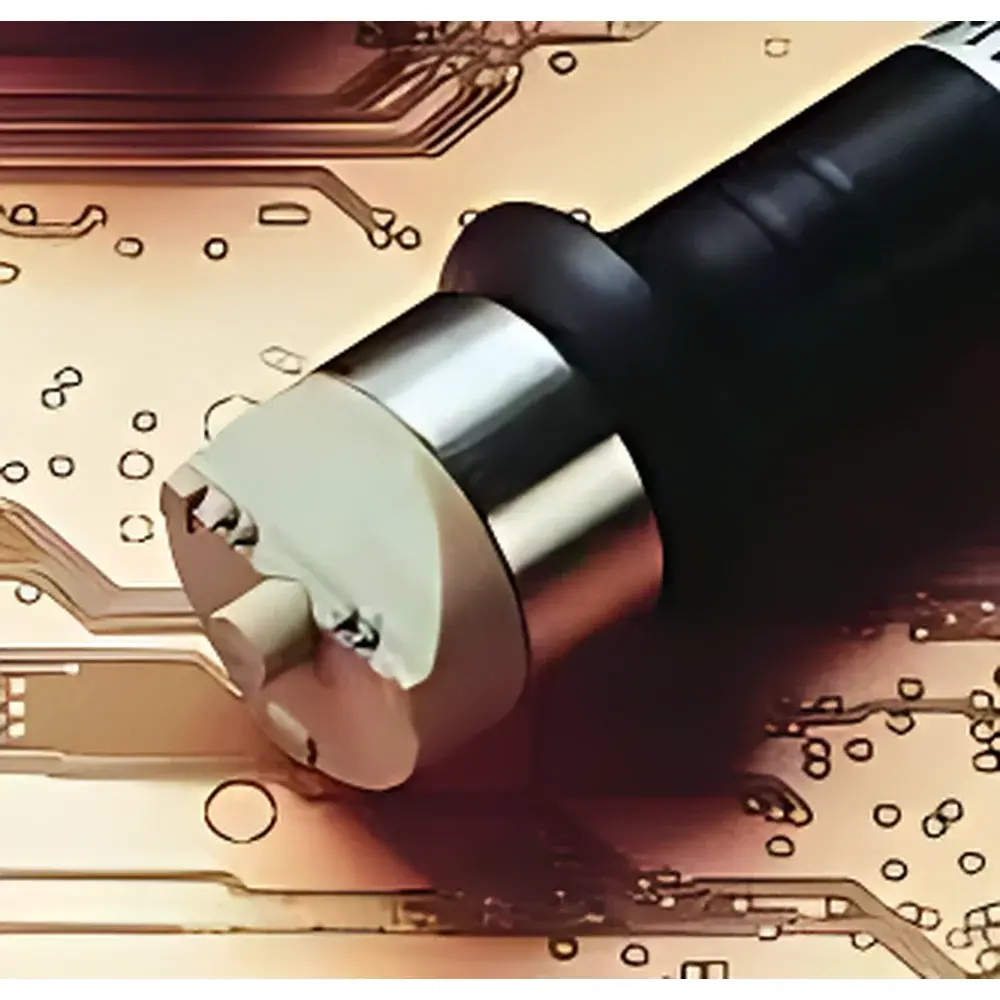
The FISCHER PMP10, RMP30-S, MPO, and FMP series are precision-engineered non-destructive coating thickness gauges designed for high-reliability metrology in quality control, R&D, and production environments. These instruments operate on two fundamental physical principles: magnetic induction (for ferromagnetic substrates such as steel and iron) and phase-sensitive eddy current measurement (for non-ferrous metals and conductive coatings on non-conductive or non-magnetic substrates). Each model is purpose-built to address distinct measurement challenges — from micro-scale copper plating in PCB vias (PMP10 with ESL080 probe) to dual-sided copper thickness quantification unaffected by backside interference (RMP30-S), and universal substrate-agnostic operation via automatic material recognition (MPO). All systems comply with internationally recognized standards including DIN EN ISO 2178 (magnetic induction), DIN EN ISO 2360 (eddy current), DIN EN ISO 21968 (phase-resolved eddy current for thin conductive layers), and ASTM D7091 (standard practice for nondestructive measurement of dry film thickness of nonmagnetic coatings applied to ferrous metals).
Key Features
- Phase-sensitive eddy current technology enabling sub-micron resolution for thin conductive layers (e.g., Cu on PCBs, via walls, and flexible circuits)
- Automatic substrate identification (MPO) eliminating manual mode selection and reducing operator error
- Dual-frequency excitation (60 kHz / 240 kHz) optimized for varying conductivity, layer thickness, and substrate geometry
- Specialized probes engineered for application-specific demands: ESD20ZN (rough-surface Zn on steel), ESD2.4 (small-area Zn on miniature components), ESD20NI (Ni electroplating), ESD20Cu (planar Cu on PCBs), and ESL080 (through-hole copper)
- Rugged, ergonomic handheld design with IP54-rated enclosure suitable for shop-floor and cleanroom deployment
- Real-time statistical feedback including mean, standard deviation, min/max, and histogram visualization directly on device display
Sample Compatibility & Compliance
These gauges support a broad spectrum of industrial substrates and coatings without requiring destructive cross-sectioning or chemical dissolution. The PMP10 accommodates measurements on ferrous (Fe, steel), non-ferrous (Al, Cu, brass), and non-conductive substrates (FR-4, polyimide, ceramics) when coated with conductive layers. The RMP30-S is uniquely validated for differential copper thickness assessment on multilayer PCB laminates where opposing copper foils would otherwise induce signal coupling artifacts. The MPO integrates both magnetic induction and eddy current sensors within a single compact housing, satisfying ASTM D7091 and ISO 2178/2360 requirements for certified QC labs. All devices are compatible with GLP/GMP documentation workflows, supporting audit-ready data export and traceable calibration records.
Software & Data Management
Each instrument ships with FISCHER DataCenter software — a Windows-based platform compliant with FDA 21 CFR Part 11 for electronic records and signatures. DataCenter enables secure transfer of measurement series via USB or Bluetooth, configurable batch naming, customizable report templates (PDF/Excel), and advanced statistical analysis including capability indices (Cp/Cpk), trend charts, and SPC control limits. Measurement data includes timestamp, probe ID, operator ID, environmental temperature (if equipped), and raw phase/amplitude values. Audit trails log all user actions, parameter changes, and report generations, ensuring full traceability for ISO 9001, IATF 16949, and IPC-A-600 audits.
Applications
- PCB manufacturing: quantifying electrodeposited copper thickness on outer/inner layers, through-holes (PTH), and blind/buried vias
- Automotive plating lines: monitoring Zn, Ni, Cr, and Al-Zn alloy coatings on fasteners, brackets, and chassis components
- Aerospace component finishing: verifying anodized layer integrity and conductive paint thickness on aluminum airframes
- Electroplating bath control: real-time feedback for process stabilization and bath replenishment scheduling
- Medical device coating QA: measuring Pt-Ir or TiN coatings on implantable electrodes and surgical tools
- Recycling and material verification: rapid sorting of coated scrap metals based on layer composition and thickness
FAQ
What standards do these instruments comply with?
DIN EN ISO 2178, DIN EN ISO 2360, DIN EN ISO 21968, and ASTM D7091 — fully documented in the supplied calibration certificate and technical manual.
Can the RMP30-S measure copper thickness on flex PCBs?
Yes — its high-frequency eddy current architecture and optimized probe geometry enable stable measurements on polyimide-based flexible circuits down to 12 µm total copper thickness.
Is probe calibration required before each use?
No — factory calibration is traceable to PTB (Physikalisch-Technische Bundesanstalt); however, daily verification using certified reference standards is recommended per ISO/IEC 17025 guidelines.
Does the MPO require separate probes for ferrous vs. non-ferrous substrates?
No — its integrated dual-method sensor automatically selects the appropriate physics model based on real-time substrate characterization.
Can measurement data be integrated into MES or SAP QM modules?
Yes — DataCenter supports CSV/Excel export and optional OPC UA interface for direct integration with enterprise quality management systems.



