
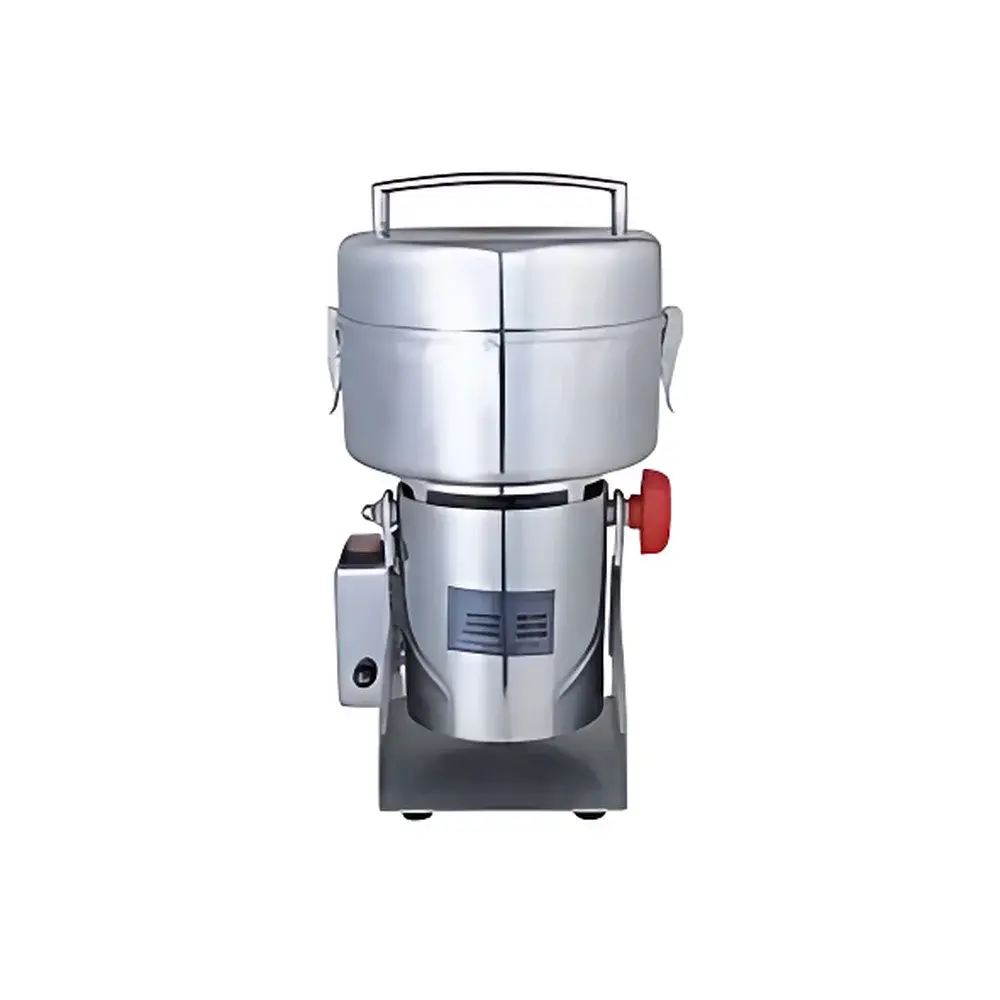
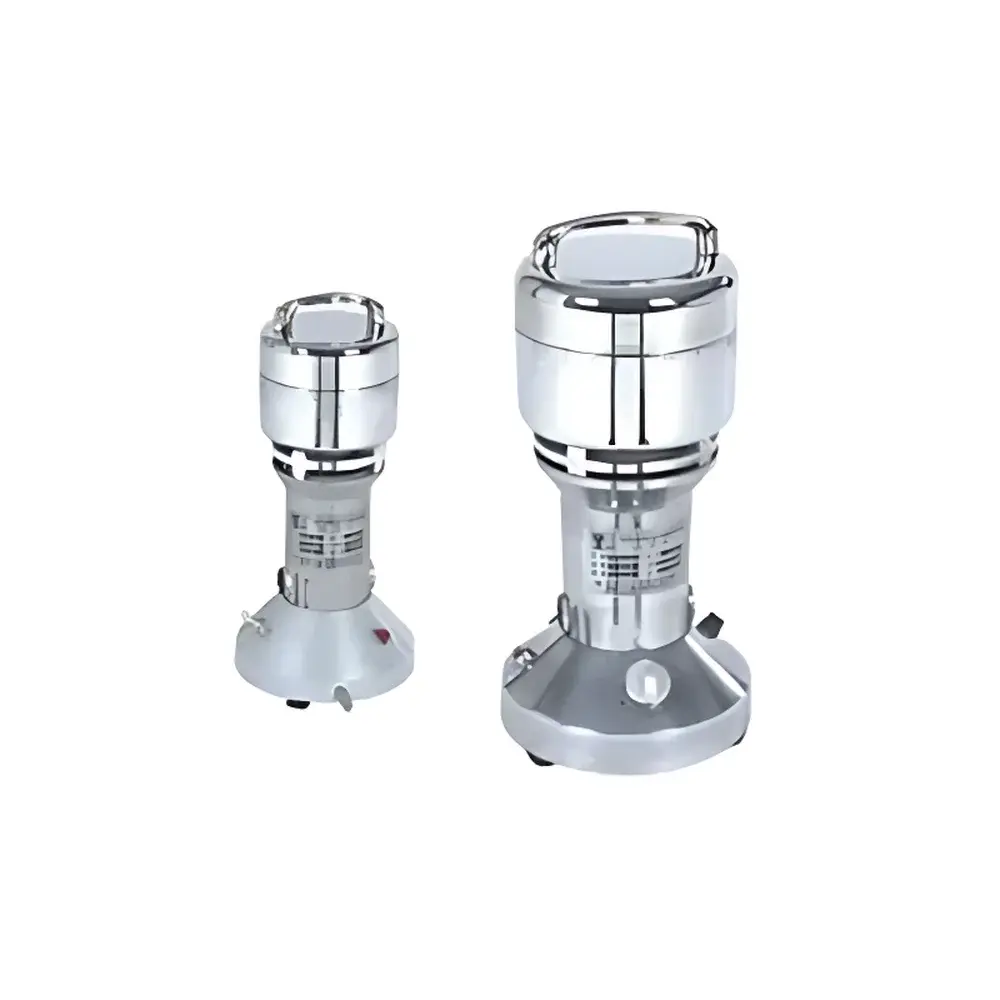
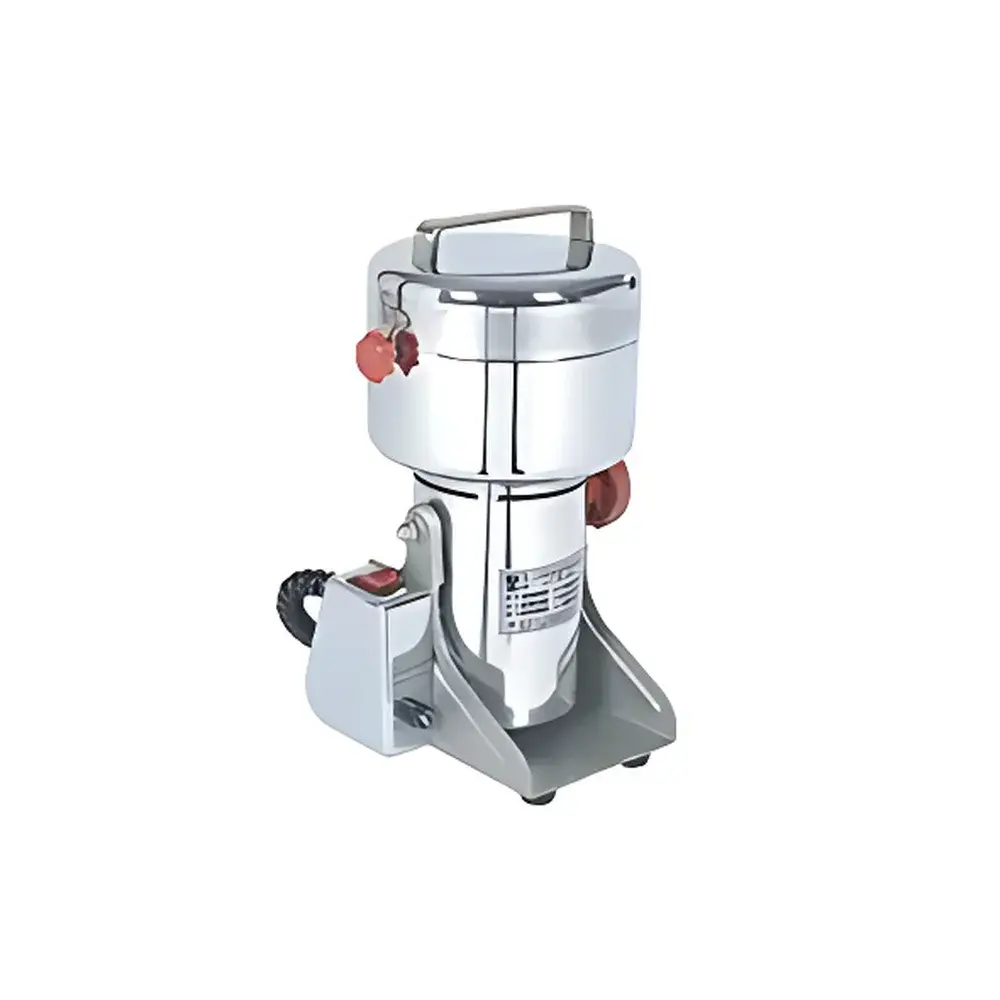
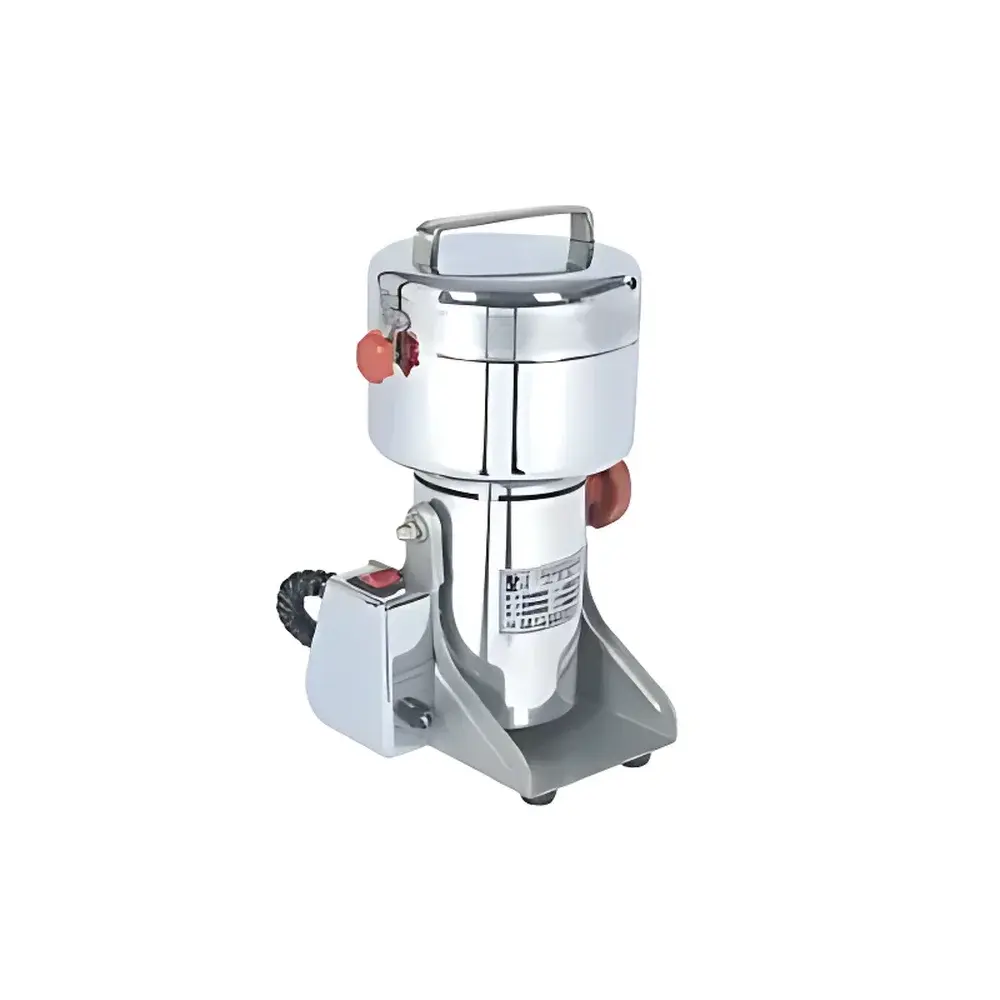
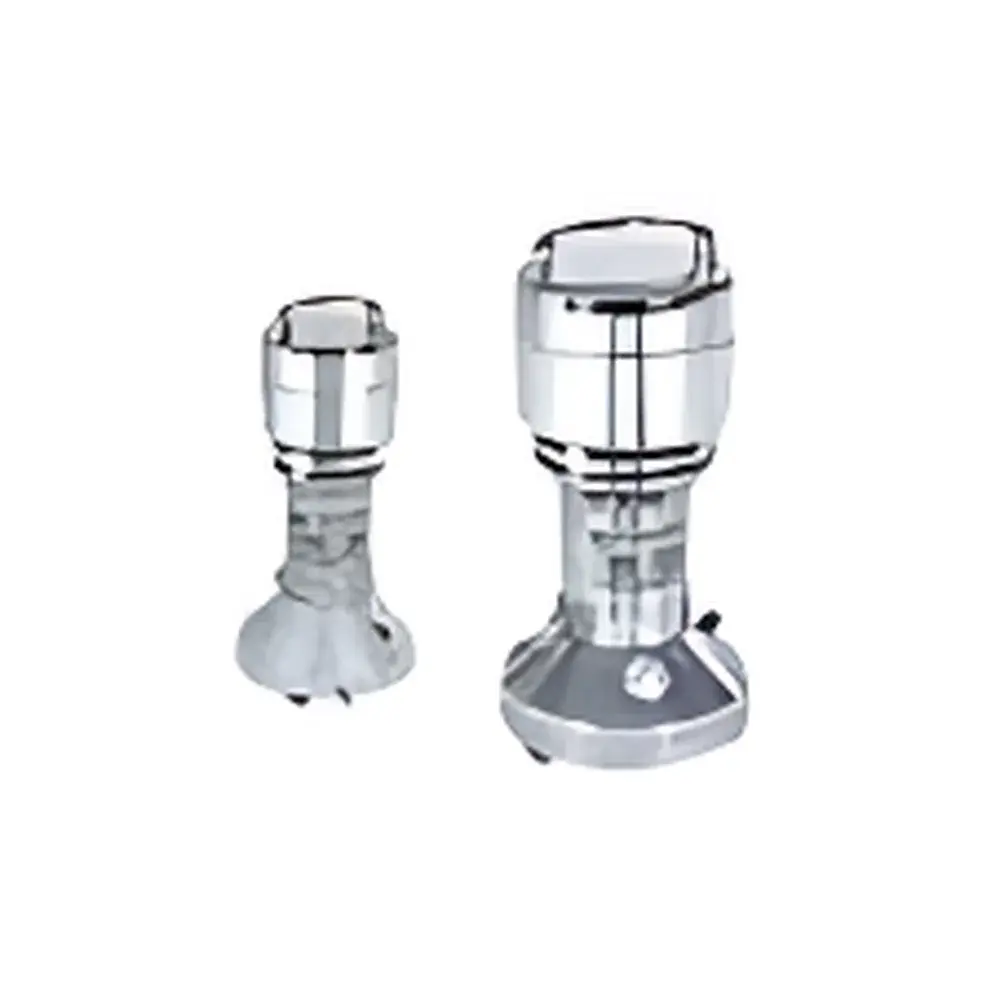
Hanuo DFY-1000C Oscillating Crusher
| Brand | Hanuo |
|---|---|
| Origin | Shanghai, China |
| Model | DFY-1000C |
| Instrument Type | Oscillating Crusher |
| Sample Applicability | Hard and brittle solids |
| Feed Size | < 15 mm |
| Output Particle Size | 0.01–0.5 mm (equivalent to 200 mesh) |
| Batch Capacity | 1000 g |
| Motor Power | 2000 W |
| Motor Speed | 25,000 rpm |
| Grinding Bowl Dimensions | 211 × 153 mm |
| Overall Dimensions | 23 × 23 × 46 cm |
Overview
The Hanuo DFY-1000C Oscillating Crusher is a high-capacity, mechanically driven laboratory crushing device engineered for consistent size reduction of hard, brittle, and moderately tough solid samples. It operates on the principle of high-frequency oscillatory motion—where a rapidly rotating eccentric shaft induces controlled lateral vibration in a hardened steel grinding bowl—generating repeated impact and shear forces between the sample and the bowl’s inner surface. Unlike rotary grinders or jaw crushers, this oscillating architecture minimizes heat buildup and avoids mechanical attrition of the grinding media, making it especially suitable for temperature-sensitive or contamination-prone applications. Designed for routine use in quality control labs, materials science research, pharmaceutical pre-formulation, and geological sample preparation, the DFY-1000C delivers reproducible particle size distributions without requiring cryogenic assistance or auxiliary sieving steps.
Key Features
- Robust 2000 W brushless motor with stable 25,000 rpm operation, ensuring high torque delivery across extended duty cycles.
- Large-capacity stainless-steel grinding bowl (211 × 153 mm) with hardened interior surface, optimized for uniform energy transfer and minimal residue retention.
- Precision-engineered oscillation mechanism delivering >95% particle size consistency within ±5% RSD (relative standard deviation) across replicate 1000 g batches.
- Adjustable retention time control via mechanical timer (0–99 min), enabling fine-tuning of fineness for diverse material classes (e.g., ceramics, minerals, polymers, dried botanicals).
- Integrated safety interlock system: automatic power cutoff upon lid disengagement or abnormal vibration detection per IEC 61000-6-2 EMC compliance requirements.
- Tool-free bowl removal and quick-release clamping design compliant with ISO 13857 ergonomic access standards.
Sample Compatibility & Compliance
The DFY-1000C accommodates a broad range of dry, non-fibrous, non-sticky solid materials—including silicates, metal oxides, pharmaceutical tablets, roasted coffee beans, and brittle polymers—with feed particle dimensions under 15 mm. It is not recommended for elastomeric, fibrous, oily, or hygroscopic samples without prior drying or pre-conditioning. The unit meets CE marking requirements for machinery (2006/42/EC), conforms to RoHS Directive 2011/65/EU for hazardous substance restrictions, and supports GLP-compliant documentation workflows when paired with external lab management systems. While not intrinsically rated for ATEX environments, its sealed motor housing and static-dissipative bowl assembly reduce ignition risk in standard analytical lab settings.
Software & Data Management
The DFY-1000C is a standalone electromechanical instrument with no embedded microprocessor or digital interface. All operational parameters—including run time, motor status, and cycle count—are monitored via analog indicators and mechanical dials. For audit-trail integrity in regulated environments (e.g., USP , FDA 21 CFR Part 11), users are advised to log operation records manually or integrate the unit into a validated LIMS using external sensors (e.g., current draw monitors, vibration transducers) and timestamped video capture. Calibration verification follows ASTM E11-22 for sieve analysis correlation; routine performance qualification includes output mesh distribution checks against certified reference standards (e.g., NIST SRM 1970).
Applications
- Preparation of homogenized mineral powders for X-ray fluorescence (XRF) and X-ray diffraction (XRD) analysis.
- Routine particle size reduction of excipients and active pharmaceutical ingredients (APIs) prior to dissolution testing per USP .
- Fragmentation of ceramic green bodies and sintered compacts for microstructural evaluation.
- Standardized comminution of geological core samples for geochemical assay protocols (e.g., ISO 13913).
- High-throughput feedstock conditioning in polymer recycling QA/QC laboratories.
FAQ
What types of materials are incompatible with the DFY-1000C?
Materials exhibiting high elasticity (e.g., rubber, silicone), fibrous morphology (e.g., cellulose pulp, plant stems), or significant moisture content (>5% w/w) may cause clogging, incomplete fragmentation, or excessive wear. Pre-drying to <2% moisture is strongly recommended.
Can the output particle size be verified traceably?
Yes—output fineness should be confirmed using certified test sieves per ISO 3310-1 or laser diffraction analyzers calibrated against NIST-traceable standards. The stated 200-mesh equivalence (74 µm) assumes optimal operating conditions and representative sampling.
Is routine maintenance required beyond cleaning?
Yes—monthly inspection of bowl integrity, eccentric shaft bearing play, and motor carbon brush wear (if applicable) is mandated by ISO 5388 maintenance guidelines. Lubrication intervals follow manufacturer-specified grease specifications (NLGI #2 lithium complex).
Does the DFY-1000C support GMP documentation requirements?
As a Class I mechanical device, it does not generate electronic records. However, its mechanical repeatability and physical logbook compatibility enable full integration into GMP workflows when supported by SOP-controlled operation, periodic PQ testing, and change control documentation.



