
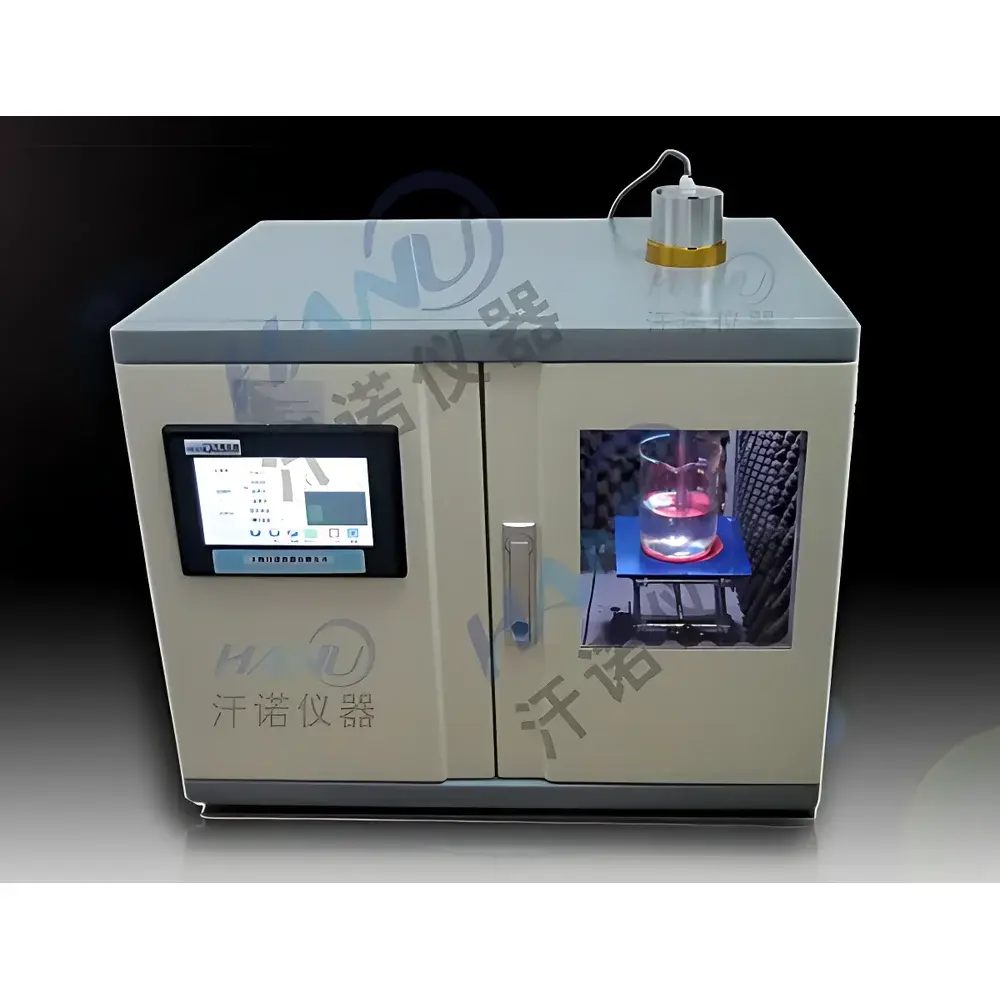
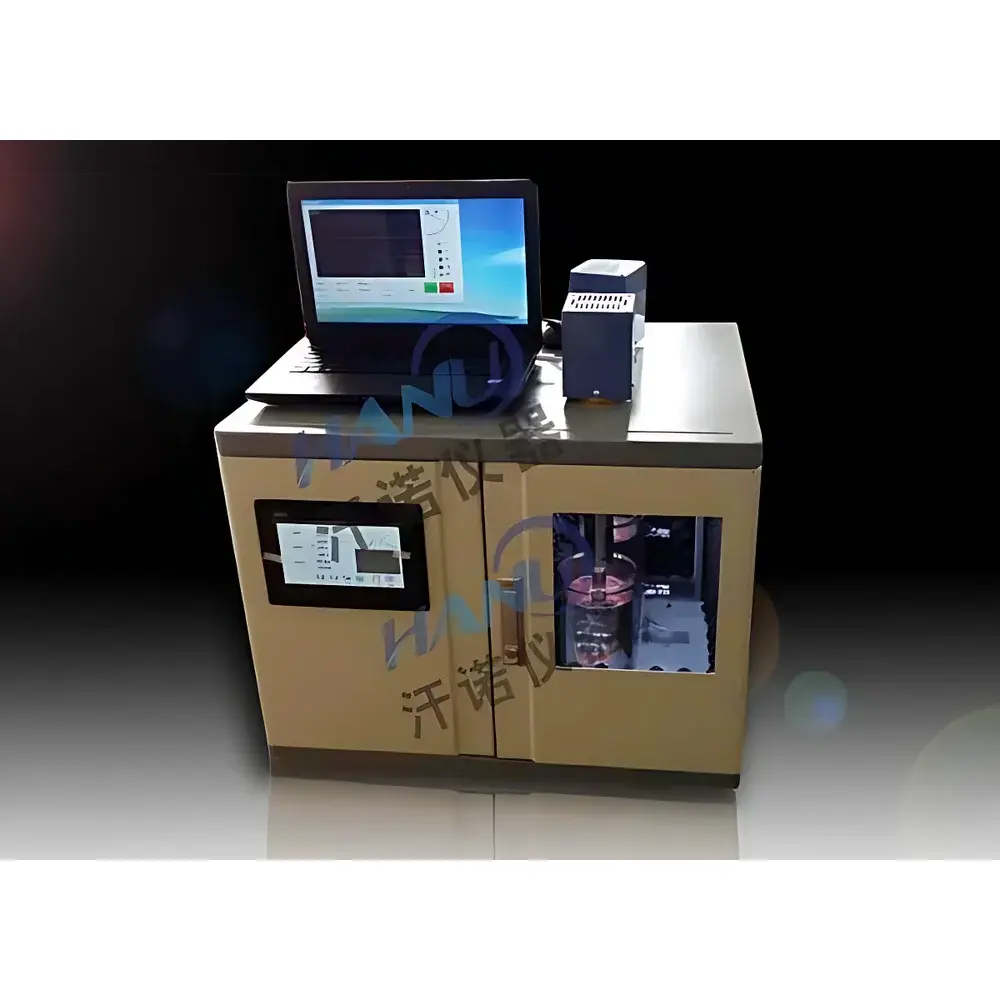
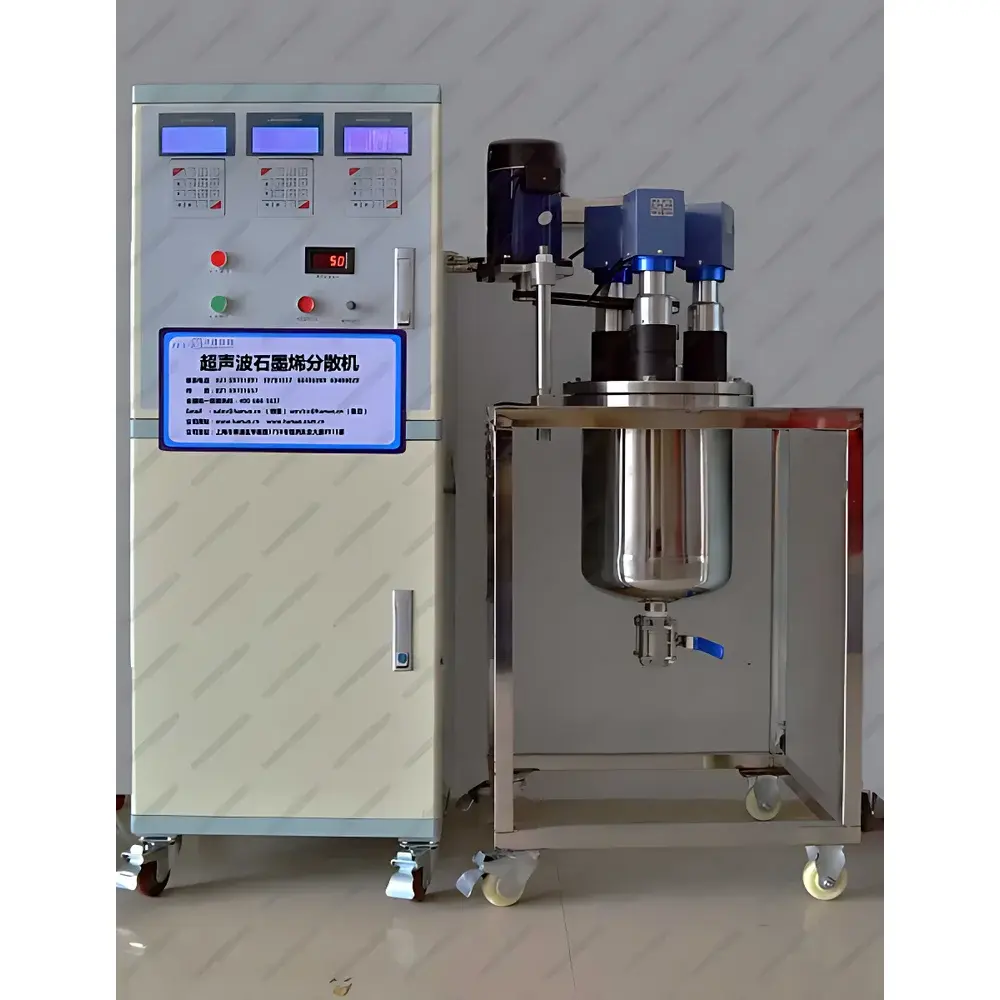
Hanuo HN-1000CT Benchtop Temperature-Controlled Ultrasonic Extractor
| Brand | Hanuo |
|---|---|
| Origin | Shanghai, China |
| Model | HN-1000CT |
| Ultrasonic Power | 1000 W (adjustable 10–1000 W) |
| Ultrasonic Frequency | 20 kHz (auto-tracking within 20–30 kHz range) |
| Temperature Control Range | −5 °C to 99.9 °C |
| Effective Sample Volume | 50–800 mL |
| Transducer Probe Diameter Options | 6, 8, 10, 12, or 15 mm (standard: 10 mm) |
| Display | 7-inch full-color touch screen |
| Control System | PLC or microcontroller-based |
| Safety Features | Overtemperature protection, fault self-diagnosis, password-protected operation |
| Optional Functions | Magnetic stirring (bottom-mounted), ultrasonic-assisted stirring, sterilization mode, PC communication interface |
Overview
The Hanuo HN-1000CT Benchtop Temperature-Controlled Ultrasonic Extractor is an engineered solution for precise, reproducible solid–liquid extraction in research and quality control laboratories. It operates on the principle of high-intensity focused ultrasound (HIU), generating cavitation bubbles in the solvent medium that collapse asymmetrically near solid surfaces—producing localized shockwaves, microstreaming, and enhanced mass transfer across phase boundaries. Unlike conventional heating-based extraction methods, this system decouples energy input (ultrasound) from thermal input (Peltier or immersion heater), enabling independent control of sonication intensity and bath temperature. This dual-control architecture is critical for thermolabile compounds—such as glycosides, alkaloids, polyphenols, and volatile oils—where degradation above 40 °C significantly compromises yield and structural integrity. The HN-1000CT is designed for batch-mode operation with fixed-probe (horn-type) sonication, delivering consistent acoustic energy density (W/mL) across small-volume samples (50–800 mL), making it suitable for method development, reference standard preparation, and phytochemical screening per pharmacopoeial guidelines (e.g., Chinese Pharmacopoeia ChP, USP , and ISO 17025-accredited workflows).
Key Features
- Intelligent 7-inch full-color touch interface with real-time dynamic ultrasonic waveform visualization—enabling immediate assessment of cavitation stability and transducer coupling efficiency.
- Microprocessor-controlled temperature regulation (±0.3 °C accuracy) using integrated Peltier cooling and resistive heating elements, supporting sub-zero extraction (−5 °C) for cold-sensitive analytes such as anthocyanins or labile enzymes.
- Adjustable ultrasonic power output (10–1000 W) with automatic frequency tracking (20–30 kHz) to maintain resonance under varying load conditions and solvent viscosity changes.
- Data logging capability with timestamped parameter storage (power, time, temperature, cycle count); up to 100 user-defined protocols with password protection (admin/user levels) compliant with GLP documentation requirements.
- Interchangeable titanium alloy probe tips (6–15 mm diameter) optimized for different sample volumes and matrix densities—minimizing tip erosion and ensuring acoustic energy transmission consistency over extended use.
- Integrated safety architecture including overtemperature cutoff, transducer overcurrent detection, open-circuit monitoring, and automatic shutdown upon lid opening or probe disengagement.
Sample Compatibility & Compliance
The HN-1000CT accommodates both volatile (e.g., ethanol, acetone, ethyl acetate) and non-volatile (e.g., water, glycerol, propylene glycol) solvents without requiring sealed vessels, provided appropriate fume hood ventilation is maintained. Its design supports extraction of botanical matrices—including dried roots, leaves, seeds, and fungal mycelia—as well as synthetic polymers and environmental solid samples (soil, sediment). All wetted parts contact-grade 316 stainless steel and titanium alloy meet FDA-compliant material specifications. The instrument’s operational parameters align with ASTM D7457-22 (Standard Practice for Ultrasonic Extraction of Organic Compounds from Solid Matrices) and support validation protocols required under ISO/IEC 17025:2017 for accredited testing laboratories. Optional magnetic stirring integration enables homogeneous suspension of particulates during sonication—reducing boundary layer resistance and improving extraction kinetics.
Software & Data Management
The embedded control firmware supports audit-trail-enabled operation, recording operator ID, start/stop timestamps, parameter deviations, and error logs—fully traceable for 21 CFR Part 11 compliance when paired with optional PC-based software (via RS-232 or USB-to-serial interface). Export formats include CSV and XML for integration into LIMS environments. Remote monitoring and protocol synchronization are achievable through optional Ethernet connectivity modules. Firmware updates are performed via secure USB flash drive with digital signature verification to prevent unauthorized modification—ensuring long-term regulatory defensibility.
Applications
- Preparative extraction of bioactive constituents from traditional Chinese medicinal herbs (e.g., ginsenosides from Panax ginseng, berberine from Coptis chinensis).
- Residue analysis workflows for pesticide and veterinary drug determination in food and feed matrices (AOAC 2007.01-compatible).
- Development and optimization of green extraction protocols aligned with ICH Q5C and Q9 principles—reducing solvent consumption and energy demand versus Soxhlet or reflux methods.
- Cell lysis and intracellular metabolite recovery for untargeted metabolomics studies (e.g., plant secondary metabolites, microbial exudates).
- Standardization of herbal extracts for pharmacopeial monographs requiring quantitative assay by HPLC or UV-Vis.
FAQ
What is the maximum recommended sample volume for optimal cavitation efficiency?
For consistent energy distribution and minimal standing-wave interference, the HN-1000CT achieves highest reproducibility at 200–600 mL with the standard 10 mm probe. Volumes below 100 mL require probe immersion depth adjustment and reduced power settings to avoid excessive localized heating.
Can this system be used with flammable solvents?
Yes—provided operation occurs inside a certified Class I explosion-proof fume hood with static-dissipative grounding; solvent compatibility must be verified against probe material (Ti-6Al-4V) and gasket elastomers (FKM/Viton® standard).
Is calibration traceable to national standards?
Temperature sensors are factory-calibrated against NIST-traceable references; ultrasonic power calibration requires third-party acoustic calorimetry per IEC 61849—available through authorized service partners.
Does the system support continuous operation beyond 30 minutes?
Yes—duty cycle is rated for 100% continuous operation at ≤700 W; above this level, intermittent cycling (e.g., 5 min on / 1 min off) is recommended to sustain transducer longevity and thermal stability.
How is probe wear monitored and managed?
The system logs cumulative operating hours per probe ID; visual inspection for pitting or diameter reduction >5% warrants replacement. Titanium probes typically exceed 2,000 hours of service life under controlled pH and low-salt conditions.



