
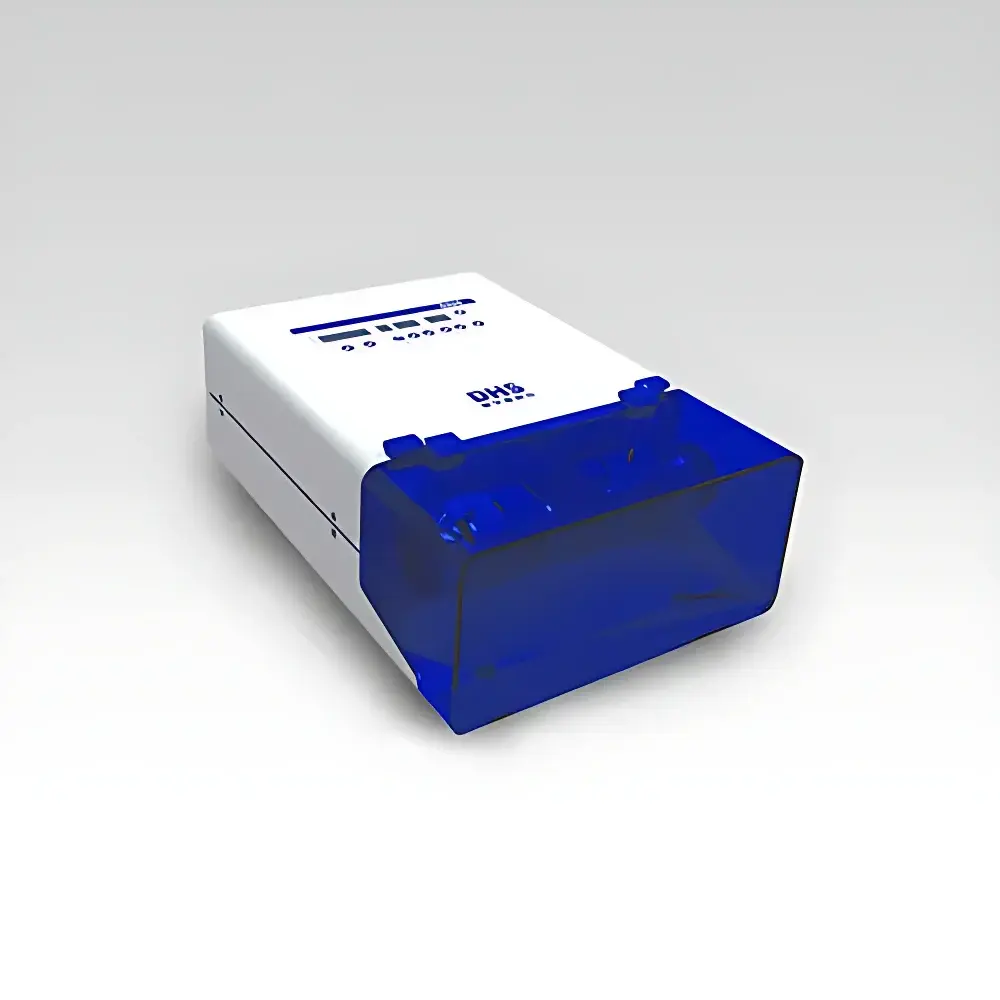
DHS TL2010S High-Throughput Tissue Grinder
| Brand | DHS |
|---|---|
| Model | TL2010S |
| Origin | Tianjin, China |
| Equipment Type | Benchtop Oscillating Tissue Grinder |
| Sample Compatibility | Soft, elastic, fibrous, brittle, and moderately hard biological tissues |
| Input Particle Size | ≤ 8 mm |
| Output Particle Size | 0.01–0.5 mm (dry) / down to 5 µm (with optimized wet grinding) |
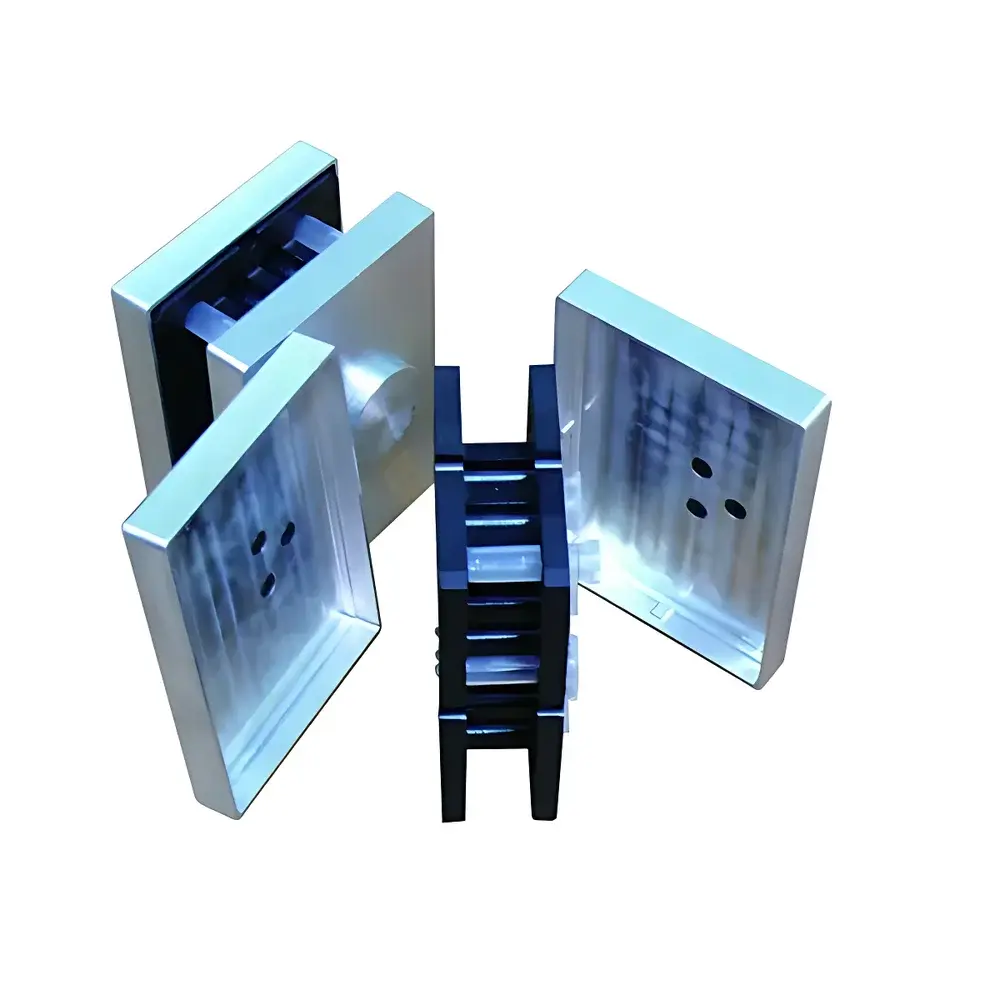
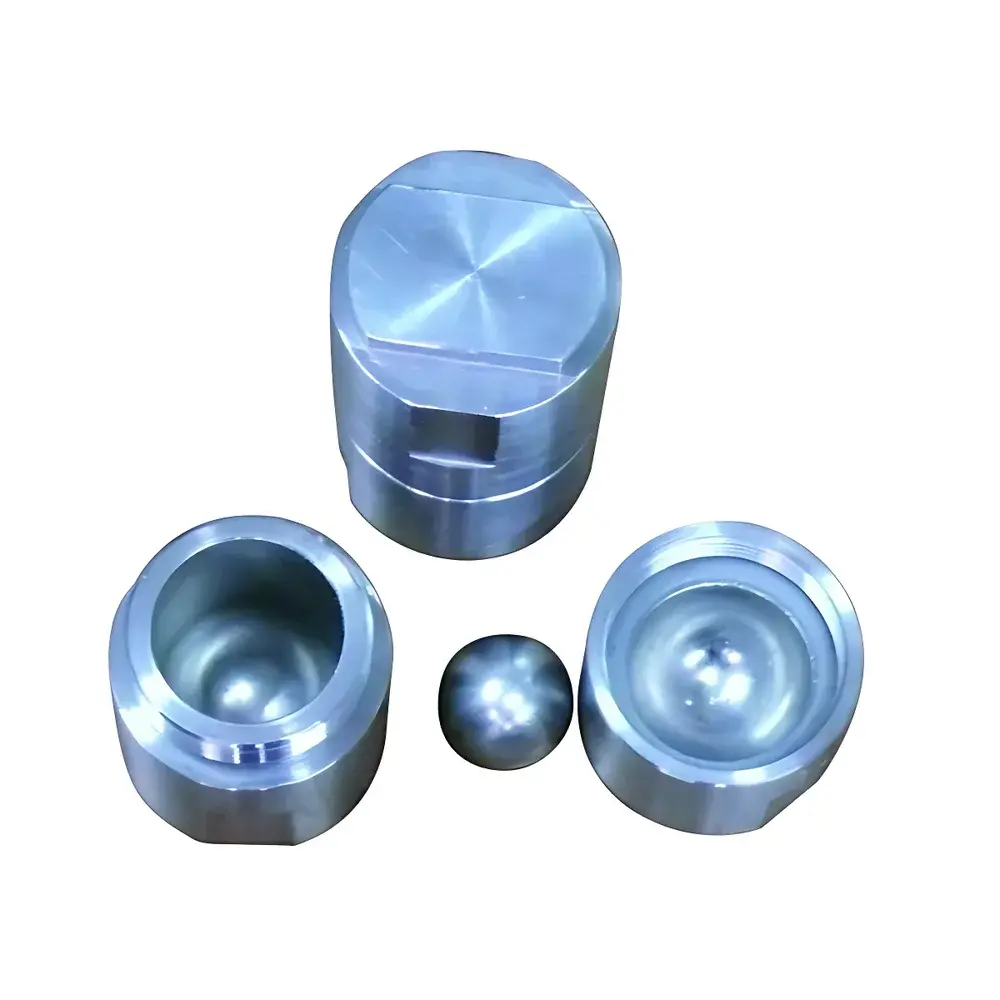
| Batch Capacity | Up to 24 × 2.0 mL tubes, 10 × 5.0 mL tubes, or 2 × 15 mL stainless steel grinding jars |
| Oscillation Frequency | 100–2000 cycles/min (adjustable) |
| Programmable Parameters | Grinding time, rest interval, and cycle count |
| Dimensions (W×D×H) | 300 × 160 × 450 mm |
| Safety | Integrated mechanical lid-locking system with automatic power cutoff |
Overview
The DHS TL2010S High-Throughput Tissue Grinder is a benchtop oscillating mill engineered for rapid, reproducible homogenization of diverse biological specimens—including soft mammalian tissues, plant material, fibrous muscle, and elastic or brittle samples—without significant thermal degradation. It operates on the principle of high-frequency horizontal reciprocating motion, generating controlled impact and shear forces between grinding media (e.g., stainless steel or ceramic beads) and sample material inside sealed tubes or jars. Unlike rotary or rotor-stator systems, this oscillation-based architecture minimizes localized heating and preserves labile biomolecules such as RNA, proteins, and metabolites—making it suitable for downstream applications in genomics, proteomics, and clinical diagnostics. Its compact footprint and modular tube/jar configuration support walk-up operation in high-volume core facilities and regulated QC laboratories.
Key Features
- Three-tier sample holder compatibility: Supports simultaneous processing of up to 24 × 2.0 mL microcentrifuge tubes, 10 × 5.0 mL tubes, or 2 × 15 mL stainless steel grinding jars—enabling flexible throughput scaling.
- Precisely adjustable oscillation frequency (100–2000 cycles/min), allowing optimization for sample hardness, viscosity, and desired particle size distribution.
- Fully programmable protocol engine: Users define grinding duration, inter-cycle rest periods, and total cycle count—critical for method standardization and inter-laboratory reproducibility.
- Integrated mechanical safety interlock: Lid must be fully engaged and locked before operation; motor automatically de-energizes if lid is opened mid-run.
- Dual-mode operation: Compatible with both dry grinding (for powder preparation) and wet grinding (in aqueous or cryogenic buffers), supporting protocols requiring temperature control or chemical stabilization.
- Robust stainless steel housing and vibration-dampened base ensure long-term mechanical stability and low operational noise (<65 dB(A) at 1 m).
Sample Compatibility & Compliance
The TL2010S accommodates a broad spectrum of biological matrices—soft tissues (liver, brain), fibrous samples (leaf, root), elastic materials (tendon, cartilage), and brittle specimens (bone chips, dried plant matter)—provided initial particle size remains ≤8 mm. Grinding efficiency and final particle size (0.01–0.5 mm nominal; down to 5 µm under optimized wet conditions with appropriate bead size and buffer) are influenced by sample moisture content, bead-to-sample ratio, and protocol parameters. The system complies with general electrical safety requirements per IEC 61010-1 and supports GLP/GMP-aligned workflows through traceable parameter logging (when used with optional external data capture). While not certified to ISO 13485 or FDA 21 CFR Part 11 out-of-the-box, its programmable, repeatable operation facilitates audit-ready documentation when integrated into validated laboratory information management systems (LIMS).
Software & Data Management
The TL2010S operates via an intuitive front-panel interface with LED display and tactile keypad—no PC connection required for routine use. All protocol settings (frequency, time, cycles, pause intervals) are stored in non-volatile memory and can be recalled via numeric ID. For laboratories requiring electronic record retention, the device supports manual entry of run metadata into LIMS or ELN platforms. Optional RS-232 or USB-to-serial adapters enable basic ASCII command-line control and timestamped event logging (start/stop, error codes), facilitating alignment with ALCOA+ data integrity principles in regulated environments.
Applications
- Routine tissue homogenization prior to nucleic acid extraction (DNA/RNA isolation from frozen or FFPE samples)
- Protein extraction from muscle, adipose, or fibrous tissues with minimal denaturation
- Preparation of uniform particulate standards for analytical method development (e.g., HPLC, LC-MS)
- Cell lysis optimization studies requiring mechanical disruption without enzymatic or detergent bias
- High-throughput sample prep in biobanking, clinical trial cohorts, and agricultural phenotyping pipelines
- Grinding of botanicals and herbal matrices for phytochemical analysis
FAQ
What types of grinding media are compatible with the TL2010S?
Stainless steel, zirconia, tungsten carbide, and chrome steel beads (0.5–4.0 mm diameter) are commonly used. Selection depends on sample type, desired fineness, and downstream compatibility (e.g., avoiding metal contamination in ICP-MS workflows).
Can the TL2010S be operated at sub-zero temperatures?
Yes—when placed inside a cold room or environmental chamber (−20 °C), and using cryo-compatible tubes and beads. Pre-chilling samples and media is recommended to suppress enzymatic activity during homogenization.
Is validation support available for GxP environments?
DHS provides basic IQ/OQ documentation templates. Full PQ execution requires site-specific testing per ASTM E2500 or ISO/IEC 17025 guidelines, including precision, accuracy, and robustness assessment across defined operating ranges.
How often does the drive mechanism require maintenance?
Under normal use (≤8 hrs/day), the brushless DC motor and eccentric cam assembly require no scheduled lubrication or replacement for ≥10,000 hours. Annual visual inspection of mounting bolts and damping feet is recommended.
Does the instrument meet electromagnetic compatibility (EMC) standards for laboratory use?
It conforms to EN 61326-1:2013 for laboratory equipment in Class A industrial environments, with conducted and radiated emission limits verified per CISPR 11.



