
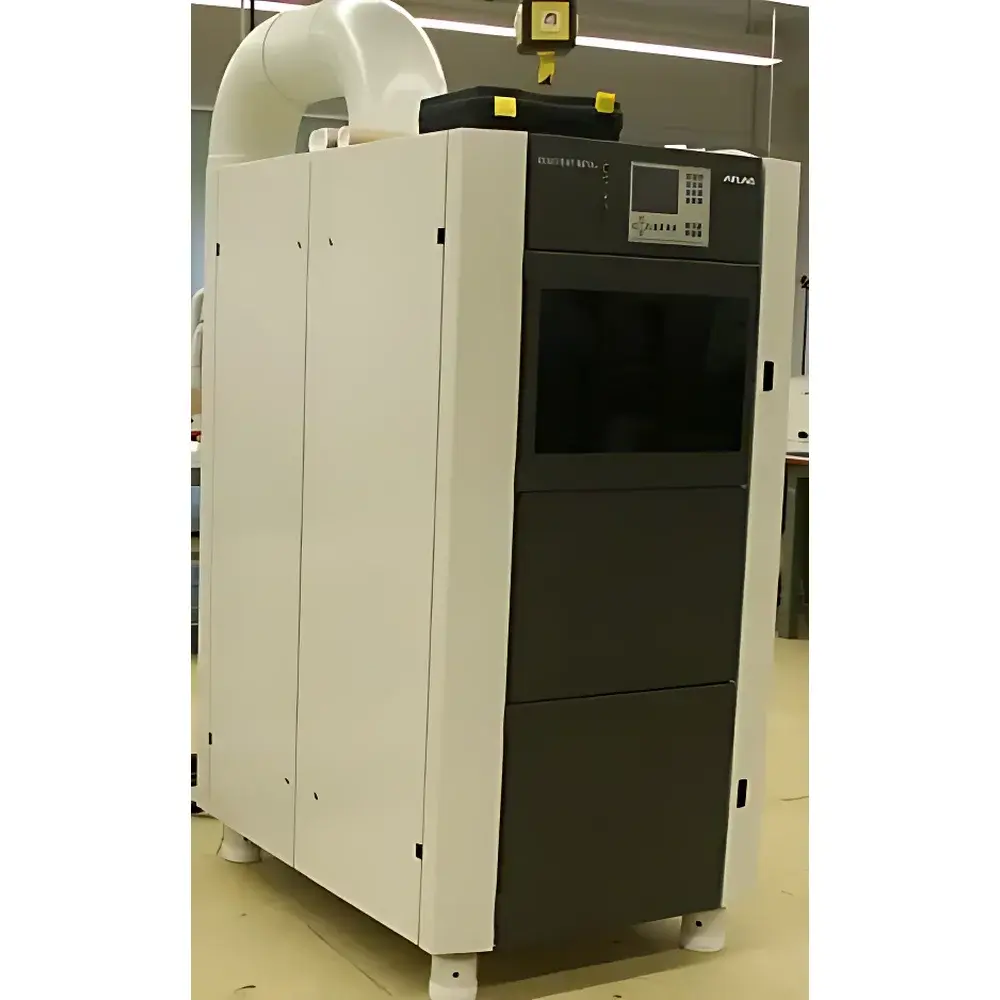
Xenon Arc Weathering Test Chamber BATA+ Series
| Origin | USA |
|---|---|
| Manufacturer Type | Authorized Distributor |
| Origin Category | Imported |
| Model | BATA+ |
| Pricing | Upon Request |
Overview
The BATA+ Series Xenon Arc Weathering Test Chamber is an engineered environmental simulation system designed to replicate the full solar spectrum—including UV, visible, and near-infrared radiation—using a high-intensity, stabilized xenon arc lamp. It operates on the principle of accelerated weathering via controlled irradiance exposure, enabling precise evaluation of material degradation mechanisms such as photolysis, oxidation, chalking, cracking, color fading, and gloss loss. Unlike fluorescent UV systems, the xenon arc source delivers a spectral power distribution closely matching natural sunlight (CIE No. 85, ISO 4892-2), making it the reference method for global regulatory compliance in lightfastness and durability testing. The chamber integrates proprietary optical filtering technology—including quartz inner filters and borosilicate outer filters—to tailor spectral output per application requirements (e.g., daylight, window-glass filtered, or extended UV). Its architecture supports long-term irradiance stability (< ±2% drift over 1,000 hours) and inter-unit reproducibility—critical for multi-site correlation studies and supplier qualification programs.
Key Features
- Air-cooled 2.75 kVA xenon lamp with adjustable power output (1.2–2.8 kW), enabling precise irradiance control across 30–120 W/m² (340 nm)
- Microprocessor-based controller with non-volatile memory for up to 10 independent test programs; each program supports up to 12 sequential stages with variable irradiance, temperature, humidity, and spray cycles
- Backlit LCD interface displaying real-time parameters: irradiance (W/m²), black standard thermometer (BST) temperature, chamber air temperature, relative humidity, elapsed time, and cumulative radiant exposure (kJ/m²)
- Dual temperature control modes: BST temperature (40–130 °C) regulated via adjustable airflow volume, or chamber air temperature (30–70 °C) maintained by PID-controlled heating/cooling system
- Automated termination logic based on user-defined criteria: total irradiation dose (kJ/m²), elapsed test duration (hours), or cumulative exposure time at target irradiance
- Onboard diagnostic display with fault codes and self-calibration routine for irradiance sensor verification using integrated reference photodiode
- 16-position sample rack accommodating specimens up to 310 × 80 mm (295 × 70 mm exposed area), totaling 4,000 cm² maximum exposure surface; optional rotating rack available for uniform angular exposure
- Long-life optical filter sets (quartz + borosilicate) certified for >2,000 hours of continuous operation without spectral shift beyond ASTM G155 Class A tolerances
Sample Compatibility & Compliance
The BATA+ series accommodates rigid and flexible flat specimens—including films, coatings, textiles, plastics, composites, and packaging substrates—without requiring vacuum fixation or edge masking. Its standardized sample geometry (310 × 80 mm) aligns with ISO 11341, ISO 4892-2, ASTM D4329, ASTM D2565, AATCC TM16, and EN ISO 105-B02 protocols. Filter configurations support both “Daylight-Q” (full-spectrum) and “Window-Glass-Q” (cut-off at ~295 nm) spectral profiles, ensuring equivalence to indoor and outdoor service conditions. All operational parameters—including irradiance uniformity (±10% across exposure plane), humidity control accuracy (±3% RH), and temperature ramp rate (≤1.5 °C/min)—are validated per IEC 60068-2-5 and ISO 17025-accredited procedures. The system meets mechanical safety standards (IEC 61000-6-2/6-4) and is compatible with GLP-compliant audit trails when integrated with optional data logging software.
Software & Data Management
While the embedded controller provides standalone operation, optional Ethernet-enabled PC software enables remote monitoring, real-time graphing of all sensor outputs, automated report generation (PDF/CSV), and secure data archiving. The software supports 21 CFR Part 11-compliant user access controls (role-based permissions), electronic signatures, and immutable audit logs—including operator ID, parameter changes, calibration events, and alarm history. Exported datasets conform to ASTM E2098 metadata conventions, facilitating direct import into LIMS platforms or statistical process control (SPC) tools for trend analysis across production lots or supplier benchmarks.
Applications
- Food & beverage packaging: Accelerated shelf-life assessment of PET bottles, aluminum cans, laminated cartons under retail lighting and ambient UV exposure
- Automotive interior materials: Evaluation of dashboard polymers, seat fabrics, and trim coatings per SAE J2412 and GMW14124
- Architectural coatings: Correlation of laboratory exposure to field performance of acrylic, silicone, and fluoropolymer-based façade systems
- Textile dye stability: ISO 105-B02-compliant colorfastness testing for apparel, upholstery, and technical fabrics
- Photovoltaic encapsulants: UV resistance validation of EVA, POE, and silicone gels used in solar module lamination
- Pharmaceutical primary packaging: Light-induced degradation screening of HDPE vials and blister foils per ICH Q1B guidelines
FAQ
What spectral filters are included with the standard BATA+ configuration?
The base system ships with a daylight-filtered quartz/borosilicate combination meeting ISO 4892-2 “Option 1” requirements. Additional filter kits (e.g., window-glass, extended UV) are available as factory-installed options.
Is the chamber suitable for cyclic testing involving alternating light/dark and wet/dry phases?
Yes—the controller supports fully programmable multi-stage cycles integrating irradiance, temperature, RH, and spray activation with independent timing and setpoint definitions.
How is irradiance calibrated and maintained over time?
Each unit includes a NIST-traceable broadband radiometer. Users perform quarterly verification using the built-in self-calibration routine; annual recalibration by an ISO/IEC 17025-accredited service provider is recommended.
Can the system be integrated into an existing laboratory network for centralized monitoring?
Yes—Ethernet connectivity enables integration with building management systems (BMS) or enterprise lab infrastructure via Modbus TCP or HTTP API protocols.
What maintenance intervals are required for optimal performance?
Lamp replacement every 1,500–2,000 hours; filter inspection every 500 hours; air filter cleaning weekly; distilled water reservoir refill daily during active spray cycles.



