
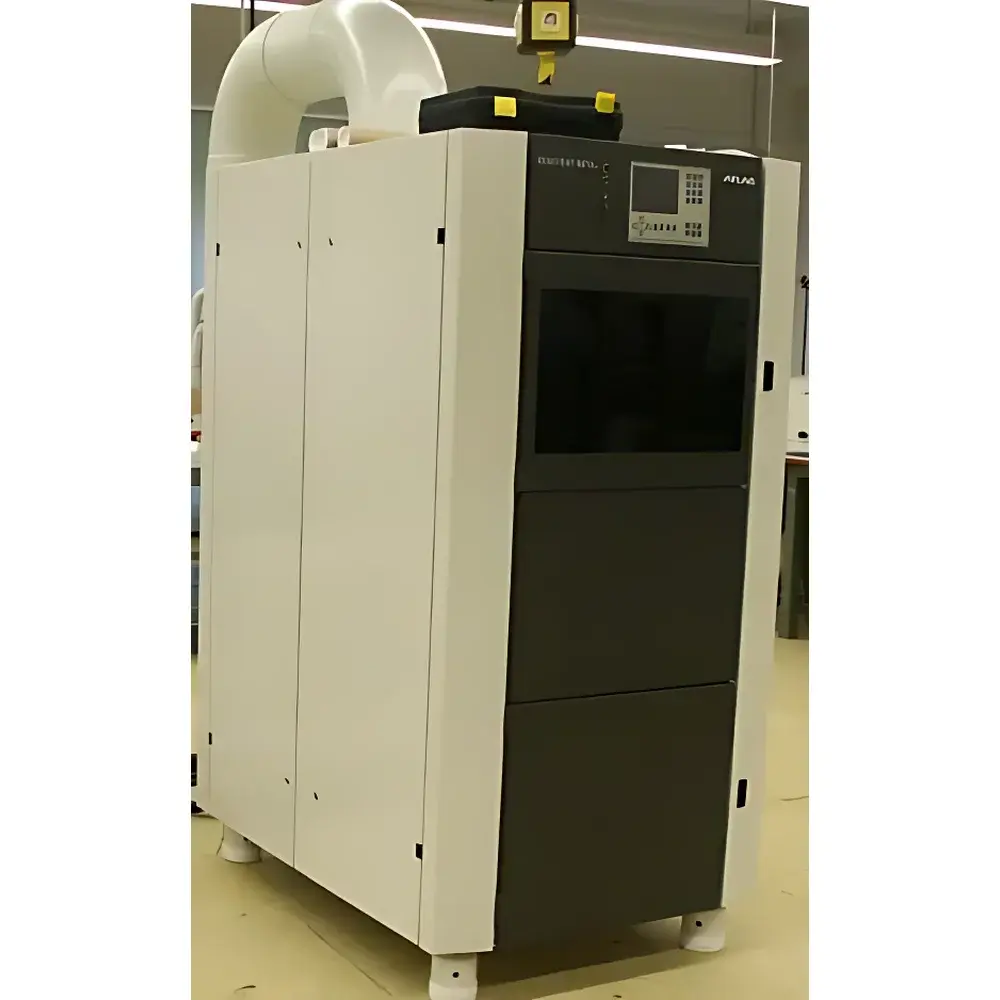
Xenon Arc Weathering Test Chamber BATA+ Series
| Origin | USA |
|---|---|
| Manufacturer Type | Authorized Distributor |
| Origin Category | Imported |
| Model | BATA+ |
| Pricing | Available Upon Request |
Overview
The BATA+ Series Xenon Arc Weathering Test Chamber is an engineered environmental simulation system designed to replicate the full-spectrum solar radiation, temperature, and humidity conditions that materials experience during outdoor exposure. Utilizing a high-stability, water-cooled xenon arc lamp with precisely calibrated spectral output—filtered through proprietary optical glass filters—the chamber delivers reproducible irradiance profiles compliant with ISO 4892-2, ASTM G155, ASTM D7869, and SAE J2527. Unlike broadband UV or fluorescent sources, the xenon arc lamp emits continuous spectrum energy from 290 nm to 800 nm, closely matching terrestrial sunlight after atmospheric filtration. This enables accurate prediction of photodegradation mechanisms—including polymer chain scission, pigment fading, coating chalking, and UV-induced crosslinking—across diverse material classes under controlled, repeatable laboratory conditions.
Key Features
- High-stability xenon lamp (rated up to 2.75 kVA) with lifetime spectral irradiance consistency across lamp batches—critical for inter-laboratory correlation and long-term aging studies.
- Modular optical filter system: Selectable borosilicate (Borosil), quartz (Quartz), or daylight (Daylight) filters to emulate specific end-use environments (e.g., indoor through window glass, direct desert sun, or automotive under-hood exposure).
- Programmable microprocessor controller supporting up to 10 stored test protocols, each with up to 12 independent stages—enabling complex cycles combining irradiance ramping, temperature/humidity transitions, dark periods, and spray intervals.
- Dual temperature control modes: Black Standard Thermometer (BST) or chamber air temperature—both regulated via precision PID algorithms and adjustable airflow modulation for BST stability.
- Automated termination logic: Tests conclude based on user-defined criteria—cumulative radiant exposure (kJ/m² @ 340 nm), total elapsed time, or irradiance duration—ensuring protocol compliance without manual intervention.
- Integrated self-calibration routine for irradiance sensor drift compensation and real-time diagnostic display for preventive maintenance planning.
- Large-capacity sample rack system: 16 fixed-position holders (310 × 80 mm per specimen) providing 4,000 cm² total exposure area; optional rotating carousel available for enhanced uniformity in heterogeneous samples.
Sample Compatibility & Compliance
The BATA+ accommodates rigid and flexible flat specimens—including coated metals, polymer films, textiles, printed packaging, automotive trim, and optical lenses—within standardized dimensions (295 × 70 mm exposed area). Its design conforms to global regulatory frameworks for material durability assessment: ISO 11341 (paints and varnishes), ISO 105-B02 (textile colorfastness), AATCC TM16 (lightfastness), and FDA-relevant stability testing requirements for pharmaceutical packaging per ICH Q1B. The chamber’s closed-loop humidity control (10–95% RH) and programmable water spray function support cyclic weathering protocols required by OEM specifications (e.g., Ford PV1303, GMW14124, VW TL226).
Software & Data Management
While the BATA+ operates via embedded firmware with LCD interface, it supports RS-232/RS-485 serial output for integration into centralized lab data acquisition systems. All operational parameters—including irradiance setpoint (W/m² @ 340 nm), BST temperature, chamber RH, spray timing, and cumulative dose—are timestamped and exportable as CSV files. For GLP/GMP environments, optional third-party SCADA software enables 21 CFR Part 11-compliant electronic signatures, audit trails, and role-based access control—ensuring traceability from test initiation to final report generation.
Applications
- Accelerated aging of food & beverage packaging (PET bottles, aluminum cans, laminated cartons) to assess barrier integrity and print adhesion under retail lighting conditions.
- UV stability evaluation of automotive interior materials (dashboards, seat fabrics, headliners) per OEM lightfastness specifications.
- Colorfastness validation of textile dyes, pigments, and inkjet inks per ISO 105-B02 and AATCC Method 16.
- Photostability testing of pharmaceutical primary packaging (blister foils, HDPE bottles) per ICH Q1B Option 2 (xenon lamp method).
- Weathering performance qualification of architectural coatings, elastomeric sealants, and photovoltaic encapsulants.
- Light-induced degradation analysis of optical adhesives, OLED substrates, and photoresists in R&D settings.
FAQ
What spectral filters are included standard with the BATA+?
The base configuration includes a Borosilicate outer filter (Borofloat®) and a Quartz inner filter—optimized for general-purpose daylight simulation per ISO 4892-2 Cycle 1. Additional filter sets (e.g., Daylight-Q/B, Window Glass-Q) are available as factory-installed options.
Is the chamber compatible with ASTM G155 Cycle 1 and Cycle 3?
Yes—the BATA+ supports both continuous irradiation (Cycle 1) and alternating light/dark + spray phases (Cycle 3) via programmable stage sequencing and independent spray valve control.
How often does the xenon lamp require replacement?
Lamp service life is rated at ≥1,500 hours at nominal 0.55 W/m² @ 340 nm irradiance; actual lifespan depends on operating power level, cooling efficiency, and cycling frequency.
Can the system be validated for IQ/OQ/PQ protocols?
Yes—full documentation packages including calibration certificates (NIST-traceable irradiance sensor), installation checklists, and operational qualification templates are provided for GxP-regulated laboratories.
What electrical infrastructure is required for installation?
A dedicated 3-phase 380 V ±10%, 50/60 Hz supply (CEE 32 A plug) with minimum 16 A circuit protection and proper PE grounding is mandatory; ambient ventilation must accommodate combined exhaust airflows of up to 300 m³/h.
Related Products



