
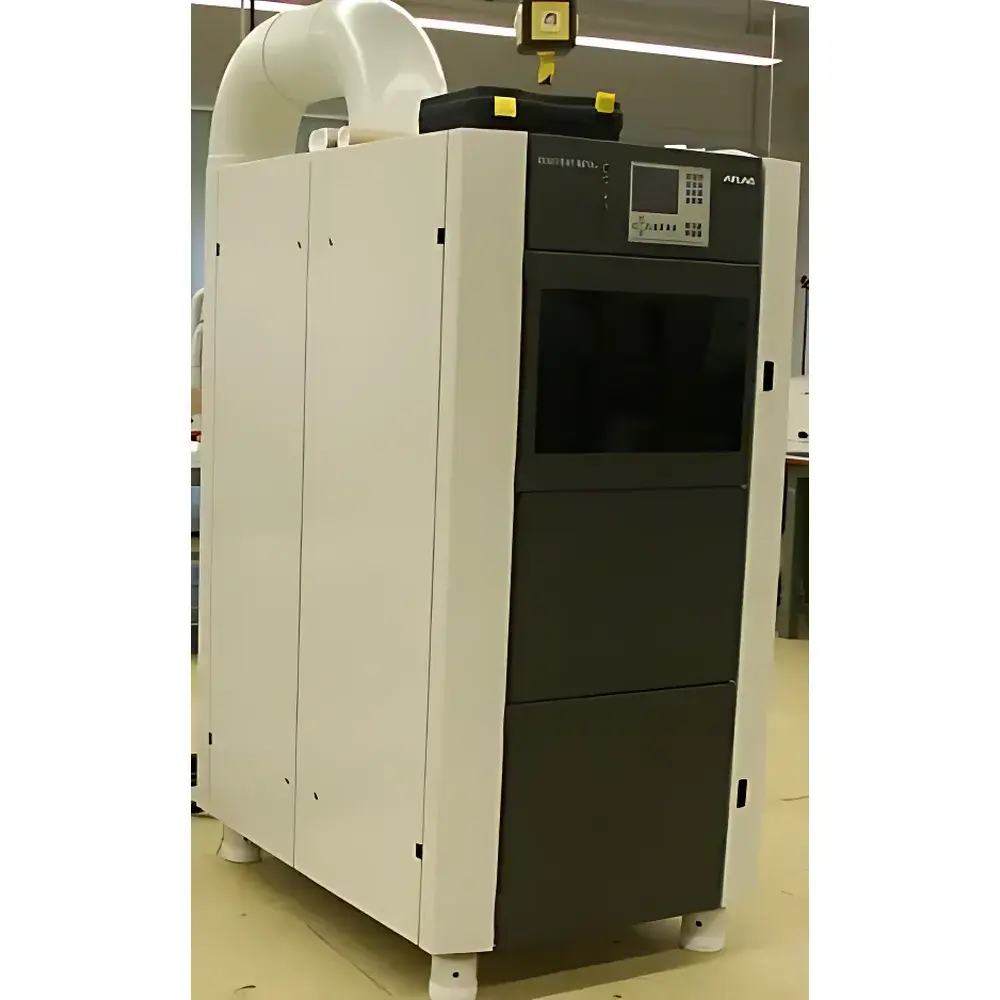
Xenon Arc Weathering Test Chamber BATA+ Series
| Origin | USA |
|---|---|
| Manufacturer Type | Authorized Distributor |
| Origin Category | Imported |
| Model | BATA+ |
| Pricing | Upon Request |
Overview
The BATA+ Series Xenon Arc Weathering Test Chamber is an engineered environmental simulation system designed to replicate the full solar spectrum—including UV, visible, and near-infrared radiation—using a high-intensity, stabilized xenon arc lamp. Based on ASTM G155, ISO 4892-2, and SAE J2527 test standards, this chamber enables accelerated weathering evaluation of materials exposed to outdoor conditions. Unlike fluorescent UV or metal halide sources, the xenon arc lamp delivers spectral power distribution closely matching terrestrial sunlight (AM1.5), making it the reference method for photostability, colorfastness, and polymer degradation studies. The system incorporates precision optical filtering to emulate various exposure environments—e.g., daylight through window glass (Borosilicate filter), direct sunlight (Quartz filter), or extended UV (UV-enhanced filter)—ensuring traceable correlation with real-world service life data.
Key Features
- Air-cooled xenon lamp with adjustable power output (1.2–2.8 kW), enabling precise irradiance control across standardized test protocols
- Microprocessor-based controller supporting up to 10 user-defined test programs, each configurable with up to 12 sequential stages (irradiance, temperature, humidity, spray cycles)
- Real-time LCD display showing irradiance (W/m² @ 340 nm or 420 nm), black standard thermometer (BST) temperature, chamber air temperature, relative humidity, and elapsed test time
- Dual temperature control modes: BST blackboard temperature (40–130 °C) regulated via adjustable airflow, or chamber air temperature (30–70 °C)
- Automated test termination based on cumulative radiant exposure (kJ/m²), total test duration, or preset irradiance duration
- Integrated self-calibration routine for irradiance sensor drift compensation, ensuring long-term measurement stability
- 16-position sample holder accommodating specimens up to 310 × 80 mm (295 × 70 mm exposed area), totaling 4000 cm² maximum exposure surface
- Long-life optical filters with minimal spectral shift over operational lifetime; compatible with optional rotating sample carousel for uniform exposure
Sample Compatibility & Compliance
The BATA+ Series accommodates rigid and flexible flat specimens—including films, coatings, textiles, automotive trim, packaging laminates, and printed inks—without requiring custom fixtures. Its design conforms to regulatory and industry-standard test methods including ASTM D2565 (plastics), ASTM D4303 (pigments), ISO 105-B02 (textile colorfastness), AATCC TM16 (lightfastness), and EN ISO 11341 (paints and varnishes). All control firmware and data logging functions support audit-ready operation under GLP and GMP frameworks. Optional data export (CSV/Excel) and password-protected user access levels align with FDA 21 CFR Part 11 requirements for electronic records and signatures.
Software & Data Management
While the BATA+ operates via embedded microcontroller with local LCD interface, optional PC connectivity (RS-232 or Ethernet) enables remote monitoring and data archiving using proprietary Windows-compatible software. This software logs timestamped irradiance, temperature, humidity, and spray events at user-defined intervals (1–60 sec), generates compliance reports per ISO/IEC 17025 documentation guidelines, and supports trend analysis across multiple test runs. All logged parameters are stored internally with battery-backed memory retention for ≥72 hours during power interruption. Diagnostic codes displayed on the LCD assist rapid troubleshooting without external tools.
Applications
- Accelerated aging of food and beverage packaging (PET bottles, aluminum cans, cartons) under simulated retail shelf lighting and ambient UV exposure
- Color stability assessment of automotive interior materials (dashboards, seat fabrics, trim plastics) per OEM specifications (e.g., Ford CETP, GMW14124)
- Photodegradation kinetics of organic pigments, UV stabilizers, and photoinitiators used in inkjet inks and functional coatings
- Weathering resistance validation of architectural coatings, roofing membranes, and geotextiles per ASTM D4798 and ISO 11341
- Lightfastness qualification of pharmaceutical packaging (blister foils, HDPE containers) per ICH Q1B guidance
- Outdoor durability benchmarking for solar reflectors, OLED encapsulation layers, and photovoltaic module backsheets
FAQ
What spectral filters are available for the BATA+ chamber, and how do they affect test relevance?
The system supports interchangeable optical filter sets: Daylight (Quartz), Window Glass (Borosilicate), and Extended UV (UV-Q). Filter selection determines spectral cutoff and irradiance profile—critical for correlating lab results with end-use environment (e.g., indoor vs. outdoor, behind glass vs. direct sun).
Can the BATA+ meet ASTM G155 Cycle 1 and Cycle 3 requirements?
Yes—the controller supports programmable irradiance ramping, dark periods, and synchronized water spray sequences required by all ASTM G155 exposure cycles, including continuous light, light/dark, and light/spray/dark configurations.
Is black standard thermometer (BST) temperature measurement traceable to NIST standards?
BST sensors are factory-calibrated against NIST-traceable reference thermometers; calibration certificates are provided with each unit and may be renewed annually per ISO/IEC 17025-accredited service providers.
What maintenance intervals are recommended for the xenon lamp and filters?
Lamp replacement is typically required every 1,500–2,000 hours of operation; optical filters should be inspected quarterly and replaced after 3,000 hours or upon visible discoloration or transmission loss exceeding 5%.



