
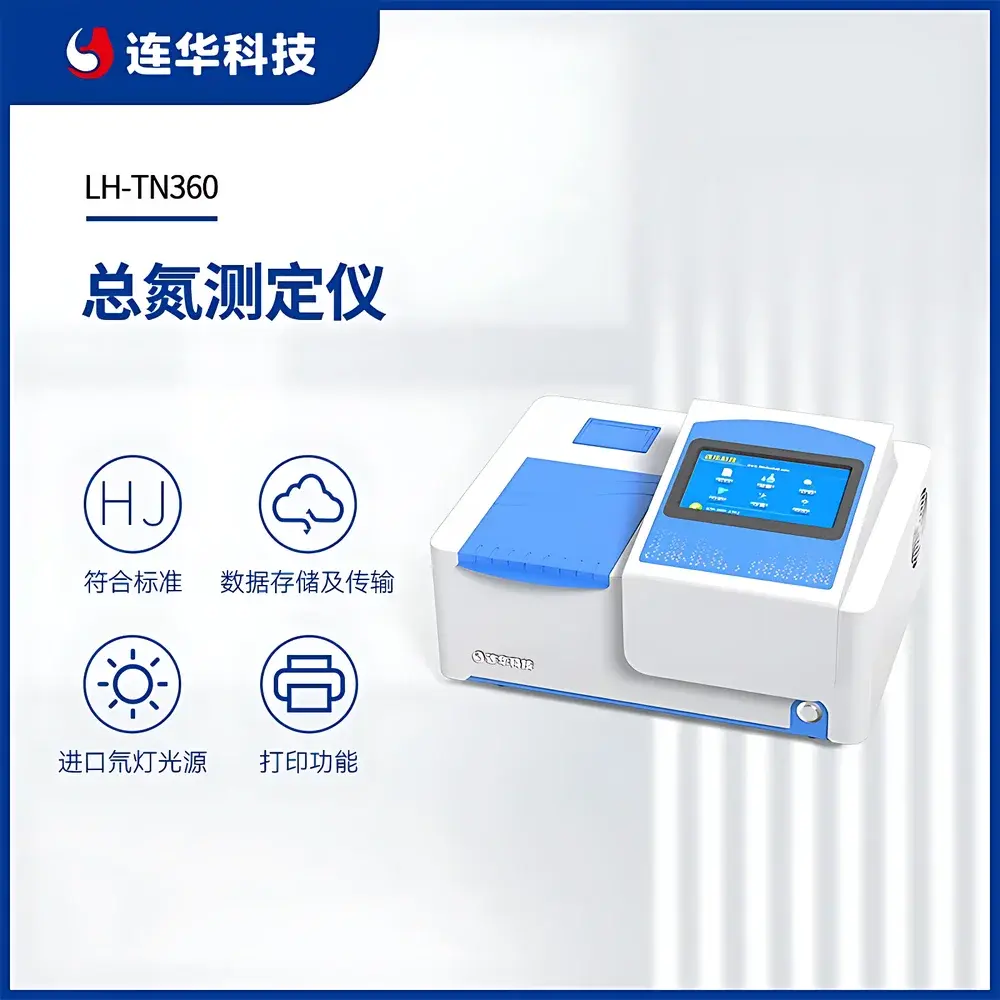
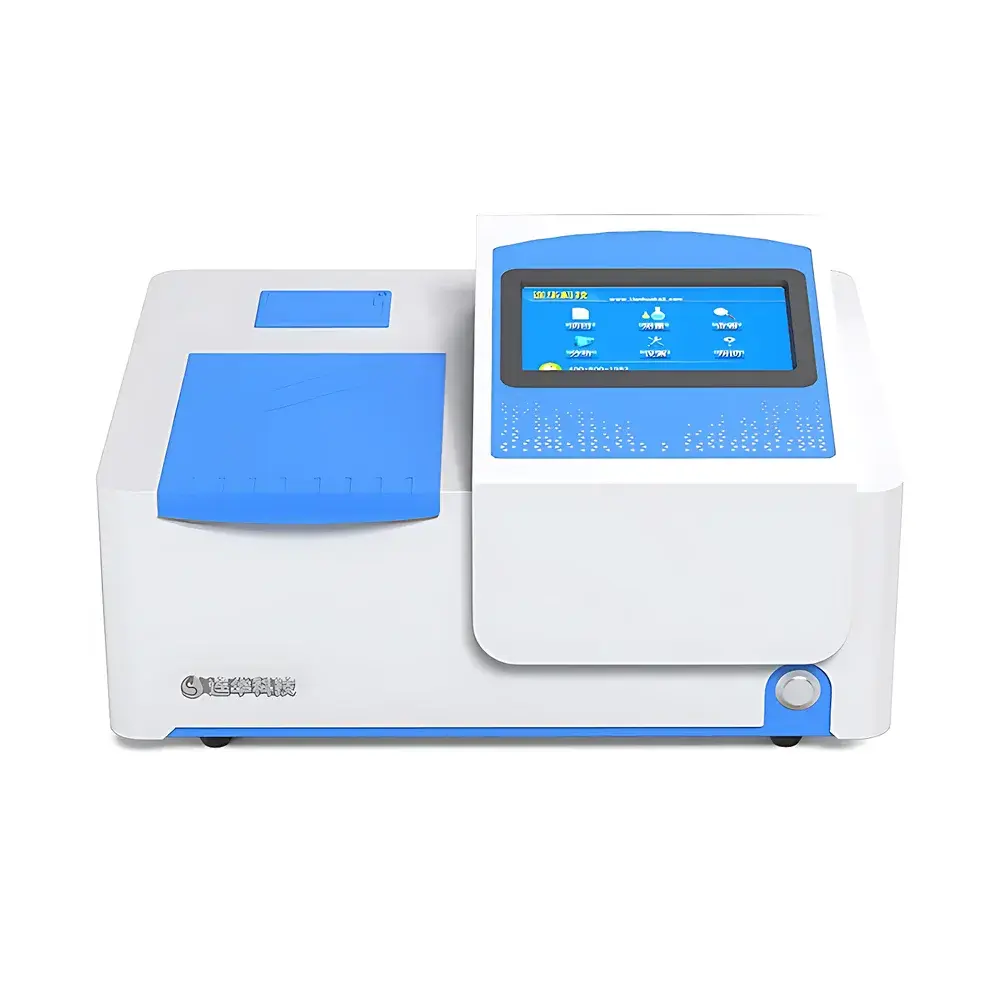
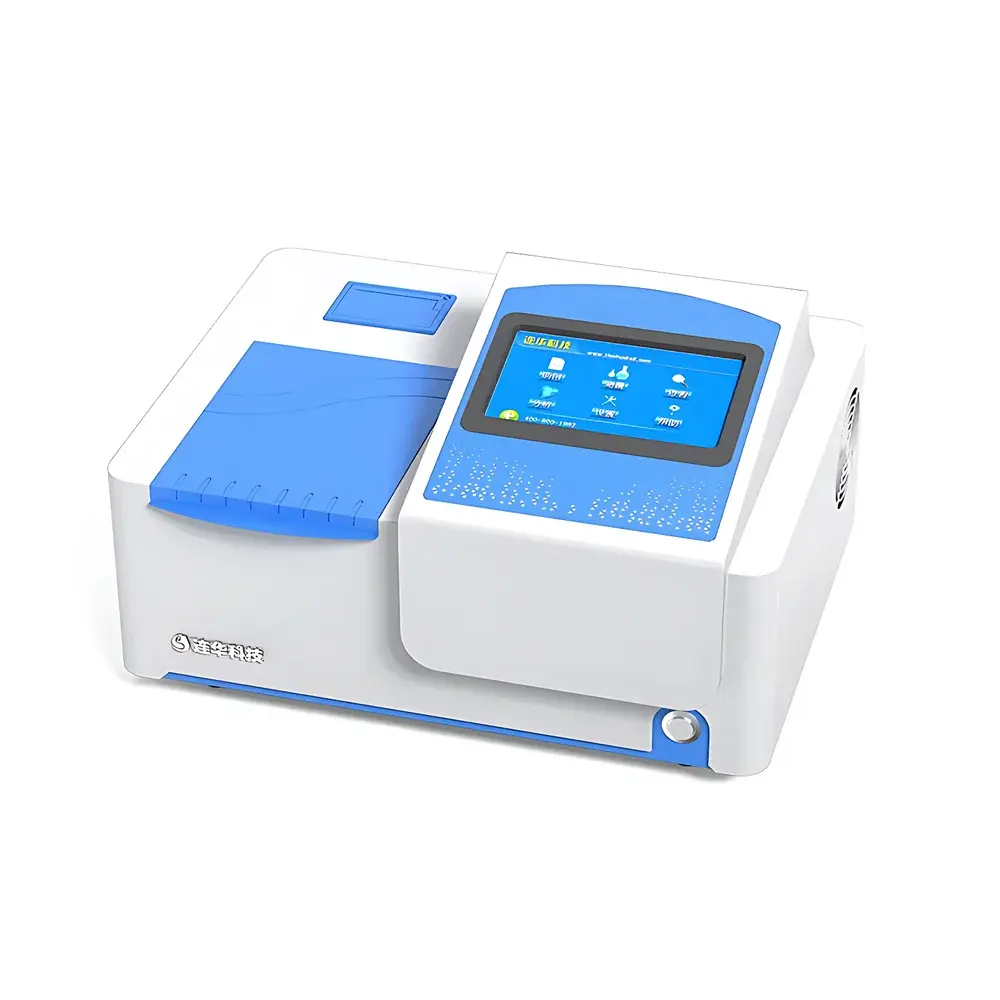
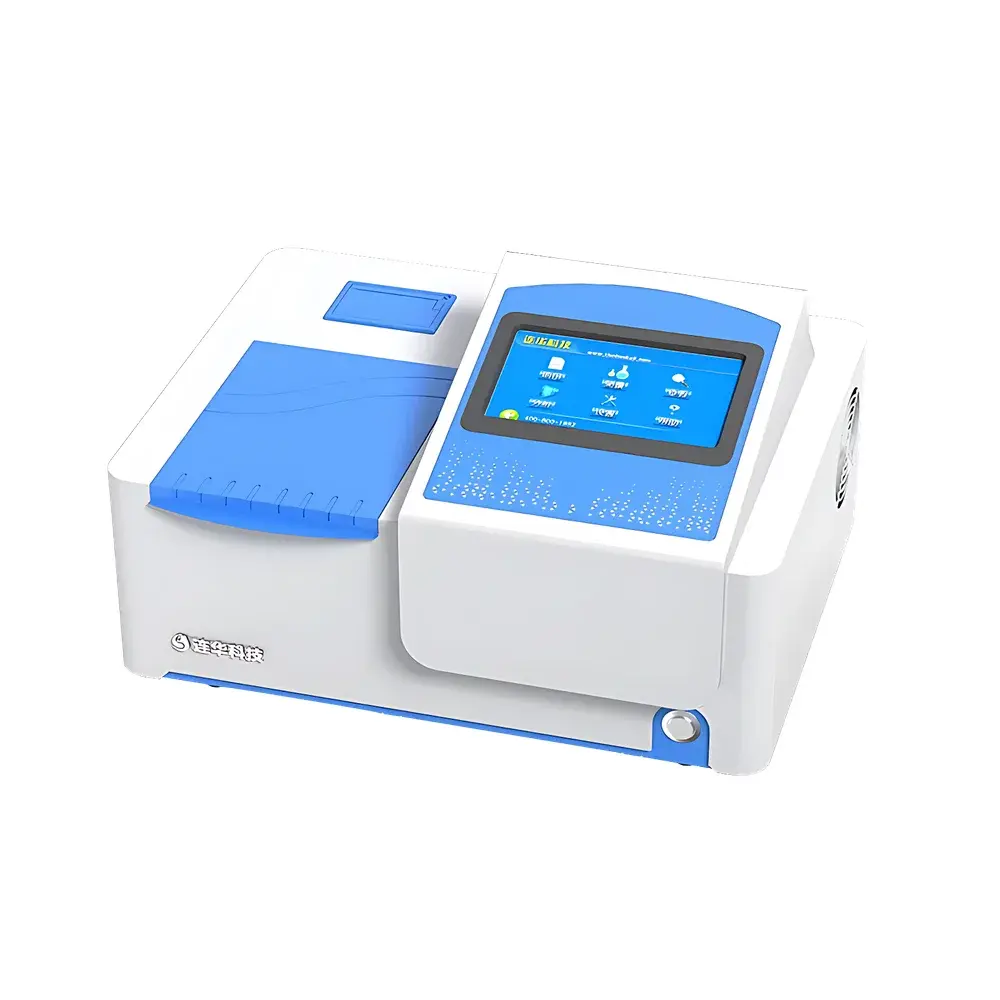
Lohand LH-TN360 Total Nitrogen Analyzer
| Brand | Lohand |
|---|---|
| Origin | Beijing, China |
| Manufacturer Type | Original Equipment Manufacturer (OEM) |
| Product Category | Domestic |
| Model | LH-TN360 |
| Measurement Parameter | Total Nitrogen (TN) |
| Instrument Type | Benchtop Laboratory Analyzer |
| Measurement Principle | UV Spectrophotometry after Alkaline Potassium Persulfate Digestion |
| Measurement Range | 0–100 mg/L as N |
| Accuracy | ≤ ±5% |
| Display | 7-inch Color TFT LCD with Optional Chinese/English UI |
| Data Storage | 5000 Sample Records with Power-Fail Protection |
| Calibration Curves | 25 Preloaded (20 Standard + 5 User-Fit) |
| Connectivity | USB 2.0, Infrared Interface, Optional Thermal Printer Support |
| Compliance | HJ 636–2012 |
Overview
The Lohand LH-TN360 Total Nitrogen Analyzer is a dedicated benchtop spectrophotometric system engineered for precise quantification of total nitrogen (TN) in freshwater, wastewater, surface water, and treated effluent samples. It implements the standardized alkaline potassium persulfate digestion method followed by ultraviolet (UV) absorbance measurement at 220 nm and 275 nm—fully compliant with China’s national environmental standard HJ 636–2012. This dual-wavelength correction approach compensates for interference from dissolved organic matter and nitrate absorption overlap, ensuring robust analytical performance in complex aqueous matrices. The instrument integrates a stable deuterium lamp source, thermally regulated optical path, and temperature-compensated photodetector array to maintain long-term photometric repeatability across laboratory shifts and seasonal ambient variations.
Key Features
- Regulatory-compliant digestion and detection workflow aligned with HJ 636–2012, supporting traceability in environmental monitoring programs and regulatory reporting.
- 7-inch high-resolution color TFT display with intuitive icon-driven navigation, offering real-time concentration readouts in mg/L N without manual calculation.
- Optical architecture featuring a precision deuterium lamp and optimized grating monochromator ensures consistent spectral output and low drift (<0.5% T/h at 220 nm).
- Preloaded calibration library comprising 20 factory-validated standard curves and 5 user-definable polynomial or linear-fit curves for method flexibility across diverse sample types.
- Integrated data integrity safeguards: non-volatile memory stores up to 5000 test records with timestamp, sample ID, wavelength, and raw absorbance values; power-fail protection prevents loss during unexpected shutdowns.
- On-device contextual help system provides step-by-step guidance for digestion protocol execution, cuvette handling, blanking procedures, and troubleshooting common interferences (e.g., turbidity, chloride, bromide).
Sample Compatibility & Compliance
The LH-TN360 accommodates standard 10 mm rectangular quartz or high-transmission glass cuvettes (10 × 10 × 45 mm), compatible with both liquid digested supernatants and pre-filtered samples (0.45 µm membrane filtration recommended). It supports routine analysis of municipal wastewater influent/effluent, river and lake water, industrial discharge streams, and drinking water treatment plant process samples. While HJ 636–2012 is its primary reference method, the instrument’s optical design and digestion protocol are functionally equivalent to EPA Method 351.2 and ISO 11905-1 for TN determination. Data export formats (CSV, TXT) facilitate integration into LIMS environments compliant with ISO/IEC 17025:2017 documentation requirements.
Software & Data Management
Instrument firmware includes embedded audit-trail functionality: all calibration events, curve modifications, and result deletions are time-stamped and logged with operator ID (if configured via external authentication). Data transfer occurs via USB mass-storage mode (no driver required) or infrared interface (IrDA 1.1 compliant), enabling direct import into Excel, LabArchives, or validated laboratory informatics platforms. Optional thermal printer support generates hard-copy reports including measurement date/time, digestion batch ID, wavelength pair used (220/275 nm), blank correction status, and calculated TN concentration with uncertainty estimate. All exported files retain metadata necessary for GLP-aligned record retention per CNAS-CL01:2018.
Applications
- Regulatory compliance monitoring for wastewater discharge permits under local environmental protection bureaus.
- Process control in municipal and industrial wastewater treatment plants, particularly for denitrification efficiency assessment.
- Research-grade nutrient loading studies in limnological and hydrological field campaigns.
- Quality assurance testing of reclaimed water and aquaculture supply sources.
- Educational laboratories requiring a cost-effective, standards-based platform for teaching advanced water chemistry principles.
FAQ
What digestion method does the LH-TN360 require?
It requires alkaline potassium persulfate digestion at 120–124 °C for 30 minutes, as specified in HJ 636–2012. No microwave or autoclave integration is provided; users must perform digestion externally using certified lab-grade digesters.
Can the instrument measure total phosphorus simultaneously?
No. The LH-TN360 is dedicated solely to total nitrogen analysis. For combined TN/TP workflows, Lohand offers parallel instruments (e.g., LH-TP360) with synchronized sample handling protocols.
Is the deuterium lamp user-replaceable?
Yes. The lamp module is field-serviceable with standard torque tools; typical lifetime exceeds 1,000 hours under continuous operation.
Does the system support 21 CFR Part 11 compliance?
The base firmware does not include electronic signature or role-based access control. However, when connected to a validated third-party LIMS with Part 11 extensions, full audit-trail and electronic record integrity can be maintained.
What is the minimum detectable concentration?
Based on HJ 636–2012 methodology and instrument noise characteristics, the practical limit of quantitation (LOQ) is 0.2 mg/L N at a signal-to-noise ratio ≥10, assuming optimal digestion recovery and low-turbidity samples.







