
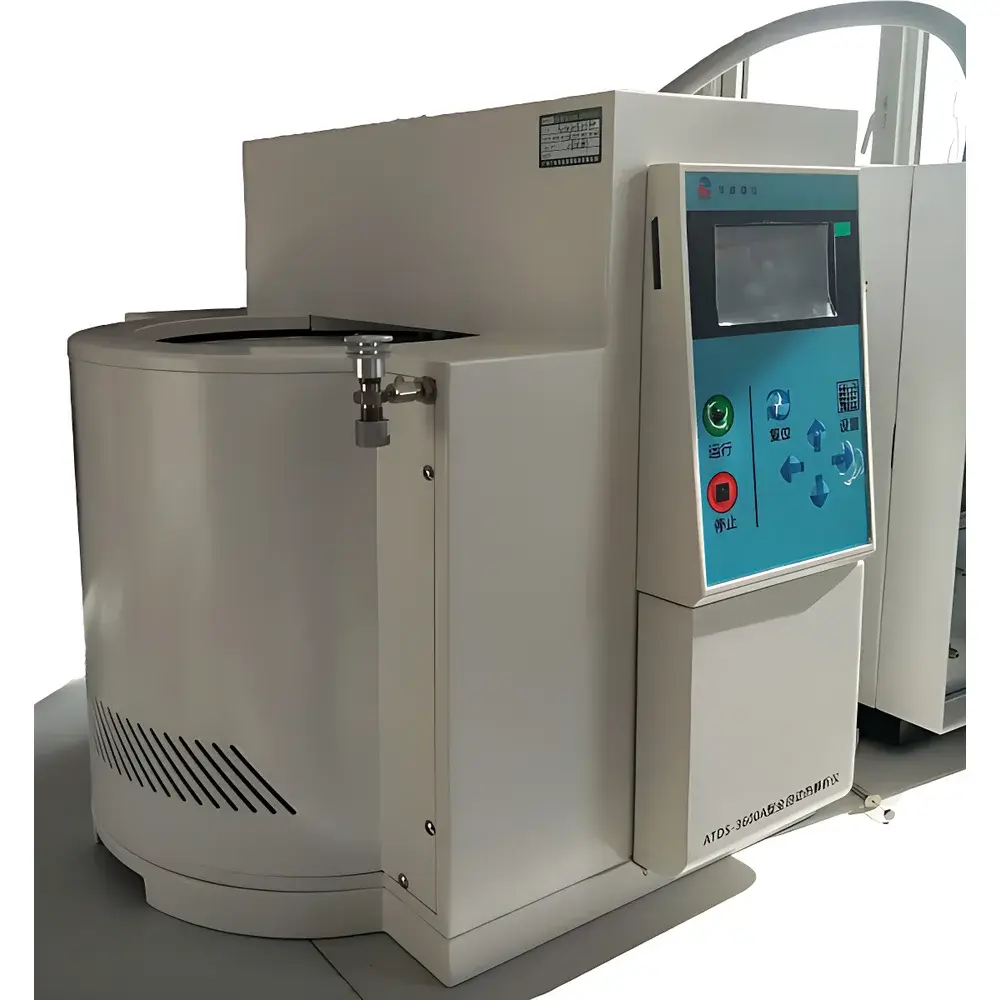
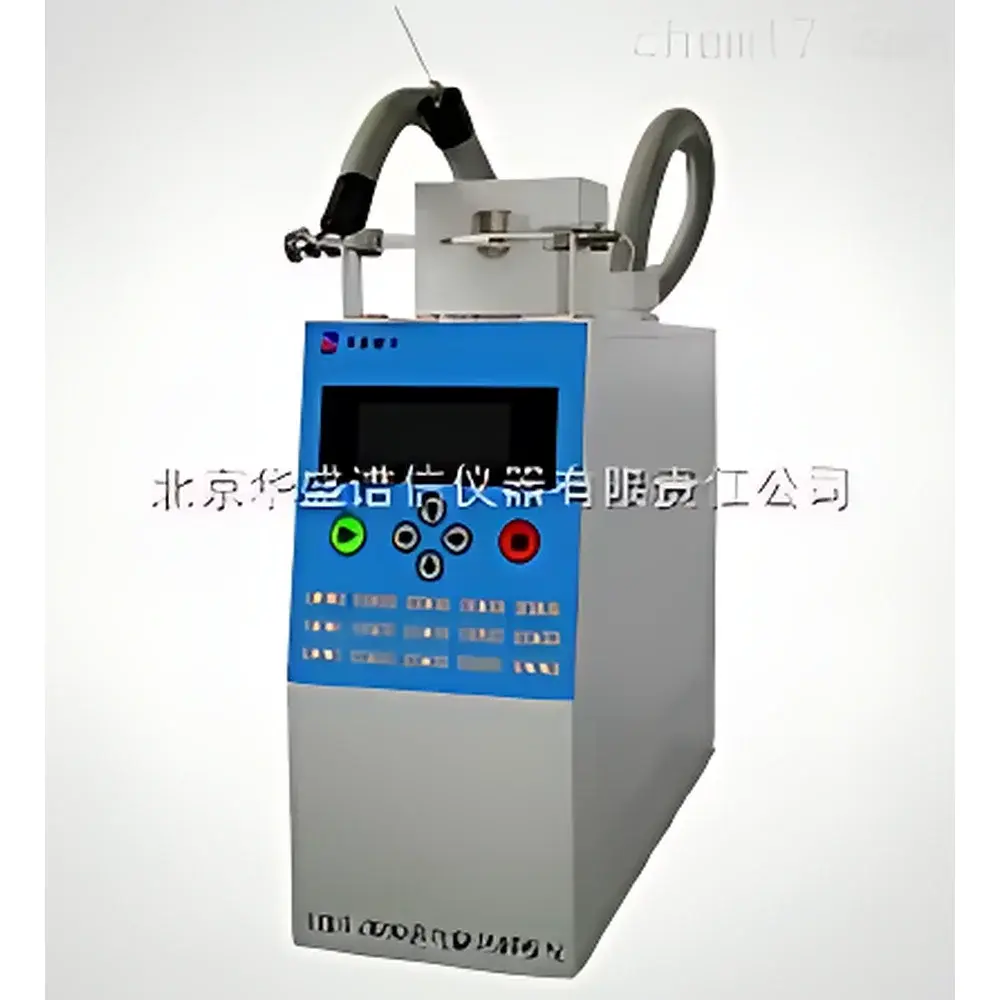
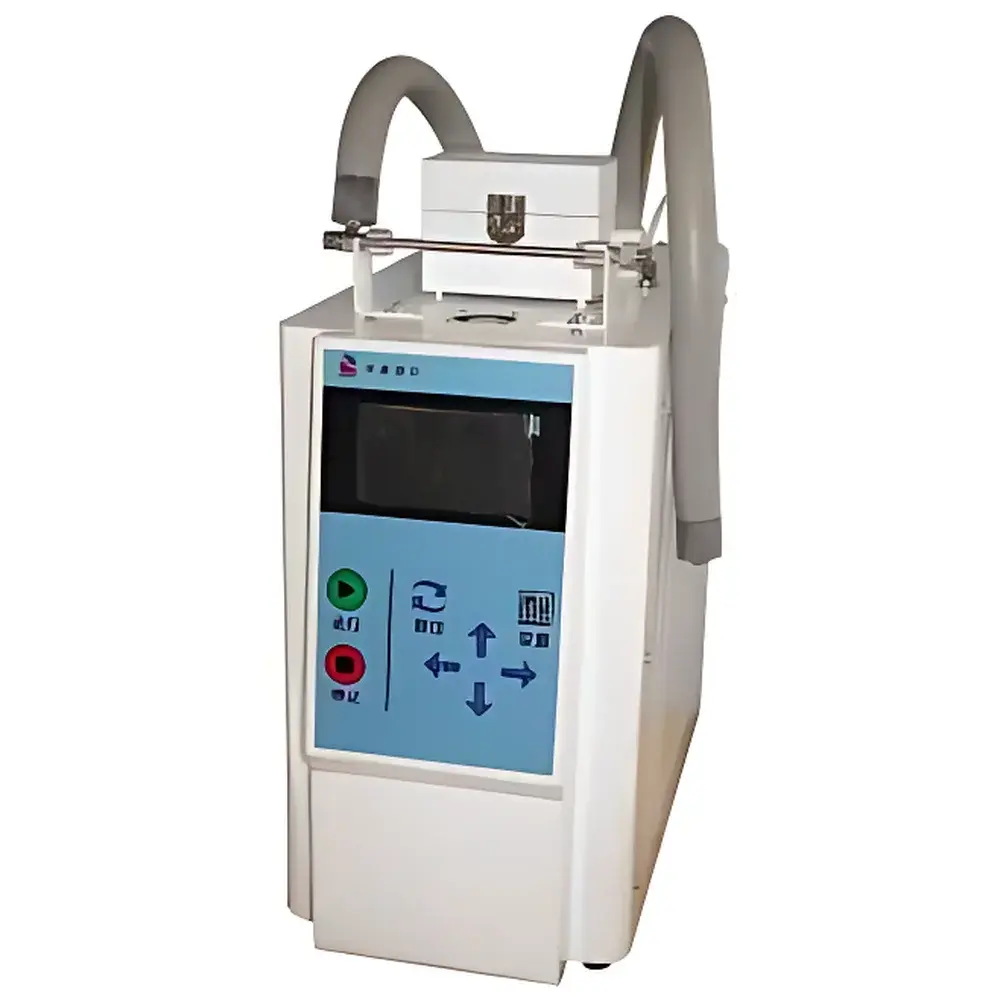
HuaShengPuXin ATDS-3600A Fully Automated Two-Stage Thermal Desorption System for Indoor Air TVOC Analysis
| Brand | HuaShengPuXin (HSPX) |
|---|---|
| Origin | Beijing, China |
| Manufacturer Type | Direct Manufacturer |
| Model | ATDS-3600A |
| Temperature Control Range | Ambient to 400 °C |
| Heating Rate | 0.1–40 °C/min |
| Cooling Rate | 400 °C to 50 °C in ~5 min |
| Carrier Gas Flow Range | 0–60 mL/min |
| Carrier Gas Pressure Range | 0–0.6 MPa |
| Injector Max Temp | 400 °C |
| Injector Pressure Setting Range | 0–0.6 MPa |
| Injector Total Flow Setting Range | 0–1200 mL/min |
| Sample Positions | 20 |
| Cold Trap Temp Range | −30 °C to +50 °C |
| Temp Accuracy | <±0.1 °C |
| Temp Gradient Uniformity | <±0.1 °C |
| Transfer Line & Valve Zone Temp Control | Ambient to 220 °C |
| Desorption Ramp Rate | >2000 °C/min |
| Purge Flow | 0–400 mL/min |
| Dimensions | 450 × 360 × 510 mm |
Overview
The HuaShengPuXin ATDS-3600A Fully Automated Two-Stage Thermal Desorption System is an integrated sample preparation platform engineered for quantitative analysis of trace-level volatile organic compounds (VOCs) and total volatile organic compounds (TVOC) in indoor air, vehicle cabin air, and fixed-source emissions. It operates on the principle of thermal desorption—first-stage desorption from sorbent tubes (e.g., Tenax TA, Carbopack B/C), followed by cryo-focusing in a thermoelectrically cooled cold trap (−30 °C to +50 °C), and second-stage rapid flash desorption directly into the inlet of a gas chromatograph (GC) or GC–MS system. This two-stage architecture ensures high analyte recovery (>95% for C2–C12 hydrocarbons, aldehydes, aromatics, and halogenated VOCs), minimal breakthrough, and exceptional reproducibility (RSD <3% for replicate analyses). Designed specifically for compliance with Chinese environmental standard methods—including HJ 644–2013, HJ 734–2014, HJ/T 400–2007, GB/T 18883–2002, and GB 50325–2020—the ATDS-3600A bridges regulatory laboratory requirements with robust, unattended operation.
Key Features
- Fully automated batch processing of up to 20 sorbent tubes per run, eliminating manual intervention during desorption, transfer, and GC injection sequences.
- Independent, precision temperature control across three critical zones: sample bed (ambient to 400 °C), valve manifold (ambient to 220 °C), and heated transfer line (ambient to 220 °C), each with ±0.1 °C stability and programmable ramp rates.
- Electronically refrigerated cold trap (no liquid nitrogen required) operating from −30 °C to +50 °C, enabling sharp focusing of low-boiling compounds (e.g., formaldehyde, acetaldehyde, benzene) prior to rapid thermal release (>2000 °C/min).
- Integrated carrier gas regulation module—compatible with both external GC-supplied gas and independent flow/pressure control (0–60 mL/min; 0–0.6 MPa)—ensuring seamless interface without hardware modification to GC or GC–MS instruments.
- Dual-mode operation: supports standard two-stage desorption as well as optional configurations including ambient-temperature secondary desorption, cryogenic trapping, purge-and-trap coupling, and low-temperature cold trap expansion.
- Intuitive 7-inch LED touchscreen with dual input mode (touch + physical keys), real-time graphical status display, and on-device storage of up to 10 user-defined method protocols.
- Automatic fault diagnostics, self-alignment of sample carousel, and active back-flush of valve and transfer line to prevent carryover between samples.
Sample Compatibility & Compliance
The ATDS-3600A accepts industry-standard 6 mm OD stainless steel or quartz sorbent tubes (e.g., Markes UNITY, PerkinElmer Ultra, or custom-packed beds), supporting multi-bed configurations (e.g., Tenax TA + Carbograph 1TD + Carboxen 1000). It is validated for use with EPA TO-17, ISO 16017-1, and the full suite of Chinese national standards cited above. All thermal zones meet GLP-relevant temperature uniformity and repeatability criteria. The system supports audit-ready operation when paired with 21 CFR Part 11–compliant chromatography data systems (CDS), providing electronic signatures, method versioning, and full event logging—including desorption temperature profiles, timing events, pressure transients, and error flags.
Software & Data Management
Control firmware enables full time-based programming of desorption cycles: tube conditioning, primary desorption, cold trap focusing, secondary desorption, and post-run back-flush—all synchronized via TTL or Ethernet trigger to GC/GC–MS acquisition software (e.g., OpenLab CDS, Chromeleon, MassHunter). The instrument supports bidirectional communication: it can initiate GC runs or be externally triggered; method parameters are exportable in CSV format for LIMS integration. No proprietary drivers are required—standard RS-232 and Ethernet interfaces ensure compatibility with third-party laboratory informatics platforms.
Applications
- Indoor air quality (IAQ) monitoring per GB/T 18883–2002 and GB 50325–2020, including formaldehyde, benzene, toluene, ethylbenzene, xylenes (BTEX), and C3–C12 aliphatics.
- VOC profiling in automotive interior cabins (HJ/T 400–2007), including odorant screening and emission source identification.
- Fixed-source stack testing (HJ 734–2014) for industrial process off-gases and waste treatment facilities.
- Material emission testing (e.g., carpets, adhesives, composite panels) using small-chamber or micro-chamber sampling protocols.
- Method development for emerging contaminants—including oxygenated VOCs (OVOCs), semi-volatile organic compounds (SVOCs) up to n-C20, and polar species when coupled with derivatization-compatible traps.
FAQ
Does the ATDS-3600A require liquid nitrogen for cold trapping?
No. It utilizes a solid-state Peltier cooling system capable of reaching −30 °C without cryogens.
Can it interface with Agilent, Thermo Fisher, or Shimadzu GC systems?
Yes. It includes universal mechanical and electrical interfaces, plus TTL/Ethernet synchronization for all major GC and GC–MS platforms.
Is the system compliant with ISO/IEC 17025 documentation requirements?
All temperature calibration points, performance verification reports (e.g., recovery tests per HJ 644–2013 Annex B), and maintenance logs are exportable for accreditation audits.
What sorbent tube formats are supported?
Standard 6 mm OD metal or quartz tubes; compatible with single- and multi-bed configurations, including those meeting EPA TO-17 specifications.
How is carryover minimized between samples?
Via programmable high-flow carrier gas back-flush of the valve manifold and transfer line immediately after each injection, verified by blank tube analysis.
Related Products



