
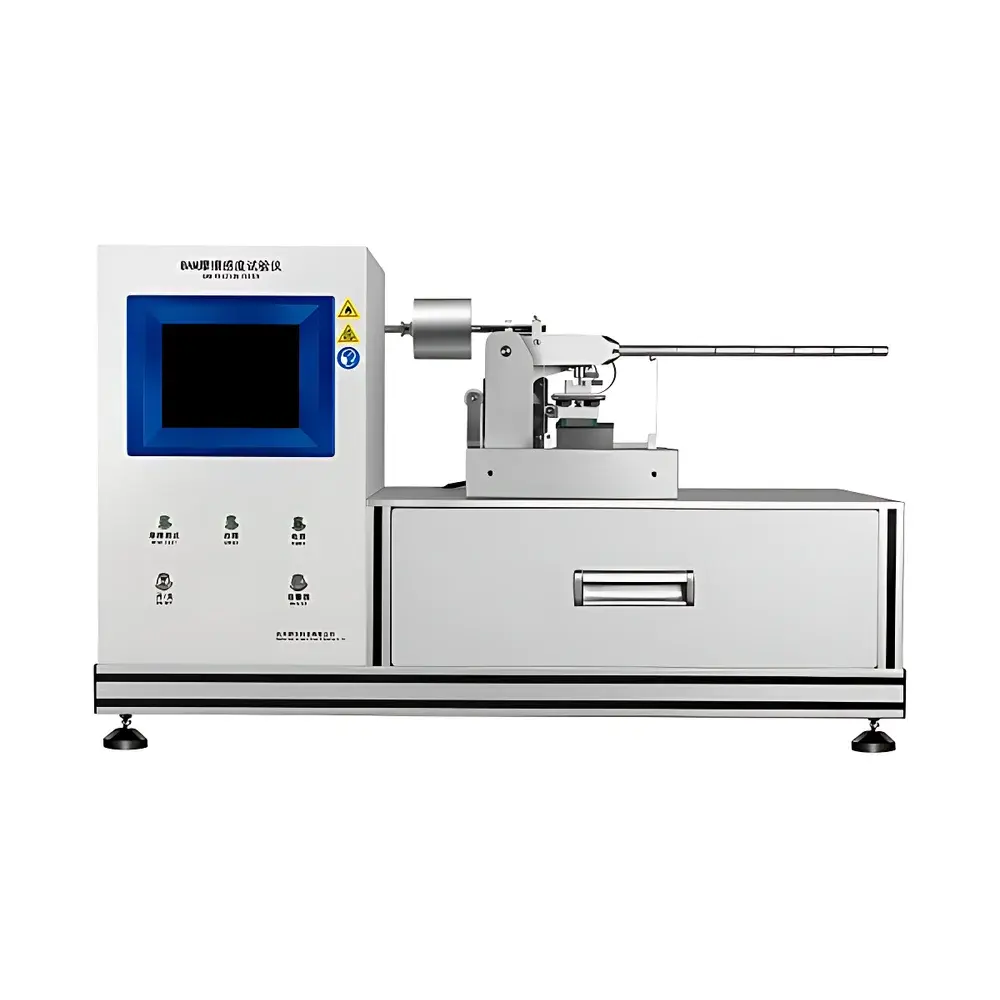
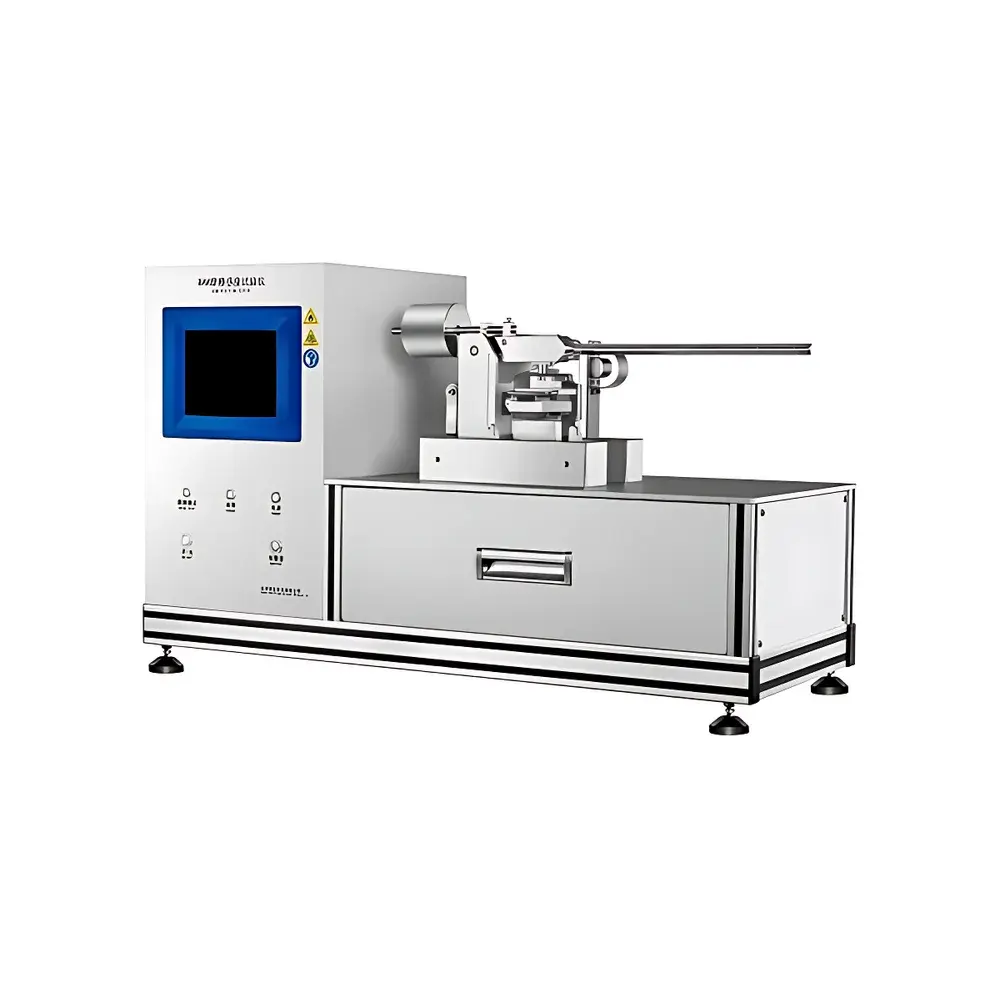
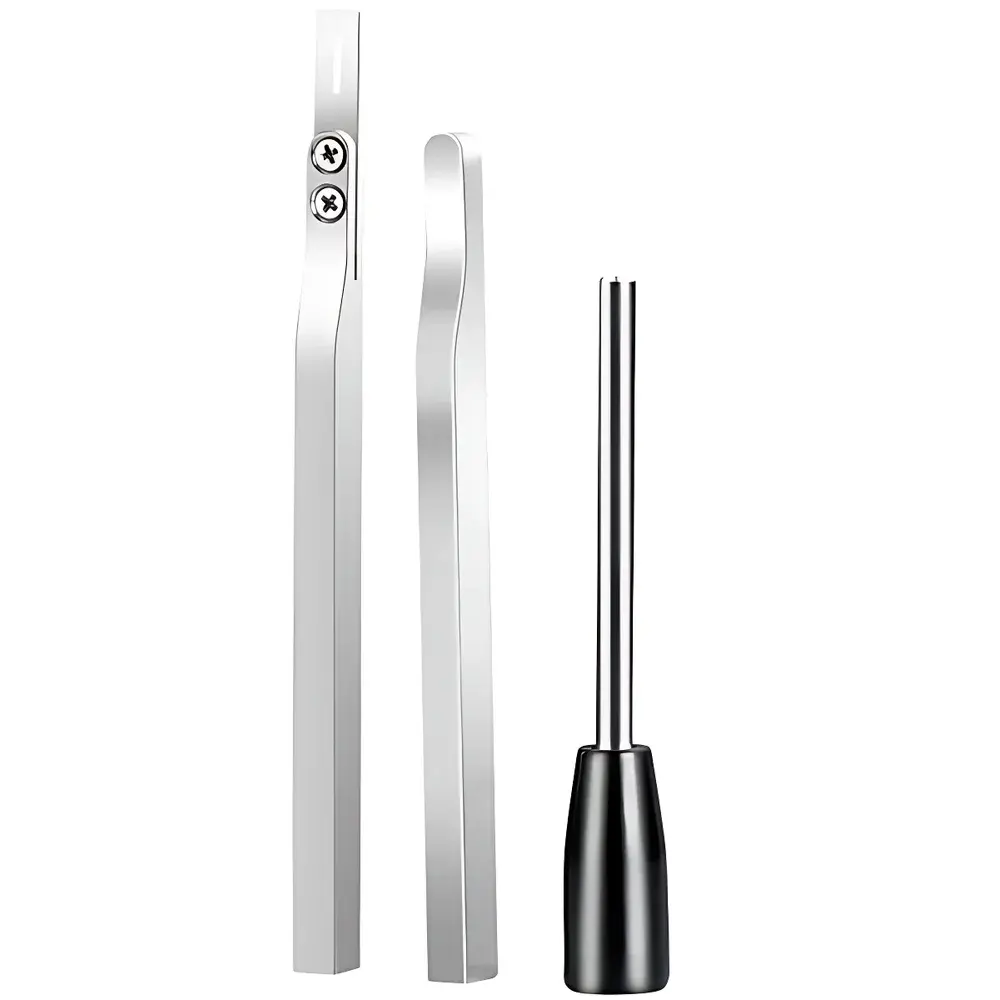
Young Instruments HWP17-10S BAM Friction Sensitivity Tester
| Brand | Young Instruments |
|---|---|
| Origin | Zhejiang, China |
| Manufacturer Type | Manufacturer |
| Country of Origin | Domestic (China) |
| Model | HWP17-10S |
| Operating Temperature | (-5–45) °C |
| Relative Humidity | <95% RH |
| Motor Speed | 140 ± 3 rpm (at maximum load) |
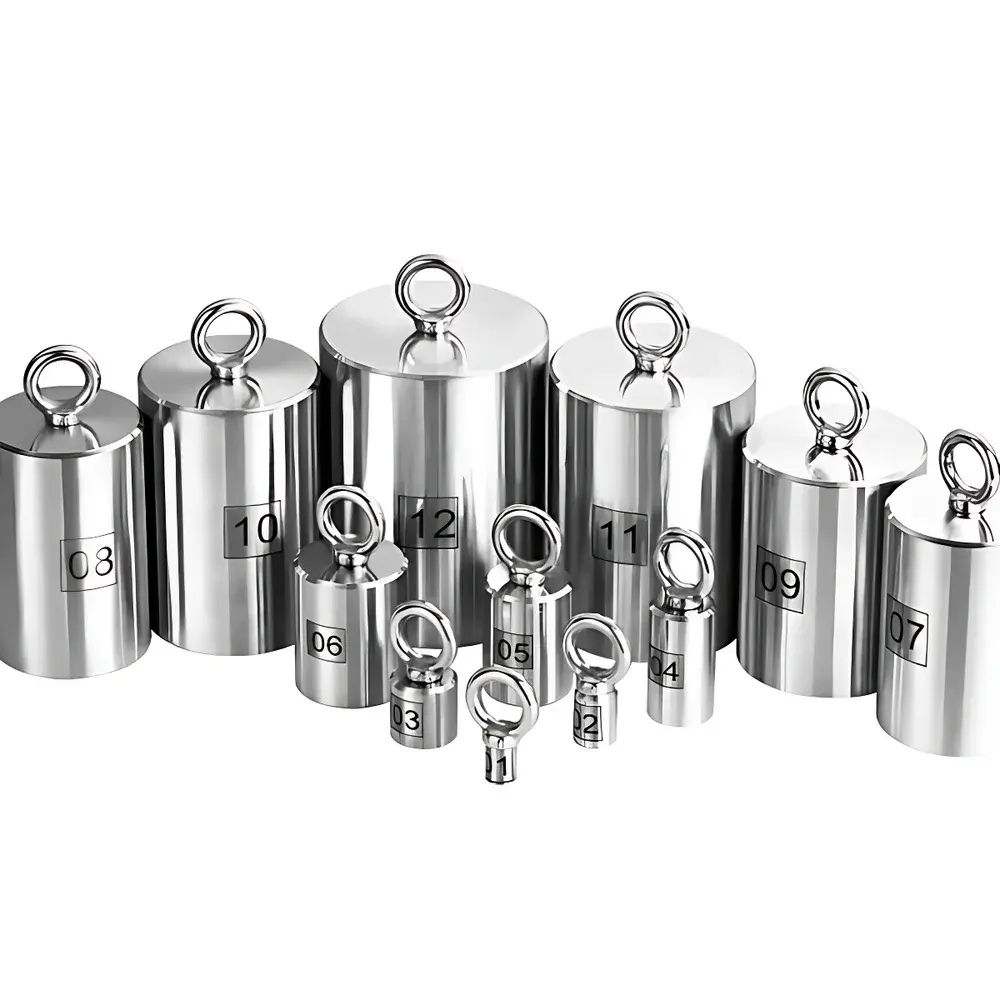
| Load Range | 1–2–5–10–20–40–60–80–120–160–240–360 N |
| Load Accuracy | ±0.038 N (1 N), ±0.048 N (2 N), ±0.08 N (5 N), ±0.21 N (10 N), ±0.45 N (20 N), ±0.49 N (40 N), ±0.22 N (60 N), ±0.27 N (80 N), ±0.32 N (120 N), ±0.37 N (160 N), ±0.43 N (240 N), ±0.48 N (360 N) |
| Sieve Mesh | 35 mesh (optional) |
| Alumina Ceramic Surface Roughness | 9–32 µm |
| Center-to-Center Distance (Weight–Ceramic Rod) | 11, 16, 21, 26, 31, 36 cm |
| Ceramic Plate Stroke | 10 mm |
| Ceramic Plate Dimensions (L×W×H) | 25 × 25 × 5 mm |
| Ceramic Rod Dimensions (Φ×L) | 10 × 15 mm |
Overview
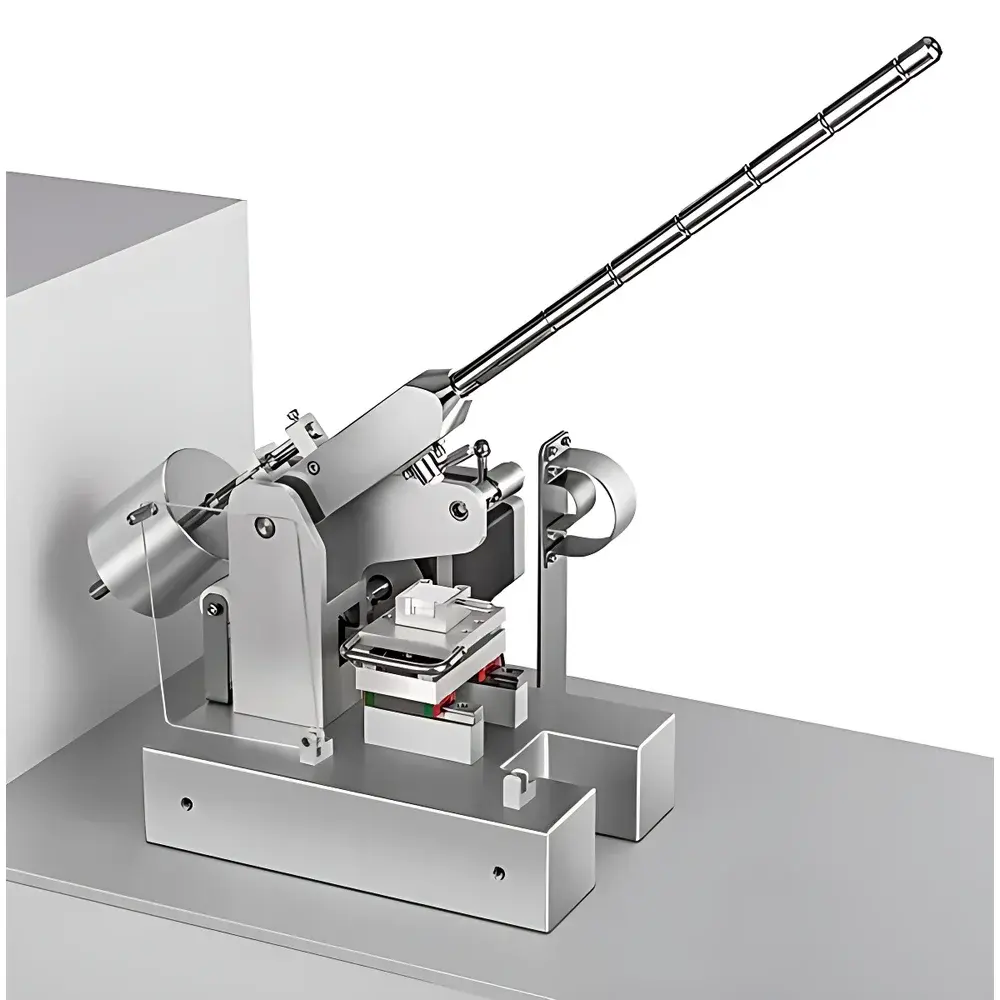
The Young Instruments HWP17-10S BAM Friction Sensitivity Tester is a precision-engineered instrument designed for the quantitative assessment of mechanical friction sensitivity in energetic materials—including primary explosives, high explosives, propellants, and pyrotechnic compositions. It operates on the standardized BAM (Bundesanstalt für Materialforschung und -prüfung) friction test principle: a defined mass (ceramic rod) is pressed vertically against a stationary ceramic plate containing the sample, while the plate reciprocates horizontally under controlled load and speed. Ignition or deflagration upon frictional stimulus is recorded as a positive response, enabling statistical determination of sensitivity thresholds (e.g., 50% probability of initiation, H50). This method directly addresses the hazard classification requirements for transport, storage, and regulatory compliance under UN TDG, GHS, and national frameworks.
Key Features
- Embedded Windows CE platform with real-time control logic and deterministic I/O timing—ensuring repeatable actuation sequences across thousands of test cycles.
- 8-inch industrial-grade capacitive touchscreen interface with intuitive navigation, live status indicators (load application, stroke position, motor phase, safety interlock status), and on-device parameter validation prior to test initiation.
- High-resolution stepper-driven linear motion system delivering precise ceramic plate displacement (±0.02 mm repeatability) and programmable stroke velocity (default 140 ± 3 rpm at full load; adjustable via firmware configuration).
- Modular load application assembly with traceable stainless-steel weights and calibrated ceramic rods (Φ10 × 15 mm), mounted on hardened alloy support arms with six pre-set center-to-center spacing options (11–36 cm) to accommodate varied moment arm configurations per standard requirements.
- Corrosion-resistant alumina ceramic test surfaces (25 × 25 × 5 mm plates, Ra 9–32 µm) certified to ISO 6344-2 for consistent surface energy and wear characteristics over extended service life.
- Integrated dual-safety architecture: polycarbonate front shield rated to EN 166:2002 (impact resistance ≥ 120 m/s) and optional active exhaust ducting (compatible with 100–150 Pa static pressure systems) for removal of combustion byproducts while maintaining ambient oxygen concentration >20.9% during testing.
- Fully automated test sequence—including load ramping, dwell time, reciprocation, post-test purge, and pass/fail flagging—minimizing operator exposure and eliminating procedural variability.
Sample Compatibility & Compliance
The HWP17-10S supports solid-phase samples in powder, granular, or pressed pellet form (typical mass: 20–50 mg), compatible with crystalline, composite, and binder-containing formulations. It conforms to multiple internationally harmonized test protocols, including:
- UN Manual of Tests and Criteria, Part I, Section 13.5.1, Test 3(b)(i) — BAM Friction Test;
- GB/T 21566–2008 “Dangerous Goods – Test Method for Friction Sensitivity of Explosives”;
- GB/T 21848–2008 “Determination of Explosive Hazard of Industrial Chemicals”;
- NY/T 1860.6–2010 “Guidelines for Physicochemical Property Testing of Pesticides – Part 6: Explosivity”;
- GB 5085.5 “Identification Standards for Hazardous Wastes – Reactivity Identification”.
All test records include timestamped metadata (operator ID, ambient T/RH, calibration certificate ID, load verification log), supporting audit readiness for GLP, ISO/IEC 17025, and regulatory submissions requiring full traceability.
Software & Data Management
Data acquisition and reporting are managed through the proprietary Young Instruments TestSuite v3.x software suite. Each test generates a structured XML dataset containing raw sensor traces (load cell output, position encoder counts, motor current), event markers (initiation time, stroke count, failure mode), and calculated metrics (response rate, confidence intervals per load level). Reports comply with ASTM E29–23 formatting conventions and export to PDF, CSV, and XLSX formats. Audit trail functionality meets FDA 21 CFR Part 11 requirements for electronic records: all user actions (parameter edits, result approvals, calibration entries) are immutably logged with digital signature, IP address, and system clock synchronization. Optional network deployment enables centralized data aggregation via secure HTTPS REST API endpoints.
Applications
- Classification of new energetic formulations for UN transport hazard class assignment (Class 1, Division 1.1–1.4);
- Batch release testing of commercial explosives and military propellants per contractual QC specifications;
- Development-stage screening of insensitive munitions (IM) candidates under DoD MIL-STD-2105D;
- Regulatory dossier preparation for REACH Annex VII–X registration dossiers;
- Root cause analysis of field incidents involving accidental initiation during handling or processing;
- Validation of desensitization efficacy following formulation modifications (e.g., phlegmatizer addition, particle size reduction).
FAQ
Is the HWP17-10S compliant with UN TDG and IMDG Code requirements for official hazard classification?
Yes—the instrument implements the exact mechanical configuration, tolerances, and procedural logic specified in UN Manual of Tests and Criteria, Section 13.5.1, and is routinely used by CNAS-accredited test laboratories for issuing UN-certified test reports.
Can test data be integrated into LIMS or enterprise QA systems?
Yes—via configurable ODBC drivers and HL7-compliant message templates, enabling direct ingestion into LabVantage, Thermo Fisher SampleManager, or custom SQL-based quality management platforms.
What maintenance intervals are recommended for long-term metrological stability?
Load cell calibration verification every 6 months; ceramic surface inspection and roughness revalidation annually; full system performance qualification (SPQ) per ISO/IEC 17025 Annex A.3 every 12 months.
Does the system support remote diagnostics and firmware updates?
Yes—through encrypted SSH tunneling and signed OTA (Over-the-Air) update packages, accessible only via authenticated administrator credentials and hardware-bound cryptographic keys.
Are spare ceramic plates and rods supplied with NIST-traceable surface characterization certificates?
Yes—all consumables are delivered with individual CoA (Certificate of Analysis) referencing ISO 25178-2 surface texture parameters and verified against SRM 2135c reference standards.




