
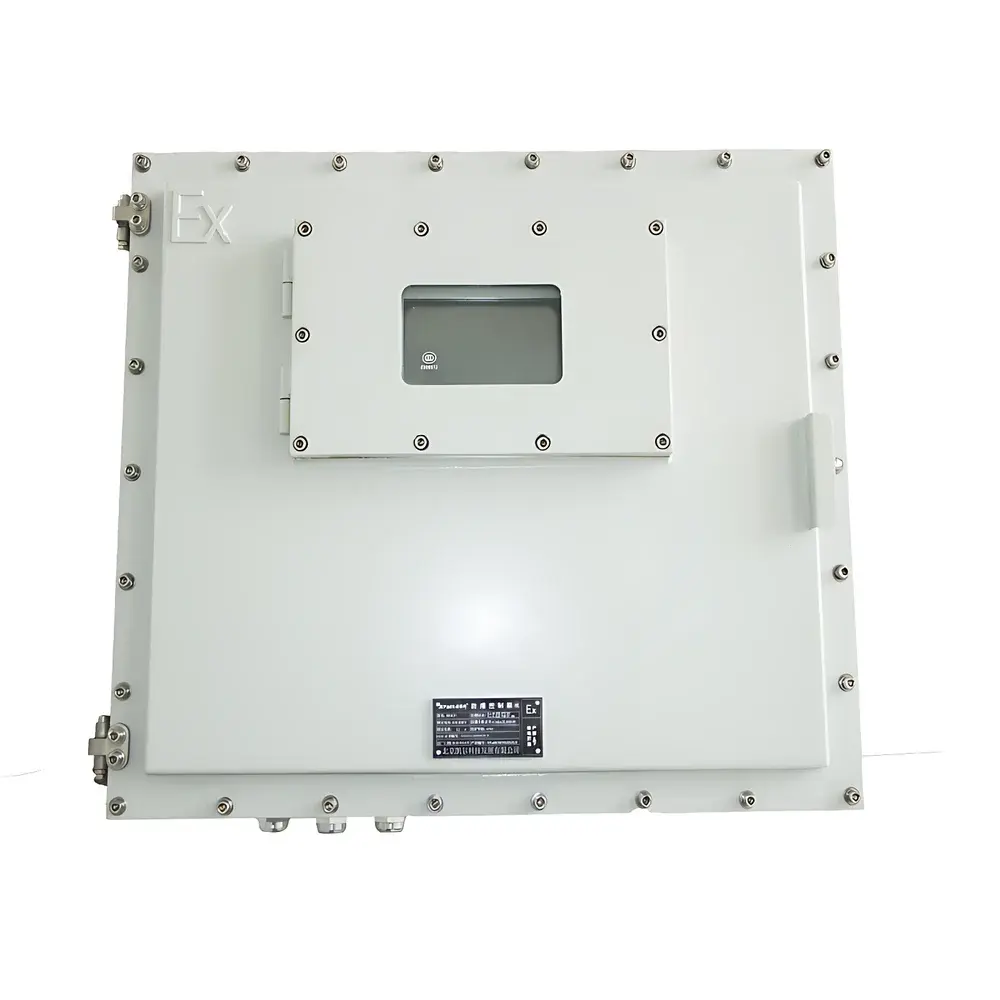
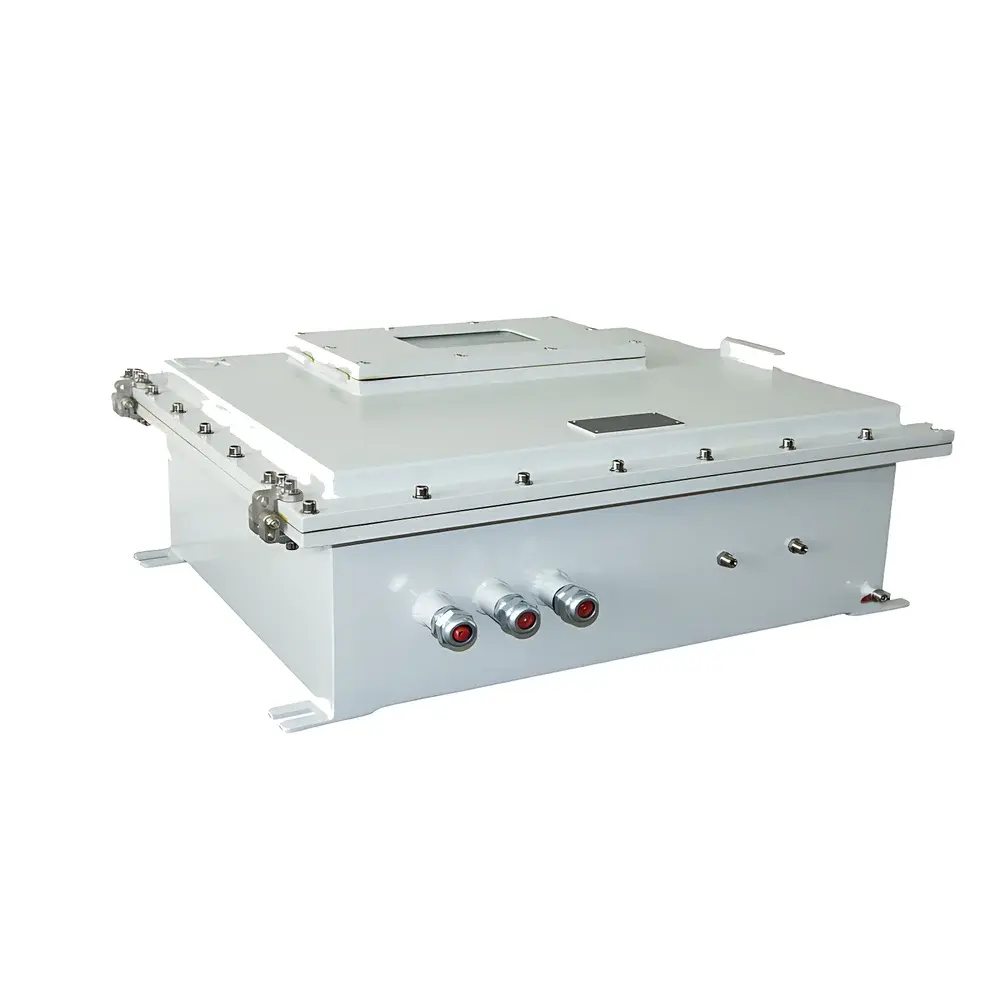
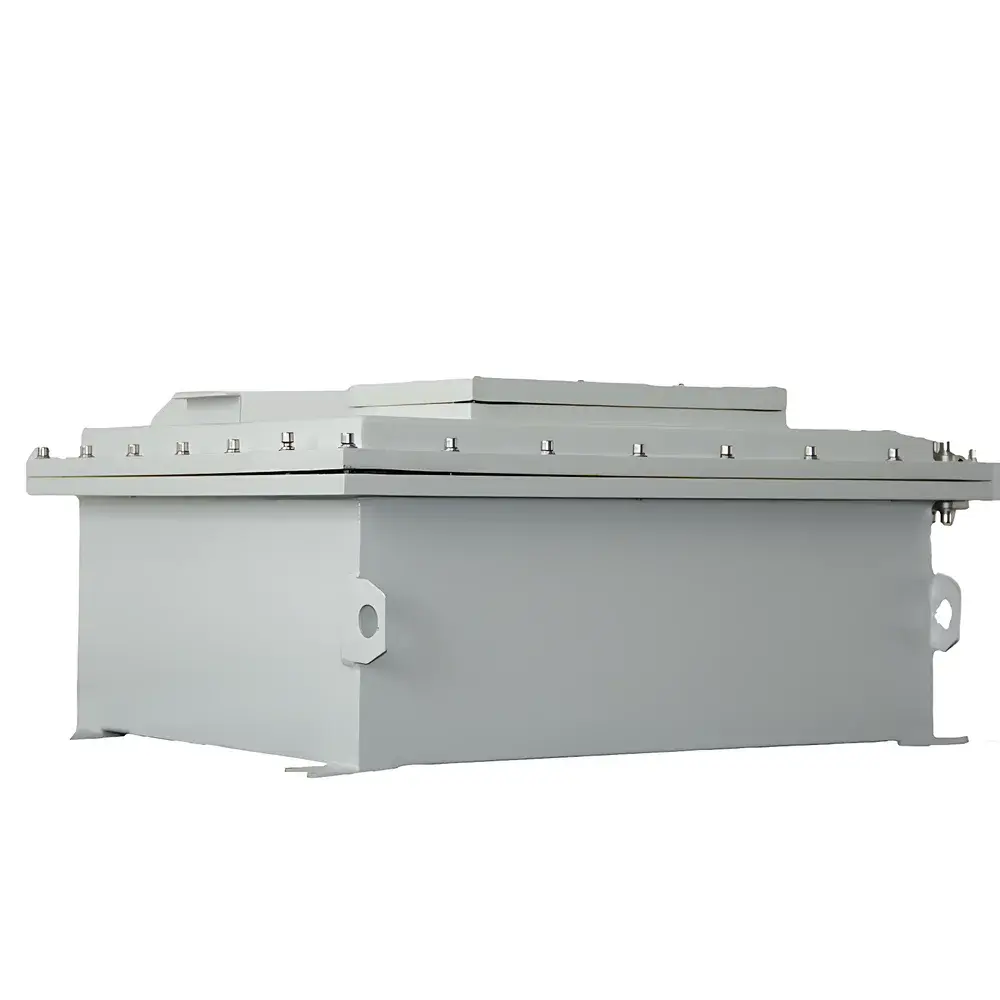
BCC MGA-6000 TDLAS-Based Hydrogen Sulfide Analyzer for Natural Gas
| Brand | BCC |
|---|---|
| Model | MGA-6000 |
| Measurement Principle | Tunable Diode Laser Absorption Spectroscopy (TDLAS) |
| Response Time (T90) | ≤20 s |
| Measurement Range | 0–8000 mg/Nm³ |
| Minimum Detectable Range | 0–500 mg/Nm³ |
| Resolution | 0.1 mg/Nm³ |
| Zero Drift | ≤±1.5% FS |
| Span Drift | ≤±1.5% FS |
| Linearity Error | ≤±2% |
| Operating Temperature | 10–30 °C |
| Power Consumption | ≤120 W |
| Output Signals | 4–20 mA, RS232/RS485, USB, Ethernet |
| Alarm Outputs | High/Low H₂S concentration, sample flow fault (dry contact) |
Overview
The BCC MGA-6000 is a dedicated hydrogen sulfide (H₂S) analyzer engineered for continuous, real-time monitoring of trace and elevated H₂S concentrations in natural gas streams. It employs Tunable Diode Laser Absorption Spectroscopy (TDLAS), a highly selective and interference-resistant optical technique that exploits the unique near-infrared absorption fingerprint of H₂S molecules at specific wavelengths (e.g., ~1578 nm). Unlike broad-band NDIR or electrochemical sensors, TDLAS enables species-specific quantification without cross-sensitivity to CO₂, CH₄, H₂O vapor, or hydrocarbon interferents commonly present in raw or processed natural gas. The instrument operates on a direct-extraction principle: gas is continuously drawn from the process line through a heated, corrosion-resistant sampling probe and conditioned via an integrated pre-treatment system—including particulate filtration, moisture removal (dew point control), and pressure regulation—to ensure stable, representative sample delivery to the measurement cell. This architecture eliminates the need for chemical scrubbers or catalytic converters, reducing maintenance intervals and preserving measurement integrity across variable gas compositions.
Key Features
- High-selectivity TDLAS detection with inherent immunity to spectral interference from major natural gas constituents
- Configurable measurement ranges: factory-calibrated options from 0–500 mg/Nm³ (ppmv-level trace monitoring) up to 0–8000 mg/Nm³ (for sour gas applications)
- Sub-second optical response (T90 ≤ 20 s) enabling rapid detection of process excursions or feedstock contamination events
- Resolution of 0.1 mg/Nm³ supports compliance with stringent pipeline specifications (e.g., GPA 2261, ISO 8573-5) and custody transfer requirements
- Thermally stabilized optical path and dual-beam referencing minimize thermal drift; zero and span drift ≤ ±1.5% FS over 30 days under field conditions
- Robust industrial enclosure (IP65-rated) with internal temperature management ensures stable operation within 10–30 °C ambient range
- Low power consumption (≤120 W) facilitates deployment in remote metering stations or skid-mounted LNG facilities
Sample Compatibility & Compliance
The MGA-6000 is validated for use with dry and wet natural gas (up to 100% relative humidity post-conditioning), biogas-derived methane streams, and associated gas from upstream production. Its pre-treatment system accommodates particulates <5 µm and condensable hydrocarbons typical of non-amine-treated feeds. The analyzer meets electromagnetic compatibility (EMC) per IEC 61326-1 and safety requirements per IEC 60079-0 (non-certified for Zone 0/1 but suitable for safe-area installation with appropriate barrier integration). Data integrity protocols align with GLP/GMP principles: all calibration events, alarm triggers, and configuration changes are timestamped and stored locally. Optional audit-trail logging supports alignment with FDA 21 CFR Part 11 when integrated into validated SCADA environments.
Software & Data Management
Embedded firmware provides local configuration via intuitive web interface (HTTPS-enabled) accessible over Ethernet. All analog and digital outputs—including isolated 4–20 mA (HART-compatible), RS485 Modbus RTU, and TCP/IP Modbus TCP—are configurable for primary H₂S value, status flags, or diagnostic parameters. USB port enables firmware updates and local data dump (CSV format). Remote monitoring is supported via MQTT or OPC UA clients. Data synchronization intervals, alarm hysteresis, and auto-zero scheduling are programmable. Internal memory retains ≥30 days of 1-minute averaged data with time-stamped metadata (flow rate, cell temperature, laser current), ensuring traceability for regulatory reporting (e.g., EPA Method 3A, EN 15449-2).
Applications
- Real-time H₂S monitoring at city gate stations and pipeline interconnects to enforce transmission-grade gas specifications (e.g., ≤4 ppmv / 5.6 mg/Nm³)
- In-line verification of amine treating unit performance in gas processing plants
- Biogas upgrading facility inlet/outlet analysis to protect downstream catalysts and meet grid injection standards
- Leak detection and sour gas flare stack emission verification
- Quality assurance during LNG liquefaction feedstock screening
- Research applications requiring high-temporal-resolution H₂S kinetics studies in simulated reservoir fluids
FAQ
What gas matrices has the MGA-6000 been validated for?
It is validated for natural gas (C₁–C₄ hydrocarbons), biogas (CH₄/CO₂/H₂S), and associated gas containing up to 20% CO₂ and 5% H₂O (v/v) after conditioning.
Is field calibration required, and how often?
Zero calibration is recommended weekly using certified nitrogen; span calibration with traceable H₂S standard gas is advised monthly or after filter replacement.
Can the analyzer operate unattended for extended periods?
Yes—its solid-state laser source, absence of consumables, and self-diagnostics enable >6 months of continuous operation between scheduled maintenance.
Does it support integration with DCS or cloud-based IIoT platforms?
Yes—Modbus TCP and MQTT interfaces allow seamless integration with Siemens PCS7, Emerson DeltaV, ABB 800xA, and AWS IoT Core or Azure IoT Hub.
How is moisture handled in high-humidity gas streams?
The integrated chiller-based dew point controller maintains sample gas at ≤5 °C dew point prior to the optical cell, preventing condensation-induced signal attenuation or optical window fouling.




