
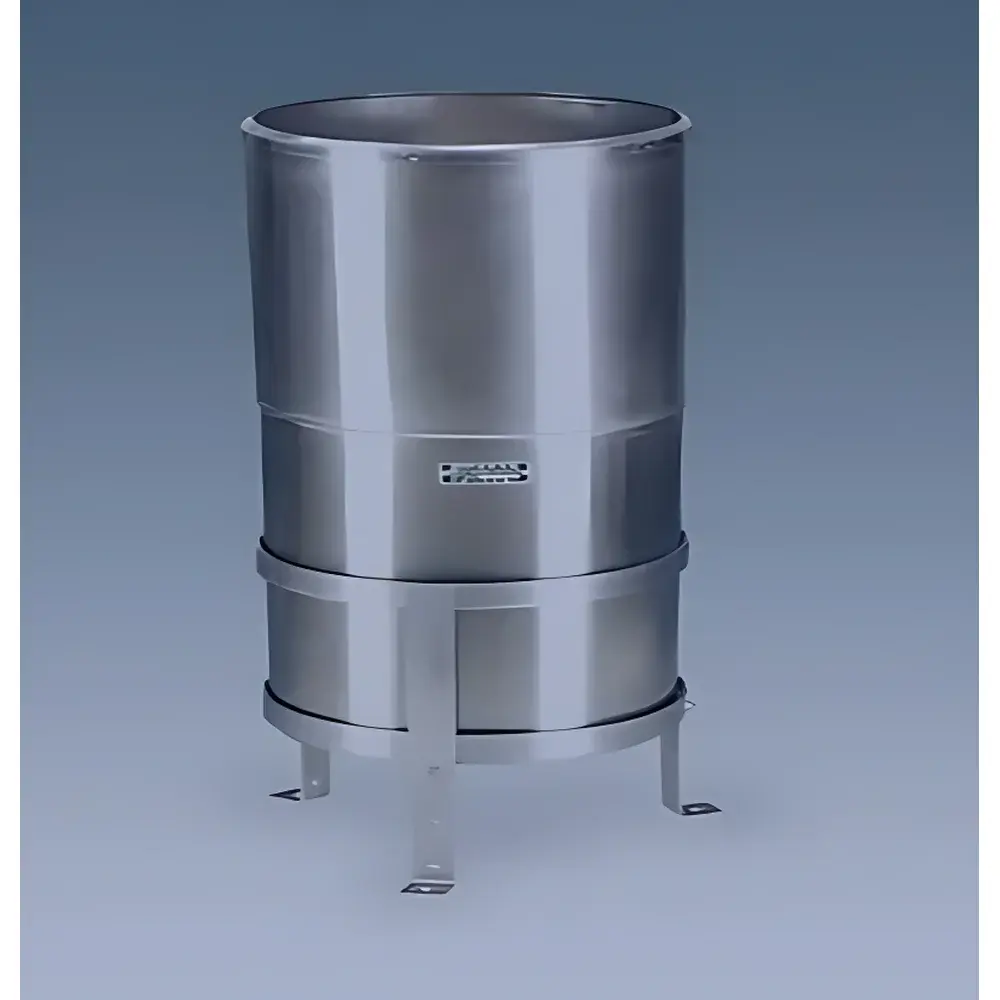
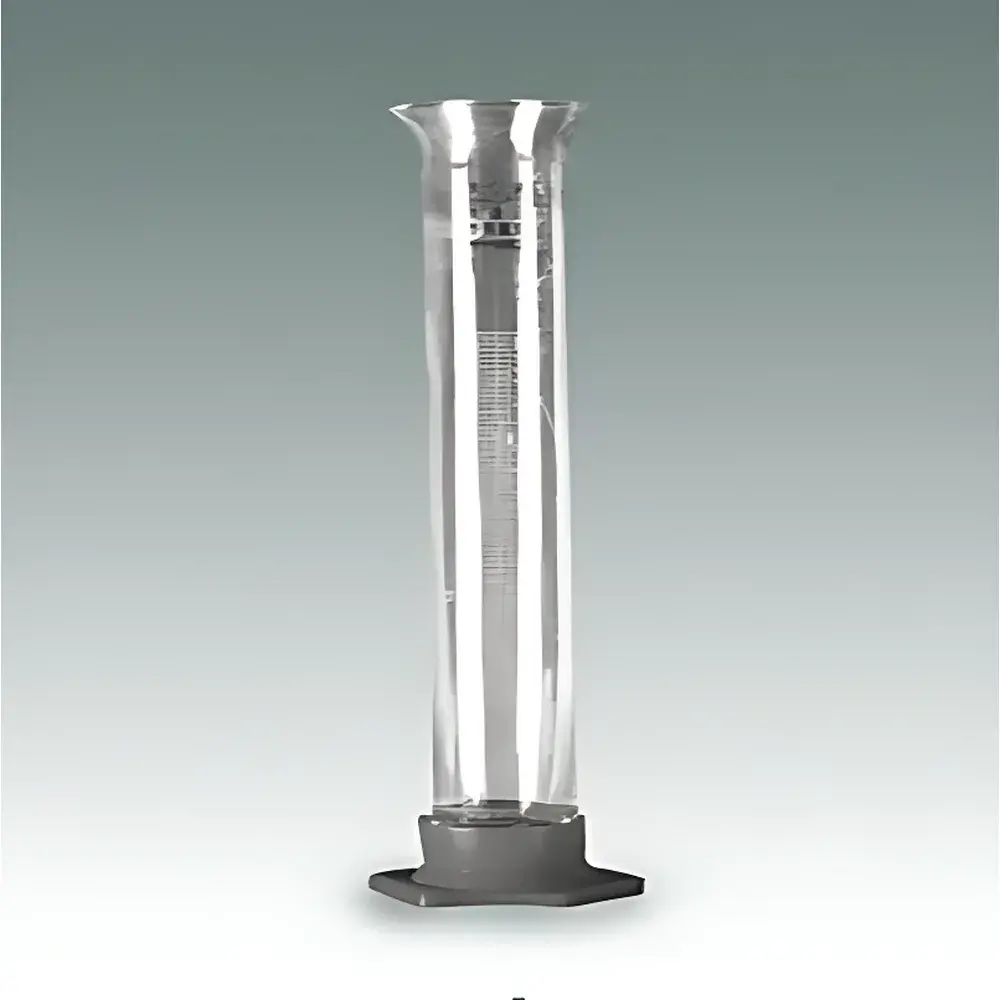
Stainless Steel Rainwater Sampler
| Origin | Beijing |
|---|---|
| Manufacturer Type | Distributor |
| Origin Category | Domestic |
| Model | BXG |
| Pricing | Upon Request |
| Instrument Type | Portable Water Sampler |
| Collection Area | 314 cm² |
| Orifice Diameter | φ200⁺⁰·⁶₀ mm |
| Measuring Cylinder Range | 0.05–10 mm |
| Cylinder Graduation | 0.1 mm |
| Storage Capacity | 2000–2500 mL |
| Operating Temperature | −50°C to +45°C |
| Dimensions | φ225 mm × 770 mm |
| Weight | 4.7 kg |
Overview
The BXG Stainless Steel Rainwater Sampler is a precision-engineered, field-deployable precipitation collection instrument designed for long-term, unattended environmental monitoring of rainfall quantity and quality. It operates on the fundamental principle of standardized volumetric capture: precipitation enters through a calibrated orifice, flows via gravity into a sealed storage reservoir, and is subsequently quantified using a traceable, graduated measuring cylinder conforming to national and international rain gauge standards (e.g., ISO 9462, WMO No. 8 Guide to Meteorological Instruments and Methods of Observation). Constructed entirely from high-grade 304 stainless steel, the sampler resists corrosion, UV degradation, and thermal expansion-induced measurement drift—critical attributes for multi-season deployment across temperate, arctic, and subtropical climates. Its cylindrical geometry and optimized inlet geometry minimize wind-induced undercatch—a well-documented source of systematic error in precipitation measurement—while maintaining strict geometric conformity to reference rain gauge specifications.
Key Features
- Monolithic 304 stainless steel construction ensures structural integrity, chemical inertness, and immunity to galvanic corrosion—even in coastal or acid-rain-prone environments.
- Calibrated orifice with nominal diameter of 200 mm (±0.6 mm tolerance) delivers a certified collection area of 314 cm², enabling direct conversion of collected volume to depth (mm) per standard meteorological practice.
- Integrated high-capacity reservoir (2000–2500 mL) accommodates up to 10 mm of rainfall without overflow, supporting weekly or event-driven sampling protocols.
- Optimized vertical profile (φ225 mm × 770 mm) and low center-of-gravity design enhance stability on rooftops, towers, or ground-mounted tripods under high-wind conditions.
- Operating temperature range of −50°C to +45°C permits year-round functionality in extreme environments—from Siberian tundra to Sahelian semi-arid zones—without material embrittlement or seal failure.
- Lightweight yet robust chassis (4.7 kg) enables rapid manual deployment, repositioning, and transport by field technicians without auxiliary lifting equipment.
Sample Compatibility & Compliance
The BXG sampler is compatible with both quantitative rainfall depth measurement and qualitative rainwater sampling for subsequent laboratory analysis (e.g., pH, conductivity, heavy metals, anions, organic pollutants). Its stainless steel wetted surfaces eliminate leaching of plasticizers or trace metals—ensuring sample integrity for regulatory-compliant analysis per EPA Method 160.1 (Rainwater Sampling), ASTM D5198 (Standard Practice for Collection of Atmospheric Wet Deposition), and ISO 6107-12 (Water Quality — Vocabulary — Part 12: Terms Relating to Precipitation Sampling). The device meets mechanical and dimensional requirements outlined in ISO 9462 (Plastic and metal rain gauges) and is suitable for use in networks adhering to WMO Global Climate Observing System (GCOS) surface network specifications.
Software & Data Management
As a passive, non-electronic sampling platform, the BXG requires no firmware, batteries, or data logging hardware. This architecture eliminates power dependency, firmware obsolescence, and electromagnetic interference risks—making it ideal for remote, off-grid, or security-sensitive sites. Collected samples are manually retrieved and logged using standardized field forms or integrated into digital environmental data management systems (e.g., EQuIS, LabWare LIMS, or custom GIS-linked databases) via barcode-scanned sample IDs. Measurement traceability is maintained through NIST-traceable calibration of the included 0.1-mm-graduated cylinder, with documented uncertainty budgets compliant with ISO/IEC 17025:2017 Clause 7.6. All components support GLP-aligned chain-of-custody documentation and audit-ready physical record retention.
Applications
- Long-term climate monitoring stations tracking interannual rainfall variability and trends.
- Urban hydrology studies assessing runoff generation and atmospheric deposition loads in catchments.
- Acid rain and atmospheric chemistry research requiring uncontaminated bulk precipitation specimens.
- Regulatory compliance monitoring for industrial emissions impact assessments (e.g., stack plume dispersion modeling validation).
- Educational field laboratories teaching hydrometeorological measurement principles and uncertainty analysis.
- Baseline environmental surveys prior to infrastructure development or land-use change projects.
FAQ
Is the BXG sampler suitable for snow or mixed-phase precipitation?
Yes—when deployed with optional wind shield and heated base accessories (sold separately), it supports solid-precipitation collection; however, manual melt-and-measure protocols must be applied per WMO guidelines.
Does the sampler include a calibrated measuring cylinder?
Yes—the unit ships with a certified 0.1-mm-graduated cylinder traceable to national metrology institutes, supplied with calibration certificate.
Can it be mounted on a standard meteorological tripod?
Yes—it features a universal 3/8″-16 UNC threaded base compatible with ISO 11469-compliant mounting hardware used across global weather station networks.
What maintenance is required between sampling events?
Rinse with deionized water after each retrieval; inspect orifice for debris or insect nesting quarterly; verify cylinder graduation legibility annually.
Is the stainless steel grade compliant with food-grade or potable water contact standards?
Yes—304 stainless steel meets NSF/ANSI Standard 61 for drinking water system components and is widely accepted for environmental sample contact per EPA SW-846 guidance.







