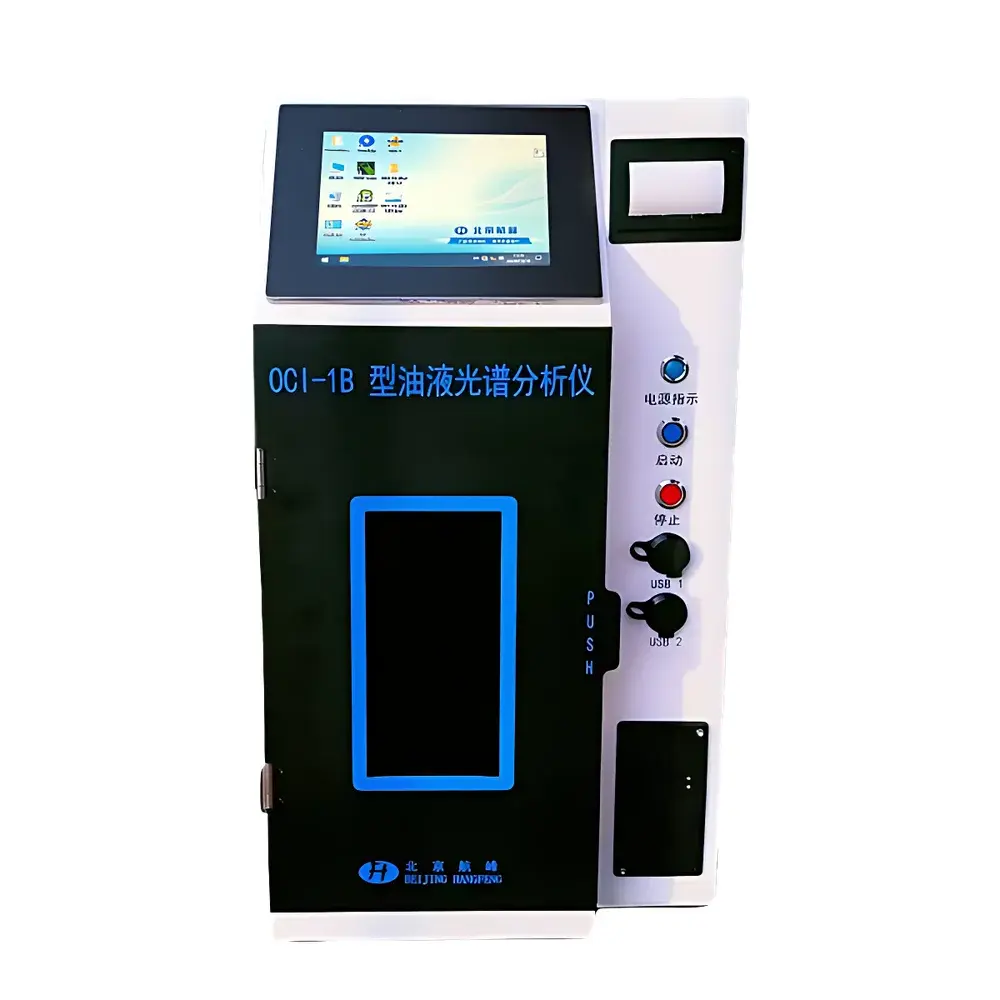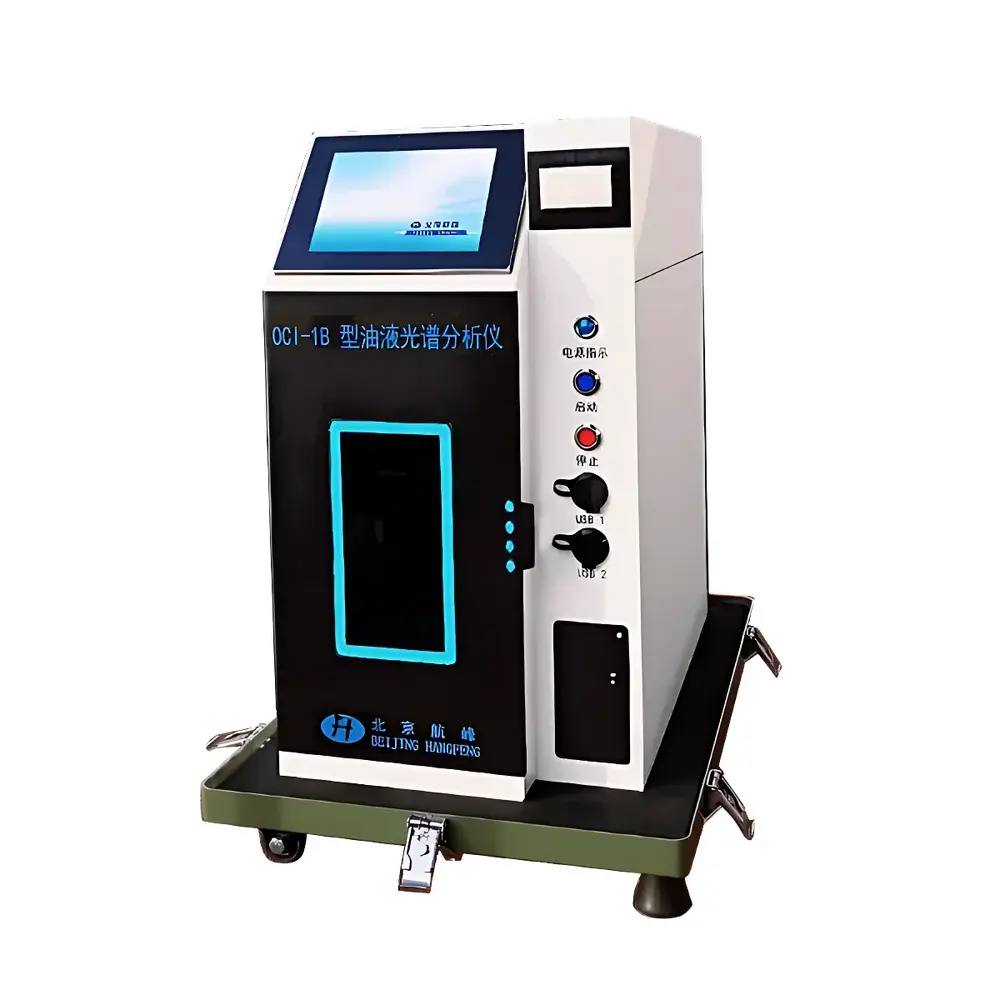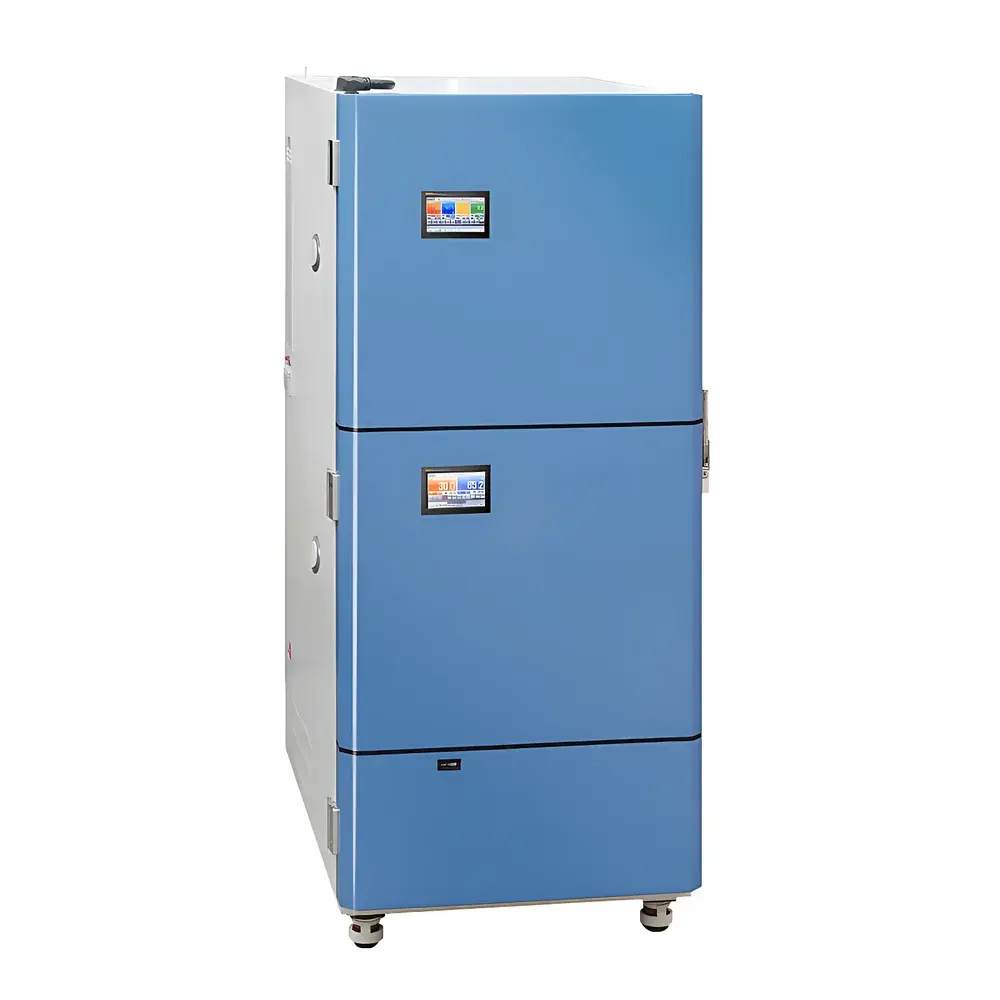
YSEI SHH-SSD-2STA Series Multi-Chamber Drug Stability Testing System
| Brand | YSEI |
|---|---|
| Origin | Chongqing, China |
| Manufacturer Type | Direct Manufacturer |
| Product Origin | Domestic (China) |
| Model | SHH-SSD-2STA Series |
| Price Range | USD 14,000 – 21,000 |
Overview
The YSEI SHH-SSD-2STA Series Multi-Chamber Drug Stability Testing System is an engineered platform designed to meet the stringent environmental control requirements of pharmaceutical stability studies in compliance with ICH Q1–Q5 guidelines, USP , and Chinese Pharmacopoeia (ChP) Chapter 9001. This system implements a multi-chamber architecture—comprising two independently controlled stability chambers within a single integrated frame—to enable concurrent execution of long-term, accelerated, intermediate, and stress condition testing (e.g., low-humidity 40 °C / 20 % RH for large-volume parenterals). Each chamber operates with autonomous temperature (±0.3 °C uniformity), humidity (±2 % RH accuracy), and illumination control, eliminating cross-chamber interference and supporting parallel protocol validation under distinct ICH-defined conditions. The system’s thermal management employs dual independent refrigeration circuits, PID-controlled humidification via ultrasonic misting, and precision air circulation optimized for ISO 14644-1 Class 8 cleanroom-compatible airflow patterns—ensuring spatial homogeneity and temporal reproducibility across 365-day continuous operation.
Key Features
- Independent dual-chamber operation: Enables simultaneous ICH long-term (25 °C / 60 % RH) and accelerated (40 °C / 75 % RH) protocols—or custom stress conditions such as 40 °C / 20 % RH—without thermal or humidity crosstalk.
- Centralized control & remote monitoring: Up to 30 units networked via RS-485; configuration, real-time parameter adjustment, and alarm acknowledgment performed from a single Windows-based workstation.
- Triple-layer data integrity: (1) Thermal printer output (user-configurable interval); (2) Onboard 64 MB circular memory storing setpoints, actual values, timestamps, and date stamps; (3) Continuous RS-485 export to external SCADA or LIMS systems at adjustable sampling intervals (1-minute resolution supports >10 years of traceable storage on SD card).
- Energy-optimized architecture: EC fans, high-efficiency compressors, and intelligent load-matching algorithms reduce power consumption by up to 35% versus conventional single-chamber systems operating under identical test profiles.
- Dual-glass door design: Tempered inner viewing window minimizes thermal disturbance during visual inspection; outer keyed mechanical lock ensures GMP-compliant access control per FDA 21 CFR Part 11 Annex 11 physical security requirements.
- Redundant safety layers: Independent overtemperature cutoff per chamber; auto-shutdown on humidifier dry-run detection; compressor overload protection; and optional SMS alert integration for power failure, sensor deviation (>±1 °C or >±3 % RH), and door breach events.
Sample Compatibility & Compliance
The SHH-SSD-2STA accommodates standard stability batches including blister-packed tablets, vials, ampoules, IV bags, and lyophilized powders—compatible with ICH-recommended packaging configurations. Chamber interiors feature stainless-steel construction (AISI 304), non-outgassing insulation, and UV-stabilized acrylic lighting (optional 254 nm or 320–400 nm irradiance modules available). All control firmware and data handling workflows support ALCOA+ principles (Attributable, Legible, Contemporaneous, Original, Accurate, Complete, Consistent, Enduring, Available) and are preconfigured for IQ/OQ documentation packages aligned with ASTM E2500-13 and EU Annex 15. Full electronic audit trail, user role-based permissions, and 21 CFR Part 11–compliant digital signatures are enabled via optional software add-ons.
Software & Data Management
Embedded controller firmware (v3.2+) provides intuitive touchscreen HMI with multilingual UI (English, Simplified Chinese, Spanish). Data export supports CSV, XML, and PDF formats; timestamped logs include calibration history, maintenance events, and environmental deviation flags. Optional YSEI StabilitySuite™ software enables automated report generation compliant with ICH M4(R2) CTD Module 3 submission templates, trend analysis of degradation kinetics (Arrhenius modeling), and seamless integration with LabVantage, Thermo Fisher SampleManager, or Waters Empower platforms via OPC UA or HL7 interfaces.
Applications
- ICH Q1A(R3)–Q1E stability protocol execution for registration batches and shelf-life determination
- Forced degradation studies (oxidative, thermal, photolytic, hydrolytic) per ICH Q5C
- Excipient compatibility screening under variable RH gradients
- GMP-aligned stability storage for retained samples (USP )
- Academic research on formulation robustness and polymorphic transition kinetics
- Validation of cold-chain transport simulation chambers via comparative mapping studies
FAQ
Does the system support 21 CFR Part 11-compliant electronic records?
Yes—when configured with YSEI StabilitySuite™ and validated user access controls, the system meets signature, audit trail, and record retention requirements outlined in 21 CFR Part 11 Subpart B.
What is the maximum number of chambers that can be daisy-chained via RS-485?
Up to 30 SHH-SSD-2STA units may be addressed on a single RS-485 bus using Modbus RTU protocol with configurable node IDs.
Is IQ/OQ documentation included with purchase?
A complete IQ/OQ protocol package—including test scripts, acceptance criteria, and blank execution worksheets—is provided at no additional cost; on-site execution services are available upon request.
Can the system operate continuously at 40 °C / 20 % RH for parenteral stability studies?
Yes—the dehumidification subsystem is rated for sustained operation at ≤20 % RH across the full 0–60 °C temperature range, verified per ISO 16770:2021 humidity control performance standards.
What is the warranty coverage and service response time?
Standard warranty covers parts and labor for 12 months post-installation commissioning; extended service contracts include 4-hour remote diagnostics SLA and 72-hour onsite technician dispatch for critical failures.