
AsepticTech AT-Vials Sterile Cryogenic Vials
| Origin | Belgium |
|---|---|
| Manufacturer Type | Authorized Distributor |
| Origin Category | Imported |
| Model | AT-Vials |
| Pricing | Available Upon Request |
Overview
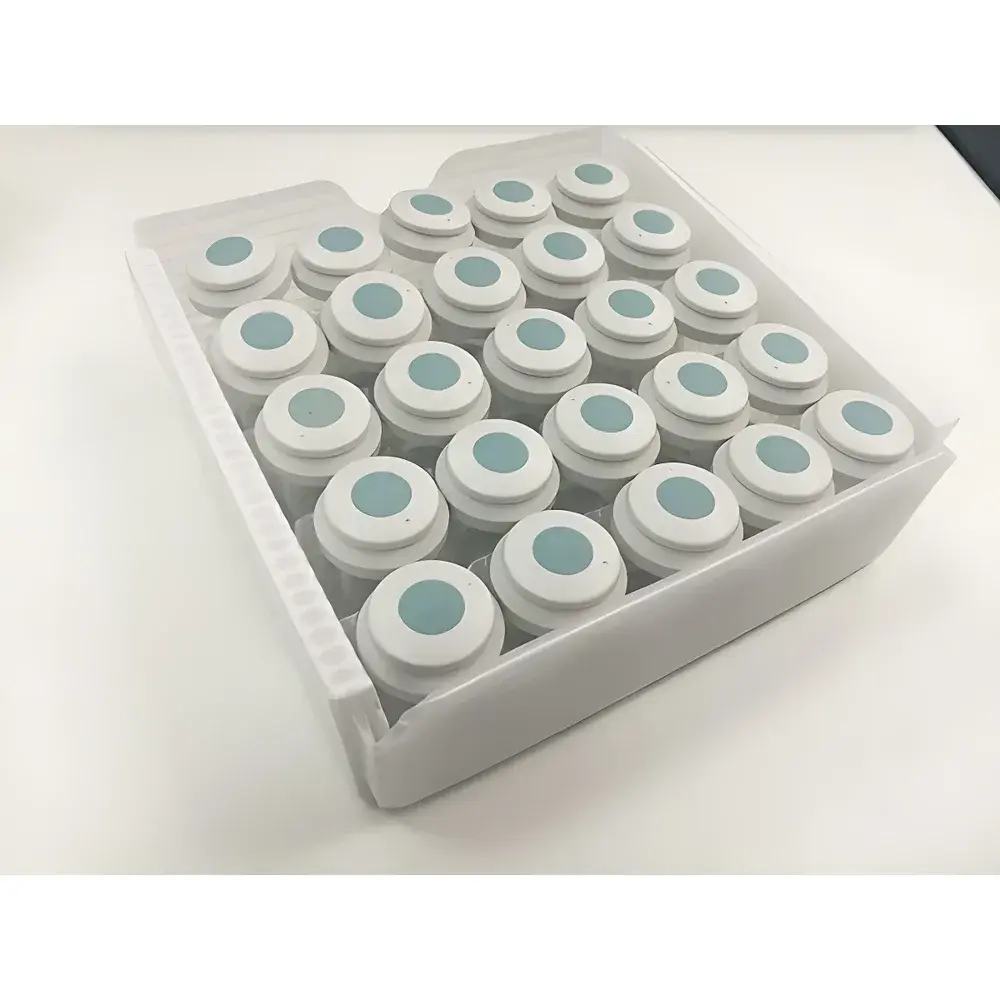
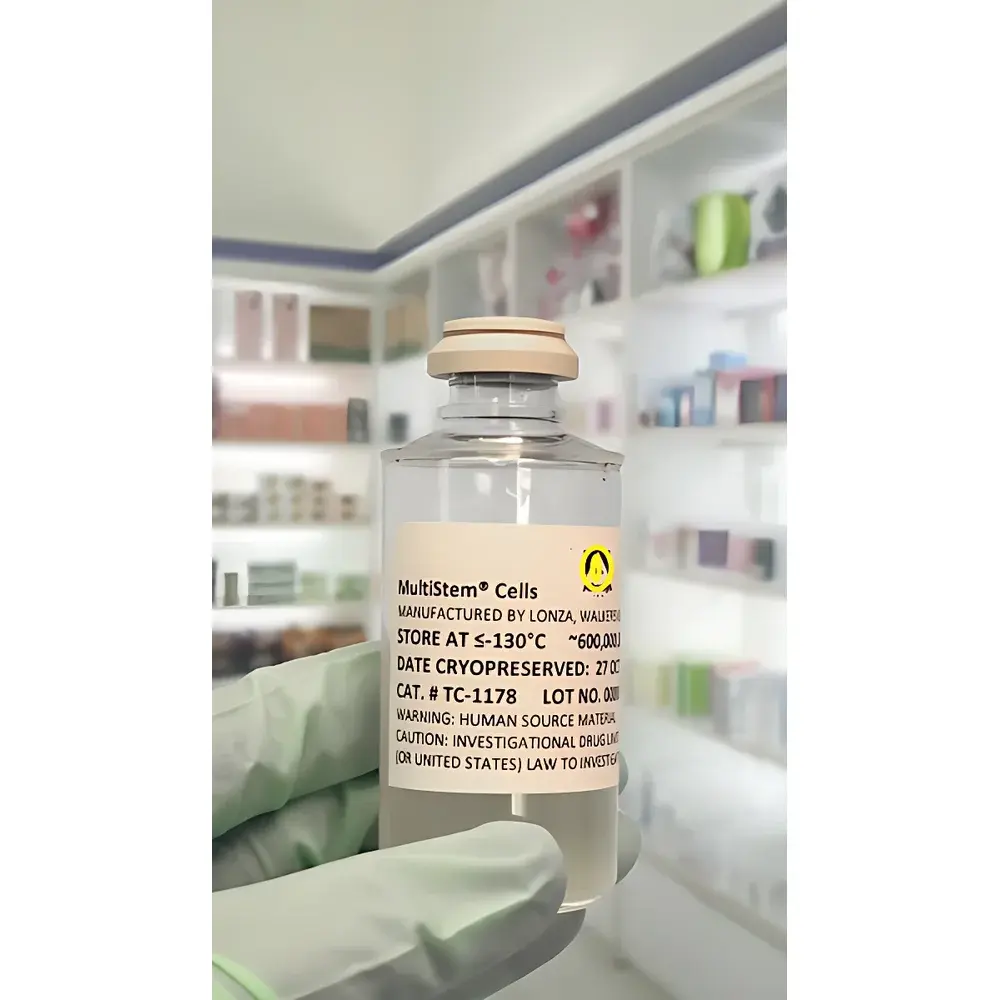
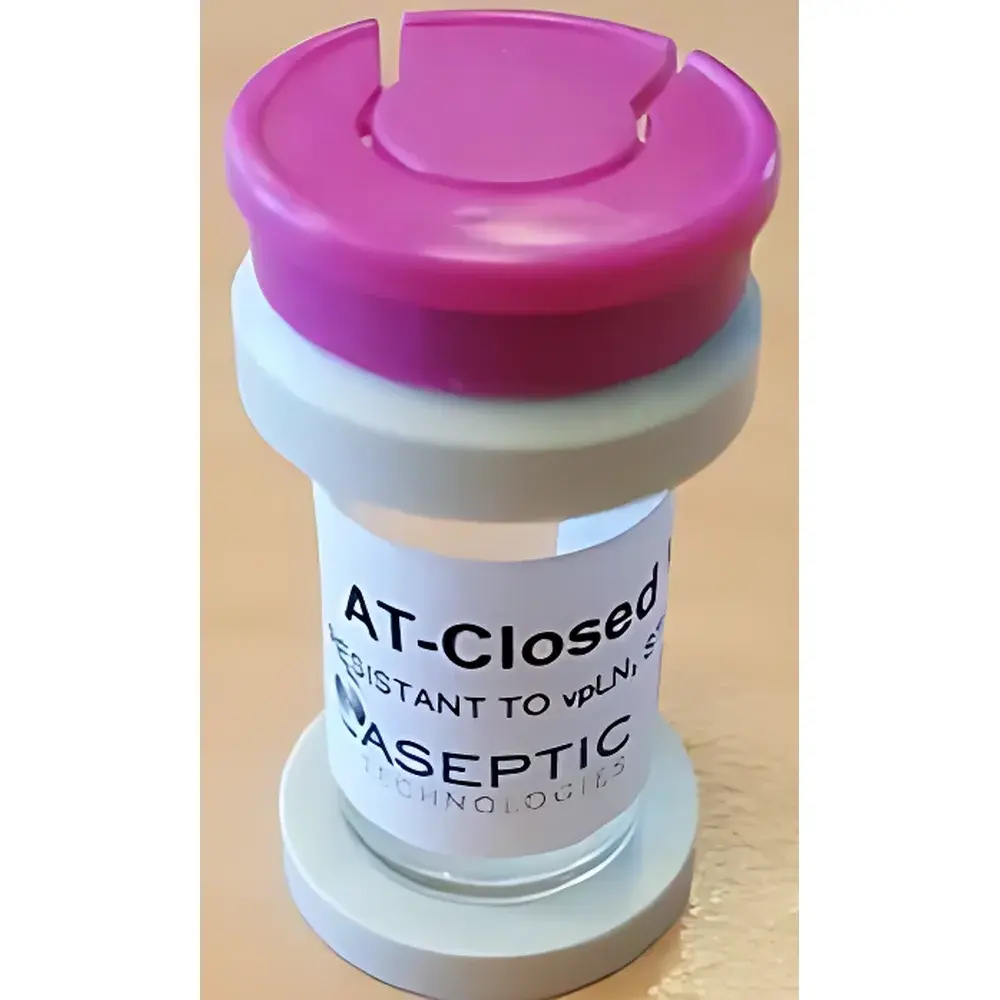
The AsepticTech AT-Vials Sterile Cryogenic Vials are a purpose-engineered primary container system developed over seven years by AsepticTech (Belgium) for the aseptic fill-finish of high-value biopharmaceuticals—including mammalian cells, viral vectors, monoclonal antibodies, and vaccines. Designed to meet stringent regulatory expectations for final drug product containers, AT-Vials operate on a validated pierce-and-fill principle using single-needle multi-puncture capability—enabling closed-system processing without vial stoppering prior to freezing. The vials utilize a proprietary thermosensitive elastomeric closure that self-seals upon thermal activation during lyophilization or cryogenic storage initiation, eliminating post-filling manual capping and associated contamination risks. Constructed from USP Class VI-certified cyclic olefin copolymer (COC), the vials provide exceptional clarity, impact resistance (drop-tested per ISO 8536-1), and low extractables/leachables profile—making them suitable not only for intermediate cryopreservation but also as the final marketed container in clinical and commercial supply chains.
Key Features
- Validated single-needle multi-puncture fill process—supports ≥5 consecutive sterile penetrations with same needle while maintaining sterility integrity (per USP particle limits)
- Thermally responsive elastomeric closure compliant with USP and Ph. Eur. 3.2.9; achieves hermetic seal upon exposure to ≤−20 °C or lyo shelf temperatures
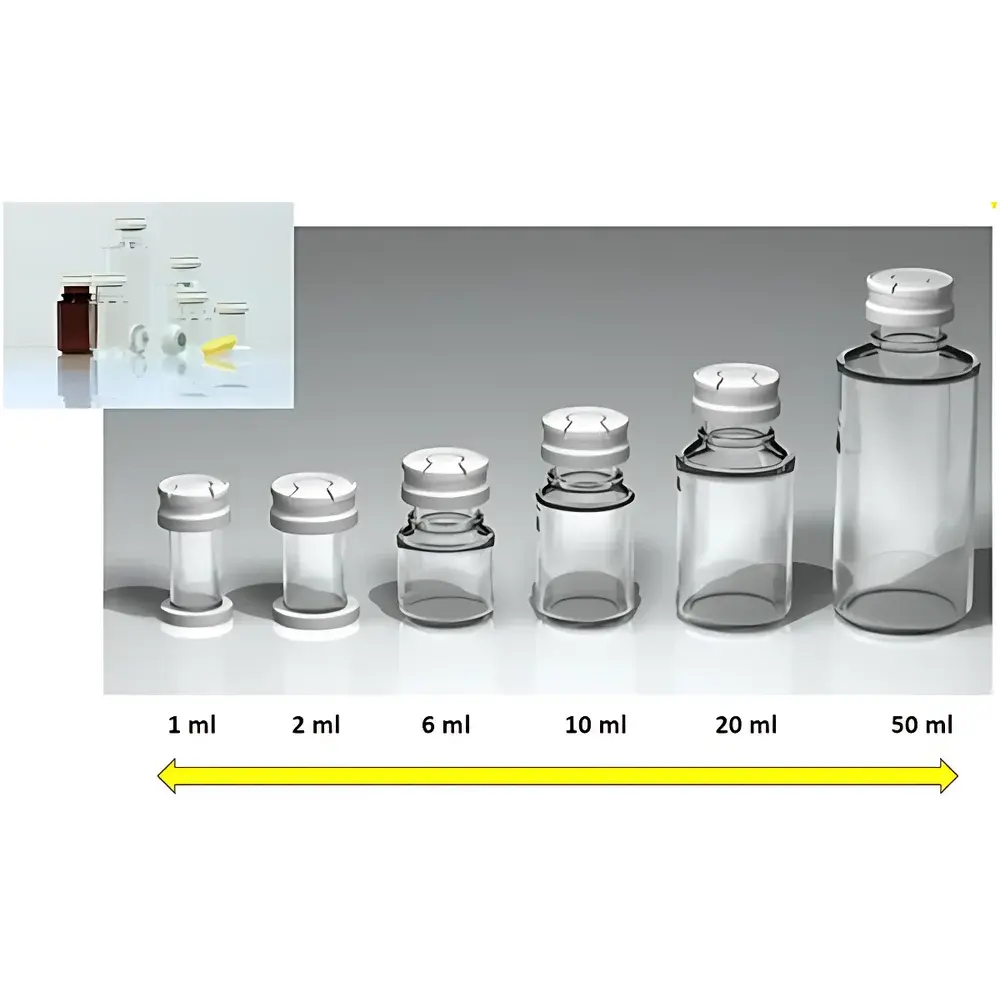
- Six volumetric formats: 1 mL, 2 mL, 6 mL, 10 mL, 20 mL, and 50 mL—each with consistent wall thickness and geometry optimized for uniform freezing and thawing kinetics
- Ultra-low endotoxin levels (<0.03 EU/mL) and bioburden <1 CFU/vial—verified per USP and , supporting GMP-compliant aseptic processing
- Negligible water vapor transmission rate (WVTR) and oxygen permeability—validated under ICH Q1A(R2) accelerated aging conditions (40 °C/75% RH, 25 °C/60% RH) for ≥7 years (ongoing study)
- Non-glass construction eliminates breakage risk during automated handling, shipping, and cryogenic transfer—reducing cold-chain failure points
Sample Compatibility & Compliance
AT-Vials demonstrate full compatibility with biologics across diverse formulation matrices—including sucrose- and trehalose-based lyo formulations, lipid nanoparticle suspensions, and live-attenuated viral preparations. All lots undergo comprehensive extractables and leachables profiling per ICH Q5C and USP , with no identified compounds exceeding safety thresholds (PDE/Q3C). Particulate performance meets USP requirements—demonstrating ≤50% of the allowable limit for particles ≥5 µm and ≥10 µm versus standard glass vials under identical fill conditions. Permeability testing confirms <0.05 mg H₂O loss/year at −80 °C and <1.2 cm³ O₂/m²·day·atm at 25 °C (ASTM F1249). End-of-shelf-life stability data generated per ICH Q5D supports use in both investigational new drug (IND) submissions and marketing authorization applications (MAA).
Software & Data Management
While AT-Vials themselves are passive containers, their integration into automated fill-finish lines (e.g., Bosch, Bausch+Ströbel, SP Scientific) leverages native SCADA and MES connectivity for full traceability. Batch records include vial lot number, sterilization cycle log (gamma irradiation, 25–40 kGy), particulate assay reports, and endotoxin certificates—all archived in accordance with FDA 21 CFR Part 11 and EU Annex 11 requirements. Digital audit trails capture fill sequence, needle penetration count, and environmental monitoring data (ISO Class 5) during aseptic processing—supporting GLP/GMP compliance and regulatory inspection readiness.
Applications
- Cryopreservation of CAR-T and other autologous/allogeneic cell therapies requiring direct patient administration
- Final container for viral vector products (AAV, lentivirus) undergoing ultra-low temperature distribution (−80 °C or liquid nitrogen)
- Lyophilized mAb and bispecific antibody formulations requiring minimal residual moisture and oxygen ingress
- Emergency vaccine stockpiling where mechanical robustness and rapid thawing are critical operational parameters
- Reference standard storage in QC laboratories—enabling long-term comparability across analytical method transfers
FAQ
Are AT-Vials compatible with standard lyophilization cycles?
Yes—validated across standard primary drying (−40 °C to −25 °C, 0.1–0.3 mbar) and secondary drying (20–30 °C, ≤0.05 mbar) profiles without delamination or seal failure.
Can AT-Vials be gamma-irradiated post-filling?
No—sterilization is performed pre-filling at the manufacturer site (25–40 kGy); post-fill irradiation is not recommended due to potential polymer chain scission and closure degradation.
Do AT-Vials require special capping equipment?
No—self-sealing occurs passively upon temperature drop below −20 °C; no crimping, induction sealing, or auxiliary hardware is needed.
Is there regulatory precedent for AT-Vials as a final marketed container?
Yes—multiple Phase III biologics and approved ATMPs (Advanced Therapy Medicinal Products) in EMA and PMDA submissions list AT-Vials as the primary container in Module 3.2.P.2.




