
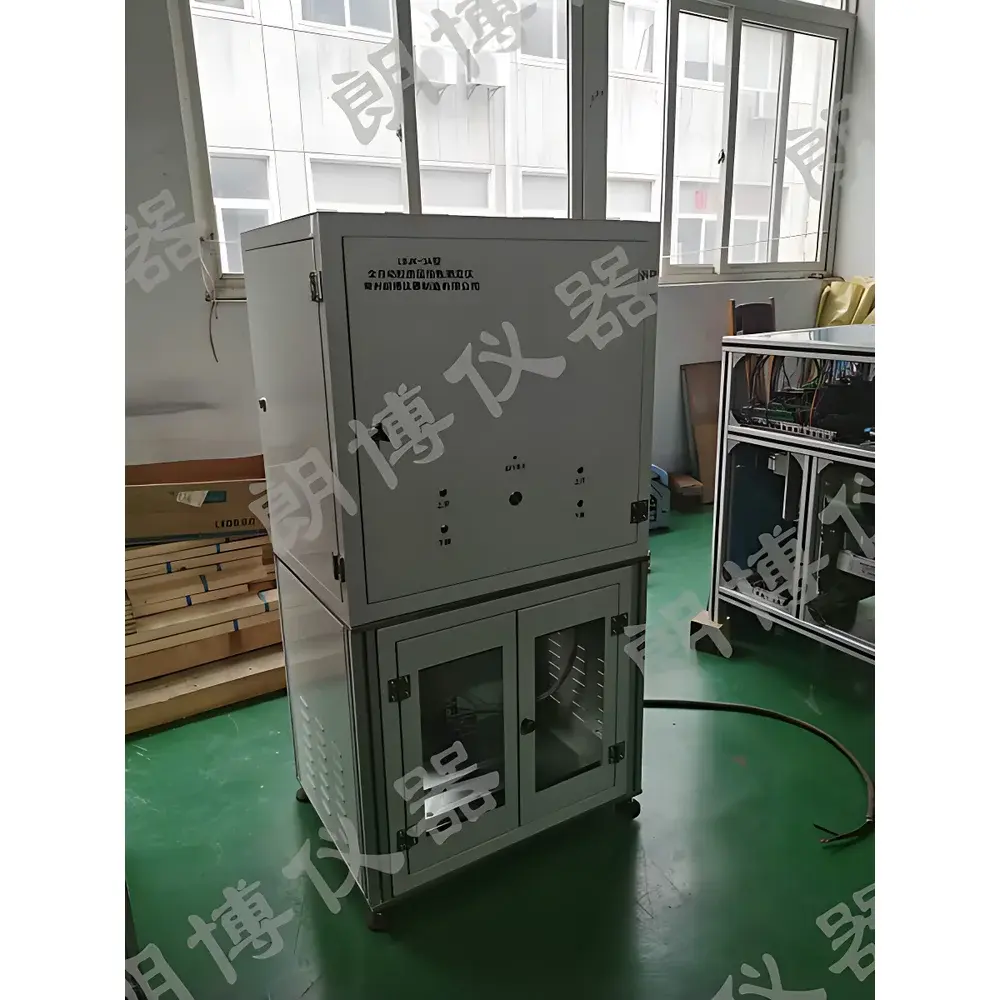
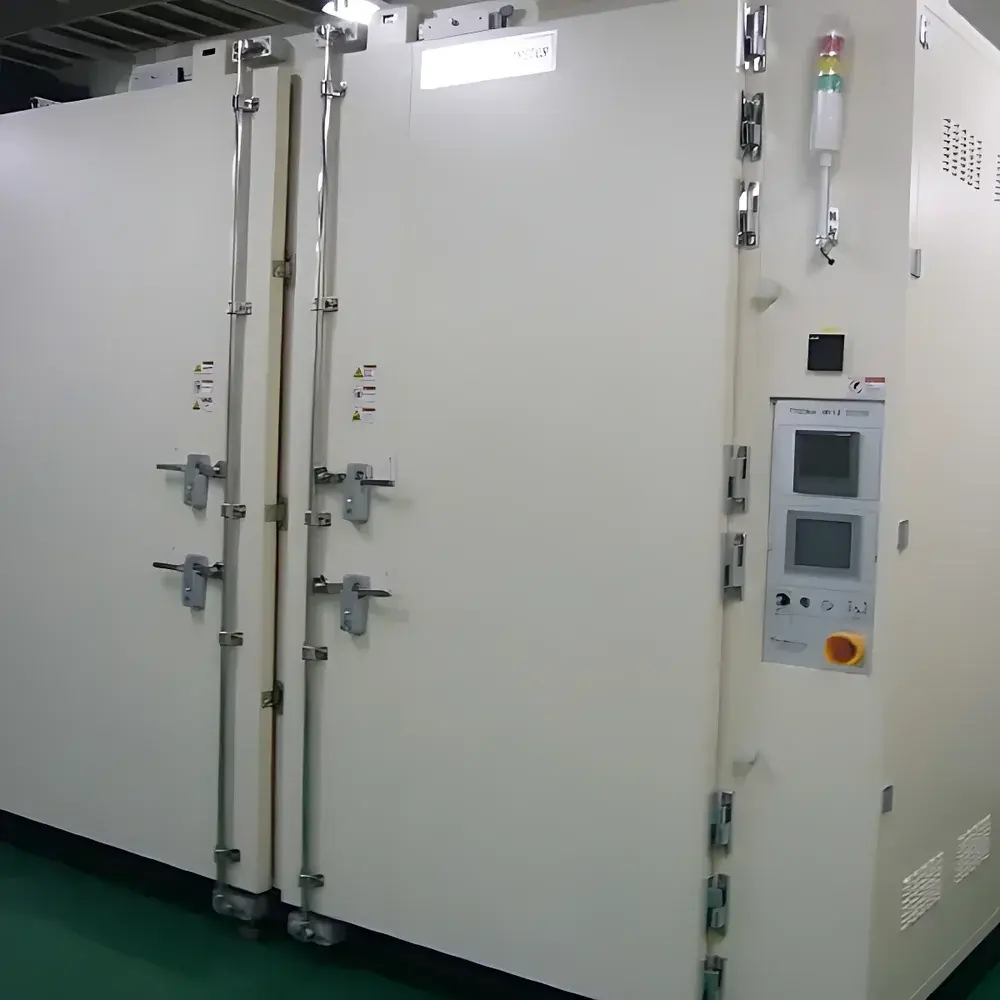
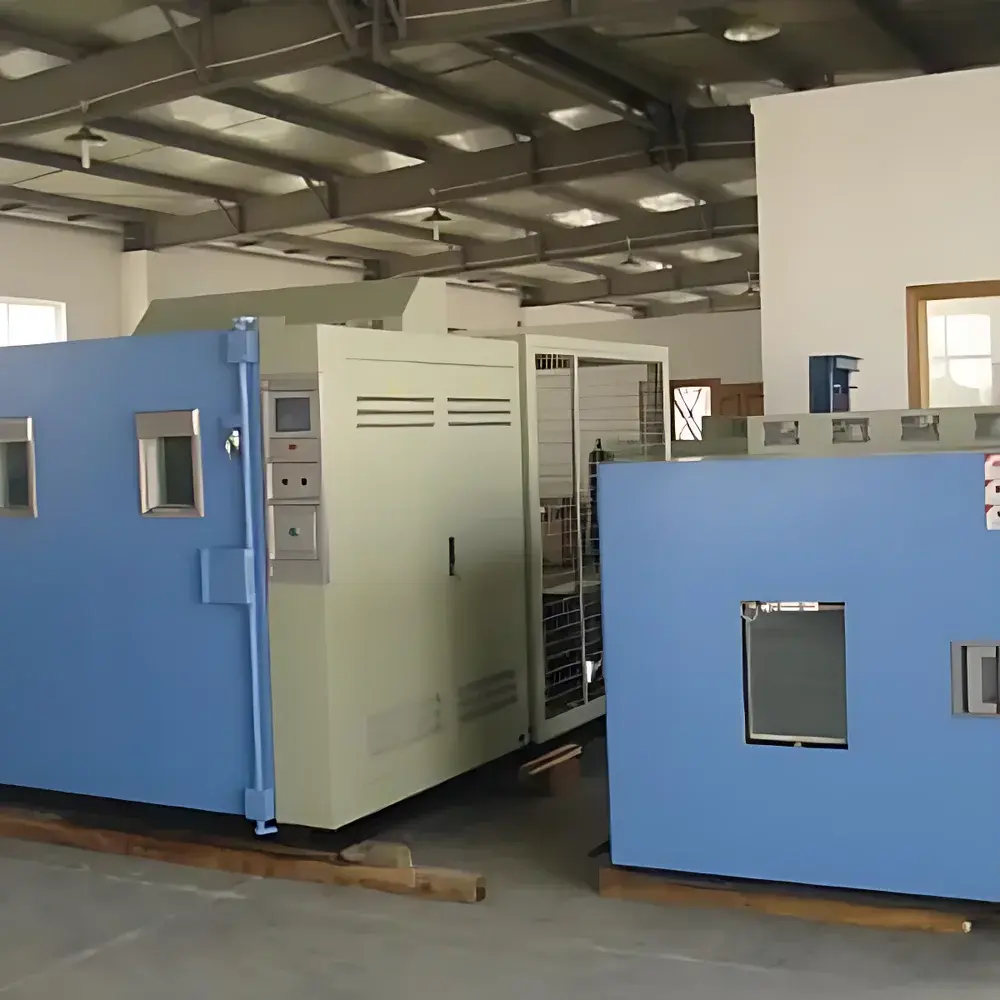
Gel Layer Index Tester LBJK-1
| Brand | Langbo Instruments |
|---|---|
| Origin | Jiangsu, China |
| Manufacturer Type | Authorized Distributor |
| Country of Manufacture | China |
| Model | LBJK-1 |
| Price | USD 5,400 (FOB Jiangsu) |
| Max Power | 2 × 4 kW |
| Temperature Range | 0–999 °C (Resolution: 1 °C) |
| Timing Range | 0–999 min (Resolution: 1 min) |
| Heating Rate Control | 30 min to 250 °C |
| Temp Accuracy | ±3 °C |
| Supply | 220 V, 50 Hz |
| Heating Element | Silicon Carbide Rods |
| Temperature Sensor | Armored K-Type Thermocouple |
| Chart Drum Linear Speed | 1 mm/min |
Overview
The Langbo Instruments Gel Layer Index Tester LBJK-1 is a dedicated laboratory instrument engineered for the standardized determination of the plastic properties of bituminous coal—specifically the maximum thickness of the gel layer (Y-value), the final contraction (X-value), and the volume curve profile—in accordance with ISO 501, ASTM D720, and GB/T 479–2016. The instrument operates on the principle of controlled vertical heating of a coal sample confined in a standardized metal cup, where thermal decomposition induces softening, swelling, and re-solidification, forming a viscoelastic gel layer whose dimensional evolution is mechanically recorded via a calibrated plunger and rotating drum chart system. Designed for routine quality control in coal preparation plants, power generation facilities, and third-party testing laboratories, the LBJK-1 replaces legacy models such as the DST-4 with enhanced thermal stability, digital process resilience, and dual-furnace independent control architecture.
Key Features
- Dual Independent Furnace Control: Front and rear furnaces are heated separately using two silicon carbide rods each, enabling precise, asynchronous ramping profiles while maintaining uniform thermal distribution across the coal cup—critical for reproducible Y-value measurement.
- Phase-Angle Power Regulation: Replaces outdated on/off heating control with continuous phase-angle thyristor regulation, eliminating thermal overshoot and electromagnetic interference, thereby improving temperature tracking fidelity during the critical 250–730 °C range.
- Intelligent Power Recovery: Equipped with non-volatile memory and real-time state logging; in the event of brief power interruption (< 5 min), the system resumes pre-interruption heating schedule, plunger position, and timing—preserving sample integrity and minimizing test repetition.
- Human-Centric Interface: Touch-sensitive control panel with integrated LED display provides real-time visualization of both furnace temperatures, elapsed time, and target setpoints aligned to national standard schedules (e.g., GB/T 479).
- Mechanical Recording Precision: Chart drum driven at a constant linear speed of 1 mm/min ensures geometrically accurate volume curve plotting; plunger displacement resolution is mechanically limited only by chart paper grain and stylus geometry—consistent with long-standing gravimetric calibration practices.
Sample Compatibility & Compliance
The LBJK-1 accommodates standard 60 mm × 60 mm coal briquettes prepared per ISO 501 or GB/T 479 protocols. Sample mass (100 g ± 0.5 g), particle size distribution (≤1.5 mm), and moisture content (< 5 wt%) must be verified prior to loading. The instrument meets mechanical and electrical safety requirements per IEC 61010-1:2010 and conforms to electromagnetic compatibility standards EN 61326-1:2013. While the device itself does not bear CE or UKCA marking, its design aligns with functional safety expectations for Class II laboratory equipment used in industrial QA/QC environments. Data outputs comply with GLP documentation requirements when paired with validated manual chart interpretation or optional digital scanning workflows.
Software & Data Management
The LBJK-1 operates as a stand-alone electromechanical system without embedded firmware or network connectivity. All operational parameters—including temperature setpoints, ramp rates, and timing sequences—are configured manually via front-panel interface. Temperature readings are derived from two armored K-type thermocouples (IEC 60584-1 compliant), independently calibrated against traceable reference standards at three points (200 °C, 500 °C, 700 °C) per annual maintenance protocol. Chart recordings serve as primary data records; digitization is performed externally using calibrated scanners and image analysis software (e.g., ImageJ with custom macros) to extract Y and X values. For audit readiness, laboratories are advised to retain original charts for ≥5 years alongside logbooks documenting operator identity, sample ID, ambient conditions, and calibration verification dates—fully supporting FDA 21 CFR Part 11-aligned record-keeping when implemented within a documented SOP framework.
Applications
- Rank assessment and coking propensity evaluation of bituminous coals in coal blending optimization for coke ovens.
- Quality assurance testing in coal supply chains serving thermal power stations, particularly for compliance with contractual Y/X specifications.
- Research into coal pyrolysis behavior under standardized heating conditions for modeling carbonization kinetics.
- Interlaboratory comparison studies coordinated under ISO/IEC 17043 proficiency testing schemes.
- Technical training for coal laboratory personnel on classical physical coal characterization methods.
FAQ
Does the LBJK-1 support automated Y/X value calculation?
No. It generates analog chart recordings per GB/T 479. Quantitative extraction of Y (maximum plunger descent) and X (net contraction after final solidification) requires manual measurement or post-acquisition image analysis.
Can the instrument be used for non-bituminous coals such as lignite or anthracite?
No. The test method and hardware configuration are validated exclusively for medium- to high-volatile bituminous coals exhibiting measurable gel layer formation. Non-caking coals yield invalid or non-interpretable curves.
What maintenance intervals are recommended for sustained accuracy?
Silicon carbide rods should be inspected quarterly for cracking or resistance drift; thermocouples require recalibration annually or after 200 test cycles; chart drive mechanism lubrication is advised every 6 months.
Is technical documentation available in English?
Yes. Comprehensive operation manual, calibration procedure, and GB/T 479–2016 cross-reference guide are supplied in bilingual (Chinese/English) format with each unit.






