
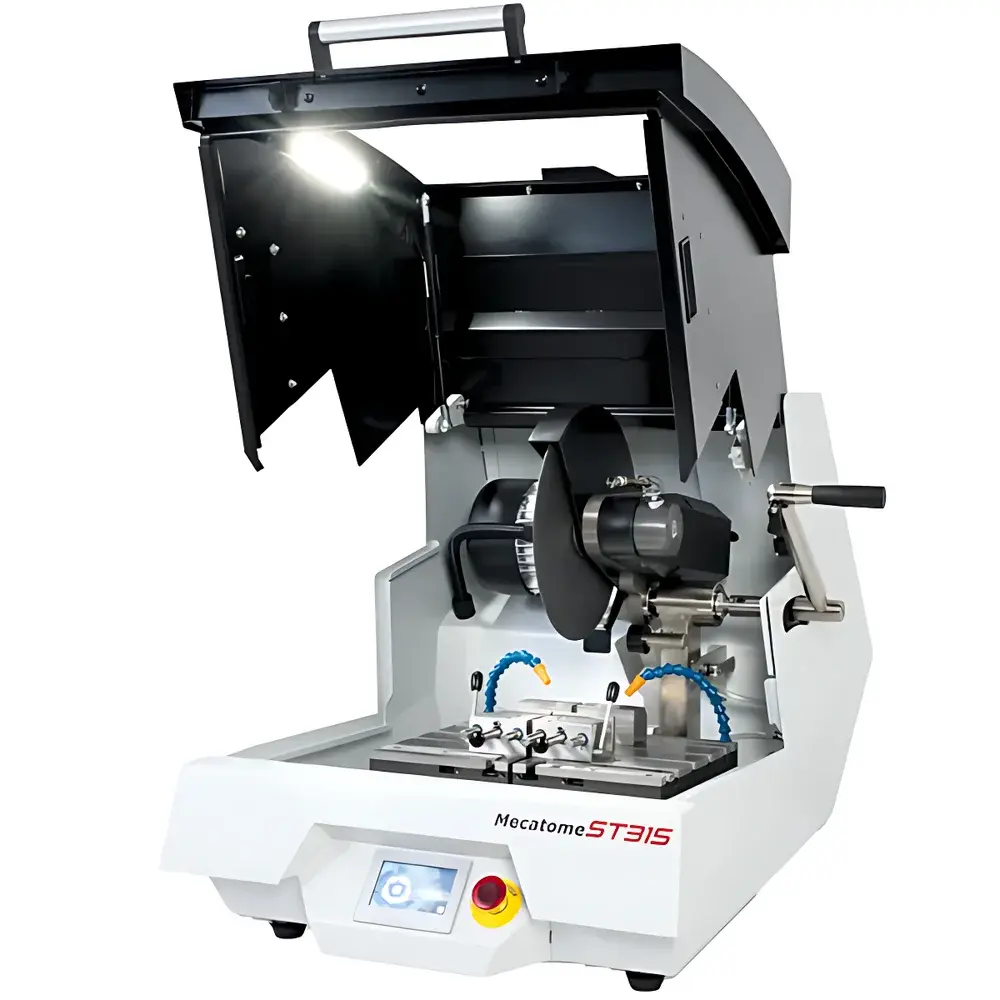
PRESI MECATOME ST315 Manual Abrasive Cutting Machine
| Brand | PRESI |
|---|---|
| Origin | France |
| Model | MECATOME ST315 |
| Motor Power | 4000 W (S3 duty cycle) |
| Voltage/Frequency | 380 V / 3-phase / 50–60 Hz |
| Control Interface | Metal push buttons & rotary knobs |
| Cutting Modes | Manual straight cut (Z-axis), oscillating cut (Y-axis) |
| Spindle Speed | Adjustable |
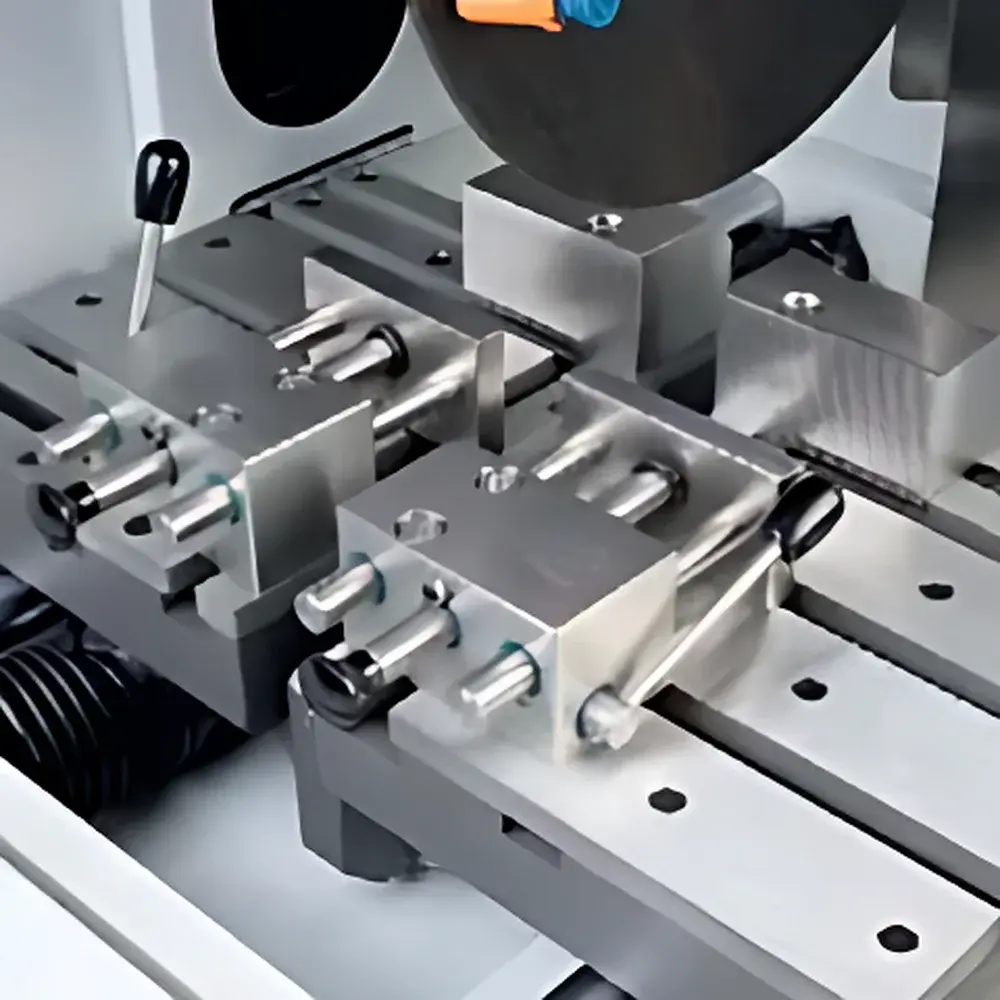
| Sample Clamping | Universal fixture compatibility |
| Cutting Wheel Types | Diamond, cubic boron nitride (CBN), and abrasive wheels |
| Worktable | Anodized aluminum base with removable stainless-steel top plate |
| Cooling System | High-flow nozzle for continuous coolant delivery |
| Illumination | Integrated industrial-grade LED lighting |
| Viewing Window | Reinforced explosion-proof polycarbonate |
| Exhaust Port | Standard 100 mm duct interface |
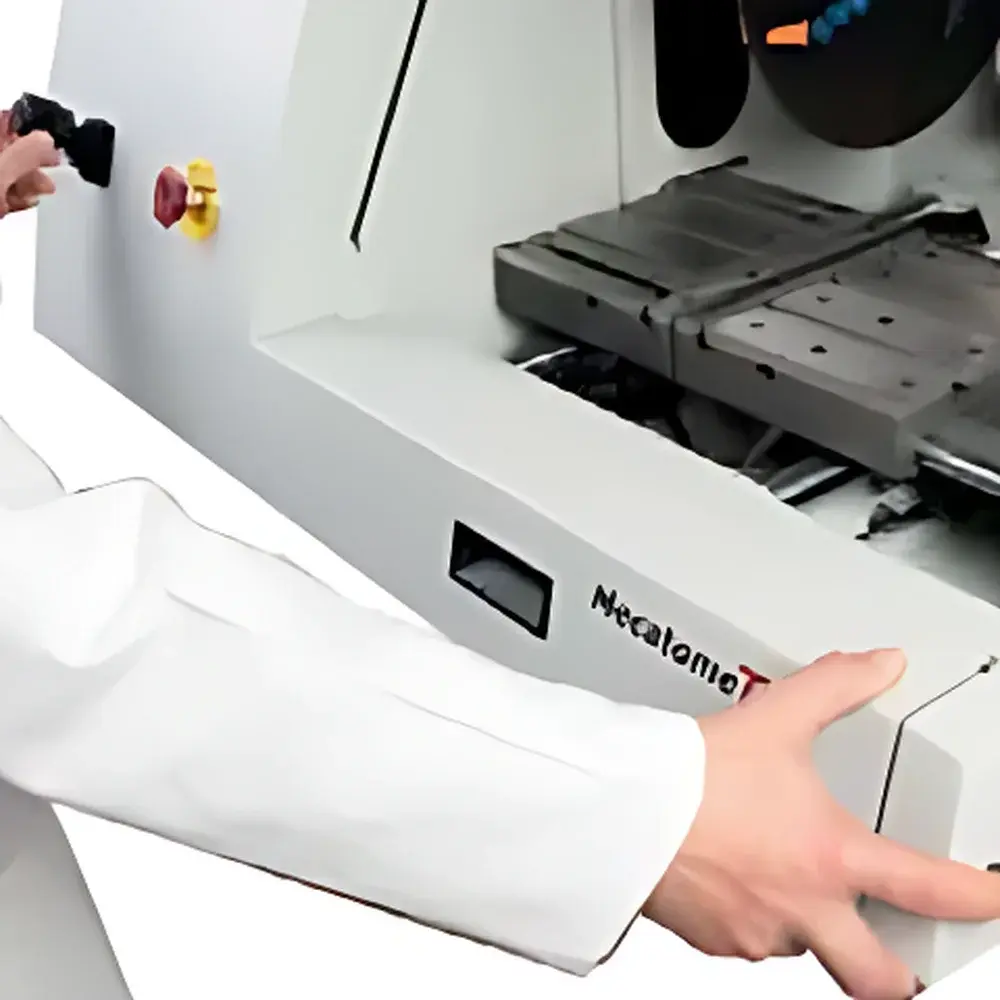
| Safety Systems | Emergency stop button, interlocked safety door switch, electromagnetic motor brake, full protective housing compliant with EN ISO 13857 and EN 60204-1 |
Overview
The PRESI MECATOME ST315 is a precision-engineered manual abrasive cutting machine designed for high-integrity sample sectioning in metallurgical, materials science, and quality control laboratories. Operating on the principle of controlled mechanical abrasion—where rotational kinetic energy from a high-torque motor is transferred to a bonded abrasive or superabrasive wheel—the ST315 delivers reproducible, low-damage cross-sections across a broad spectrum of rigid materials, including hardened steels, carbides, ceramics, composites, and cast alloys. Its dual-mode kinematic architecture enables both axial (Z-direction) plunge cutting and Y-axis oscillating motion, allowing users to modulate contact geometry between the wheel and specimen surface. This capability directly mitigates thermal accumulation and mechanical subsurface deformation—critical for preserving microstructural fidelity prior to subsequent metallographic preparation, SEM analysis, or hardness testing.
Key Features
- 4000 W S3-rated industrial motor with built-in frequency converter for real-time torque and speed compensation under variable load conditions—ensuring consistent peripheral velocity and minimizing vibration-induced artifacts.
- Oscillating cutting mode reduces effective wheel–sample contact area by up to 60% versus conventional straight cuts, enhancing coolant penetration and reducing heat-affected zone (HAZ) depth to <15 µm in optimized configurations.
- Stepless spindle speed adjustment maintains constant linear cutting velocity (LCV) across wheel wear cycles—preserving cut quality and extending consumable life without manual recalibration.
- Universal wheel compatibility supports 200–300 mm diameter diamond, CBN, and silicon carbide wheels—enabling application-specific selection based on material hardness, brittleness, and required kerf width.
- Anodized aluminum structural frame with modular stainless-steel worktable top ensures long-term dimensional stability and corrosion resistance; the replaceable top plate simplifies maintenance and avoids costly full-table replacement.
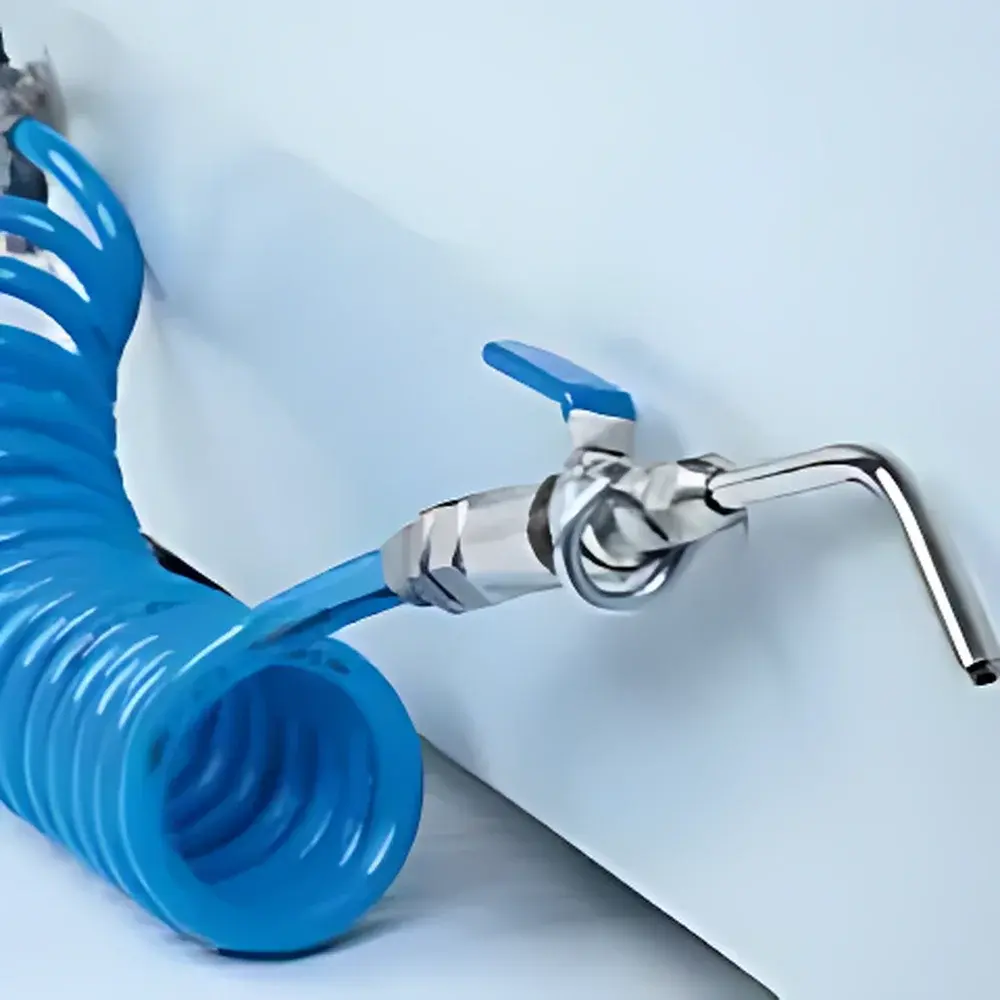
- Integrated high-volume coolant nozzle delivers uniform fluid coverage over the cut interface, while auxiliary spray nozzles assist in chamber cleaning and debris removal post-operation.
- Explosion-resistant polycarbonate viewing window (EN 14429 certified) combined with IP65-rated LED illumination provides unobstructed visual monitoring under full operational load.
- Removable lateral side panels permit overhang of specimens up to 600 mm beyond the base footprint—accommodating extended bars, tubes, or extrusions without repositioning.
- Dedicated 100 mm exhaust port interfaces seamlessly with centralized lab fume extraction systems, ensuring compliance with OSHA 1910.1200 and EU Directive 2004/37/EC regarding airborne particulate exposure limits.
- Full-spectrum safety architecture includes dual-channel emergency stop, door interlock with forced-guided contacts, dynamic electromagnetic braking (<150 ms response), and CE-marked protective housing meeting EN ISO 13857 (safe distances) and EN 60204-1 (electrical safety).
Sample Compatibility & Compliance
The MECATOME ST315 accommodates specimens ranging from 5 × 5 mm miniature coupons to 300 × 300 mm cross-sectional blocks, with maximum height clearance of 180 mm. It routinely processes ferrous and non-ferrous alloys (e.g., Inconel 718, Ti-6Al-4V), cemented carbides (WC-Co), sintered ceramics (Al₂O₃, SiC), and polymer-matrix composites. All operational parameters—including feed rate, oscillation amplitude, and dwell time—are manually controlled to align with ASTM E3–22 (Standard Guide for Preparation of Metallographic Specimens) and ISO 14487:2021 (Metallographic cutting procedures). The system’s mechanical design and documentation package support GLP/GMP audit readiness, including traceable calibration records for motor performance and safety circuit verification logs.
Software & Data Management
As a manually operated instrument, the ST315 does not incorporate embedded firmware or digital control software. However, its mechanical repeatability and ergonomic interface facilitate integration into documented laboratory workflows governed by ISO/IEC 17025:2017. Users may record cutting parameters—including wheel type, coolant composition, oscillation settings, and operator ID—in paper-based or LIMS-linked logbooks. Optional third-party digital logging accessories (e.g., USB-connected tachometers or torque sensors) can be deployed for metrological traceability in regulated environments requiring FDA 21 CFR Part 11–compliant electronic records.
Applications
- Precision sectioning of weld joints, heat-affected zones (HAZ), and dissimilar metal interfaces for failure analysis.
- Preparation of tensile test specimens per ASTM E8/E8M and ISO 6892-1 standards.
- Sampling of additively manufactured components for porosity and microstructure evaluation.
- Sectioning of geological core samples and refractory linings for petrographic and phase analysis.
- Routine QC sampling in foundries, forging facilities, and aerospace component manufacturing lines.
FAQ
What types of abrasive wheels are compatible with the MECATOME ST315?
Diamond, cubic boron nitride (CBN), and conventional abrasive wheels with diameters from 200 mm to 300 mm and arbor sizes of 32 mm are supported.
Does the ST315 require compressed air or external vacuum for operation?
No—coolant delivery is gravity- or pump-assisted; exhaust ducting is passive but requires connection to an active lab ventilation system.
Can the machine be used for precision thin-sectioning (e.g., TEM lamella prep)?
Not recommended—the ST315 is optimized for macro-scale sectioning (kerf widths ≥ 0.8 mm); dedicated precision saws (e.g., ultramicrotomes or focused ion beam systems) are required for sub-micron thicknesses.
Is the electrical configuration adaptable for North American 208 V / 3-phase supply?
Yes—custom motor windings and control module configuration are available upon order specification; standard units ship with 380 V / 50 Hz European configuration.
How frequently should the stainless-steel worktable top be replaced?
Under typical lab usage (≤ 4 hrs/day), replacement intervals range from 18–36 months depending on abrasive load and coolant chemistry; visual inspection for pitting or warping is the primary indicator.



