
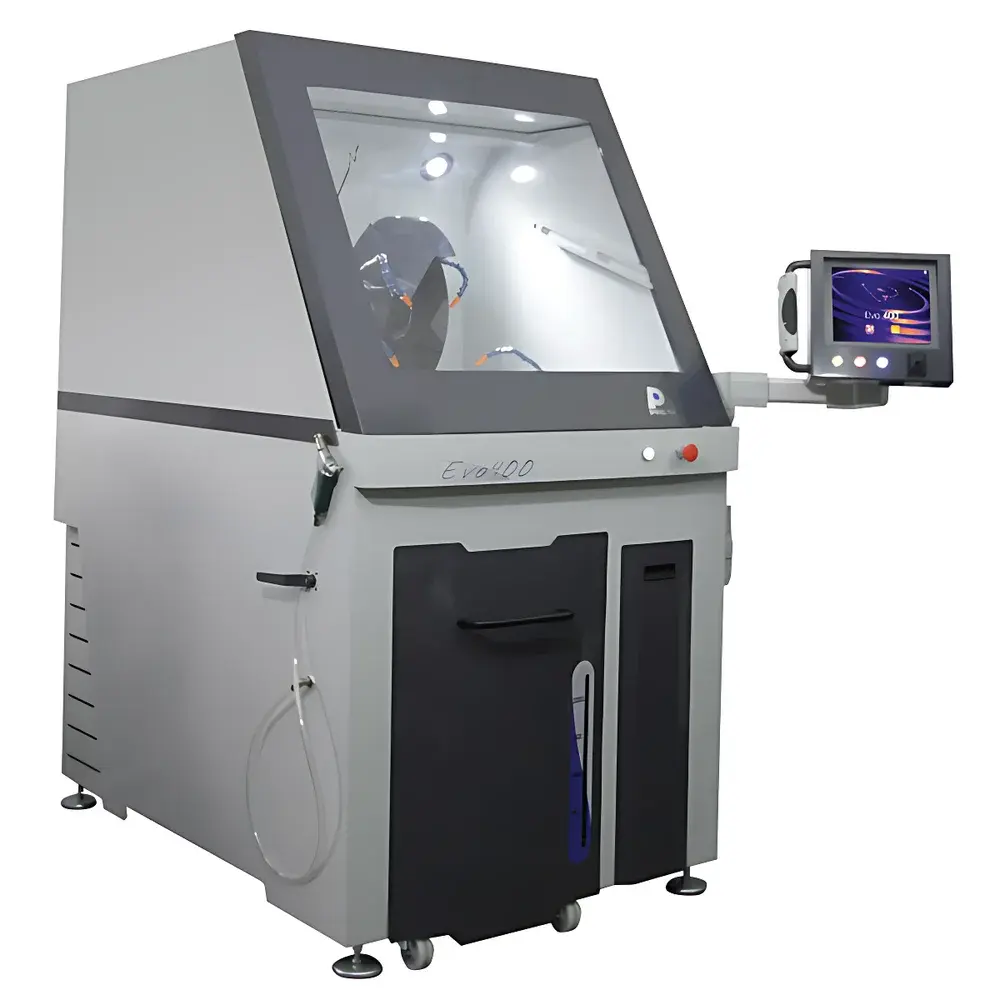
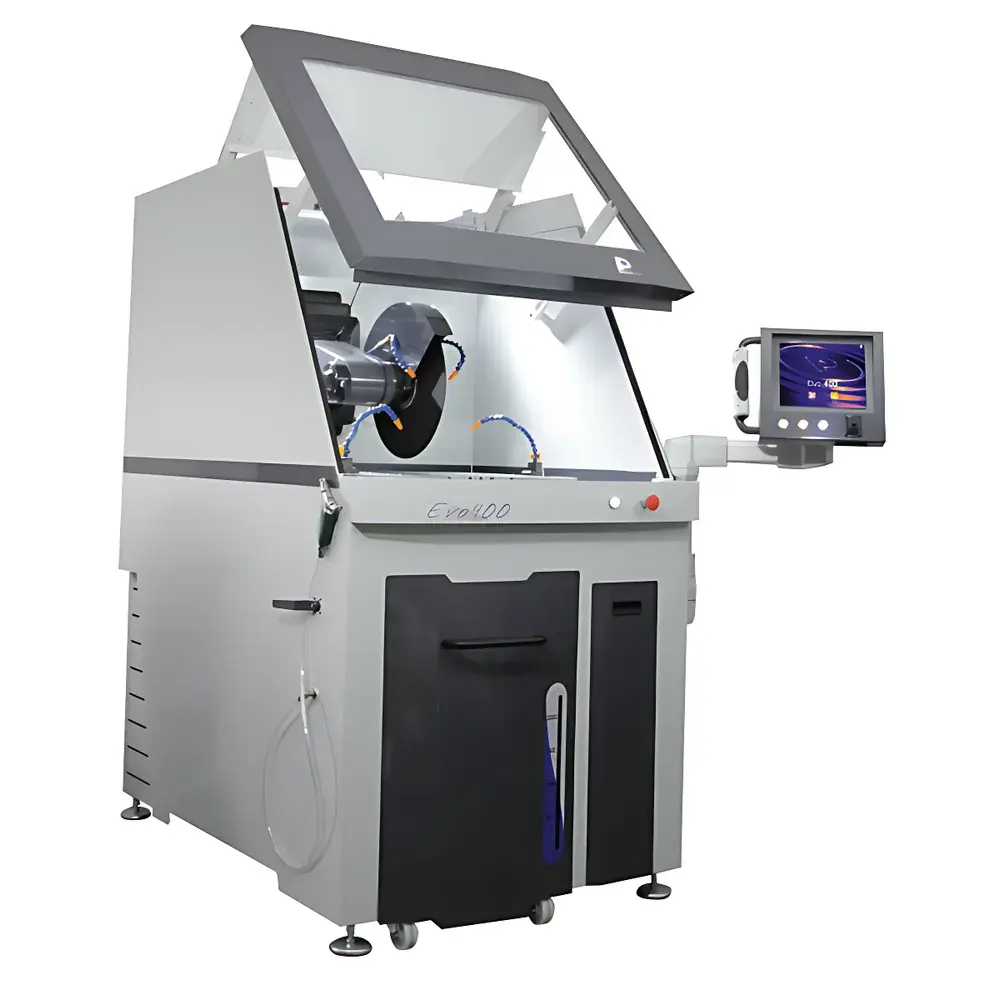
PRESI EVO 400 Large Vertical Automatic Abrasive Cutting Machine
| Brand | PRESI |
|---|---|
| Origin | France |
| Model | EVO 400 |
| Motor Power | 7.5 kW, Variable-Frequency Drive (VFD) |
| Supply Voltage | 380 V / 3-Phase / 50 Hz |
| Maximum Wheel Diameter | Φ400 mm |
| Compatible Abrasive Wheels | Diamond, Cubic Boron Nitride (CBN), Aluminum Oxide, Silicon Carbide |
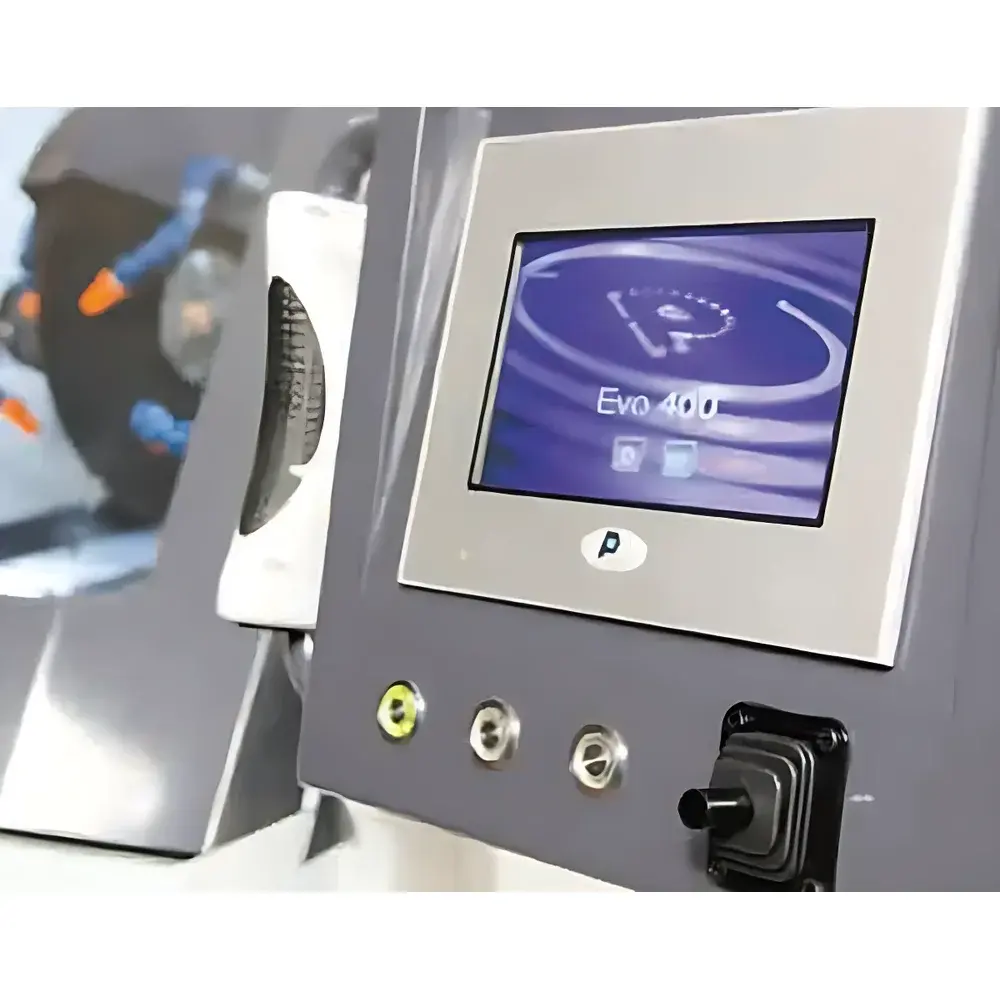
| Control Interface | 10.1" Full-Color Touchscreen with Multi-Language Support (including English, French, German, Chinese) |
| Stored Methods | Up to 100 Predefined Cutting Protocols |
| Cutting Modes | Manual-Assisted, Fully Automatic, and Programmable Sequence |
| Intelligent Load Compensation | Real-time Torque & Feed Rate Adjustment Based on Motor Load Feedback |
| Compliance | CE Marked, Designed per EN 60204-1 (Electrical Safety), EN ISO 12100 (Risk Assessment), and EN 62061 (Functional Safety of Machinery) |
Overview
The PRESI EVO 400 is a high-capacity, vertically oriented automatic abrasive cutting machine engineered for precision sample sectioning in demanding metallurgical, geological, ceramic, and advanced materials laboratories. Utilizing controlled abrasive wheel rotation and programmable feed mechanics, the EVO 400 delivers reproducible cross-sectional cuts with minimized thermal distortion, micro-cracking, and subsurface damage—critical parameters for subsequent metallographic analysis, SEM/EDS preparation, or mechanical testing. Its robust cast-iron frame, vibration-damped base, and integrated safety enclosure ensure operational stability under sustained high-torque conditions. Designed for dual-use environments, the EVO 400 meets both ISO/IEC 17025-accredited laboratory requirements and industrial QA/QC floor integration standards.
Key Features
- 7.5 kW variable-frequency motor with closed-loop torque control ensures consistent peripheral speed across wheel wear cycles—maintaining optimal linear velocity (m/s) regardless of wheel diameter reduction.
- Motor-driven hinged safety door with interlocked access control reduces operator fatigue and enforces procedural compliance during loading/unloading of large specimens (up to 400 mm height × 300 mm depth).
- Front- and side-access platform design accommodates overhead crane handling of heavy or oversized samples (max. weight: 50 kg), eliminating manual lifting risks.
- Three operational modes: (1) Manual-assisted mode with ergonomic joystick and programmable depth limiter; (2) Fully automatic mode with adaptive feed rate modulation based on real-time motor current draw; (3) Method-driven sequence mode with password-protected parameter libraries for GxP-aligned user role management.
- Intelligent cutting algorithm continuously monitors motor load signature; upon detection of overload, it autonomously reduces feed rate by 50%, then incrementally restores feed (+20% per stable cycle) until nominal load is re-established—preserving both specimen integrity and wheel life.
- 10.1-inch capacitive touchscreen interface supports full method configuration, execution logging, and audit-ready parameter traceability—including timestamps, operator ID, and method version number.
Sample Compatibility & Compliance
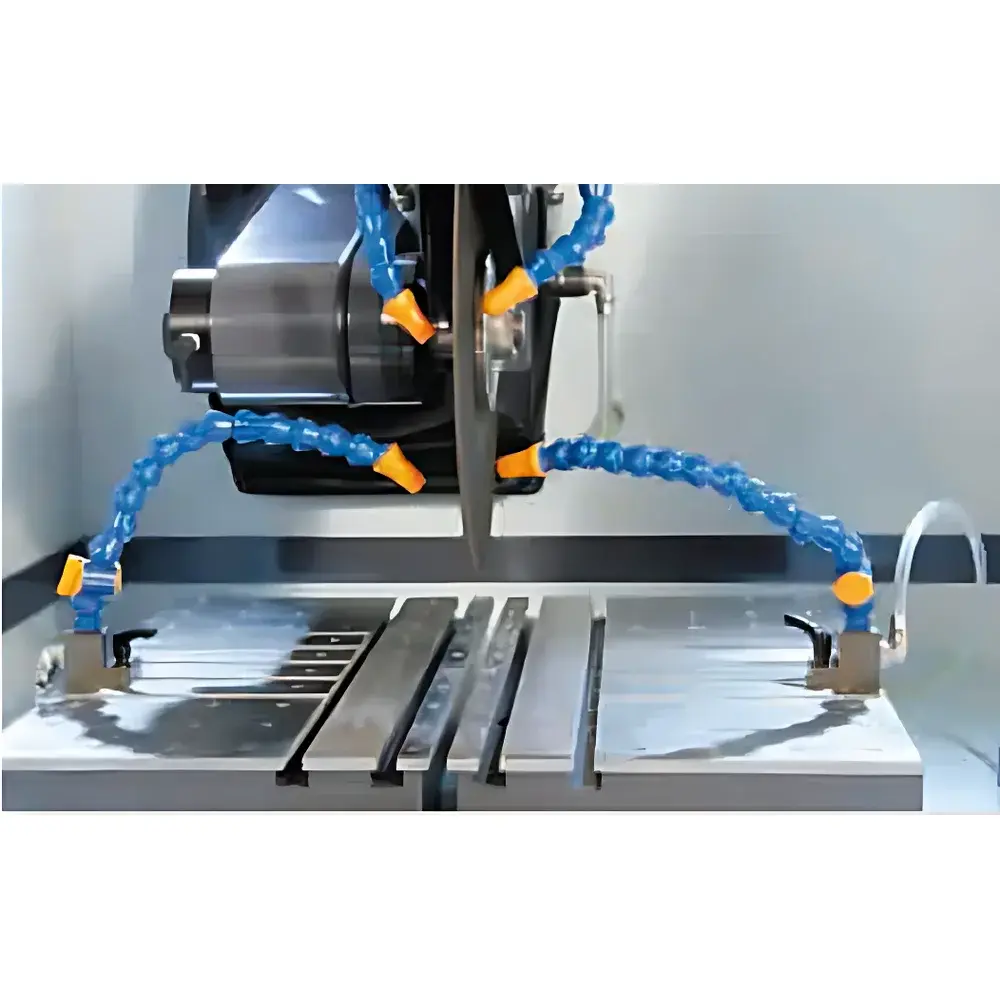
The EVO 400 accepts standard ISO 6492-compliant abrasive wheels up to Φ400 mm and 32 mm arbor diameter, supporting diamond, CBN, Al₂O₃, and SiC matrices for ferrous alloys, superalloys, composites, concrete, and refractory ceramics. Its enclosed cutting chamber complies with EN 13218 (abrasive wheel machinery safety) and integrates dust extraction ports compatible with ISO 16000-7-certified fume extraction systems. All electrical architecture conforms to EN 60204-1, while functional safety circuits meet SIL 2 per EN 62061. The system supports GLP/GMP documentation workflows through optional CSV export of method logs and event histories.
Software & Data Management
No proprietary software installation is required—the EVO 400 operates via embedded firmware with native support for method backup/restoration via USB 2.0. Each stored protocol includes wheel type, RPM setpoint, initial feed rate, pulse interval (for intermittent cut strategy), dwell time, and final retract speed. All executed cuts generate timestamped records containing actual vs. target feed rates, motor temperature, cumulative wheel rotation, and anomaly flags (e.g., “load spike,” “door open during cut”). These logs are exportable in UTF-8–encoded CSV format for integration into LIMS or electronic lab notebooks (ELN), satisfying FDA 21 CFR Part 11 requirements when paired with institutional digital signature infrastructure.
Applications
- Preparation of ASTM E3-22–compliant metallographic specimens from turbine blades, weld joints, and additively manufactured components.
- Sectioning of geological core samples (up to 300 mm diameter) with minimal grain pull-out for petrographic thin-section analysis.
- High-precision slicing of silicon carbide and tungsten carbide tooling inserts prior to hardness mapping (ASTM E384).
- Routine QA cutting of aerospace-grade titanium alloy billets (Ti-6Al-4V) under AS9100-controlled processes.
- Research-scale sectioning of battery electrode stacks, solid-state electrolytes, and thermal barrier coatings where heat-affected zone (HAZ) depth must remain below 15 µm.
FAQ
What wheel types are certified for use with the EVO 400?
Diamond, cubic boron nitride (CBN), aluminum oxide, and silicon carbide wheels conforming to ISO 6492 and EN 12413 are fully supported.
Does the EVO 400 support remote monitoring or network connectivity?
The device features RS-232 and Ethernet (TCP/IP) ports for external PLC integration and optional OEM-level SCADA telemetry—not for cloud-based remote operation.
Is method validation documentation available for ISO/IEC 17025 accreditation?
Yes—PRESI provides IQ/OQ templates, calibration certificates for built-in torque sensors, and traceable verification reports aligned with ISO/IEC 17025 Clause 6.4.1.
Can the EVO 400 be integrated into an automated sample prep line?
With its I/O expansion module (optional), the machine supports dry-contact signals for start/stop synchronization, door status feedback, and emergency stop chaining per EN 61800-5-2.
What maintenance intervals are recommended for the VFD motor and gearbox?
Motor bearings require relubrication every 10,000 operating hours; gearbox oil replacement is scheduled at 20,000 hours or biannually—whichever occurs first—using ISO VG 220 synthetic gear oil.



