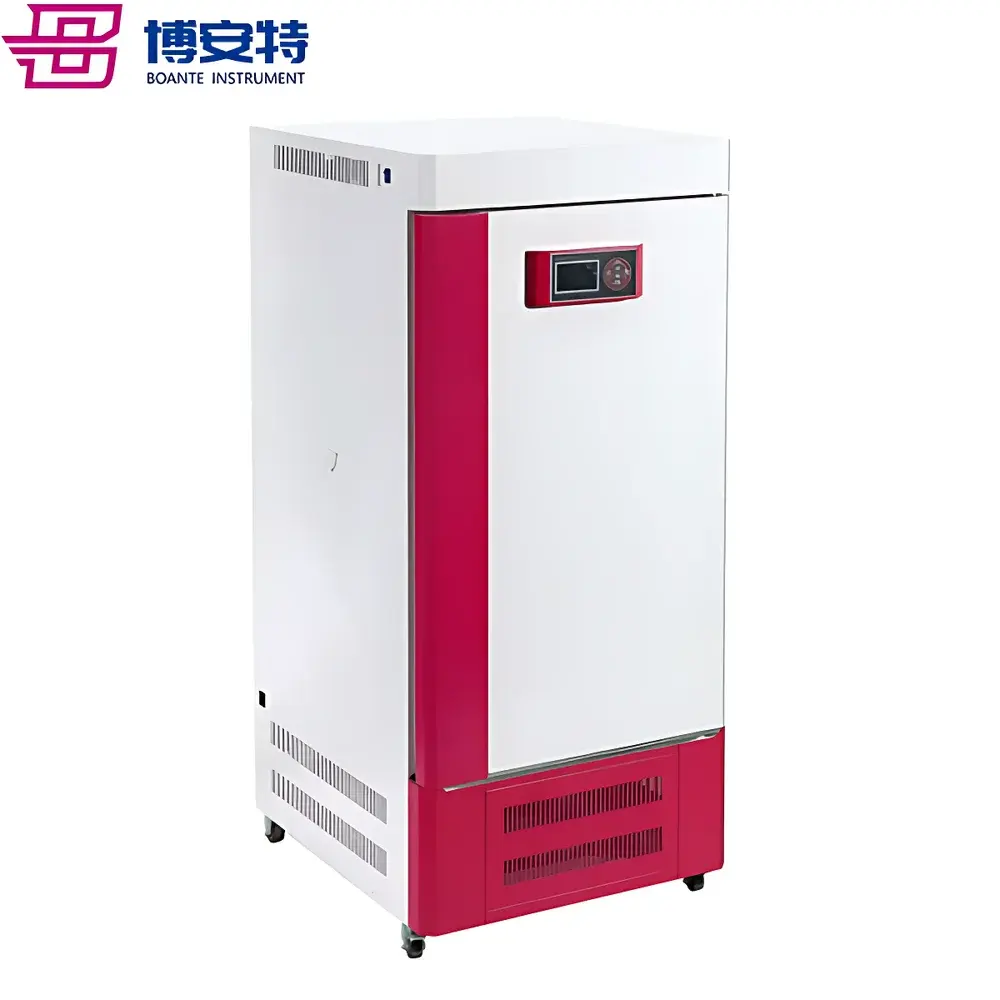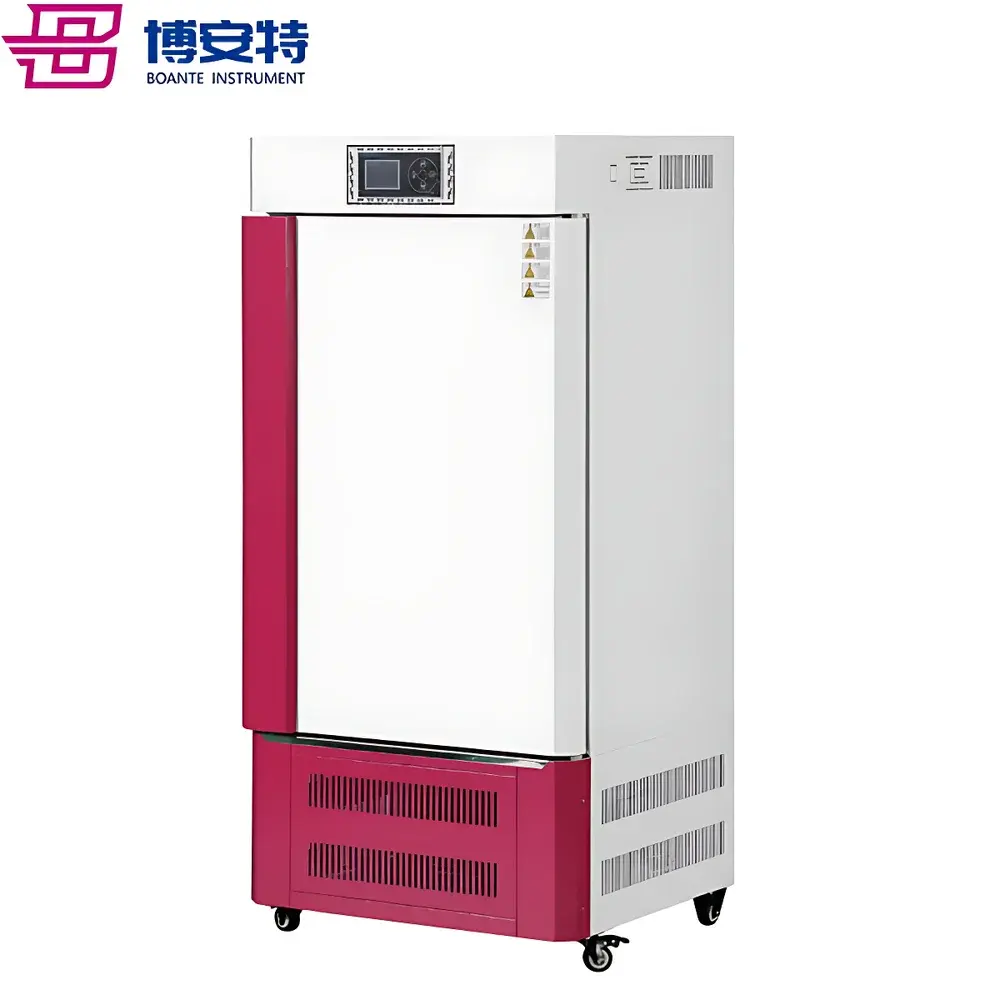
CITSensBio Online Glucose and Lactate Analyzer
| Origin | France |
|---|---|
| Manufacturer Type | Distributor |
| Origin Category | Imported |
| Model | CITSensBio |
| Price Range | USD 13,500 – 27,000 (est.) |
| Sterilization Method | Gamma Irradiation |
Overview
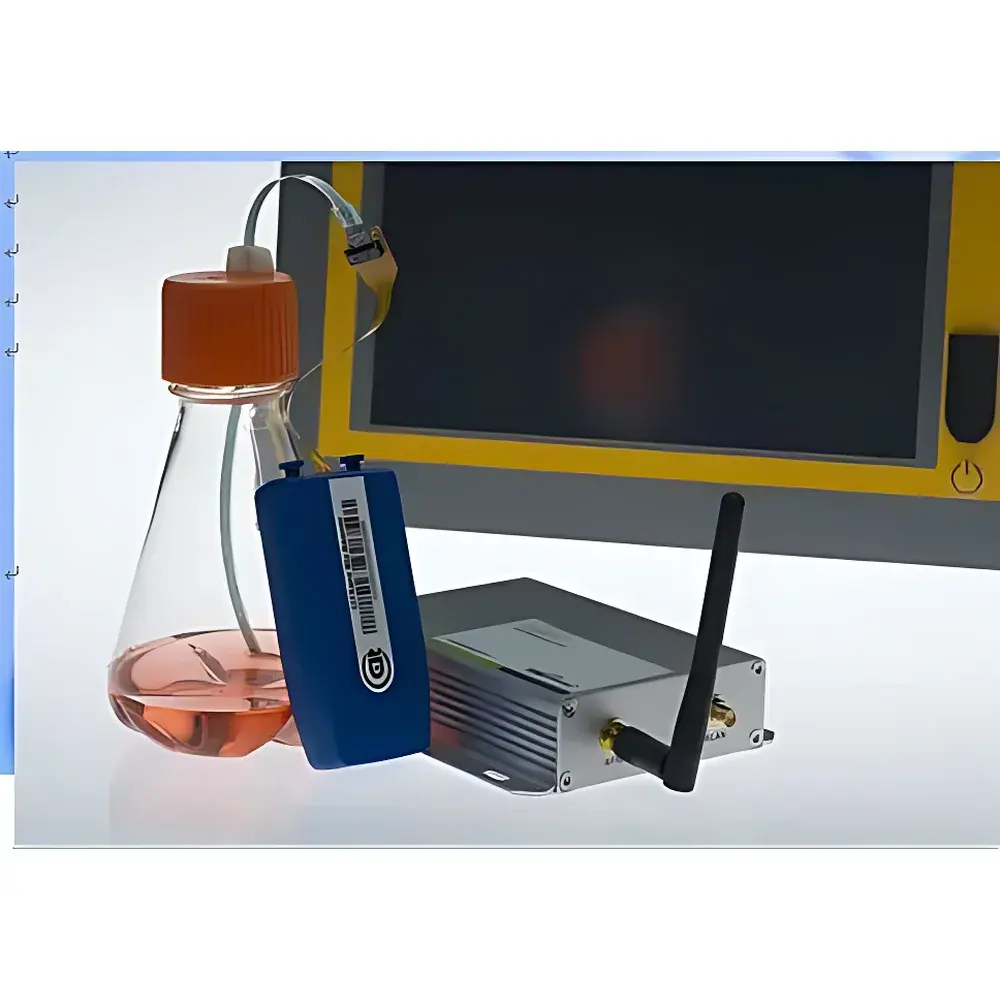
The CITSensBio Online Glucose and Lactate Analyzer is a purpose-engineered, wireless in-line biosensing platform designed for real-time, non-invasive monitoring of glucose and lactate concentrations in mammalian cell culture processes. Operating on the principle of amperometric detection via disposable screen-printed enzymatic biosensors, the system enables continuous, in-situ quantification without sampling, thereby eliminating contamination risk and process interruption. Its core architecture integrates a miniaturized, sterilizable probe (C-CIT Sensor AG compatible), a ruggedized handheld PDA unit preloaded with CITSens software, and a bidirectional RFID-enabled transceiver module. Designed for integration into standard bioreactor workflows—including stirred-tank reactors, wave bags, shaken flasks, and single-use bioreactors—the analyzer delivers measurement data at a fixed 20-second interval, transmitting securely through sealed incubator walls via proprietary RF communication. This closed-loop capability supports dynamic feed control strategies, particularly when interfaced with peristaltic or syringe pumps in automated fed-batch or perfusion systems.
Key Features
- Real-time dual-analyte monitoring: Simultaneous or independent quantification of glucose and lactate in complex biological matrices—including serum-containing media and whole blood analogs.
- Gamma-sterilized, single-use sensor probes: Compatible with C-CIT Sensor AG’s disposable enzymatic electrodes; eliminates cross-contamination and calibration drift between runs.
- Wireless RF communication: Operates reliably inside CO₂ incubators and Class A/B cleanroom environments without signal attenuation or electromagnetic interference.
- Integrated process control interface: Supports analog (4–20 mA) and digital (Modbus RTU, OPC UA) outputs for seamless integration with DCS, SCADA, and PAT-compliant process automation systems.
- Configurable measurement range: Validated for low-glucose (<3 g/L) and high-glucose (<8 g/L) media formulations—suitable for both early-stage screening and production-scale bioprocessing.
- Regulatory-ready data handling: Audit-trail enabled logging with timestamped metadata; compliant with ALCOA+ principles for data integrity under GMP/GLP environments.
Sample Compatibility & Compliance
The CITSensBio system demonstrates robust performance across diverse bioprocess vessels and media types. It is validated for use with standard stainless-steel and glass bioreactors (0.5–20 L working volume), single-use plastic bioreactors (e.g., Sartorius BIOSTAT® STR, Thermo Fisher HyPerforma™), rocking-motion platforms (e.g., PBS Biotech Xcellerex™), and static culture formats including T-flasks and roller bottles. Sensor compatibility extends to chemically defined, protein-free, and serum-supplemented media—without requiring sample dilution or filtration. All disposable sensor components undergo terminal gamma irradiation (25–35 kGy) per ISO 11137, ensuring sterility assurance level (SAL) of 10⁻⁶. The system adheres to IEC 61000-6-2/6-3 for electromagnetic compatibility and meets mechanical safety requirements per IEC 61010-1. While not FDA-cleared as a diagnostic device, its data output conforms to FDA 21 CFR Part 11 requirements when deployed with validated CITSens software configuration and electronic signature protocols.
Software & Data Management
The embedded CITSens software suite provides intuitive graphical visualization, configurable alarm thresholds, trend analysis, and export functionality in CSV, Excel, and HDF5 formats. All measurements are time-stamped with UTC synchronization and include sensor ID, calibration status, temperature compensation flag, and raw current values. The software supports role-based user access control (RBAC), change control logs, and electronic signature workflows aligned with Annex 11 and EU GMP guidelines. Historical datasets can be imported into third-party analytics platforms—including MATLAB, Python (via Pandas), and DeltaV—enabling multivariate process modeling and QbD-based optimization. Optional CITSens APC (Advanced Process Control) module enables model-predictive feed algorithms and adaptive setpoint adjustment based on metabolic rate estimation.
Applications
- Cell line selection and clone ranking based on real-time glycolytic flux profiling.
- Media development and optimization through dynamic nutrient consumption mapping.
- Fed-batch strategy refinement using lactate/glucose ratio trending to prevent acidosis.
- Perfusion process monitoring and harvest timing determination via metabolic stability indices.
- Bioreactor scale-down model validation and DoE execution in micro-bioreactor arrays.
- Stem cell and primary cell culture process characterization under low-oxygen or shear-sensitive conditions.
FAQ
What sample volume or flow path is required for sensor insertion?
No external sampling loop or fluidic connection is needed—the sensor operates in direct contact with culture medium via immersion or integrated port mounting.
Is recalibration required during a run?
No: Each gamma-sterilized sensor is factory-calibrated and traceable to NIST-certified reference standards; zero-point verification only is recommended prior to inoculation.
Can the system operate in hypoxic or high-CO₂ environments?
Yes: The RF communication protocol and sensor electrochemistry are unaffected by CO₂ levels up to 10% or dissolved O₂ down to 5 mmHg.
How is temperature compensation handled?
An integrated Pt1000 thermistor within the probe housing provides real-time temperature feedback; enzymatic reaction kinetics are corrected using Arrhenius-based coefficients embedded in firmware.
Does the system support multi-parameter expansion beyond glucose/lactate?
Currently optimized for dual-analyte operation; future firmware updates may enable integration with optional pH or DO sensor modules via shared RF backbone.