
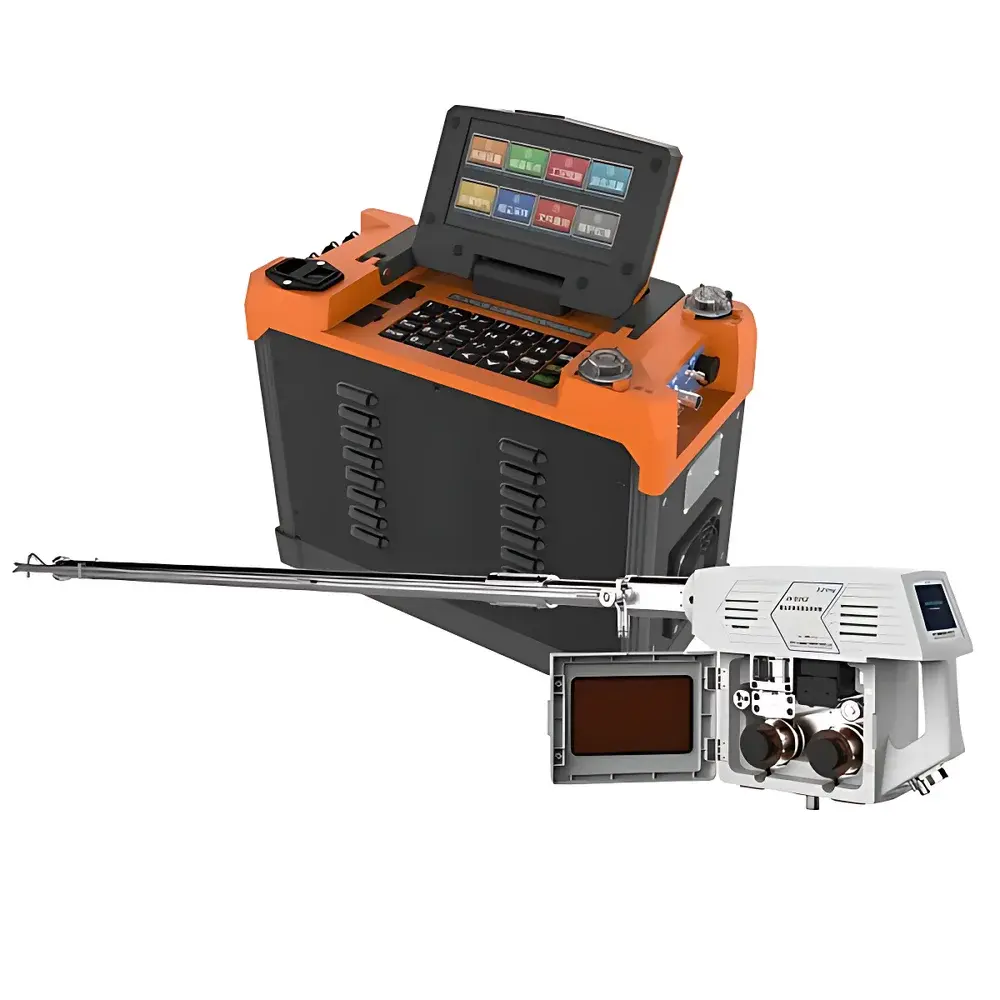
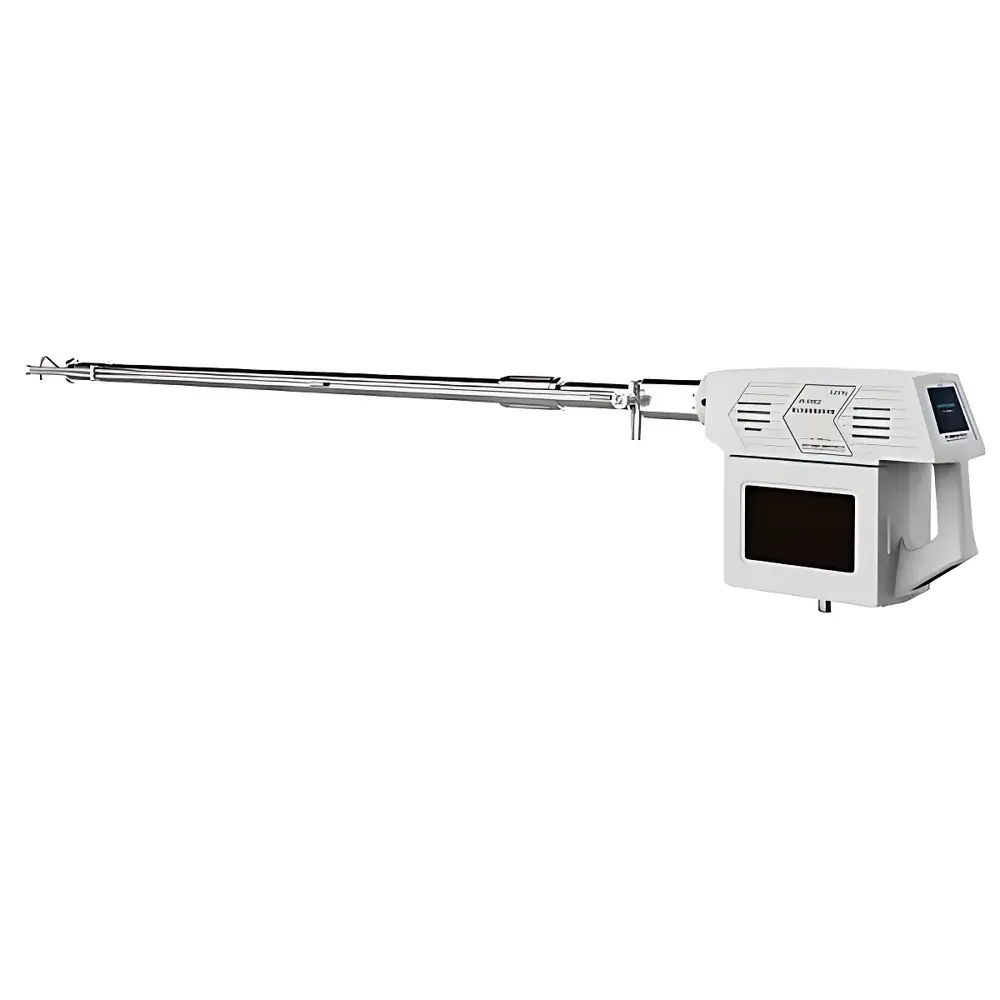
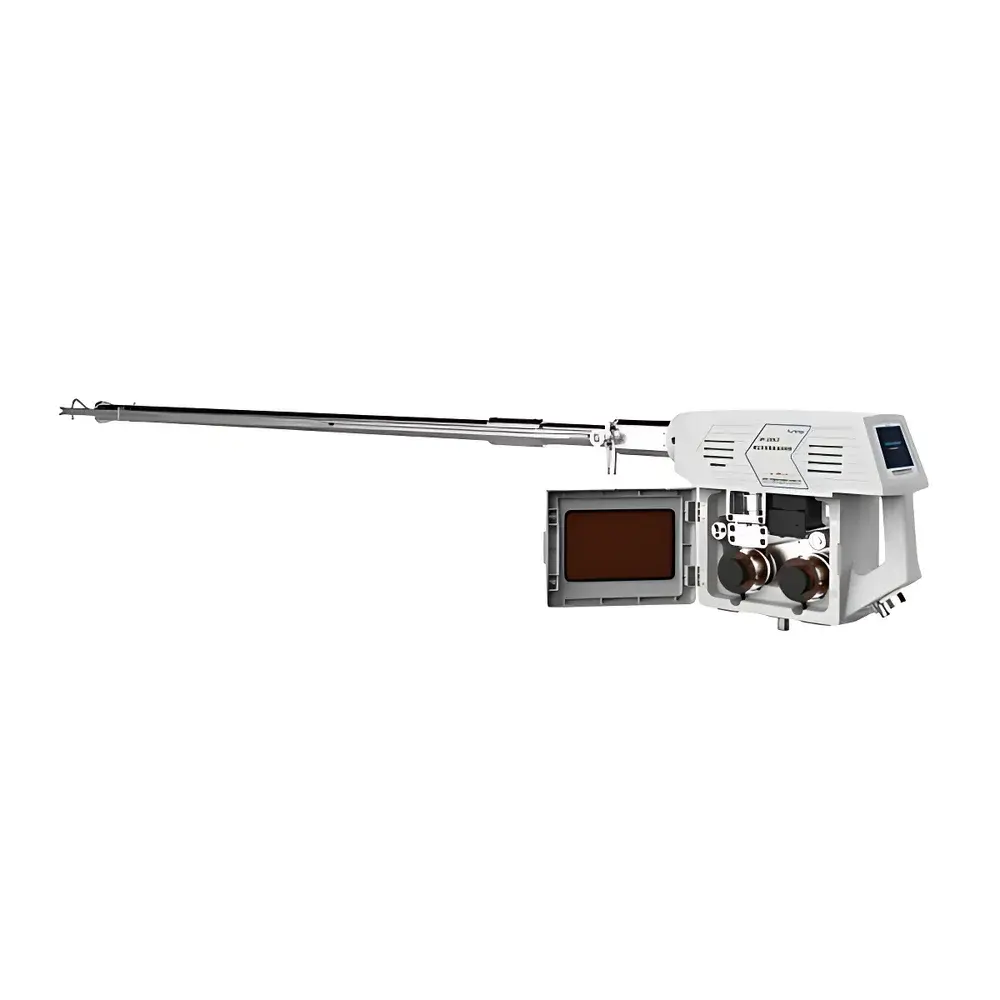
Junray ZR-D09QT β-Ray Particulate Matter (PM) Monitor with Integrated Flue Gas Sampling Probe
| Brand | Junray |
|---|---|
| Origin | Shandong, China |
| Manufacturer Type | Direct Manufacturer |
| Country of Origin | China |
| Model | ZR-D09QT |
| Instrument Type | Flue Gas and Particulate Sampler |
| Sample Type | Stack Emission Particulates |
| Flow Accuracy | ±2.5% |
| Sampling Flow Rate | 0–50 L/min |
| Flue Gas Velocity Range | up to 30 m/s |
| Moisture Content Measurement Range | 10–90% |
Overview
The Junray ZR-D09QT β-Ray Particulate Matter Monitor is a field-deployable, integrated flue gas sampling and real-time particulate concentration measurement system designed for regulatory-compliant monitoring of fixed emission sources. It operates on the principle of β-ray attenuation—where a calibrated beta radiation source (e.g., 14C or 85Kr) irradiates a continuously advancing filter tape; the differential absorption of beta particles before and after particulate deposition is quantified to determine mass concentration (mg/m³) in real time. Unlike gravimetric post-analysis methods, this approach enables direct, on-site readout without laboratory delay, while maintaining traceability to reference mass standards. The instrument integrates a heated, inert-surface sampling probe capable of simultaneous acquisition of stack parameters—including dynamic pressure, static pressure, temperature, flue gas velocity, and dry-standard volumetric flow—ensuring full compliance with ISO 9096, EN 13284-1, and EPA Method 17/201A for particulate emission monitoring.
Key Features
- β-ray absorption-based real-time PM concentration measurement with automatic zero compensation and tape calibration verification.
- Integrated dual-path sampling architecture: one channel dedicated to particulate-laden flue gas filtration, another for parallel stack parameter sensing (thermocouple, diaphragm pressure transducers, pitot tube).
- Inert-treated probe wall surface (e.g., fluoropolymer-coated stainless steel) minimizes particle re-entrainment and adsorption artifacts during high-velocity sampling (≤30 m/s).
- Motor-driven, precision stepper-motor tape transport system ensures consistent linear velocity, repeatable filter positioning, and long-term stability of attenuation signal baseline.
- Capacitive or chilled-mirror-based moisture sensor embedded in the sampling line delivers continuous %RH and wet/dry basis correction—critical for accurate mg/Nm³ reporting per GB/T 16157 and HJ/T 48.
- 7-inch industrial-grade capacitive touchscreen interface with intuitive menu navigation, real-time trend graphs (concentration vs. time), and status diagnostics (flow error, tape jam, heater fault, battery voltage).
- Onboard data logging (≥30 days at 1-min intervals) with timestamped metadata including ambient temperature, barometric pressure, and operator ID—supporting GLP-aligned audit trails.
Sample Compatibility & Compliance
The ZR-D09QT is validated for use across diverse industrial combustion sources: coal-fired and gas-fired power boilers, cement kilns, sintering belts, non-ferrous metal smelters (aluminum, magnesium, zinc, titanium), ceramic tunnel kilns, pulp-and-paper recovery boilers, and chemical process heaters. It meets the physical and operational requirements of Chinese national standards GB/T 16157-1996 (particulate sampling methodology), HJ/T 48-1999 (performance specifications for particulate samplers), and DB37/T 3785-2019 (low-concentration PM measurement via β-ray). Its design aligns with international best practices for isokinetic sampling geometry, thermal management of sample lines (>120 °C), and avoidance of condensation-induced bias. Calibration traceability is maintained through factory-certified flow meters (NIST-traceable) and certified beta source activity certificates.
Software & Data Management
Data export is supported via USB 2.0 and RS-232 serial interface, compatible with Junray’s proprietary PC software (Windows 10/11) for report generation compliant with local environmental bureau templates. The software supports automated calculation of normalized concentrations (e.g., corrected to 11% O₂, 273.15 K, 101.325 kPa), emission rate (kg/h), and removal efficiency of control devices. Audit logs record all parameter changes, calibration events, and user logins—enabling 21 CFR Part 11–compatible electronic signatures when paired with optional authentication modules. Raw attenuation counts, tape position encoder values, and sensor raw outputs are stored in CSV format for third-party validation or QA/QC review.
Applications
- Regulatory stack testing for compliance with national emission limits (e.g., China’s GB 13223, GB 18485).
- Performance evaluation of electrostatic precipitators (ESPs), fabric filters, and wet scrubbers.
- Source apportionment studies requiring synchronized PM and flue gas parameter datasets.
- Method validation and field comparison against reference manual gravimetric samplers (e.g., EPA Method 5).
- Continuous emission monitoring system (CEMS) backup or quality assurance auditing.
- Occupational health assessments in confined-stack maintenance scenarios where rapid exposure estimation is required.
FAQ
How does the β-ray method differ from optical scattering or TEOM-based PM monitors?
The β-ray technique measures absolute mass loading directly via radiation attenuation, eliminating reliance on particle optical properties or volatility assumptions—making it suitable for heterogeneous, hygroscopic, or semi-volatile aerosols common in industrial stacks.
Is isokinetic sampling automatically maintained across the full 0–50 L/min flow range?
Yes—the internal critical orifice and feedback-controlled vacuum pump dynamically adjust to maintain constant sampling velocity relative to flue gas velocity, as verified per JJG 680-2007 calibration protocol.
Can the instrument operate unattended for extended periods?
With external AC power and optional rechargeable Li-ion battery pack (8-hr runtime), it supports 24/7 operation; tape capacity allows ≥48 h of continuous sampling at standard 1-L/min flow before replacement.
Does the system support remote data transmission?
Modbus RTU over RS-485 or optional 4G LTE module enables integration into SCADA platforms and cloud-based environmental dashboards—subject to local telecom certification.
What maintenance intervals are recommended for field deployment?
Filter tape replacement every 48–72 h depending on dust load; quarterly verification of pressure transducer linearity and annual beta source activity recertification per JJG 518-1998 and manufacturer service bulletin.
Related Products







