
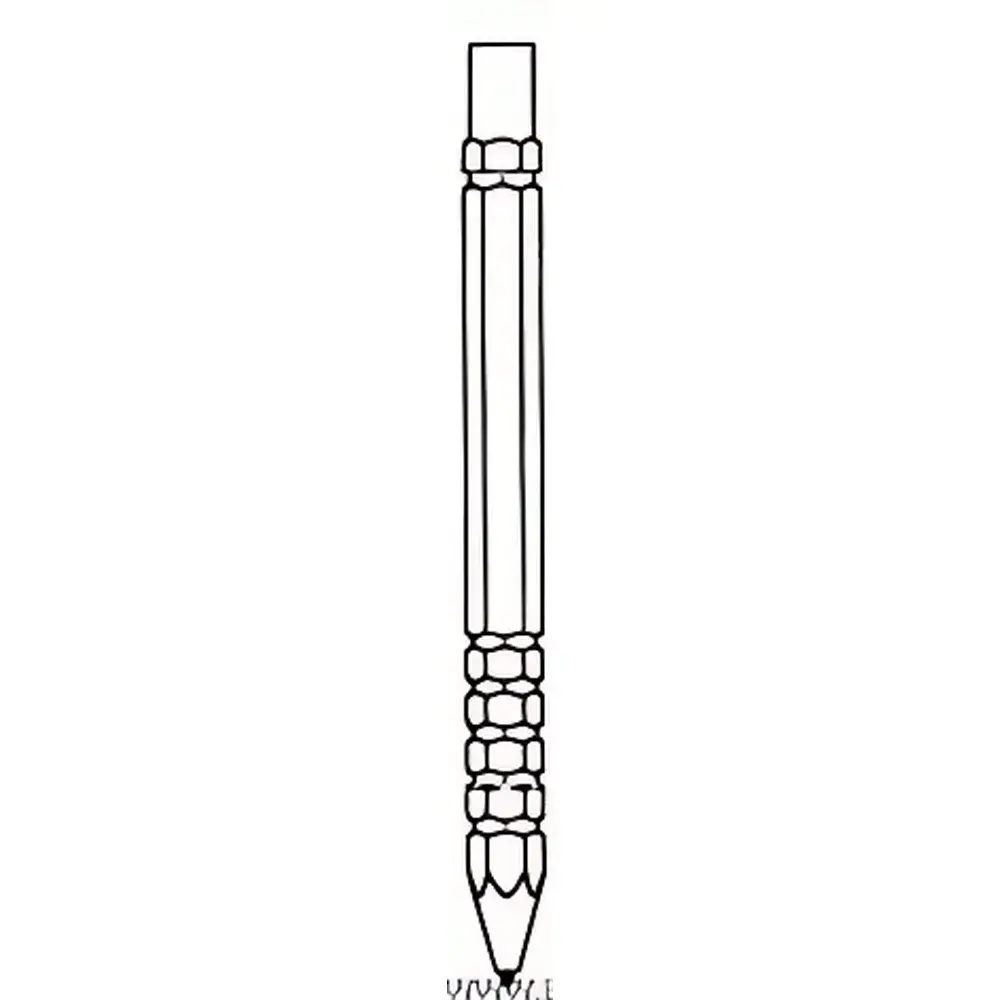
Erichsen #426 van Laar Scratch Scribe
| Origin | Germany |
|---|---|
| Manufacturer Type | Authorized Distributor |
| Origin Category | Imported |
| Model | #426 |
| Price | Upon Request |
Overview
The Erichsen #426 van Laar Scratch Scribe is a precision-engineered handheld instrument designed for standardized mechanical damage of protective organic coatings during corrosion resistance evaluation. It operates on the principle of controlled, reproducible linear indentation—specifically optimized for generating orthogonal cross-hatch (St. Andrew’s Cross) or single-line scribes in accordance with ISO 20567-1, ASTM D1654, and DIN 53151. Its primary function is to breach the coating layer down to the metallic substrate under defined mechanical parameters, thereby initiating localized electrochemical corrosion pathways that simulate real-world failure mechanisms. Unlike abrasive or thermal methods, the #426 employs quasi-static normal force application via a spherical tungsten carbide tip, ensuring minimal lateral deformation and high inter-laboratory repeatability. The device is not a measurement instrument per se, but a critical pre-conditioning tool embedded within standardized corrosion test workflows—including salt spray (ISO 9227), cyclic humidity testing (ISO 11997-1), gas corrosion (IEC 60068-2-60), and immersion protocols.
Key Features
- Hardened tungsten carbide scribing tip with Ø0.5 mm (0.020″) spherical geometry, mounted in precision-machined anodized aluminum housing for ergonomic stability and consistent hand-applied force transmission.
- Proven tip durability: validated under accelerated wear conditions—18,000 cm total travel at 20 cm/s and 50 N load without measurable tip deformation; equivalent to ≥2,000 scribes of 90 mm length each.
- Optimized kinematic interface: low-inertia tip assembly minimizes operator-induced variability; recommended scribing speed of 10 cm/s (4 in/s) ensures reliable substrate exposure across coating thicknesses from 15–150 µm.
- No external power source required—fully manual operation enables use in cleanrooms, field labs, and ISO/IEC 17025-accredited testing environments where electromagnetic interference must be avoided.
- Compliant with GLP documentation requirements: scribe usage can be logged with traceable lot numbers, calibration verification dates, and operator IDs as part of full test method validation packages.
Sample Compatibility & Compliance
The #426 scribe is compatible with flat, rigid substrates including cold-rolled steel (CRS), galvanized steel (Zn-coated), aluminum alloys (e.g., AA5052, AA6061), and stainless steels (AISI 304/316). It supports coatings such as epoxy, polyurethane, acrylic, polyester, and zinc-rich primers applied by spray, dip, or electrodeposition. Substrate surface roughness (Ra) should not exceed 3.2 µm to ensure uniform tip engagement. The instrument conforms to the mechanical specification requirements outlined in ISO 20567-1 Annex A for scratch tools used in corrosion assessment. While the scribe itself does not require calibration certification, its performance must be verified periodically using reference panels with known coating adhesion classes (e.g., ISO 2409 cross-cut grades) and documented in laboratory quality records.
Software & Data Management
As a purely mechanical scribing tool, the #426 does not incorporate embedded electronics, firmware, or software interfaces. However, it integrates seamlessly into digital quality management systems (QMS) and LIMS platforms through standardized procedural documentation. Users are advised to record scribe-specific metadata—including tip serial number, last verification date, cumulative scribe count, and associated test report ID—in accordance with FDA 21 CFR Part 11-compliant electronic record practices. Erichsen provides optional traceability kits containing certified reference panels and logbook templates aligned with ISO/IEC 17025 clause 7.7 (Sampling) and clause 7.8 (Ensuring validity of results).
Applications
- Pre-test scribing prior to neutral salt spray (NSS), acetic acid salt spray (AASS), and copper-accelerated acetic acid salt spray (CASS) per ISO 9227.
- Generation of defined defect sites for evaluating cathodic disbondment resistance of pipeline coatings (ISO 15711, NACE TM0204).
- Accelerated aging studies involving UV/condensation cycling (ISO 11507) where coating delamination kinetics are correlated with scribe-initiated corrosion front propagation.
- Qualification of automotive OEM paint systems per VW TL 226, GMW 14872, and Ford CETP 00.00-L-467.
- Research-grade investigation of interfacial adhesion degradation mechanisms in marine and aerospace protective systems.
FAQ
What is the recommended force range for optimal scribe performance?
A nominal normal force of 50 N ± 5 N is specified for most industrial coating systems. Force adjustment may be required for ultra-thin (<10 µm) or highly brittle coatings; refer to ISO 20567-1 Section 6.2 for substrate-specific guidance.
Can the #426 scribe be used on curved surfaces?
No—it is engineered exclusively for planar substrates. Curved or irregular geometries introduce uncontrolled tip angle variation and inconsistent penetration depth, violating ISO 20567-1 alignment requirements.
How often should the tungsten carbide tip be replaced?
Tip replacement is condition-based, not time-based. Visual inspection under 10× magnification is mandatory after every 500 scribes; replacement is required if spherical radius deviation exceeds ±0.02 mm or if micro-cracking is observed.
Is the #426 compliant with automotive OEM audit requirements?
Yes—its design, traceability documentation, and validation methodology meet the tool control clauses of IATF 16949:2016 Clause 8.5.1.2 and VDA 6.3 P6.5.2 for production-integrated test equipment.
Does Erichsen supply certified reference panels for scribe verification?
Yes—Erichsen offers traceable calibration kits (Order No. 0094.02.01) containing ISO 2409-rated cross-cut panels and scribe depth verification gauges calibrated to NIST-traceable standards.



