
Burkard HIRST-Type Outdoor Cyclonic Spore and Fungal Sampler
| Origin | United Kingdom |
|---|---|
| Manufacturer Type | Authorized Distributor |
| Origin Category | Imported |
| Model | Automated |
| Pricing | Available Upon Request |
| Airflow Rate | 16.5 L/min (HIRST unit) |
| Particle Size Range | 1 µm (HIRST) |
| Collection Vessel | 1.5 mL Eppendorf tubes (HIRST) |
| Dimensions (Impinger) | 145 mm (H) × 115 mm (L) × 100 mm (W) |
| Net Weight | 670 g |
| Vacuum Port Diameter | 6 mm |
| Minimum Required Pressure Differential | 180 mmHg |
Overview
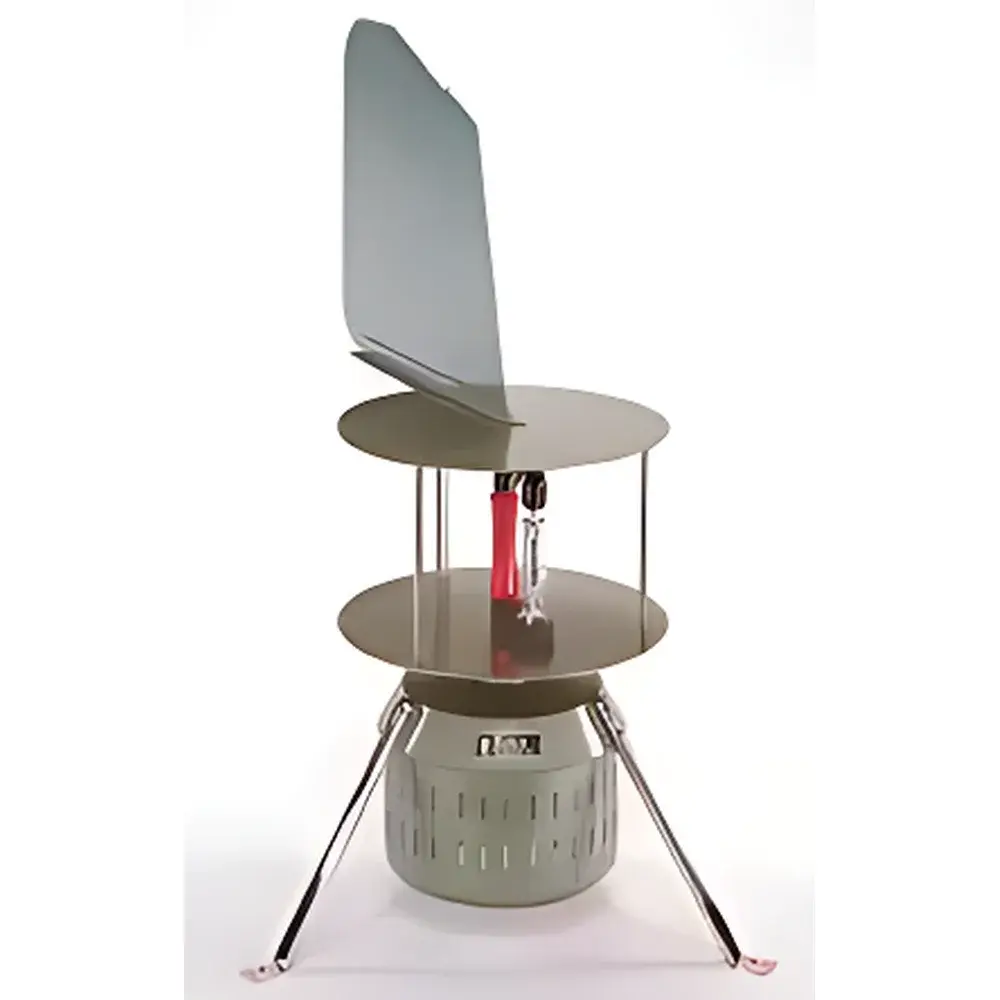
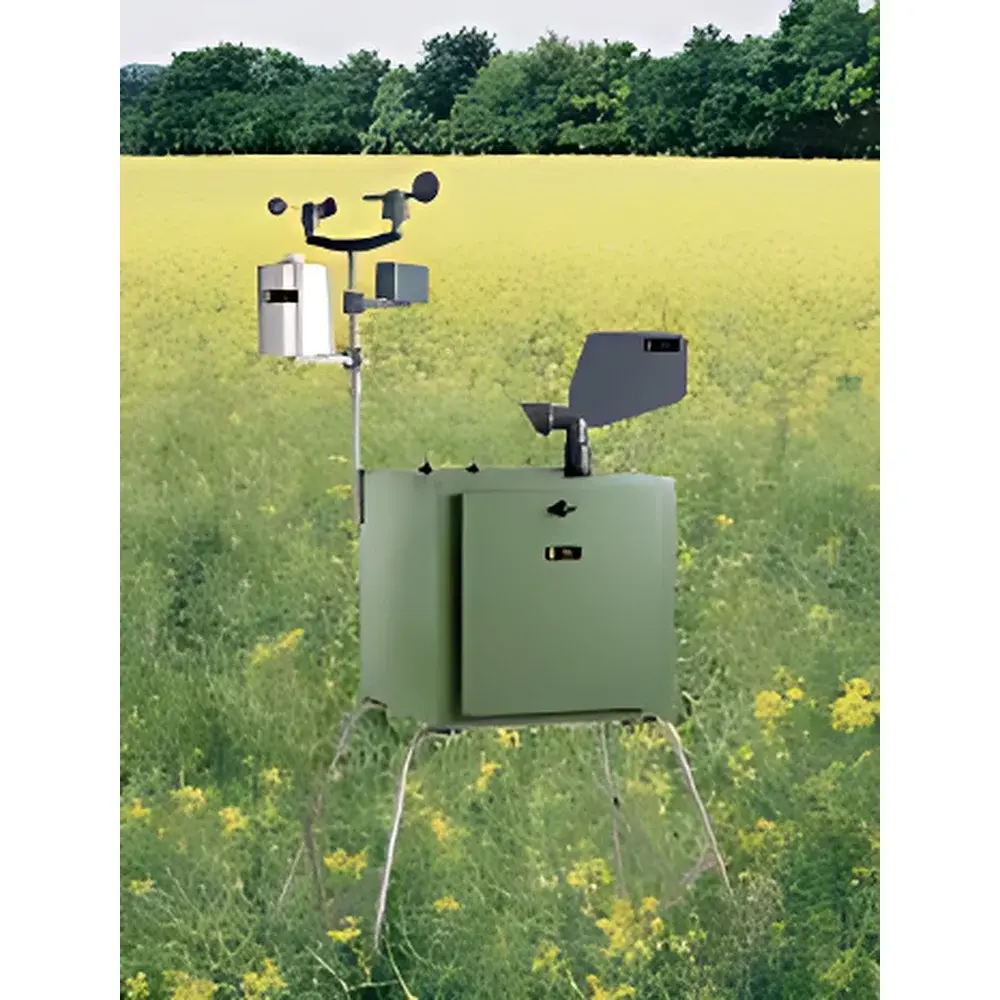
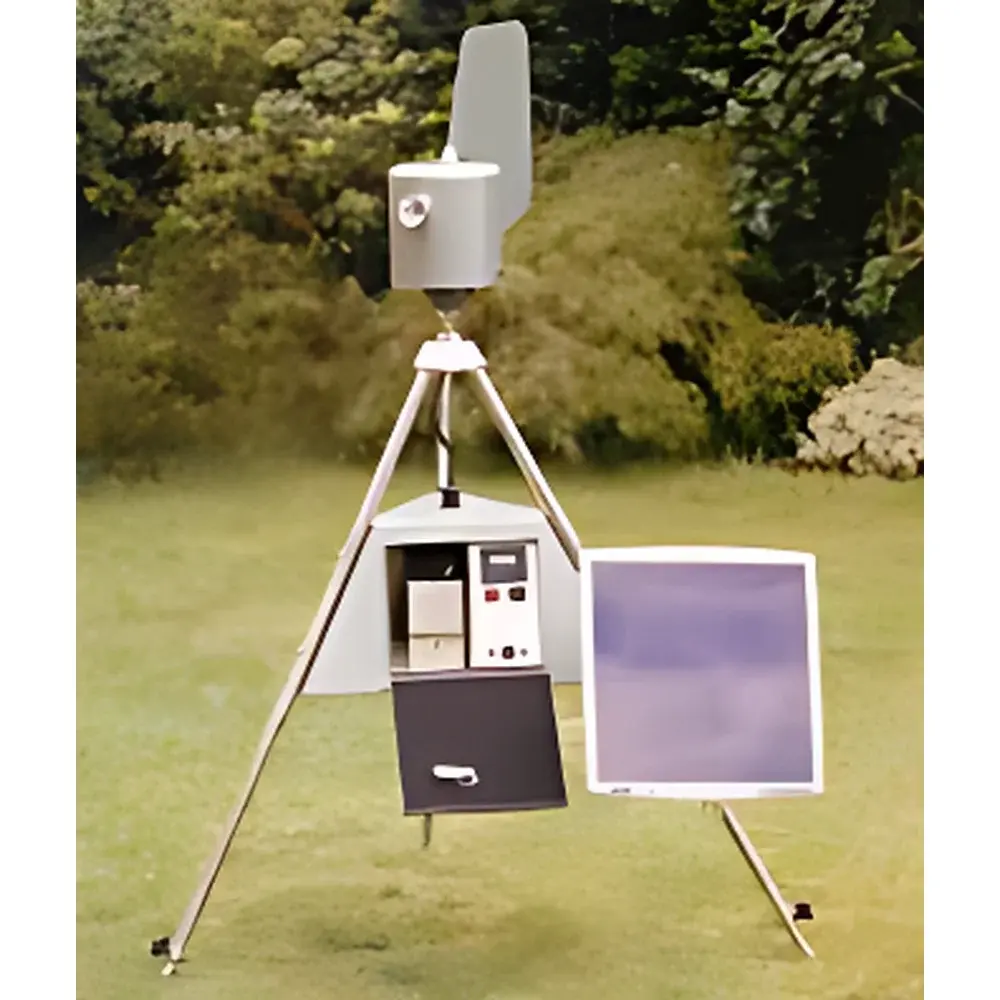
The Burkard HIRST-Type Outdoor Cyclonic Spore and Fungal Sampler is a precision-engineered atmospheric bioaerosol monitoring system designed for continuous, unattended collection of airborne fungal spores, pollen, and other respirable biological particles. Based on the classic HIRST principle — a directional, reverse-flow cyclonic separation mechanism — the sampler draws ambient air at a calibrated flow rate of 16.5 L/min, inducing inertial impaction and centrifugal deposition without reliance on membrane filters. This filterless design eliminates clogging, flow decay, and particle re-entrainment, ensuring stable sampling efficiency over extended deployments (up to 7 days under typical field conditions). Complementing the HIRST unit is the Burkard 20 L/min Multi-Stage Liquid Impinger — a three-stage cascade impactor conforming to ISO 21501-4 and USP principles for aerodynamic size fractionation. Each stage collects viable or non-viable particulates into sterile liquid media (recommended volume: 6 mL per stage), preserving microbial viability for subsequent culture-based enumeration, PCR analysis, or cytological examination.
Key Features
- Cyclonic separation architecture with no consumable filters — enables uninterrupted operation and eliminates flow-rate drift
- Direct deposition into standard 1.5 mL Eppendorf tubes — compatible with downstream ELISA, qPCR, microscopy, and automated DNA extraction workflows
- Stainless steel or anodized aluminum construction — corrosion-resistant, UV-stable, and validated for outdoor deployment across temperate, arid, and coastal environments
- Integrated Burkard vacuum pump base — delivers consistent negative pressure; supports interchangeability with third-party pumps meeting ≥180 mmHg differential requirement
- Three-stage liquid impaction geometry — aerodynamically calibrated to separate particles into >10 µm (upper respiratory), 10–4 µm (tracheobronchial), and <4 µm (alveolar) fractions
- Modular disassembly design — allows full sterilization via autoclaving (impinger stages) or chemical disinfection (HIRST head), compliant with GLP-aligned cleaning validation protocols
Sample Compatibility & Compliance
The system accommodates diverse analytical endpoints: culturable fungi (e.g., Aspergillus, Cladosporium), bacterial endotoxins, plant pollen, and fragmented hyphal debris. Its physical collection method preserves structural integrity and surface antigenicity — critical for immunoassay-based quantification. Regulatory alignment includes ASTM D6323 (standard practice for bioaerosol sampling), ISO 8573-7 (airborne viable microorganism testing), and EU Directive 2004/10/EC (GLP principles). When paired with validated vacuum sources and calibrated flow meters, the system meets data integrity requirements for environmental monitoring in pharmaceutical cleanrooms (ISO 14644-1 Class 5–8) and agricultural epidemiology studies.
Software & Data Management
While the hardware operates autonomously, integration with Burkard’s optional Digital Sampling Logger (DSL-2000) enables time-stamped logging of pump runtime, ambient temperature, and relative humidity (via external sensor input). Raw collection data — including sample start/end timestamps, location metadata, and stage-specific volumes — exports in CSV format for traceability. All digital records support audit trails compliant with FDA 21 CFR Part 11 when deployed on validated IT infrastructure, facilitating inclusion in quality management systems (QMS) for GMP-regulated facilities.
Applications
- Outdoor aerobiological surveillance in public health departments tracking seasonal fungal outbreaks (e.g., Alternaria asthma triggers)
- Pharmaceutical facility environmental monitoring — assessing HVAC filtration efficacy and settle plate correlation
- Agricultural research — mapping spore dispersal patterns from infected crop fields or composting sites
- Museum and archive conservation — evaluating airborne fungal load impacting cellulose-based artifacts
- Forensic mycology — collecting evidentiary spore samples from crime scenes with chain-of-custody documentation
FAQ
Is calibration certification included with shipment?
Yes — each unit ships with a UKAS-accredited airflow calibration certificate (traceable to NPL standards), valid for 12 months from date of issue.
Can the HIRST sampler be operated indoors?
It is optimized for outdoor use due to its wind-directional vane and weatherproof housing; indoor applications require supplemental laminar flow control to prevent turbulence-induced sampling bias.
What vacuum pump specifications are required for the 20 L/min impinger?
A minimum pressure differential of 180 mmHg must be sustained at the inlet port; recommended pumps deliver ≥25 L/min free-air capacity with oil-free diaphragm technology to avoid media contamination.
Are replacement parts available globally?
All mechanical components — including cyclone heads, impinger stages, O-rings, and mounting brackets — are stocked by authorized distributors in North America, EMEA, and APAC regions with lead times ≤10 business days.
Does the system support remote monitoring?
When configured with the DSL-2000 logger and cellular gateway, real-time status alerts (pump failure, power loss, door open) can be transmitted via MQTT to enterprise SCADA or LIMS platforms.



