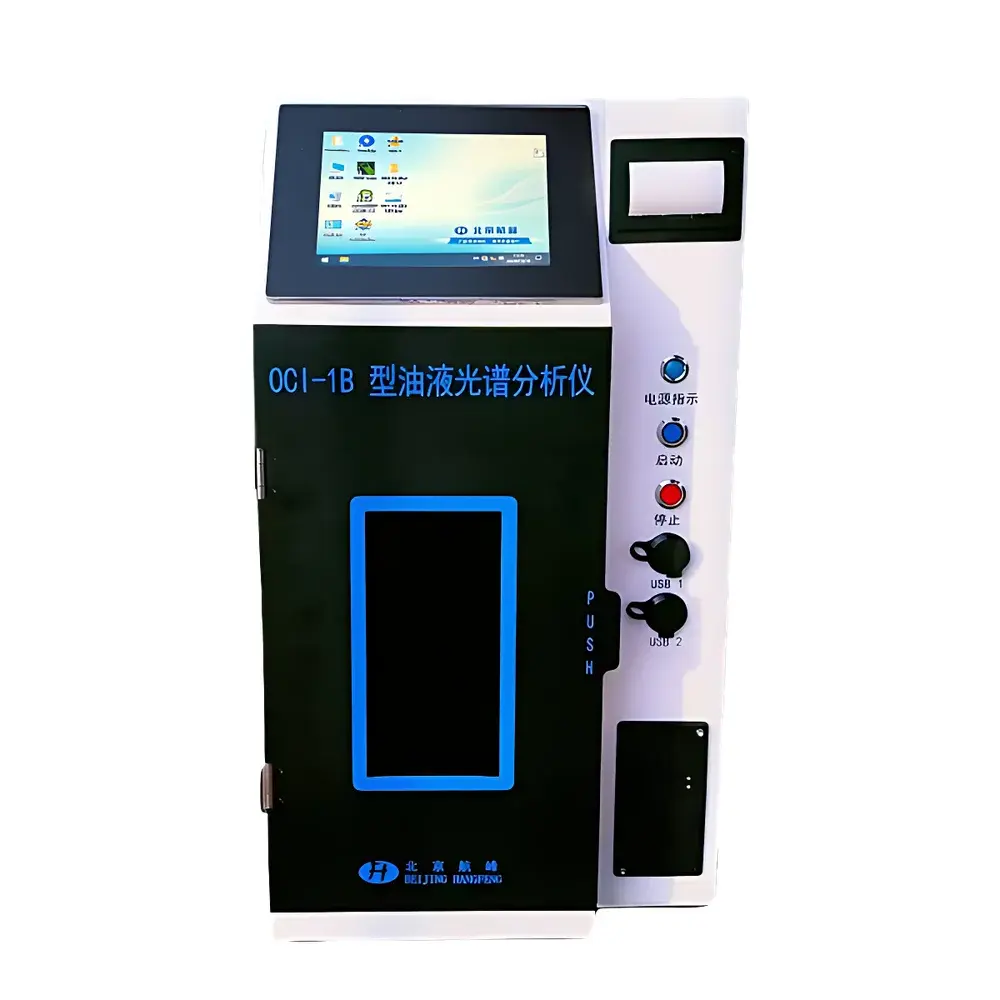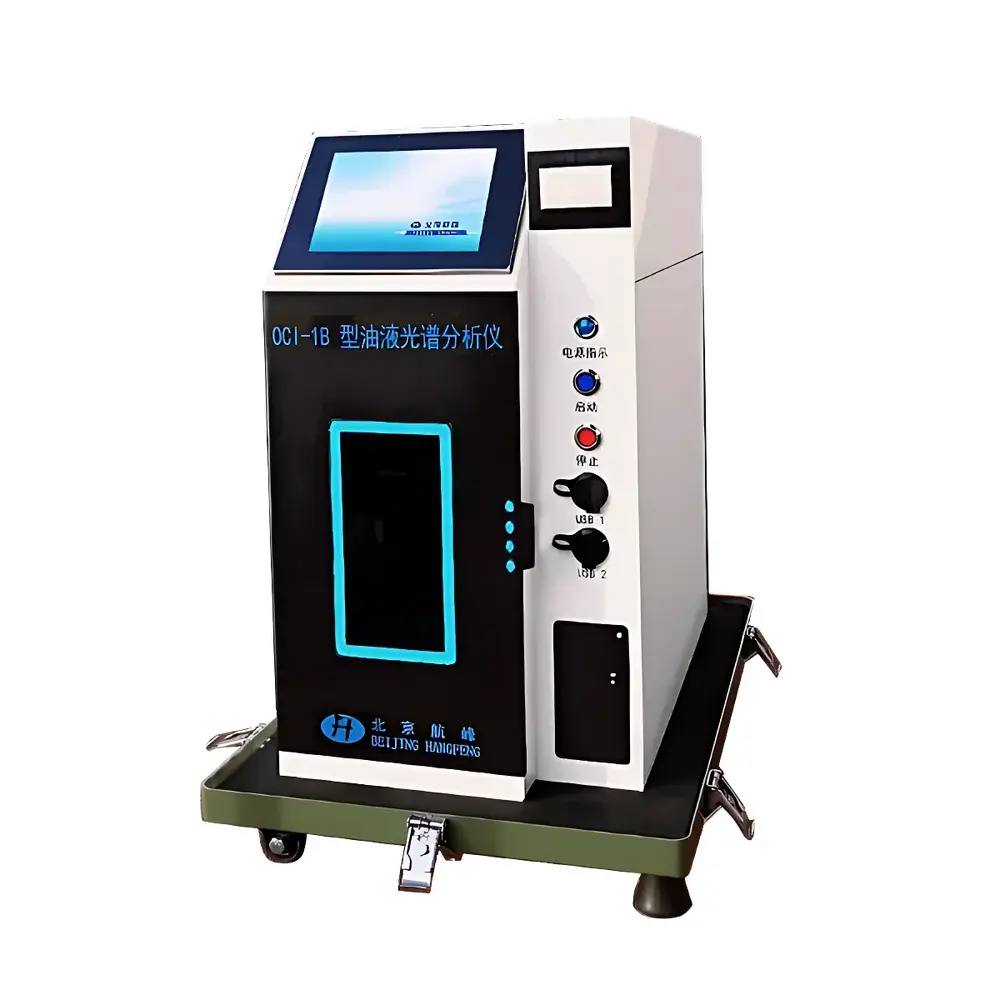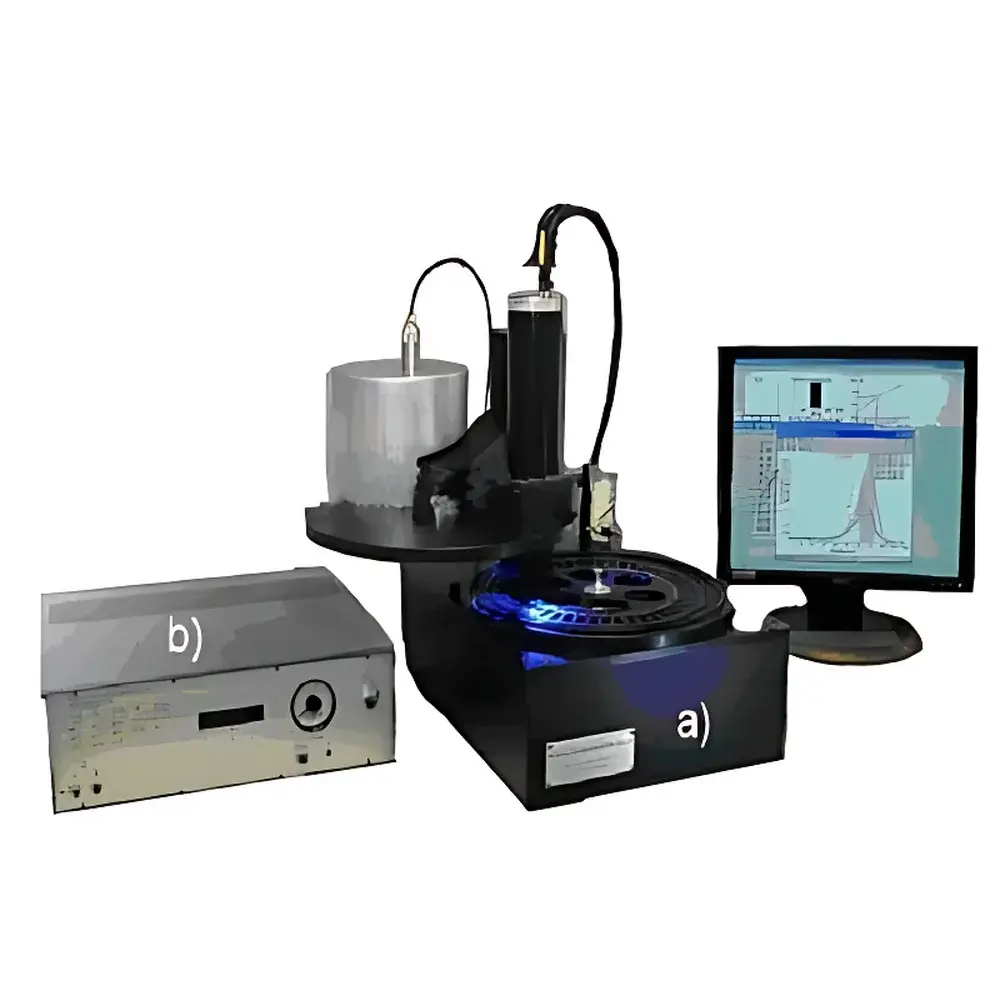
Risø DA20 C/D Luminescence Dating System
| Origin | Denmark |
|---|---|
| Manufacturer Type | Authorized Distributor |
| Origin Category | Imported Instrument |
| Model | Risø DA20 C/D Luminescence Dating System |
| Price | Upon Request |
Overview
The Risø DA20 C/D Luminescence Dating System is a high-precision, research-grade instrumentation platform engineered by the Technical University of Denmark’s Risø National Laboratory for nuclear and radiological sciences. It implements dual luminescence measurement principles—Thermoluminescence (TL) and Optically Stimulated Luminescence (OSL)—to determine the time elapsed since mineral grains (e.g., quartz or feldspar) were last exposed to heat or sunlight. This technique relies on the accumulation and subsequent release of trapped charge carriers in crystal lattice defects following natural ionizing radiation exposure. Upon controlled thermal or optical stimulation, these trapped electrons recombine with luminescent centers, emitting photons quantifiable via photomultiplier tube (PMT) detection. The DA20 C/D is widely deployed in Quaternary geochronology, archaeological stratigraphy, sediment provenance studies, retrospective dosimetry, and food irradiation verification—applications requiring traceable, reproducible, and metrologically robust age determinations compliant with ISO/IEC 17025–accredited laboratory practices.
Key Features
- Fully automated, PC-controlled operation with intuitive GUI and script-based protocol programming
- Simultaneous readout of up to 48 sample positions in a carousel-based sample chamber
- Programmable TL heating range: ambient to 700 °C; ramp rates adjustable from 0.1 to 10 K/s with isothermal capability
- Dual-mode OSL excitation: continuous-wave (CW) and linearly modulated (LM-OSL), supporting both pulsed and time-resolved decay analysis
- Multi-wavelength optical stimulation: infrared LED (870 nm, ≤145 mW/cm²), blue LED (470 nm, ≥50 mW/cm²), and optional single-grain green laser (532 nm, 50 W/cm²) or IR laser (830 nm, ~500 W/cm²)
- Integrated, software-switchable irradiation sources: β (⁹⁰Sr/⁹⁰Y, 1.48 GBq), α (²⁴¹Am, 10.7 MBq), and X-ray (Varian VF-50J, 50 kV/1 mA, Al-filtered dose rate 10 mGy/s–2 Gy/s)
- Vacuum-compatible sample chamber with computer-controlled N₂ purge and rapid post-heating cooling
- High-sensitivity PMT detection system with interchangeable optical filters (Hoya U-340, Schott BG-39, Corning 7-59) for spectral discrimination
Sample Compatibility & Compliance
The DA20 C/D accommodates standard 9.7 mm diameter planchets, custom disc-shaped aliquots, and single-grain mounts for micro-dosimetric analysis. It supports natural quartz, polymineral fine grains, K-feldspar, and synthetic dosimetric materials (e.g., CaSO₄:Dy). All irradiation and readout protocols are designed to meet ASTM D7250 (Standard Practice for Determining Radiographic Sensitivity), ISO 14887 (Luminescence dating—General requirements), and IAEA Technical Reports Series No. 461 (Luminescence Dating Protocols). The system architecture enables full audit trail generation per FDA 21 CFR Part 11 requirements when paired with validated LIMS integration, supporting GLP and GMP-compliant environmental and forensic laboratories.
Software & Data Management
The DA20 C/D operates under the proprietary Risø Analyst™ software suite, which provides end-to-end workflow management—from experimental design and real-time acquisition to kinetic modeling (e.g., initial rise, TL glow curve deconvolution, OSL decay fitting using general-order kinetics). Raw data are stored in vendor-neutral binary format (.bin) with embedded metadata (timestamp, temperature profile, stimulation power, dose history). Export options include ASCII, CSV, and HDF5 for third-party analysis in MATLAB, Python (NumPy/Pandas), or R. Software validation packages, IQ/OQ documentation templates, and electronic signature modules are available to support regulated environments. Firmware updates are delivered via secure HTTPS and maintain backward compatibility with legacy measurement files.
Applications
- Archaeological chronology: dating fired ceramics, burnt flint, hearth sediments, and brick kilns
- Quaternary geology: establishing burial ages of fluvial, aeolian, and glacial deposits
- Accident dosimetry: reconstructing radiation exposure in nuclear incidents using household ceramics or bricks
- Irradiated food authentication: verifying compliance with Codex Alimentarius standards for phytosanitary treatment
- Luminescence physics research: trap depth characterization, thermal quenching studies, and dose response modeling
- Environmental monitoring: sediment transport dynamics and coastal evolution over millennial timescales
FAQ
What distinguishes TL from OSL measurements on the DA20 C/D?
TL involves heating samples to release trapped charge as light; OSL uses specific wavelengths of light to stimulate emission without thermal input—enabling repeated measurements on the same aliquot.
Can the system perform single-grain OSL analysis?
Yes—via optional laser modules (532 nm or 830 nm) coupled with motorized XY stage and autofocus optics for automated grain positioning and signal optimization.
Is the DA20 C/D suitable for routine QA/QC in accredited labs?
Absolutely—the system includes built-in calibration routines for sensitivity drift correction, dose-rate linearity verification, and PMT gain stabilization, all traceable to national standards.
How is radiation safety managed during α/β/X-ray irradiation?
All sources are fully shielded within interlocked compartments; beam paths terminate at beryllium windows and vacuum-tight interfaces; operation requires dual-key activation and real-time dose logging.
Does the system support ISO/IEC 17025 method validation?
Yes—comprehensive uncertainty budgets, repeatability/reproducibility datasets, and instrument-specific SOP templates are provided in the validation support package.
Related Products