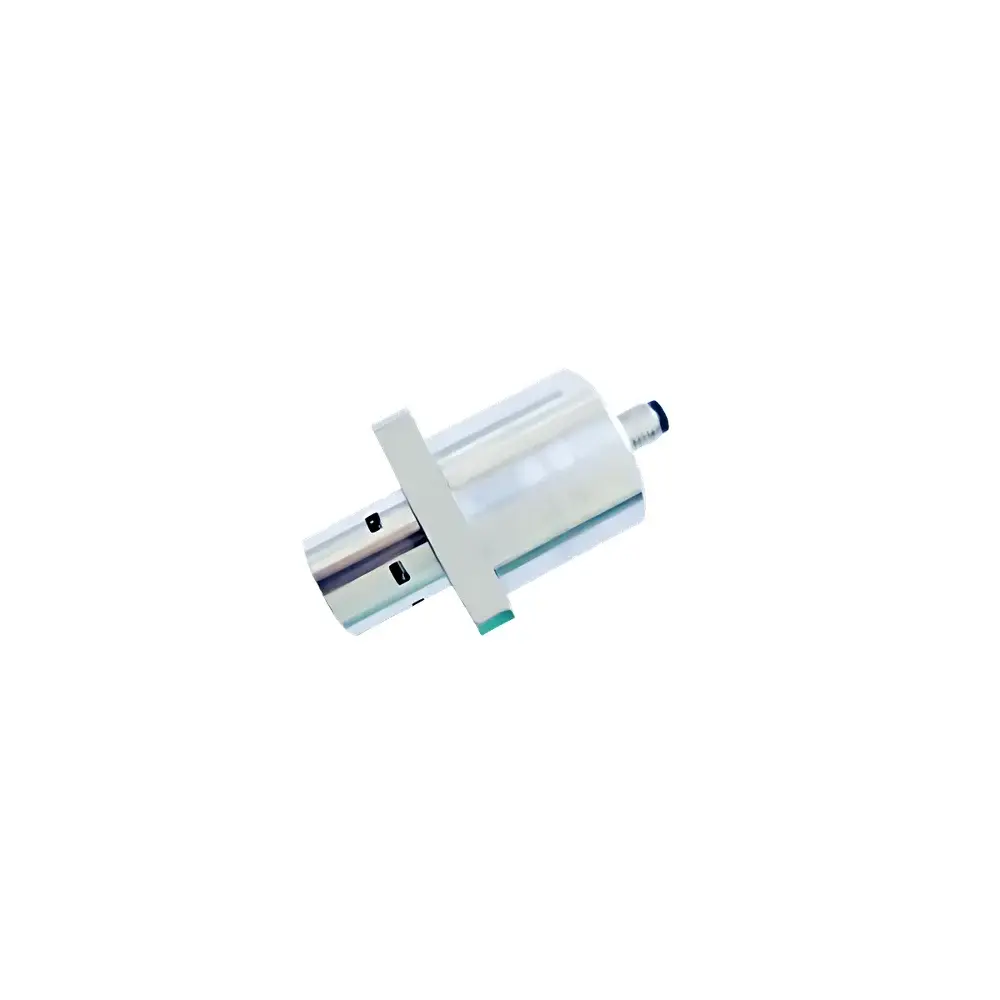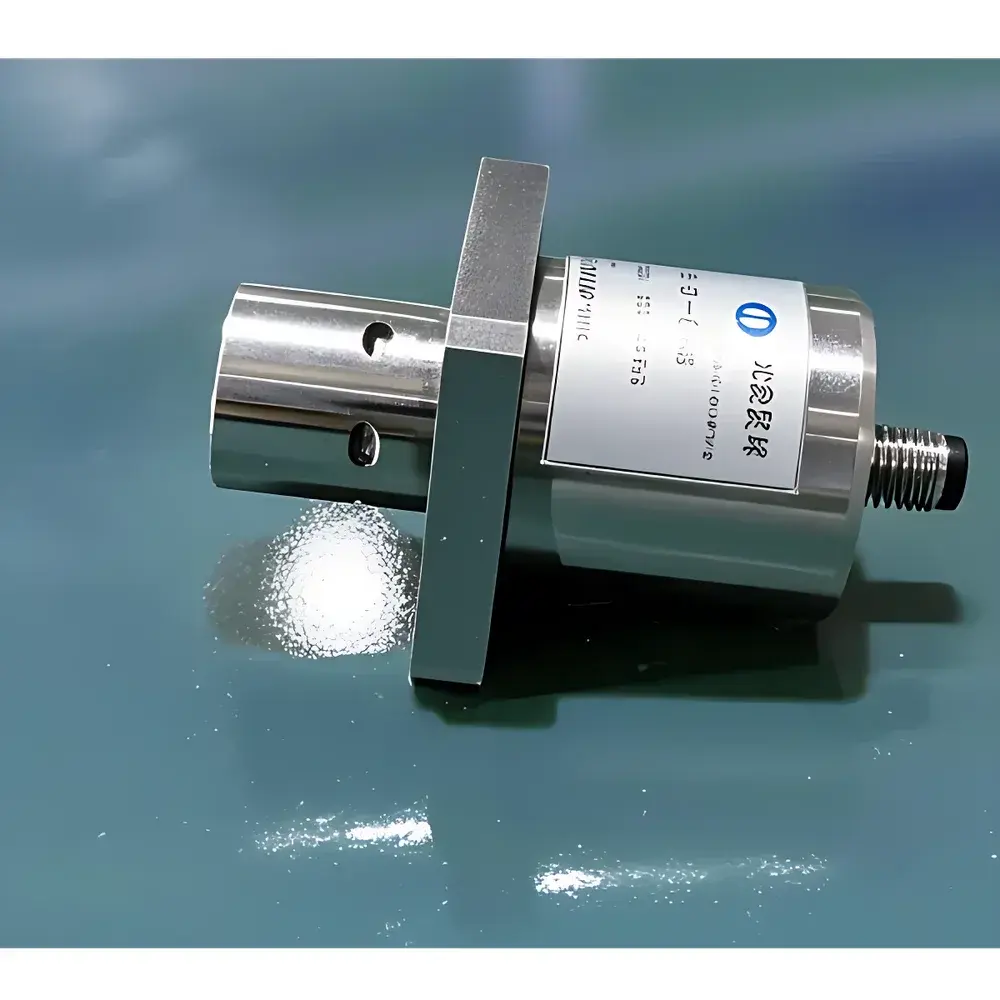
PhotoStimulated Luminescence (PSL) Food & Pharmaceutical Irradiation Residue Analyzer – Model PSL-FDA Pro
| Key | Origin: Beijing, China |
|---|---|
| Manufacturer Type | Authorized Distributor |
| Regional Origin | Domestic (PRC) |
| Model | PSL-FDA Pro |
| Pricing | Available Upon Request |
Overview
The PhotoStimulated Luminescence (PSL) Food & Pharmaceutical Irradiation Residue Analyzer – Model PSL-FDA Pro is a dedicated, non-destructive screening instrument engineered for the qualitative detection of ionizing radiation treatment in food and pharmaceutical products. It operates on the well-established PSL principle defined in ISO/IEC 17025-accredited methods (ISO 13751:2021, EN 13751:2022) and aligned with Codex Alimentarius guidelines for irradiated food identification. When exposed to ionizing radiation (e.g., gamma rays from 60Co or electron beams), naturally occurring mineral contaminants—particularly silicates, feldspars, and calcium-based inorganic crystals—in food matrices trap electrons in metastable energy states. Upon stimulation with visible light (typically blue or green LED excitation), these trapped charges recombine and emit detectable photons in the visible spectrum. The resulting luminescence intensity is quantitatively correlated with prior irradiation exposure. Unlike destructive techniques such as thermoluminescence (TL) or electron spin resonance (ESR), PSL requires no sample preparation, grinding, or chemical extraction, preserving sample integrity for downstream analysis if needed.
Key Features
- Non-invasive, rapid screening: Delivers pass/fail irradiation status in ≤15 seconds per sample under standalone mode
- Dual-threshold decision logic compliant with ISO 13751:2021 — enabling classification into “irradiated”, “non-irradiated”, or “inconclusive” categories with ≥95% sensitivity and specificity in routine screening
- Integrated dark-count and blank-chamber monitoring to ensure measurement fidelity and detect optical contamination or PMT drift
- Configurable acquisition parameters via PC interface: adjustable stimulation duration (0.1–60 s), photon integration window, threshold calibration, and real-time background subtraction
- Robust optomechanical architecture featuring temperature-stabilized photomultiplier tube (PMT), narrow-band excitation optics, and light-tight sample chamber meeting IEC 61000-4-3 EMI immunity requirements
- Compliant with GLP data integrity principles: full audit trail, user access control, electronic signature support, and exportable raw photon count logs (CSV/TXT)
Sample Compatibility & Compliance
The PSL-FDA Pro accommodates a broad range of dry and semi-dry food matrices—including spices, herbs, dried fruits, nuts, cereal grains, frozen seafood, and dehydrated dairy powders—as well as solid dosage forms (tablets, capsules, herbal extracts) and sterile medical device packaging materials. It is not suitable for high-moisture or liquid samples without prior lyophilization. Instrument performance adheres to international regulatory frameworks: validated per AOAC Official Method 2003.02; referenced in EU Directive 1999/2/EC and 1999/3/EC for irradiated food labeling compliance; and supports FDA 21 CFR Part 11-compliant data management when operated with certified software modules. All firmware and calibration protocols are traceable to NIM (National Institute of Metrology, China) reference standards.
Software & Data Management
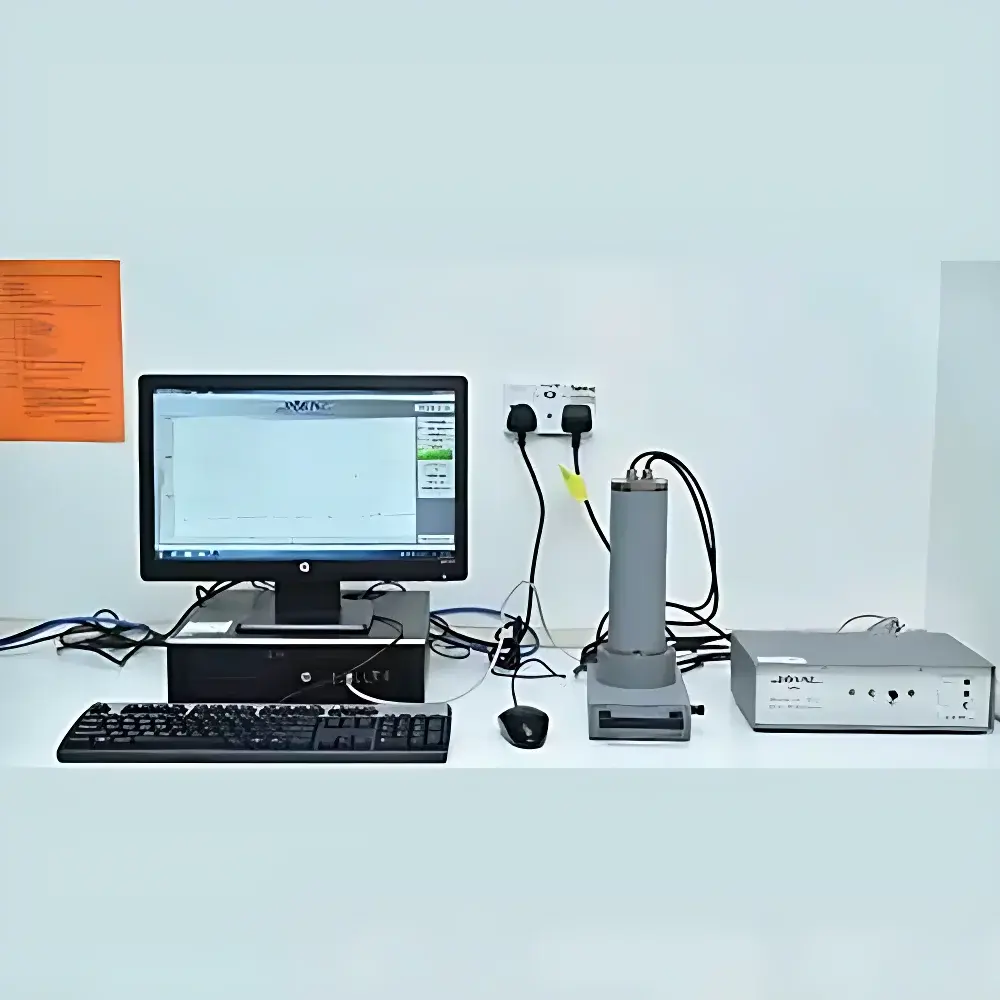
The included PSL-Control Suite v3.2 (Windows 10/11, 64-bit) provides full instrument control, parameter optimization, and structured data archiving. It enables automated batch processing, statistical trend reporting (e.g., daily false-positive rate, PMT gain stability), and customizable report generation compliant with ISO/IEC 17025 documentation requirements. Raw photon counts, dark counts, chamber blanks, and timestamped operator metadata are stored in encrypted local databases with optional network backup. Software validation documentation (IQ/OQ/PQ protocols) and 21 CFR Part 11 configuration files are supplied for regulated laboratory environments operating under GMP or GLP.
Applications
- Routine pre-market screening of imported/exported spices and dried botanicals for regulatory compliance (e.g., EU Rapid Alert System for Food and Feed – RASFF submissions)
- Verification of sterilization claims for single-use pharmaceutical packaging and excipient-grade raw materials
- Internal quality assurance audits for contract manufacturers utilizing gamma or e-beam processing
- Research applications in radiation biology, dose-response correlation studies, and method comparison (e.g., PSL vs. TL vs. DNA comet assay)
- Training and proficiency testing in national food safety laboratories and accredited testing centers
FAQ
What types of food or pharmaceutical products can be tested with this instrument?
Dry and low-moisture solid matrices containing natural mineral residues—such as ground spices, dried herbs, tea leaves, cereal grains, powdered milk, tablets, and lyophilized biologics—are suitable. High-water-content items (fresh produce, beverages, gels) require pre-treatment (freeze-drying) prior to analysis.
Does PSL testing damage the sample?
No. PSL is entirely non-destructive; the sample remains chemically and physically intact after measurement and may be retained for confirmatory analysis (e.g., ESR or GC-MS).
How often does the system require recalibration?
Factory calibration is valid for 12 months under normal use. Daily verification using built-in reference standards (optical and electronic) is recommended before first use each shift.
Is this instrument accepted by regulatory authorities for official compliance testing?
Yes—PSL is a recognized screening method under ISO 13751 and EN 13751. Positive PSL results must be confirmed by a reference method (e.g., TL or ESR) for legal enforcement, but the PSL-FDA Pro meets all technical prerequisites for inclusion in accredited laboratory scope.
Can the instrument operate without a computer?
Yes. Standalone mode supports rapid pass/fail decisions using factory-default thresholds and fixed 15-second acquisition—ideal for high-throughput screening in production QA labs with minimal IT infrastructure.