
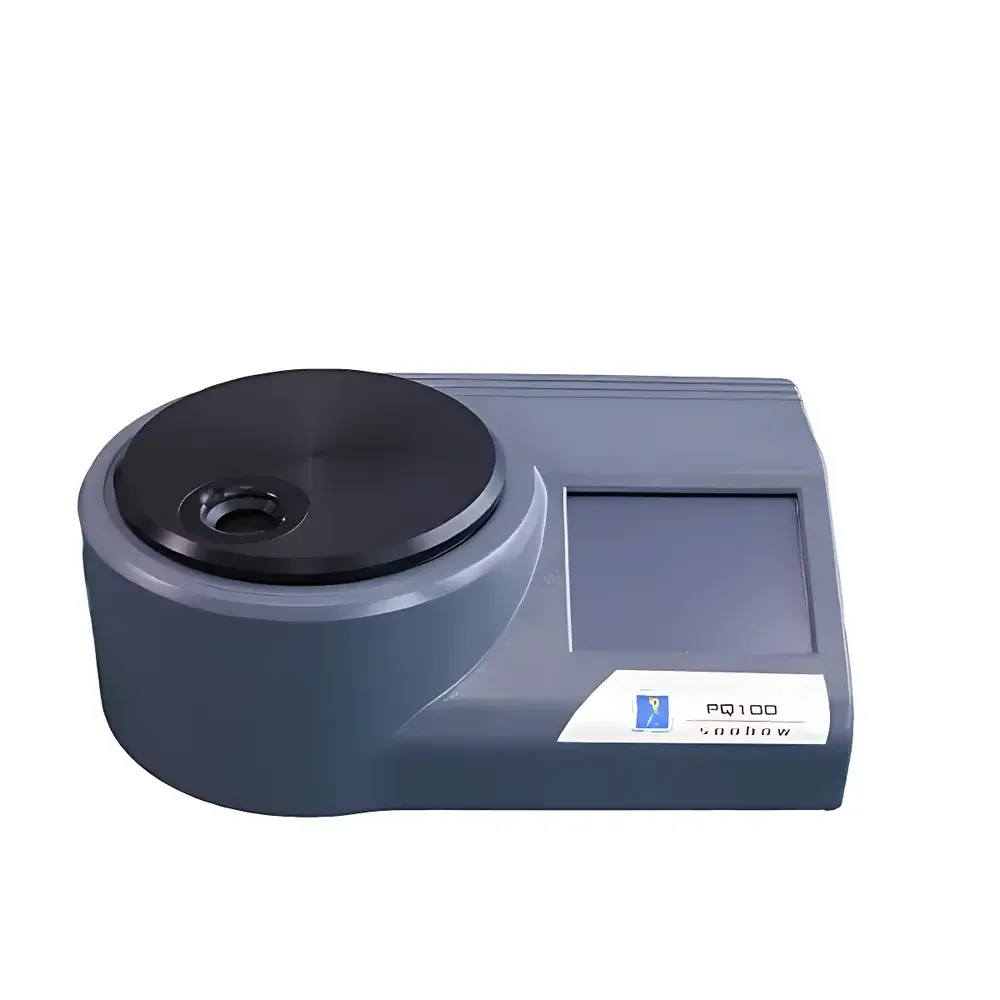
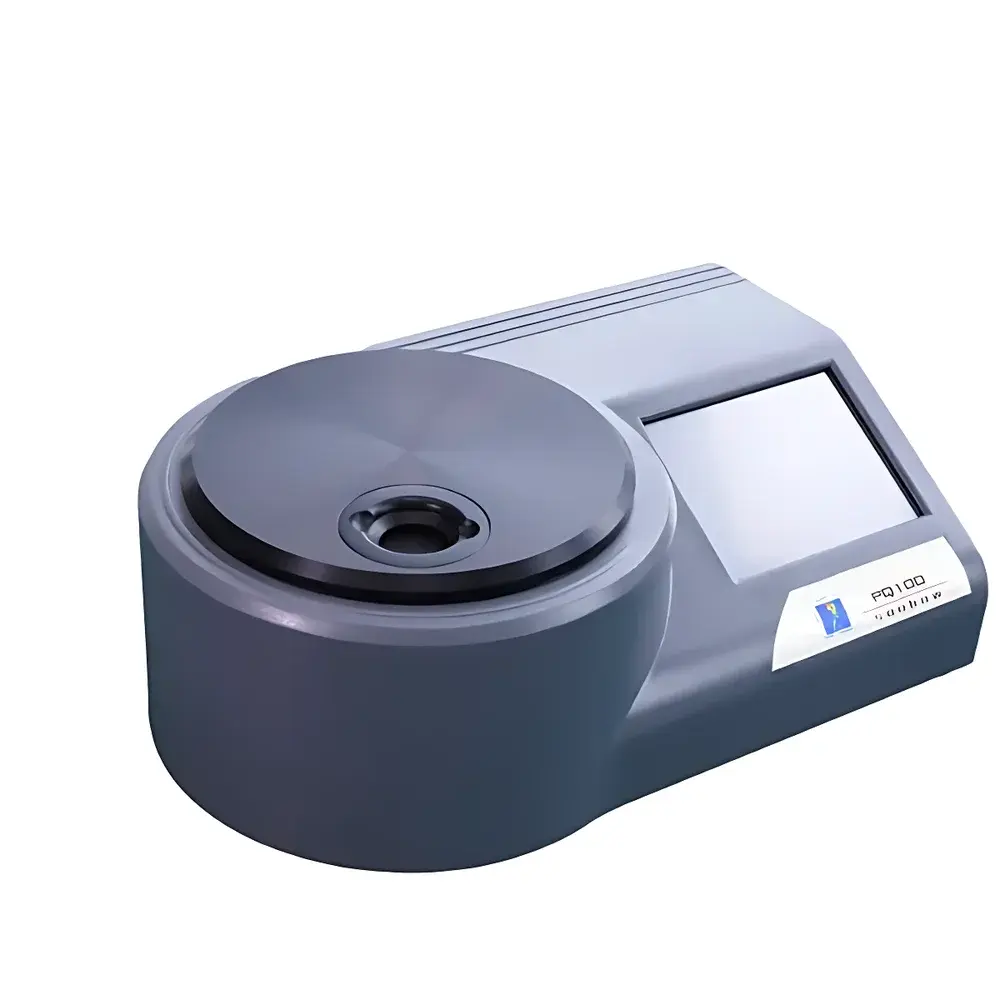
SOOHOW INSTRUMENT PQ100-PQL Ferrography Index Analyzer
| Brand | SOOHOW INSTRUMENT |
|---|---|
| Origin | Jiangsu, China |
| Manufacturer Type | Direct Manufacturer |
| Country of Origin | China |
| Model | PQ100-PQL |
| Product Type | Portable Instrument |
| Detection Parameter | Ferromagnetic Wear Debris Quantification (PQ Index) |
| Compliance Standard | ASTM D8184 |
| Power Supply | AC 220 V ±10%, 50–60 Hz |
| Operating Temperature | 0–30 °C |
| Display | 120×90 LCD |
| Measurement Time | 7 s per sample |
| Minimum Detectable PQ Value | 5 |
| Detectable Ferromagnetic Particle Size Range | >1 µm |
| Interface | USB-B (female) |
| Measurement Range | 0–15,000 PQ |
| Dimensions | 371 × 226 × 138 mm |
| Weight | 3.8 kg |
Overview
The SOOHOW INSTRUMENT PQ100-PQL Ferrography Index Analyzer is a portable, electromagnetic induction–based instrument engineered for rapid, field-deployable quantification of ferromagnetic wear debris in lubricating oils, hydraulic fluids, and greases. Unlike optical or spectroscopic methods—including atomic absorption spectrometry (AAS) and inductively coupled plasma optical emission spectrometry (ICP-OES)—which report total elemental iron concentration without particle size discrimination, the PQ100-PQL measures the magnetic susceptibility response induced by ferromagnetic particles suspended in oil. This principle enables direct correlation with particle volume and morphology, particularly sensitivity to larger, mechanically significant wear fragments (>15 µm), which are strong indicators of abnormal or incipient component failure in rotating machinery. The analyzer operates in full compliance with ASTM D8184, the standard test method for determining the ferromagnetic wear debris index (PQ Index) of used lubricants using a magnetic particle detector. Its design bridges the gap between laboratory-grade ferrographic analysis and on-site condition monitoring—delivering lab-grade insight without requiring sample preparation, solvent extraction, or operator spectroscopy expertise.
Key Features
- Proprietary high-sensitivity electromagnetic sensor with optimized coil geometry and low-noise signal conditioning circuitry, ensuring long-term baseline stability and repeatability across repeated measurements.
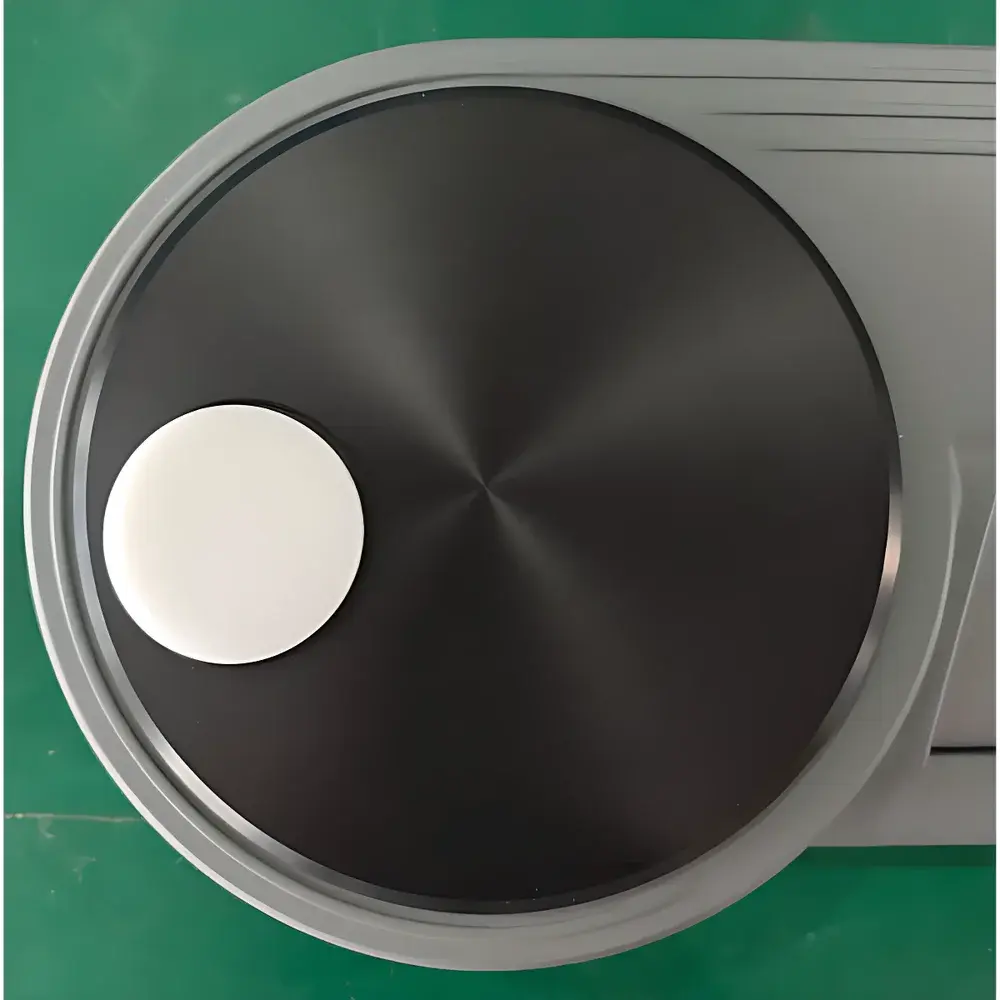
- Automated sample handling: Oil is introduced directly into the supplied sample vial; no filtration, dilution, or chemical pretreatment is required—enabling true “drop-and-measure” operation.
- Single-sample measurement completed in ≤7 seconds, supporting high-throughput screening during routine maintenance rounds or mobile lab deployments.
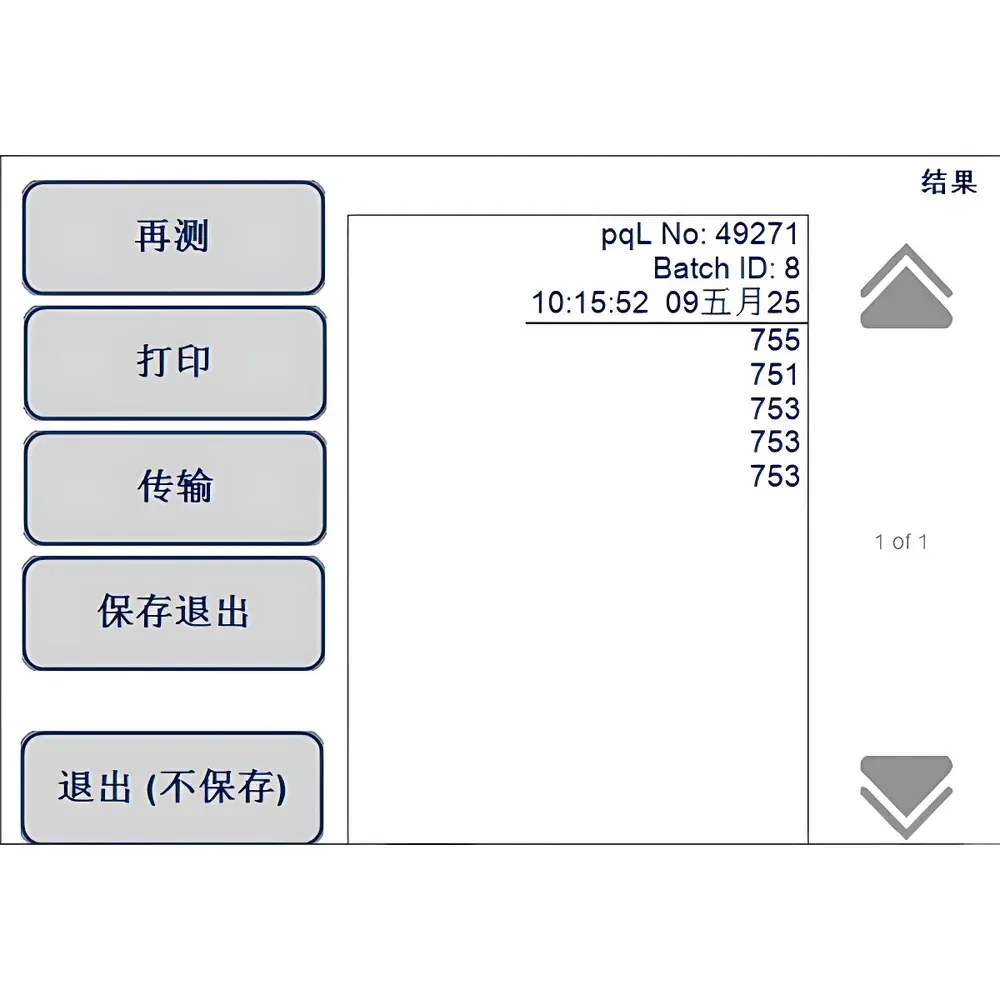
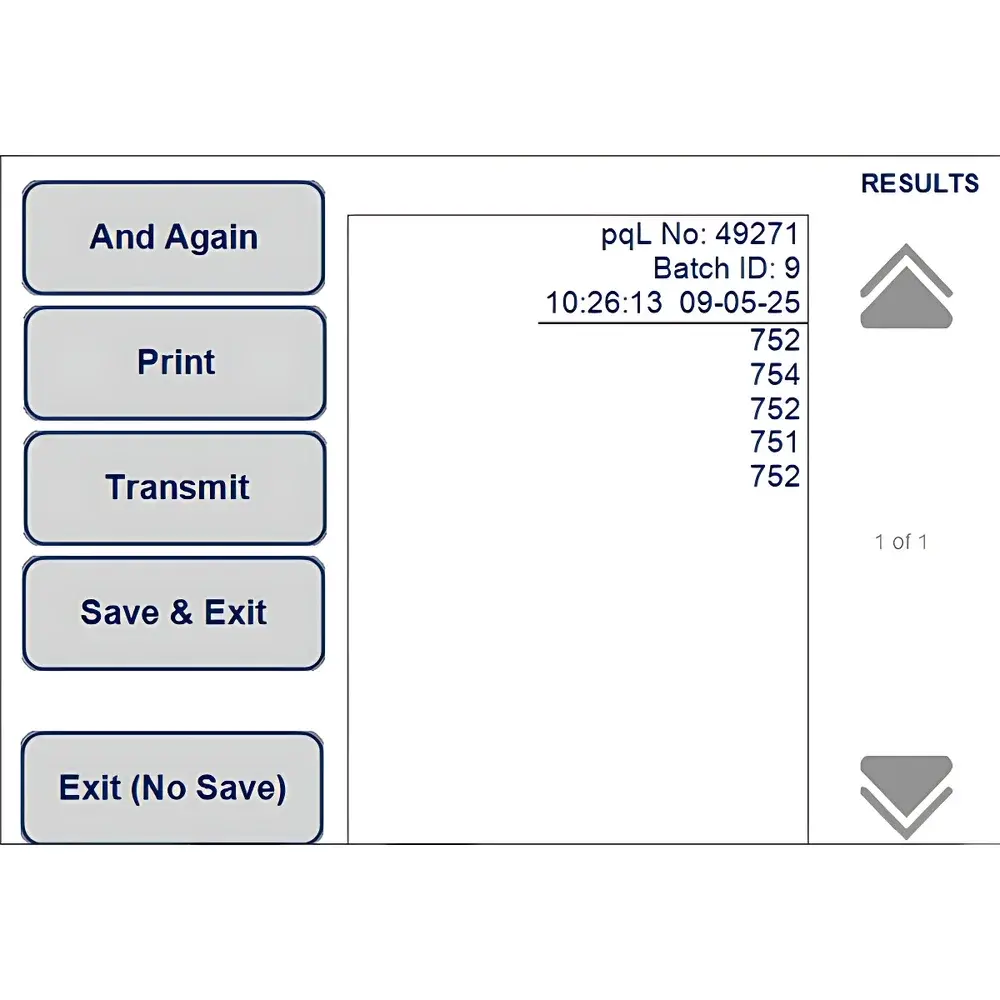
- Integrated 120×90-pixel monochrome LCD display with intuitive icon-based navigation and bilingual (English/Chinese) menu support—designed for glove-compatible operation in industrial environments.
- Full alphanumeric file naming capability via on-device keypad, facilitating traceable sample identification aligned with asset tags, sampling points, or maintenance work orders.
- Robust mechanical architecture: Compact footprint (371 × 226 × 138 mm), shock-absorbing housing, and 3.8 kg mass optimized for handheld portability and vibration resistance in engine rooms, turbine halls, and offshore platforms.
Sample Compatibility & Compliance
The PQ100-PQL is validated for use with mineral-based and synthetic lubricants (including Group II–IV base stocks), hydrocarbon-based hydraulic fluids (e.g., ISO HM, HVLP), and NLGI #0 to #2 lithium-complex greases after minimal homogenization. It does not require viscosity correction or density normalization, as its electromagnetic transduction mechanism is inherently independent of fluid rheology within typical operating ranges (5–500 cSt at 40 °C). All measurements adhere strictly to ASTM D8184 protocols, including standardized sample volume (10 mL), temperature stabilization (23 ± 2 °C), and magnetic field calibration traceable to NIST-traceable reference standards. The device supports audit-ready documentation workflows compatible with ISO 55001 asset management systems and satisfies data integrity requirements under GLP and GMP-aligned maintenance programs when paired with version-controlled software logs.
Software & Data Management
The included PC-based Data Manager software (Windows 10/11 compatible) connects via standard USB 2.0 interface and provides secure, timestamped storage of raw PQ values, measurement metadata (operator ID, equipment tag, date/time, ambient temperature), and user-defined annotations. Data export options include CSV (for integration with CMMS or SCADA platforms), PDF reports with embedded trend charts, and PNG/JPEG image snapshots of on-screen results. Software features include automated baseline drift compensation, statistical process control (SPC) charting (X-bar/R), and configurable alert thresholds based on historical baselines or OEM-recommended PQ limits. Audit trails record all user actions—including data edits, calibration events, and software updates—in accordance with FDA 21 CFR Part 11 principles (electronic signatures optional via Windows domain authentication).
Applications
- Early detection of gear tooth spalling, bearing cage fracture, and journal bearing wipe in wind turbine gearboxes, marine propulsion systems, and gas turbine lube circuits.
- Routine health assessment of diesel engine crankcase oils—differentiating normal polishing wear (25 µm).
- Verification of filter efficiency and bypass valve activation in hydraulic power units serving aerospace actuators and heavy-duty mobile equipment.
- Supporting root-cause analysis during failure investigations where spectroscopic iron totals remain within specification but mechanical distress is suspected.
- Integration into predictive maintenance programs compliant with ISO 23553 (condition monitoring and diagnostics of machines) and SAE JA1011 (standard for reliability-centered maintenance).
FAQ
Does the PQ100-PQL measure elemental iron concentration?
No. It quantifies the collective magnetic susceptibility of ferromagnetic particles (primarily Fe, Fe₃C, and some Ni–Co alloys) in oil, expressed as the dimensionless PQ Index. It does not report ppm Fe or distinguish non-ferromagnetic elements.
Can it detect non-ferrous wear debris such as aluminum or copper?
No. The sensor responds exclusively to ferromagnetic materials. Non-ferrous wear must be assessed via complementary techniques such as ICP-OES or RDE spectroscopy.
Is calibration required before each measurement?
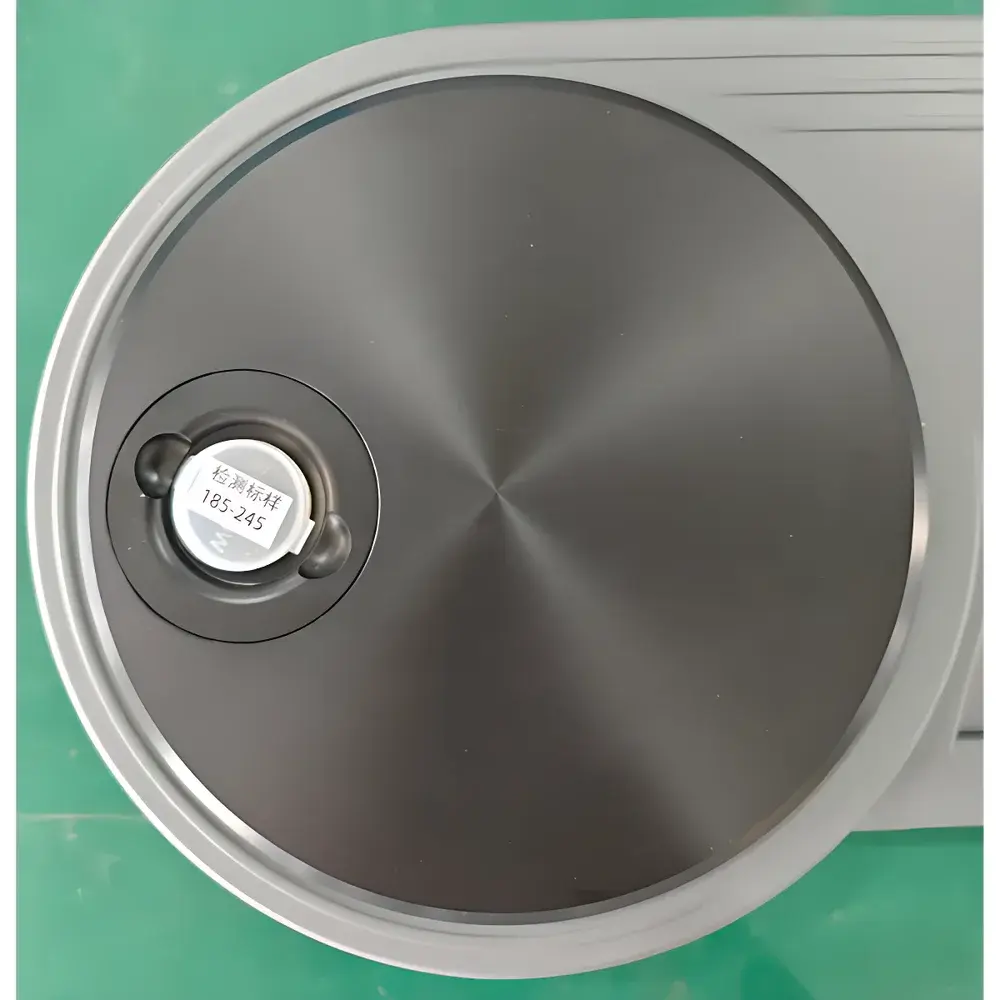
A single factory calibration is performed prior to shipment. Field verification uses an included magnetic reference standard; recalibration is recommended annually or after physical impact or exposure to strong external fields.
What sample volume is required?
Exactly 10.0 mL of well-homogenized oil is drawn into the supplied disposable vial using the provided calibrated syringe.
How does PQ Index correlate with analytical ferrography?
PQ Index shows strong empirical correlation (r² > 0.92) with quantitative ferrogram particle counts in the >15 µm range, as validated per ASTM D7684 Annex A1, making it a reliable surrogate for labor-intensive microscopy-based analysis.





