
GLTlab SHA-2Pro 10-Inch Heated Magnetic Stirrer with Oil/Water Bath Capability
| Brand | GLTlab |
|---|---|
| Origin | Guangdong, China |
| Manufacturer Type | Direct Manufacturer |
| Product Category | Domestic |
| Model | SHA-2Pro |
| Instrument Type | Magnetic Stirrer |
| Maximum Stirring Volume | 20 L |
| Speed Range | 150–1500 rpm |
| Temperature Control Range | Ambient to 400 °C |
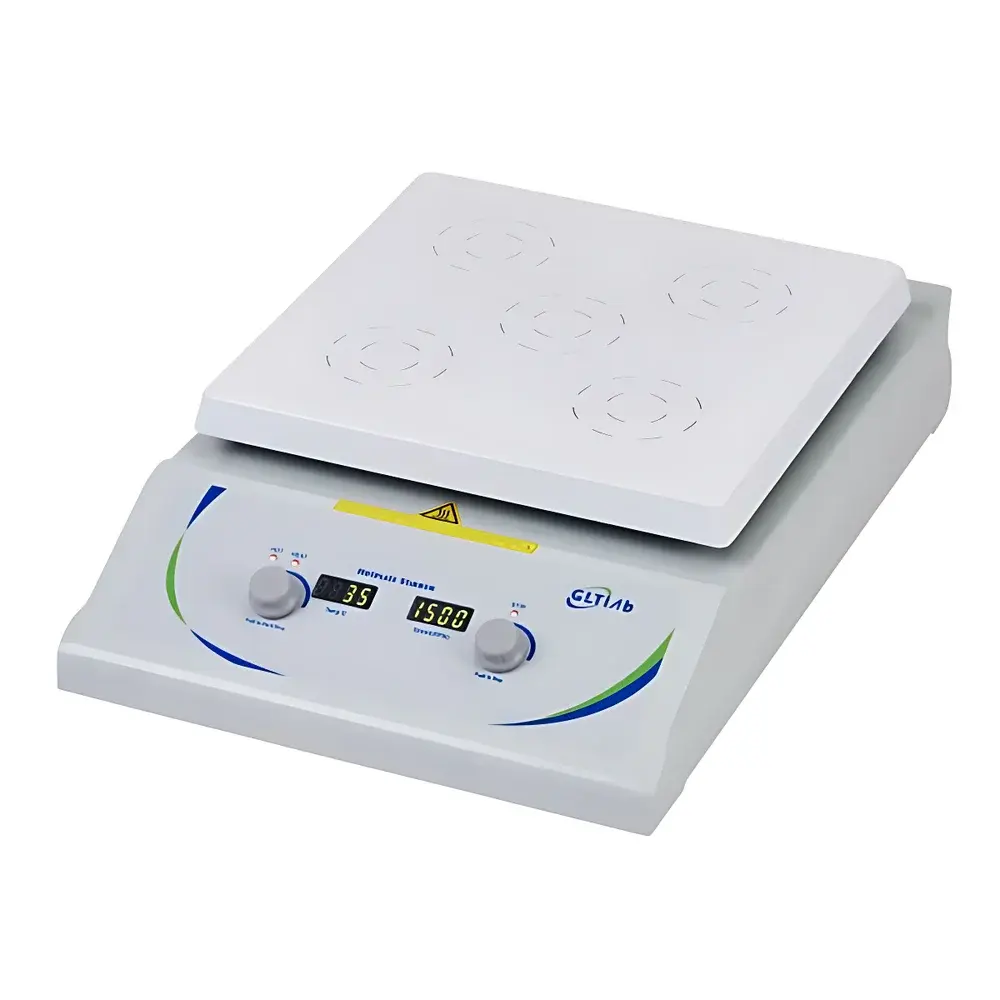
| Heating Plate Dimensions | 254 × 254 mm |
| Heating Element Material | Ceramic-Coated Aluminum |
| External Sensor Support | PT1000 |
| Temperature Accuracy | ±2 °C |
| Heating Resolution | 1 °C |
| Calibration Function | Yes |
| Power Rating | 1600 W |
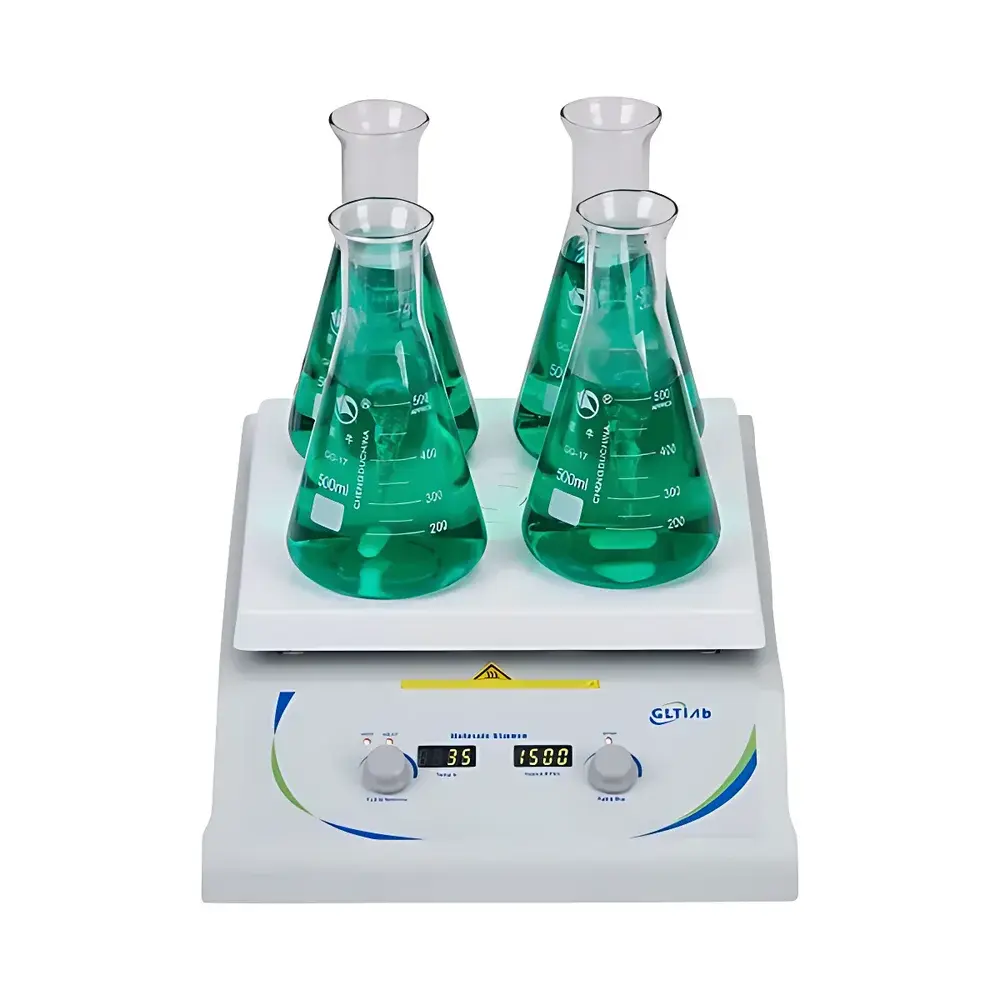
| Multi-Position Stirring Configurations | 1, 2, 3, 4, or 5 stations |
| Surface Coating | Chemically resistant ceramic |
| Safety Features | Overheat protection, thermal warning indicator |
Overview
The GLTlab SHA-2Pro is an engineered laboratory-grade heated magnetic stirrer designed for precision temperature control and robust mechanical stirring across diverse sample formats. Operating on the principle of rotating magnetic fields generated by a high-efficiency internal motor and permanent magnet array, it induces controlled vortex motion in ferromagnetic stir bars immersed in liquid media. Unlike basic hotplates or single-function stirrers, the SHA-2Pro integrates a large-area 10-inch (254 × 254 mm) ceramic-coated aluminum heating plate capable of sustained operation from ambient temperature up to 400 °C — enabling direct heating, oil bath immersion, water bath support, or dry-block-style incubation. Its thermally optimized architecture ensures uniform heat distribution and rapid thermal response, while the integrated PID temperature controller delivers stable setpoint maintenance with ±2 °C accuracy over extended durations. The unit meets fundamental safety and performance expectations for routine QC, synthesis, dissolution testing, and microbiological preparation workflows in academic, pharmaceutical, and industrial laboratories.
Key Features
- Large-format 10-inch ceramic-coated aluminum heating surface (254 × 254 mm) for enhanced thermal uniformity and chemical resistance
- Wide operating temperature range: ambient to 400 °C, with 1 °C resolution and real-time digital display
- Stable rotational speed control from 150 to 1500 rpm, with automatic magnetic coupling correction to prevent decoupling under load
- Support for external PT1000 temperature probes enabling precise bath- or solution-level feedback control
- Configurable multi-station operation: selectable 1-, 2-, 3-, 4-, or 5-position stirring layouts via modular platform design
- 1600 W high-power heating system with thermal cut-off and visual overheat warning indicator
- Onboard calibration function for external probe offset adjustment, supporting traceable temperature verification
- Robust mechanical construction with non-slip base, reinforced housing, and EMI-suppressed motor drive
Sample Compatibility & Compliance
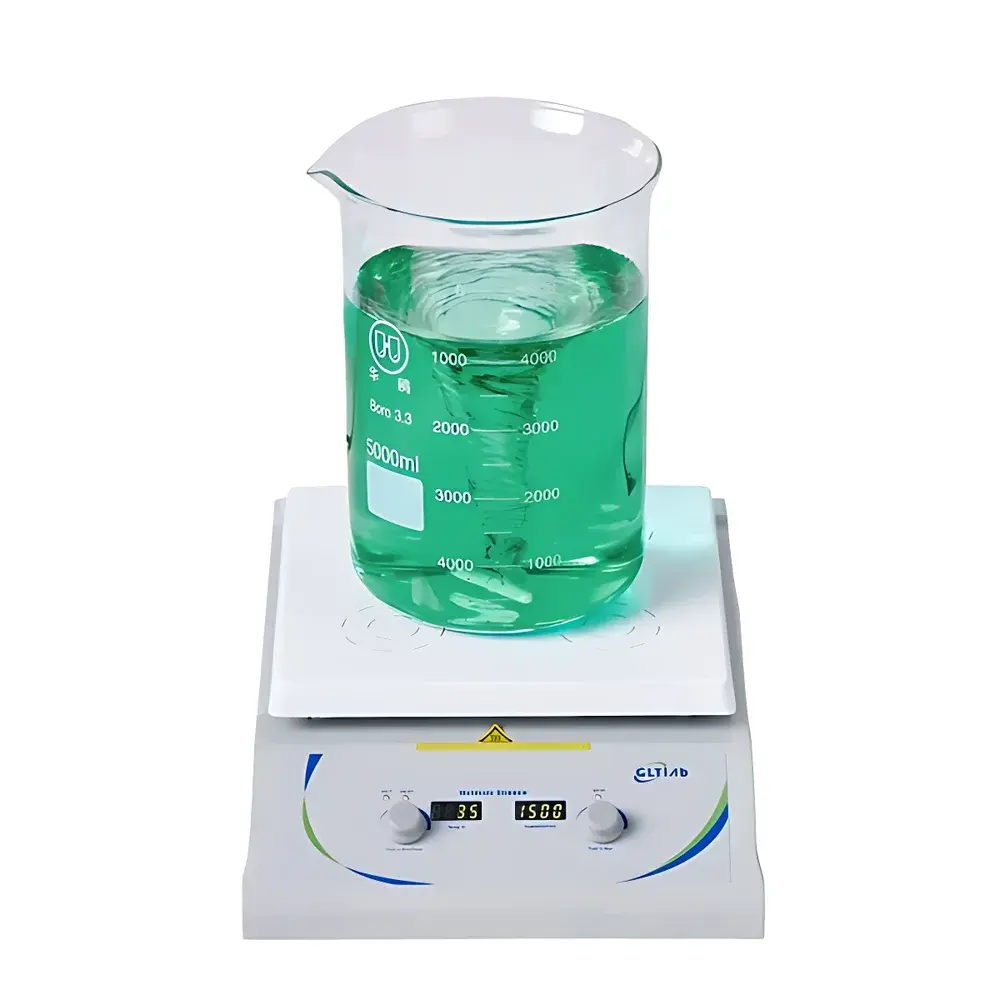
The SHA-2Pro accommodates standard laboratory glassware including beakers (up to 20 L capacity), round-bottom flasks, crystallization dishes, and jacketed reactors. Its elevated temperature capability supports silicone oil baths (up to 400 °C), water baths (up to 100 °C), and glycol-based thermal media. The ceramic coating resists corrosion from common solvents, acids, and bases encountered in organic synthesis and analytical sample prep. While not certified to IEC 61010-1 Annex BB for hazardous area use, the device complies with general-purpose laboratory electrical safety requirements and incorporates dual thermal protection circuits. It supports GLP-aligned documentation practices through external probe logging and manual calibration records; however, it does not include FDA 21 CFR Part 11-compliant electronic audit trails or user access controls.
Software & Data Management
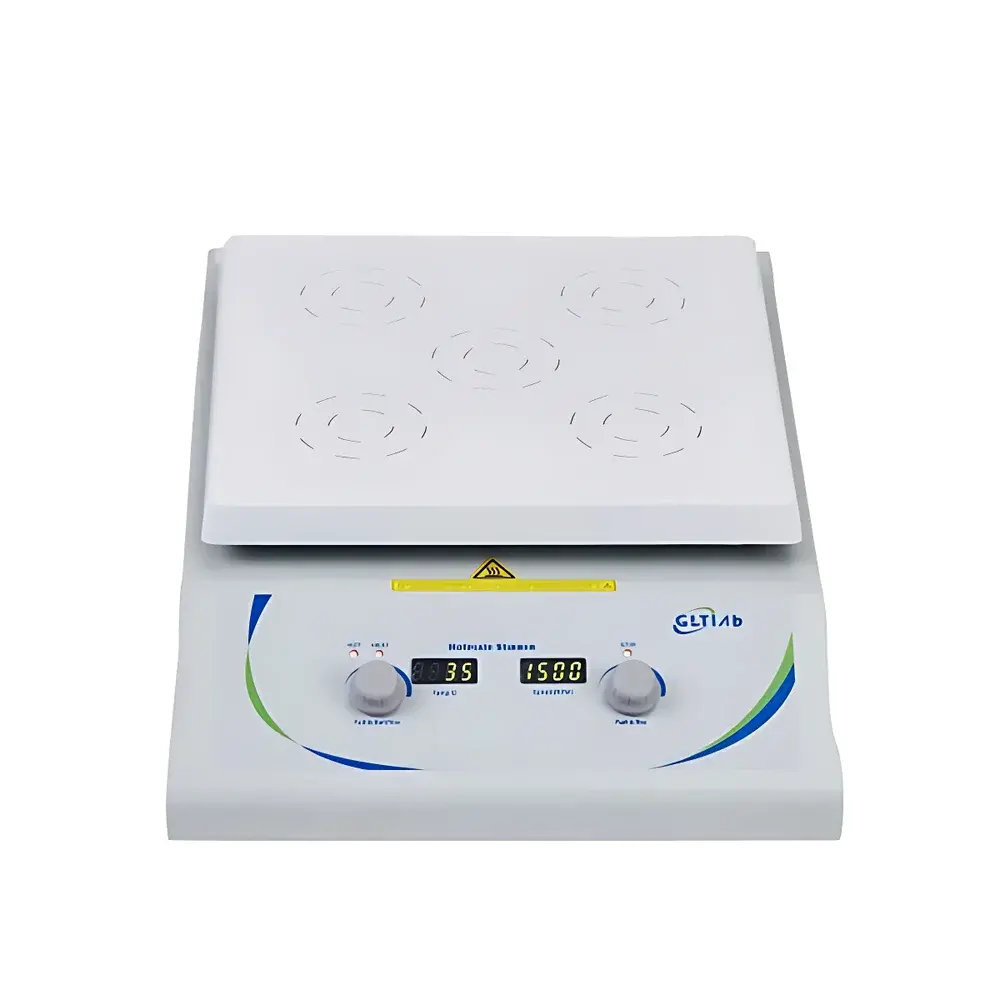
The SHA-2Pro operates via an intuitive front-panel interface with dual digital displays for simultaneous speed and temperature readouts. No proprietary software or PC connectivity is provided; all parameter setting and monitoring occur locally. External PT1000 probe inputs allow integration with third-party data loggers or SCADA systems via analog voltage output (if equipped with optional signal module). Calibration adjustments are performed manually using the onboard menu, with values stored in non-volatile memory. For regulated environments requiring instrument qualification, users may implement IQ/OQ protocols referencing manufacturer-specified tolerances (±2 °C temperature accuracy, ±10 rpm speed stability at mid-range), supported by factory test reports available upon request.
Applications
- Controlled-temperature reaction monitoring in organic and inorganic synthesis
- Dissolution testing per USP using calibrated oil/water baths
- Bacterial culture maintenance at defined temperatures (e.g., 37 °C incubation with agitation)
- Polymer solubilization and viscosity conditioning prior to rheological analysis
- Standard solution preparation requiring homogeneous mixing and thermal equilibration
- Calibration of reference thermometers and secondary temperature sensors
- Pre-heating and holding of reagents, buffers, or mobile phases in HPLC/GC workflows
FAQ
Can the SHA-2Pro be used for both oil bath and water bath applications simultaneously?
Yes — its wide temperature range and external PT1000 compatibility enable concurrent use as a heating mantle for oil baths (≤400 °C) or a thermostatic platform for water baths (≤100 °C), depending on vessel selection and medium.
Is the ceramic coating resistant to hydrochloric acid or sodium hydroxide solutions?
The ceramic layer provides moderate resistance to dilute aqueous acids and bases; prolonged exposure to concentrated HCl or >1 M NaOH is not recommended without protective inserts.
Does the unit support RS-232 or USB communication for remote control?
No — the SHA-2Pro is a standalone instrument with no built-in serial or digital communication interfaces.
What is the maximum flask size supported for stable stirring at 1500 rpm?
For optimal coupling and vortex formation, use stir bars ≥40 mm in length with vessels ≤5 L volume at top speed; larger volumes require reduced rpm to maintain consistency.
How often should external probe calibration be performed?
Per GLP best practice, verify probe accuracy before each critical experiment or at least daily when used in regulated settings; recalibrate if deviation exceeds ±0.5 °C.



