
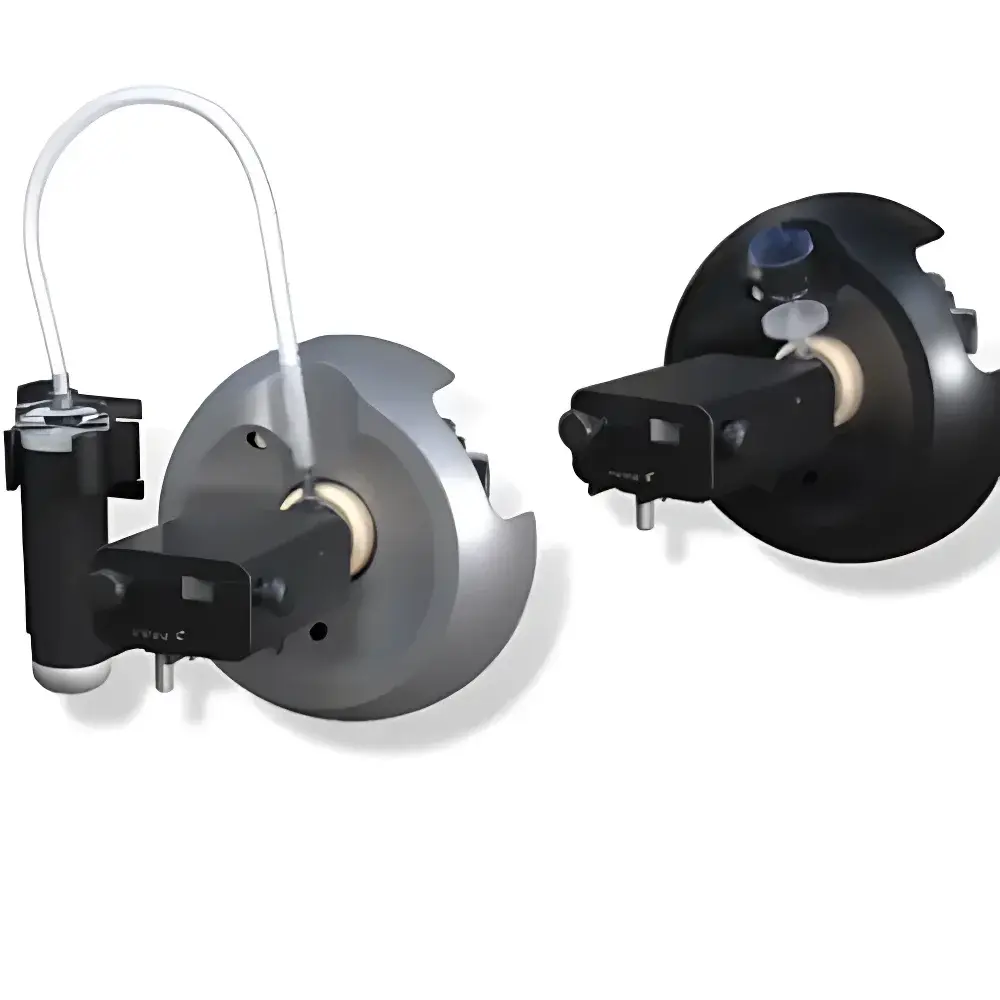
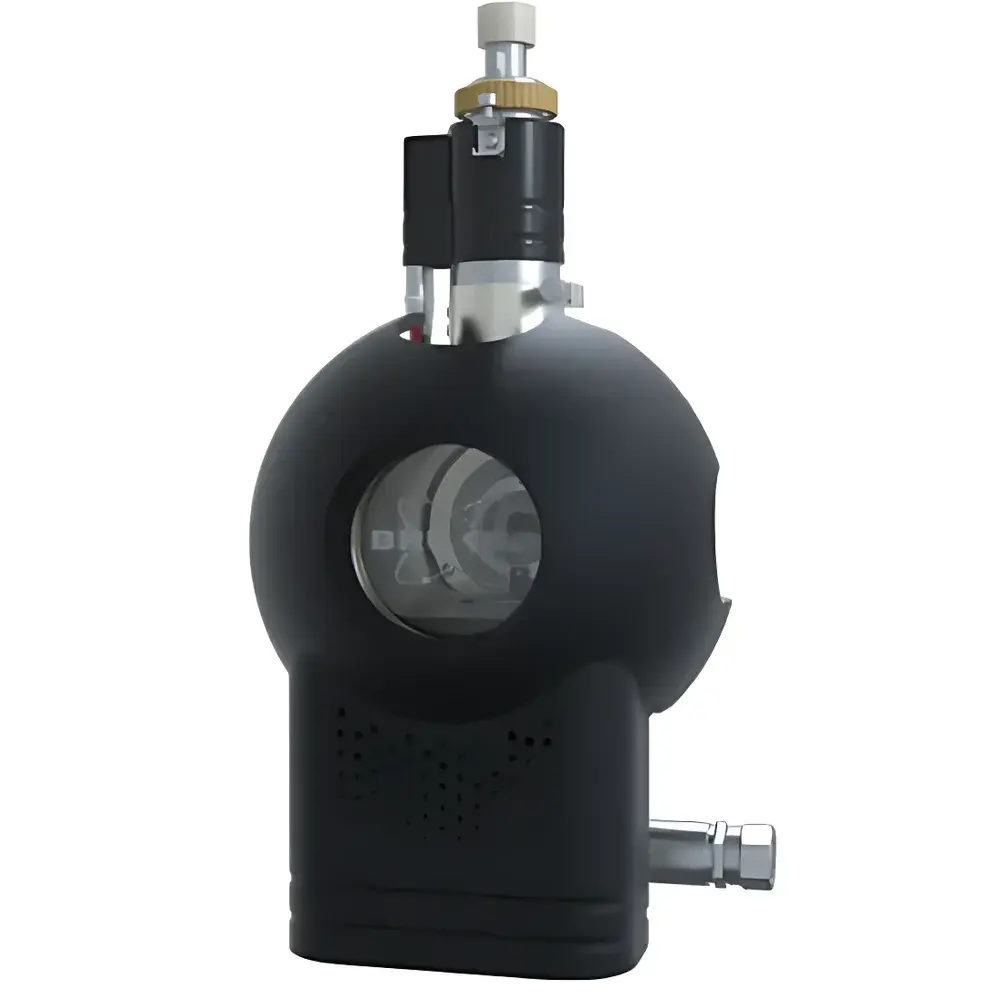
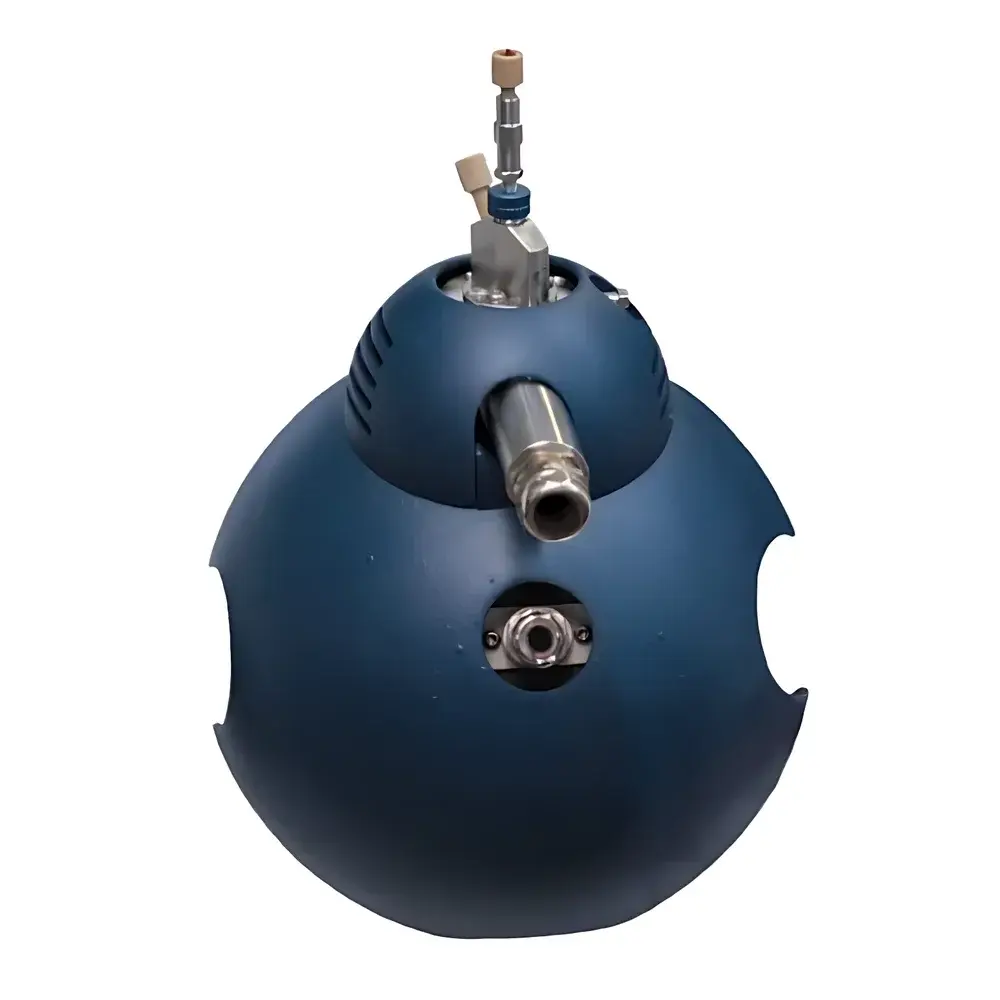
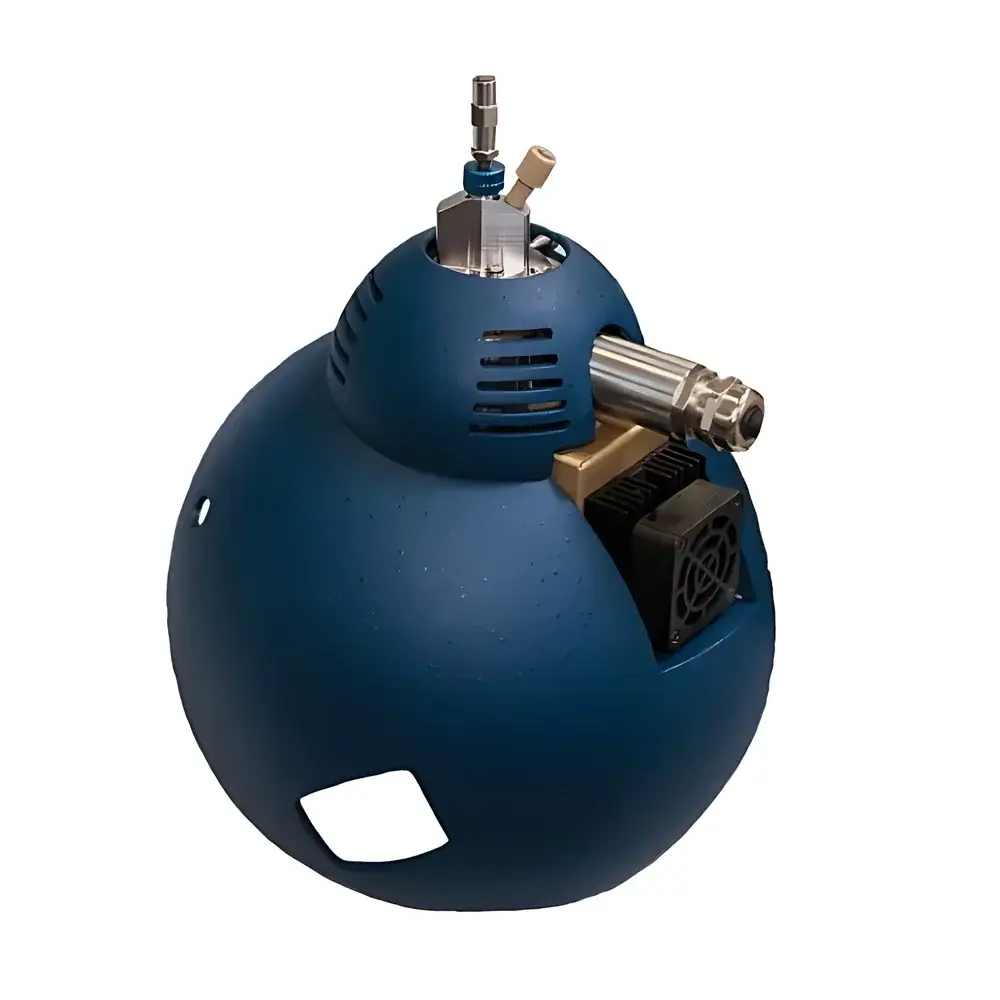
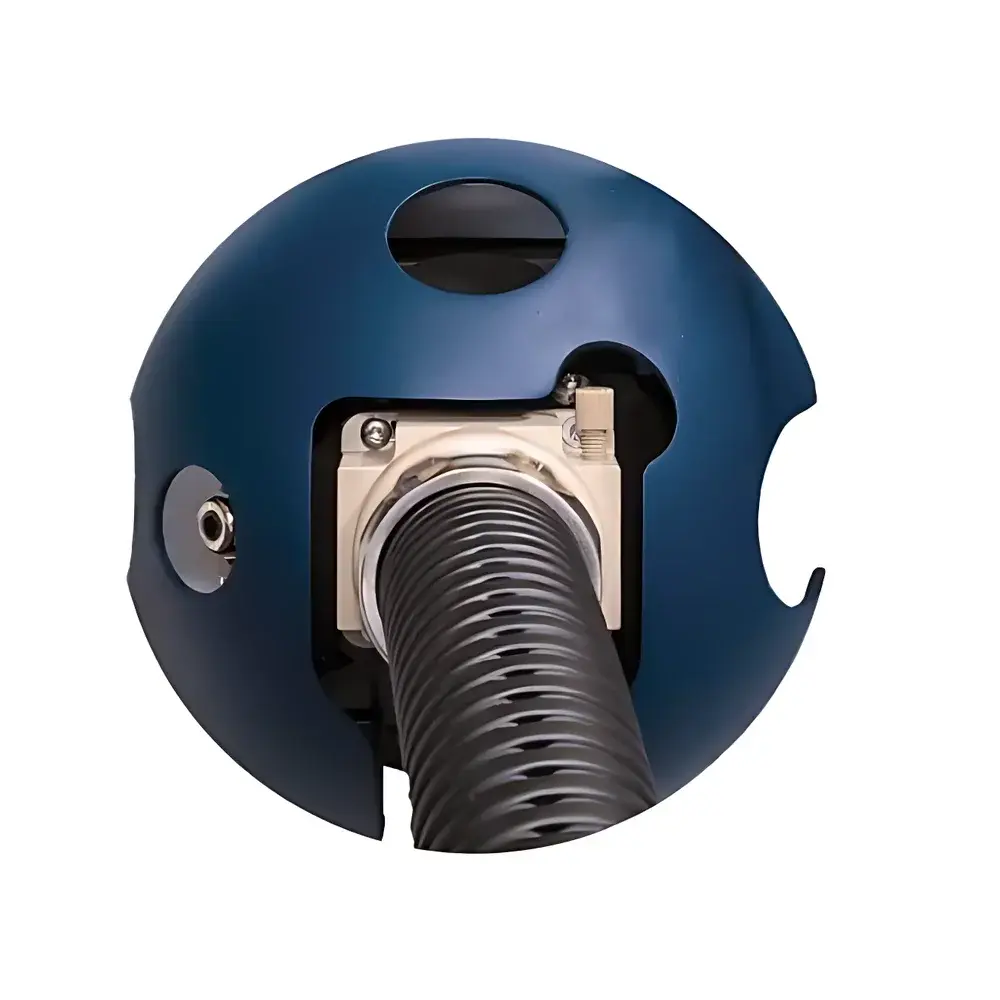
Bruker Ion Source for Mass Spectrometry Systems
| Brand | Bruker |
|---|---|
| Origin | Germany |
| Manufacturer Type | Authorized Distributor |
| Origin Category | Imported |
| Model | Ion Source |
| Pricing | Available Upon Request |
Overview
The Bruker Ion Source is a precision-engineered component designed for integration with Bruker mass spectrometry platforms, including but not limited to maXis系列, timsTOF series, and compact Q-TOF systems. Ionization efficiency, spectral fidelity, and signal-to-noise ratio are fundamentally governed by the ion source architecture—making it a critical determinant of overall MS performance in terms of mass resolution, mass accuracy, and, most critically, detection sensitivity. Unlike universal detectors, no single ionization mechanism delivers optimal performance across all analyte classes. The physical and chemical properties of target molecules—including polarity, thermal stability, molecular weight, and proton affinity—dictate the selection of an appropriate ionization strategy. Bruker’s modular ion source portfolio addresses this heterogeneity through purpose-built designs grounded in established ionization physics, including electrospray ionization (ESI), atmospheric pressure chemical ionization (APCI), matrix-assisted laser desorption/ionization (MALDI), and the proprietary CaptiveSpray™ and Apollo™ interfaces.
Key Features
- Modular mechanical design compatible with Bruker’s standard LC/MS and GC/MS interface geometries, enabling rapid source exchange without realignment of ion optics or vacuum system recalibration.
- Temperature-controlled desolvation gas and heated capillary optimized for both low-flow nano-ESI and high-flow conventional ESI applications (up to 1 mL/min).
- CaptiveSpray™ technology—exclusive to Bruker—integrates emitter, counter-electrode, and gas heating into a monolithic ceramic assembly, delivering exceptional spray stability and reduced carryover for quantitative proteomics and metabolomics workflows.
- Robust stainless-steel and ceramic construction ensures long-term operational integrity under high-vacuum conditions and repeated thermal cycling.
- Field-serviceable components—including ion transfer capillaries, skimmer cones, and shielding electrodes—designed to minimize downtime and support GLP-compliant maintenance logging.
Sample Compatibility & Compliance
Bruker ion sources accommodate a broad spectrum of sample types: small-molecule pharmaceuticals (e.g., APIs, impurities), polar metabolites (e.g., amino acids, organic acids), non-polar lipids (e.g., phosphatidylcholines, ceramides), and intact proteins or peptides (up to 100 kDa under native or denatured conditions). Compatibility extends across liquid-phase introduction methods (HPLC, UHPLC, nanoLC) and solid-phase analysis (MALDI target plates). All sources comply with IEC 61010-1 (safety requirements for electrical equipment) and meet electromagnetic compatibility (EMC) standards per EN 61326-1. When deployed within validated laboratory environments, the ion source supports adherence to FDA 21 CFR Part 11 requirements when used in conjunction with Bruker’s Compass software suite featuring full audit trail, electronic signatures, and user access controls.
Software & Data Management
Ion source operation is fully integrated into Bruker’s Compass software platform (including DataAnalysis, Compass Pilot, and HyStar). Real-time monitoring of source temperature, capillary voltage, nebulizer gas flow, and desolvation parameters is accessible via intuitive graphical dashboards. Method templates include pre-configured ion source settings for common applications—such as peptide identification (ESI+), lipid profiling (APCI–), or polymer characterization (MALDI)—reducing method development time. Raw data files (.baf) retain embedded metadata describing all source-related acquisition parameters, ensuring traceability for regulatory submissions and inter-laboratory reproducibility studies.
Applications
- High-sensitivity quantitation of pharmaceutical compounds in biological matrices (plasma, urine) per bioanalytical method validation guidelines (FDA, EMA).
- Top-down and bottom-up proteomics workflows requiring consistent charge-state distribution and minimal in-source fragmentation.
- Structural characterization of synthetic polymers using MALDI-TOF MS with controlled cationization and matrix selection.
- Environmental analysis of persistent organic pollutants (POPs) and emerging contaminants (e.g., PFAS) via APCI-MS/MS in selective reaction monitoring (SRM) mode.
- Metabolite identification in plant extracts or fermentation broths using polarity-switching ESI with dynamic background subtraction.
FAQ
Which Bruker mass spectrometers are compatible with this ion source?
This ion source is engineered for native compatibility with Bruker’s maXis II, timsTOF Pro 2, scimaX, and compact Q-TOF platforms. Adapter kits are available for legacy models upon request.
Is source cleaning required between sample batches?
Yes—routine cleaning of the ion transfer capillary and cone surfaces is recommended after every 24–48 hours of continuous operation or following high-salt or high-lipid samples. Cleaning protocols are documented in the Compass User Manual (Rev. 5.2+).
Can the same ion source be used for both positive- and negative-ion mode analysis?
All ESI and APCI sources support polarity switching via software-controlled voltage reversal; no hardware modification is necessary. MALDI sources operate in fixed polarity based on matrix selection.
Does Bruker provide application-specific source optimization services?
Yes—Bruker Application Scientists offer remote and on-site method development support, including source parameter tuning, matrix selection (for MALDI), and sensitivity benchmarking against certified reference materials.
Related Products






