
SDL SCS-900HM Atmospheric Heavy Metal Online Analyzer for Flue Gas Monitoring
| Brand | SDL |
|---|---|
| Origin | Beijing, China |
| Manufacturer Type | Direct Manufacturer |
| Region Classification | Domestic (China) |
| Model | SCS-900HM |
| Price Range | USD 98,000 – 140,000 (FOB) |
| Product Category | Flue Gas Heavy Metal Analyzer |
| Measurement Principle | X-ray Fluorescence (XRF) |
| Measurement Range | 0.1–20,000 µg/Nm³ |
| Limit of Detection (LOD) | 0.1 µg/m³ |
| Filter Replacement Interval | Custom-configurable per site conditions |
| Operating Ambient Temperature Range | –10 °C to +50 °C (industrial enclosure rated) |
| Operating Ambient Humidity Range | 10–90 % RH (non-condensing) |
| Operating Ambient Pressure Range | 86–106 kPa |
Overview
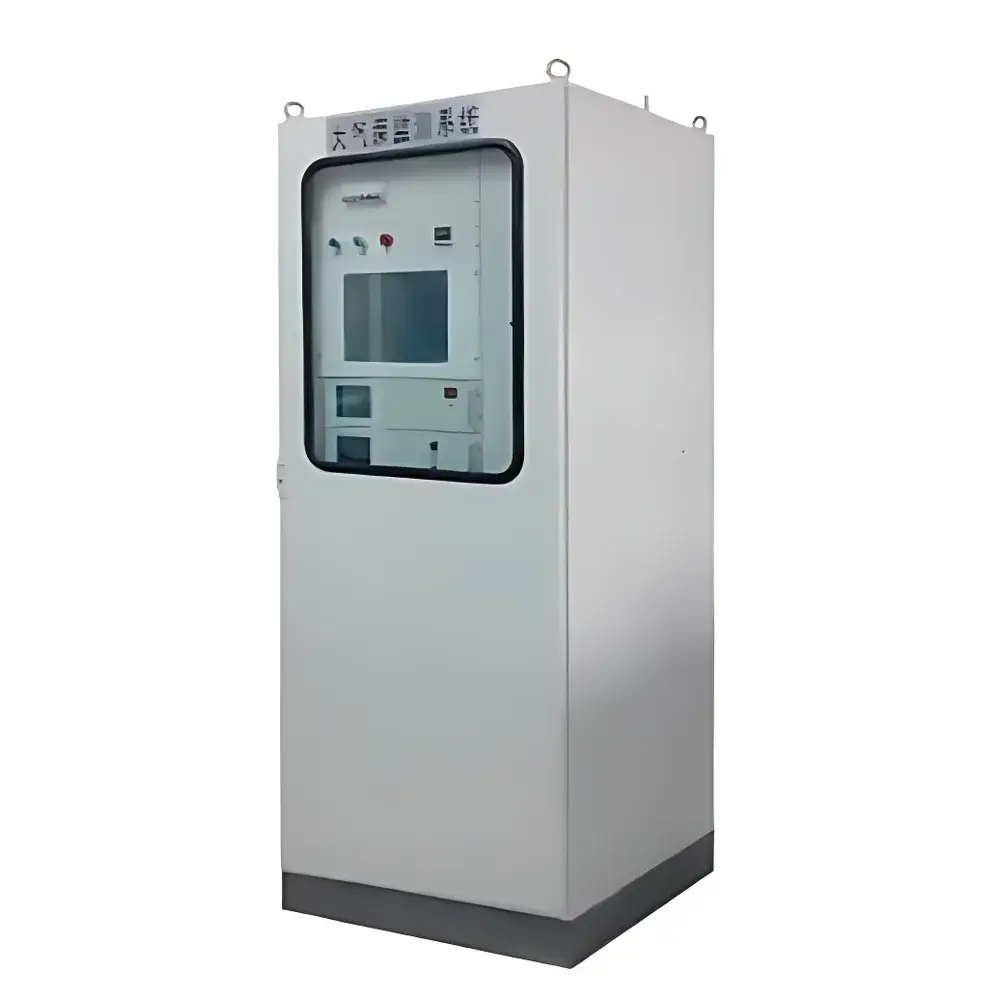
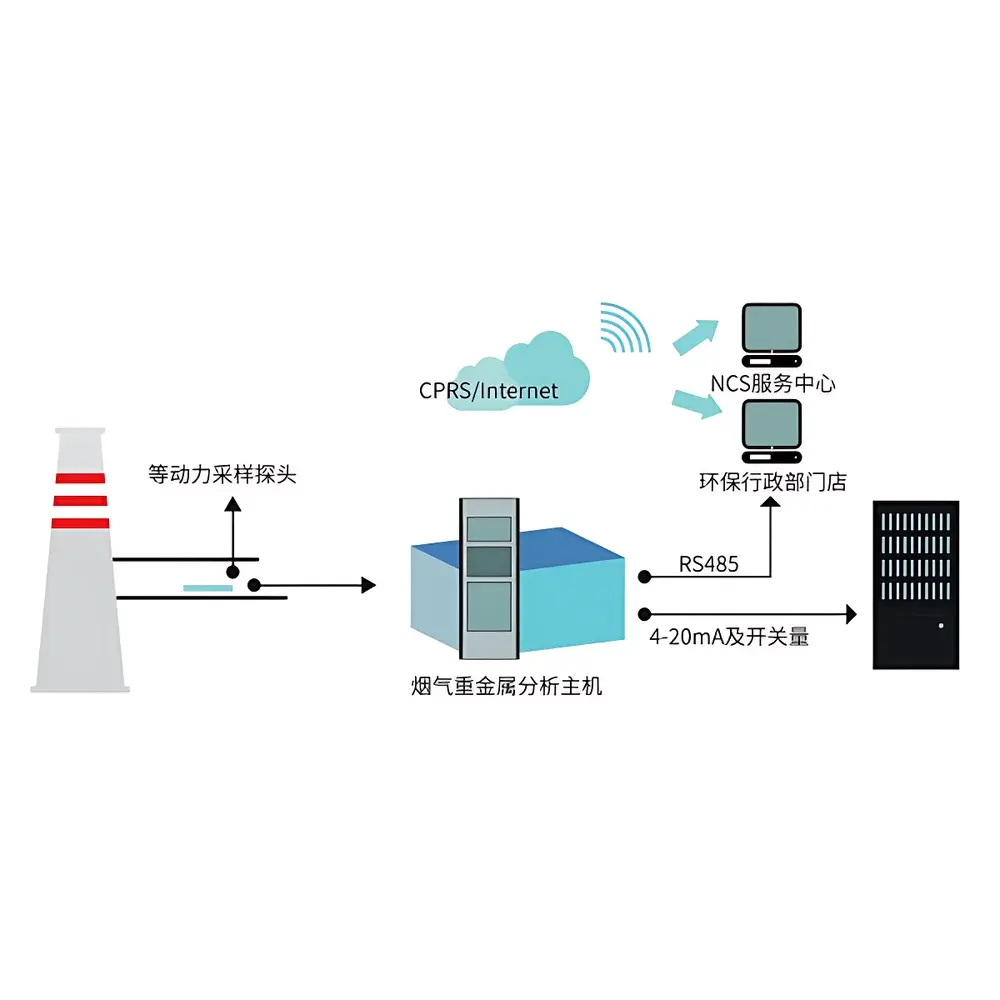
The SDL SCS-900HM Atmospheric Heavy Metal Online Analyzer is an industrial-grade, continuous emission monitoring system (CEMS) engineered for real-time quantification of toxic heavy metals in flue gas streams from high-temperature combustion and thermal processing sources. It employs energy-dispersive X-ray fluorescence (ED-XRF) spectroscopy — a non-destructive, reference-free elemental analysis technique — to quantify deposited metal species on a continuously advanced quartz or PTFE filter tape. Unlike wet-chemical or atomic absorption-based methods, the SCS-900HM eliminates reagent consumption, sample digestion, and laboratory turnaround delays. The instrument integrates directly into stack-side CEMS architectures and delivers trace-level detection (LOD ≤ 0.1 µg/m³) for regulated elements including Hg, Pb, Cd, Cr, As, Ni, Cu, Zn, Mn, and Sb — all compliant with EU IED Annex VII, US EPA Method 29, and China’s HJ 657–2013 standard for heavy metal emissions monitoring.
Key Features
- Multi-element ED-XRF detection: Simultaneous quantification of ≥20 regulated heavy metals without spectral interference or calibration drift.
- Real-time environmental compensation: Integrated temperature, pressure, and relative humidity sensors dynamically correct for gas density variations affecting mass loading calculations.
- Stack-adapted isokinetic sampling module: Maintains constant velocity ratio between probe tip and flue gas flow, ensuring representative particulate capture across variable load conditions.
- Non-destructive analysis: Filter tapes remain intact post-measurement, enabling archival, secondary verification, or offline validation via ICP-MS if required.
- Radiation safety compliance: Fully shielded X-ray source (≤10 kV, <100 µA) with interlocked access doors and dose-rate monitoring meeting IEC 61000-4-3 and GBZ 126–2011 radiation protection standards.
- Self-diagnostic architecture: Embedded fault logging, lamp intensity tracking, detector gain stabilization, and automated zero/background checks ensure measurement continuity and audit readiness.
Sample Compatibility & Compliance
The SCS-900HM accepts standard 47-mm or 50-mm circular filter media (quartz fiber, Teflon-coated glass fiber, or polycarbonate), compatible with ISO 9096 and EN 13284-1 sampling protocols. All measurements are traceable to NIST SRM 2783 (Air Particulate Matter) and certified reference materials from LGC or BAM. The system meets GLP-aligned data integrity requirements, supporting 21 CFR Part 11-compliant electronic records when integrated with SDL’s optional CEMS Data Acquisition System (DAS). Full compliance documentation includes CE marking (EMC & LVD directives), RoHS certification, and factory-verified performance testing per HJ 657–2013 Annex B.
Software & Data Management
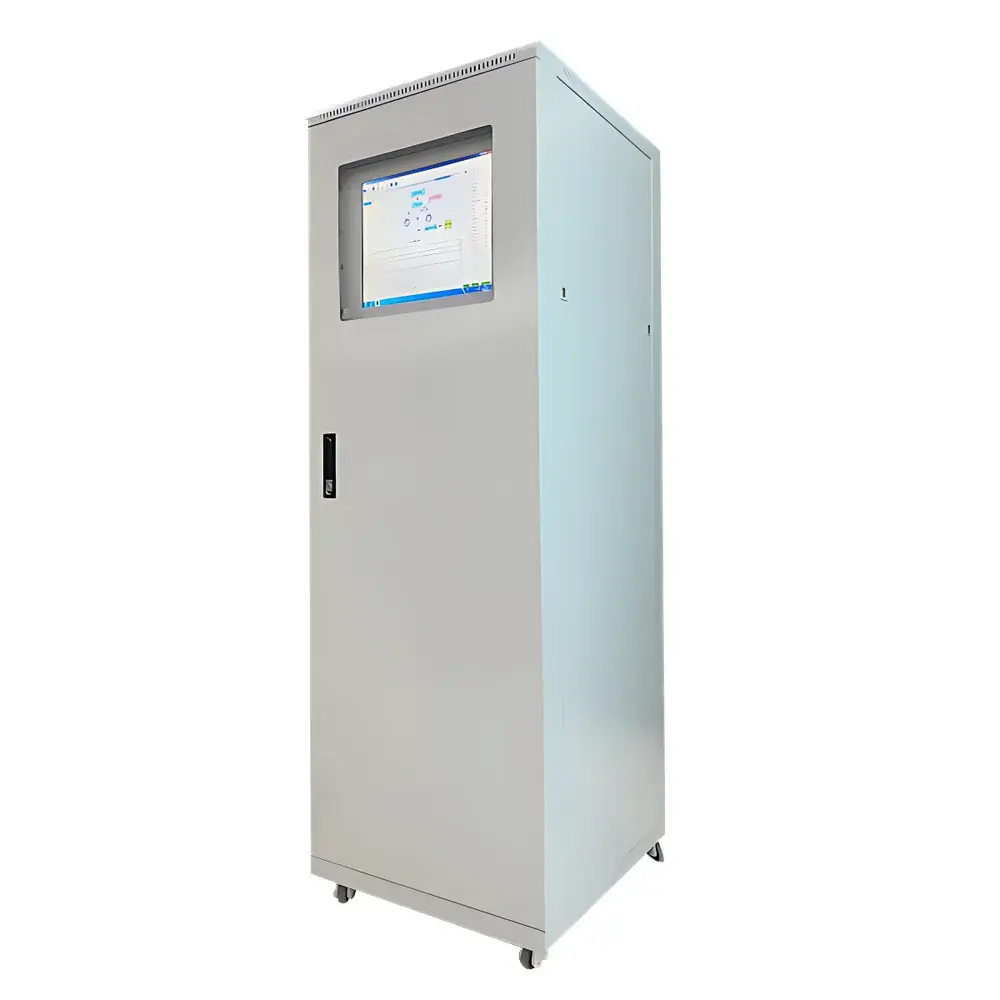
The embedded Linux-based controller runs SDL’s proprietary CEMS-View™ firmware, offering dual-mode operation: standalone local display (7-inch resistive touchscreen) or remote SCADA integration via Modbus TCP, OPC UA, or 4–20 mA analog outputs. All raw spectra, corrected concentrations, environmental metadata, and diagnostic logs are timestamped and stored onboard for ≥90 days. Optional cloud connectivity enables encrypted TLS 1.2 transmission to centralized EHS platforms. Audit trails include user login history, parameter change logs, calibration event timestamps, and automatic report generation aligned with China’s MEP Order No. 38 and EU MRV reporting templates.
Applications
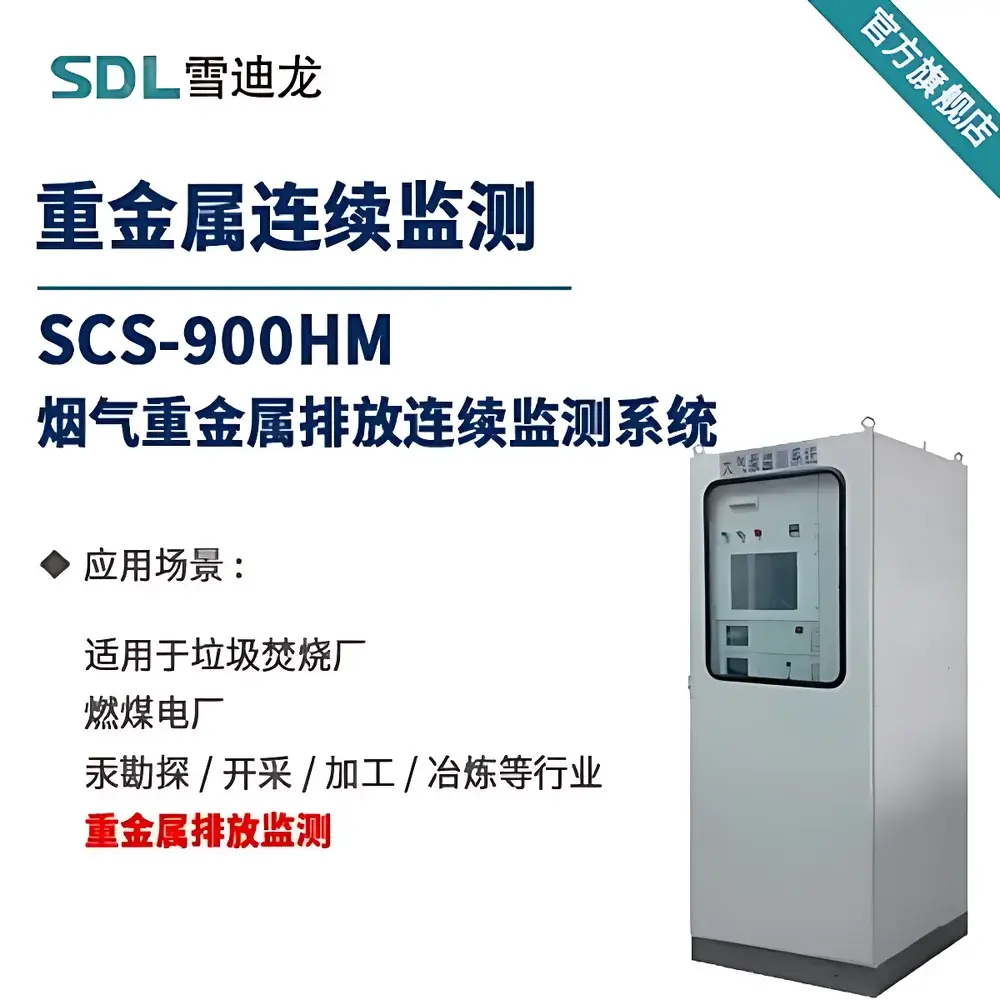
The SCS-900HM is deployed in regulatory-compliant continuous monitoring of hazardous air pollutants (HAPs) at municipal solid waste incinerators (MSWIs), coal-fired power plants equipped with ESP/FF scrubbers, medical waste treatment facilities, ferrous/non-ferrous metal smelters (e.g., zinc roasting, lead recycling), and cement kilns co-processing alternative fuels. Its robust design supports long-term unattended operation in ambient temperatures up to 50 °C and vibration-prone stack environments. Field-proven use cases include mercury speciation support (via pre-filter Hg⁰/Hg²⁺ separation modules), annual compliance reporting under China’s “Blue Sky Defense War” initiative, and cross-border ETS reporting for EU-based operators.
FAQ
Does the SCS-900HM require daily manual intervention?
No — it operates autonomously for ≥30 days between maintenance cycles, with filter advancement, XRF excitation, and environmental compensation fully automated.
Can it distinguish between elemental and oxidized forms of metals?
No — ED-XRF measures total elemental concentration only; speciation requires upstream chemical conditioning (e.g., KCl-coated filters for Hg²⁺ capture) or complementary techniques like XANES.
Is factory calibration traceable to international standards?
Yes — each unit ships with a NIST-traceable calibration certificate for Pb, Cd, Cr, As, and Hg, verified using multi-level CRM aerosol challenges.
What cybersecurity protocols does the embedded controller support?
It implements TLS 1.2 encryption, role-based access control (RBAC), firmware signature verification, and disabled default credentials — aligned with IEC 62443-3-3 SL2 requirements.
How is data integrity ensured during power interruption?
Onboard supercapacitors retain volatile memory for ≥120 seconds, allowing graceful shutdown and recovery without data loss or file corruption.
Related Products







