
SEBA DF Delayed Fluorescence Phytoplankton Analyzer
| Brand | SEBA |
|---|---|
| Origin | Imported |
| Manufacturer Type | Authorized Distributor |
| Model | DF |
| Application | Online Chlorophyll a and Phytoplankton Community Monitoring System |
| Measurement Principle | Delayed Fluorescence (DF) from Photosystem II in Dark-Adapted Cells |
| Taxonomic Resolution | 4 Standard Algal Groups (Cyanobacteria, Green Algae, Diatoms + Chrysophytes + Xanthophytes, Cryptophytes) |
| Detection Specificity | Photosynthetically Active Cells Only |
| Measurement Frequency | 6–10 cycles per hour |
| Biomass Sensitivity | 1–5 µg Chl-a L⁻¹ (3–4 orders of magnitude dynamic range) |
| Classification Accuracy | ±5% |
| Power Supply | 12 V DC |
| Data Interface | USB Storage Export, Remote Web-Based Control & Diagnostics (Cross-Platform: Windows/macOS) |
| Integrated GPS | Yes |
| Compliance Context | Designed for long-term unattended operation in compliance with EU Water Framework Directive (WFD) monitoring protocols and ISO 10260:2021 (Water Quality — Guidance on phytoplankton monitoring) |
Overview
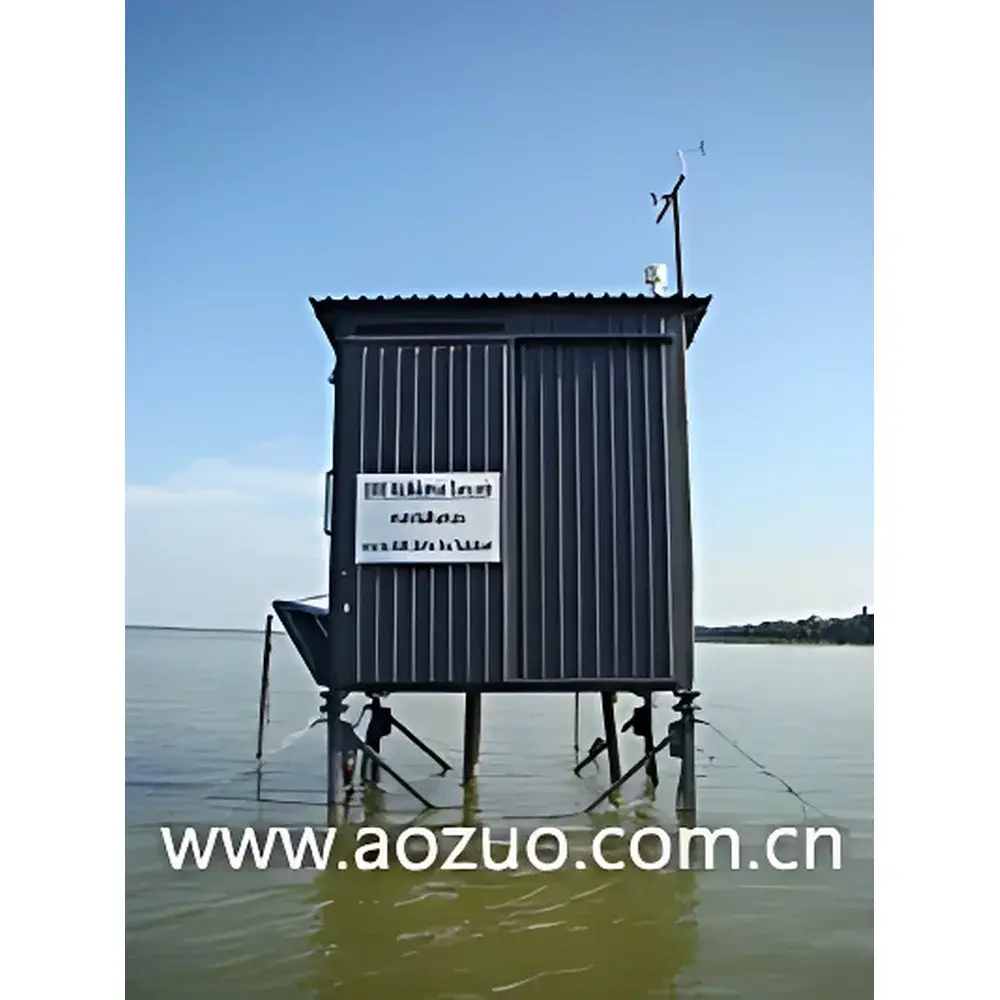
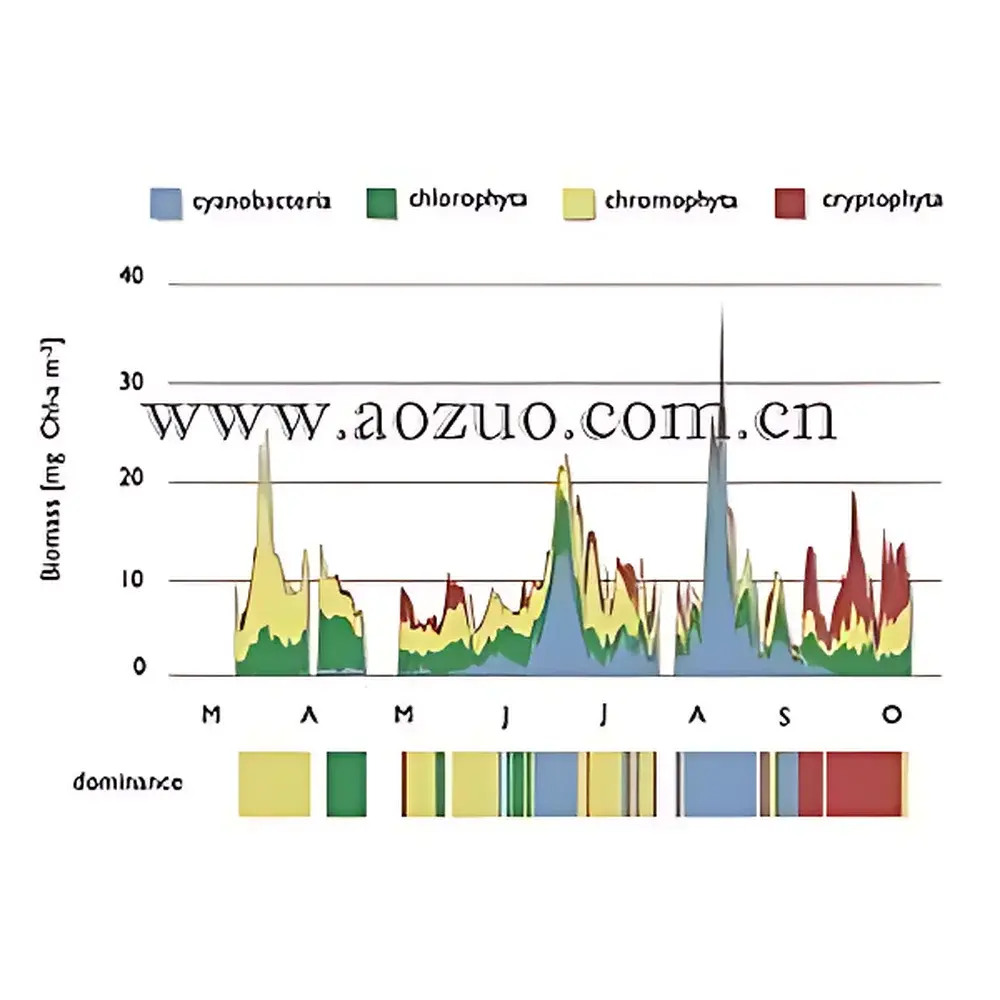
The SEBA DF Delayed Fluorescence Phytoplankton Analyzer is the world’s first commercially deployed, online instrument engineered for real-time, taxon-resolved quantification of photosynthetically active phytoplankton communities. Unlike conventional fast chlorophyll fluorescence (Fv/Fm) or broadband chlorophyll-a sensors—which detect total fluorescent yield from both viable and non-viable cells, detritus, and dissolved organic matter—the DF system measures delayed fluorescence (DF), a transient luminescent signal emitted during charge recombination in Photosystem II (PSII) under dark-adapted conditions. This biophysical phenomenon occurs exclusively in intact, functionally competent photosynthetic units; dead cells, degraded algae, and humic substances produce negligible DF signal. As such, the SEBA DF delivers intrinsic physiological selectivity—enabling robust discrimination between live biomass and background optical interference, particularly critical in shallow, turbid, or resuspension-prone water bodies such as Lake Balaton (Hungary), where field validation studies were first conducted.
Key Features
- Physiologically selective detection: Measures only metabolically active phytoplankton via PSII-derived delayed fluorescence, eliminating false positives from senescent cells or humic compounds.
- Taxon-resolved community profiling: Standard configuration classifies four functional algal groups—Cyanobacteria, Chlorophyta (including Euglenophyta), Bacillariophyta + Chrysophyta + Xanthophyta, and Cryptophyta—with optional firmware upgrade supporting six-group resolution to isolate bloom-forming cyanobacteria (e.g., Microcystis, Anabaena) from co-occurring taxa.
- High-temporal-resolution monitoring: Performs 6–10 autonomous measurement cycles per hour, capturing diel dynamics of photosynthetic activity and early-stage bloom development.
- Integrated environmental georeferencing: Built-in GPS module enables precise spatial tagging of all measurements—supporting GIS-integrated trend analysis and WFD-compliant reporting frameworks.
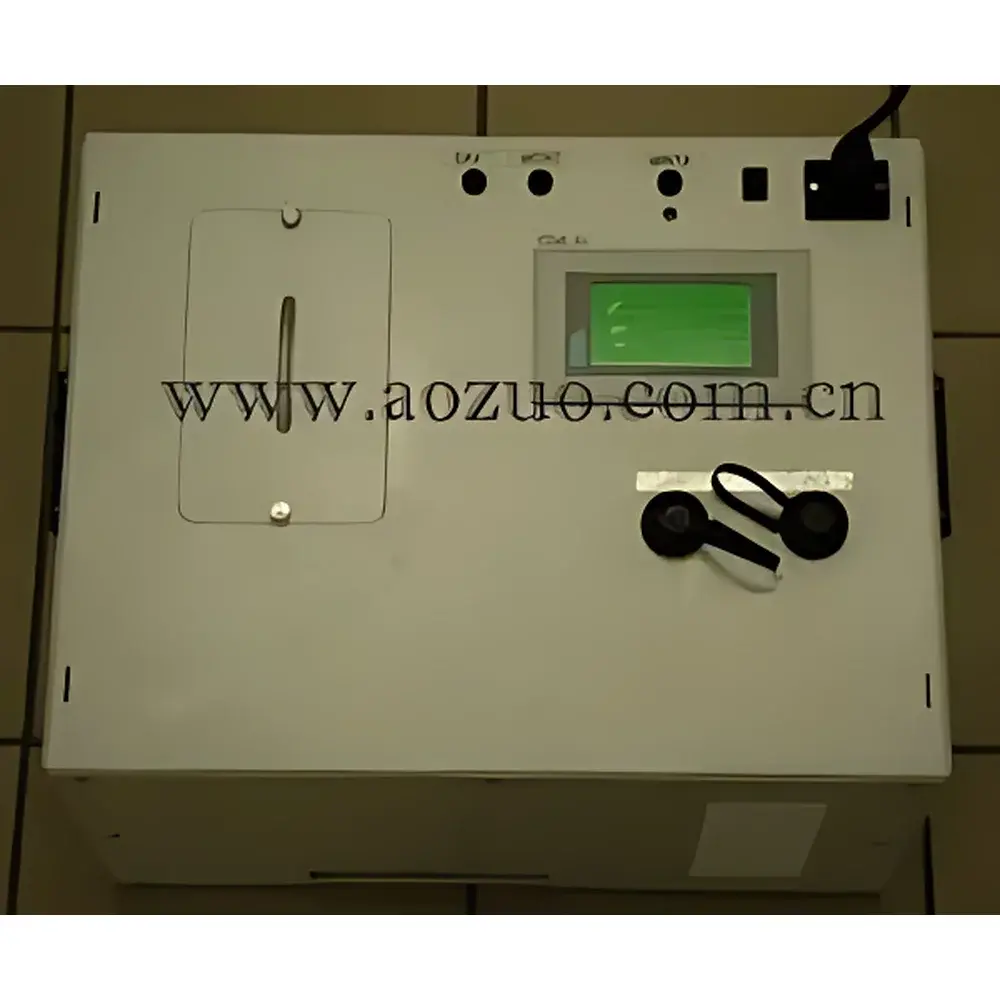
- Field-deployable architecture: 12 V DC powered with integrated sampling pump; designed for continuous unattended operation in buoy-mounted, bankside, or portable configurations.
- Cross-platform data management: Native USB mass-storage mode for local data retrieval; web-enabled remote access supports firmware updates, diagnostic logging, and real-time parameter adjustment across Windows and macOS environments.
Sample Compatibility & Compliance
The SEBA DF is validated for use in freshwater systems including lakes, reservoirs, rivers, and estuarine transition zones. It operates optimally in waters with turbidity ≤ 50 NTU and suspended solids ≤ 100 mg L⁻¹. Its physiological specificity aligns with ISO 10260:2021 guidelines for phytoplankton monitoring and supports implementation of the EU Water Framework Directive’s ecological status assessment criteria. The instrument’s automated calibration-free operation, traceable to laboratory-validated excitation-emission spectral libraries, facilitates GLP-aligned long-term datasets. While not FDA 21 CFR Part 11 certified (as it is not used in pharmaceutical release testing), its audit-trail-capable data logs meet ISO/IEC 17025 requirements for environmental testing laboratories.
Software & Data Management
The embedded firmware provides real-time visualization of chlorophyll-a concentration, group-specific biomass, and normalized DF kinetics on a high-brightness resistive touchscreen interface. Raw spectral DF data (excitation/emission matrices) and derived parameters are stored in CSV format with timestamp, GPS coordinates, and instrument metadata. The web server interface supports HTTPS-secured remote sessions, enabling secure access to live status, historical archives, and hardware diagnostics without proprietary client software. Data export is compatible with common environmental modeling platforms (e.g., EFDC+, WASP) and statistical tools (R, Python pandas). All firmware versions include SHA-256 checksums for integrity verification.
Applications
- Early warning of harmful algal blooms (HABs), especially cyanobacterial events in eutrophic lakes and slow-moving rivers.
- Long-term ecological monitoring under national and transboundary water quality programs (e.g., WFD Article 8 reporting).
- Validation of satellite-based chlorophyll-a algorithms using ground-truthed, physiology-weighted biomass estimates.
- In situ photosynthetic efficiency tracking across light gradients—supporting P-I curve derivation for primary production modeling.
- Research into phytoplankton community resilience in response to hydrological perturbations (e.g., flood pulses, sediment resuspension events).
FAQ
How does delayed fluorescence differ from pulse-amplitude modulated (PAM) fluorometry?
Delayed fluorescence originates from thermal repopulation and radiative recombination of the PSII reaction center’s charge-separated state in darkness, whereas PAM measures variable fluorescence induced by actinic light. DF is inherently insensitive to non-photochemical quenching and requires no saturating pulses—making it ideal for continuous, low-disturbance monitoring.
Can the DF analyzer distinguish between toxic and non-toxic strains within the same genus?
No. It resolves functional groups—not species or strains. Toxicity assessment requires complementary molecular (qPCR) or toxin-specific immunoassay methods.
Is calibration required before deployment?
No factory or field calibration is needed. The system relies on fixed excitation wavelengths and reference spectral libraries validated against laboratory cultures and natural assemblages.
What maintenance intervals are recommended for long-term deployments?
Optical windows require cleaning every 2–4 weeks in high-fouling environments; pump tubing should be replaced quarterly. Firmware updates are issued biannually via USB or web interface.
Does the instrument comply with NIST-traceable standards?
While not directly NIST-traceable, its spectral response is characterized against calibrated photodiode and LED standards per IEC 62471, and field performance has been intercalibrated with HPLC-based chlorophyll-a and microscopy-based biovolume methods in peer-reviewed studies.
Related Products







