
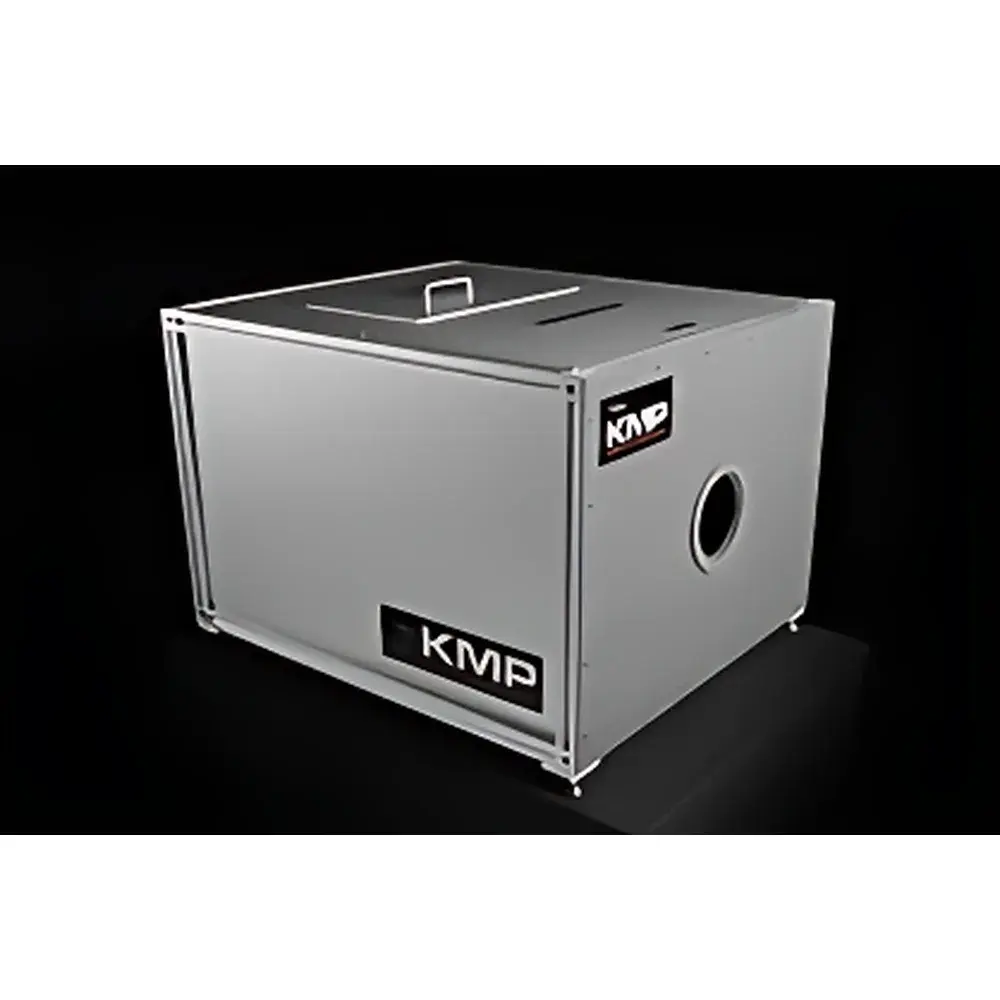
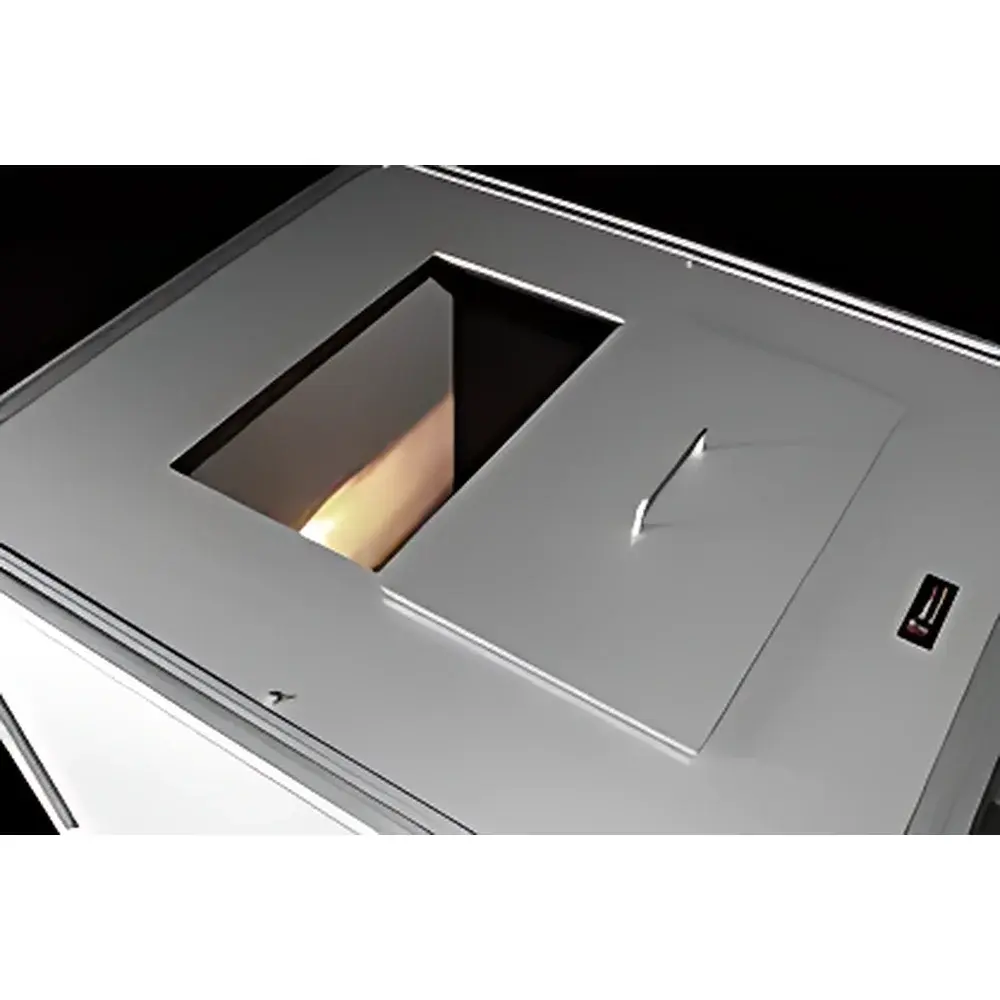
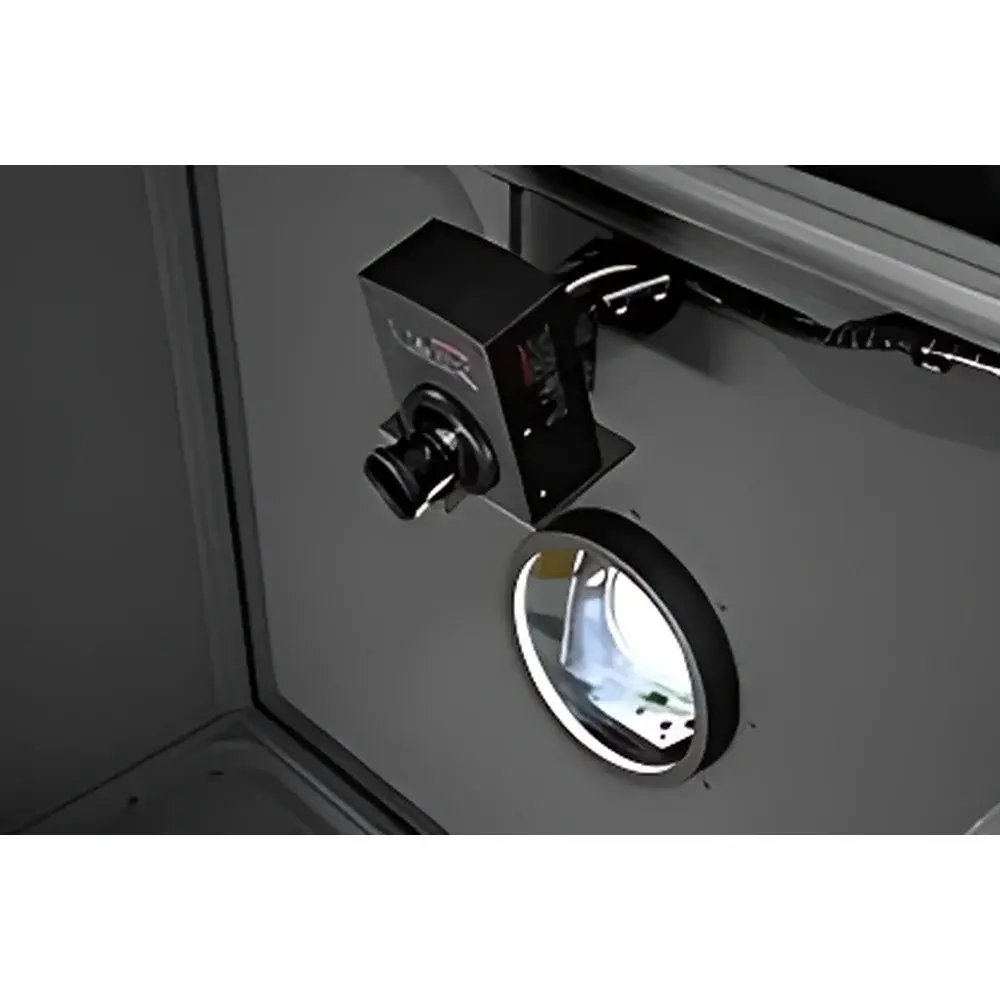
KMP Compact Photometric Test Chamber by TechnoTeam (Germany)
| Brand | TechnoTeam |
|---|---|
| Origin | Germany |
| Model | KMP |
| Application Scope | Automotive Headlamp & General Lighting Photometry |
| Optical Principle | Fourier-Transform-Based Imaging Goniophotometry |
| Effective Test Distance | As low as 40 cm (vs. conventional 10 m) |
| Chamber Dimensions | 95 cm × 50 cm × 43 cm |
| Compliance | ECE R112, ECE R149, UN Regulation No. 112 & 149, SAE J1383, AK31, B50L, HV Standards |
| Measurement Capabilities | Luminous Intensity Distribution, Illuminance Distribution, Chromaticity Coordinates (CIE 1931), Color Rendering Index (CRI), Color Shift Analysis (e.g., Cut-off Line Definition), Spatial Luminance Mapping |
Overview
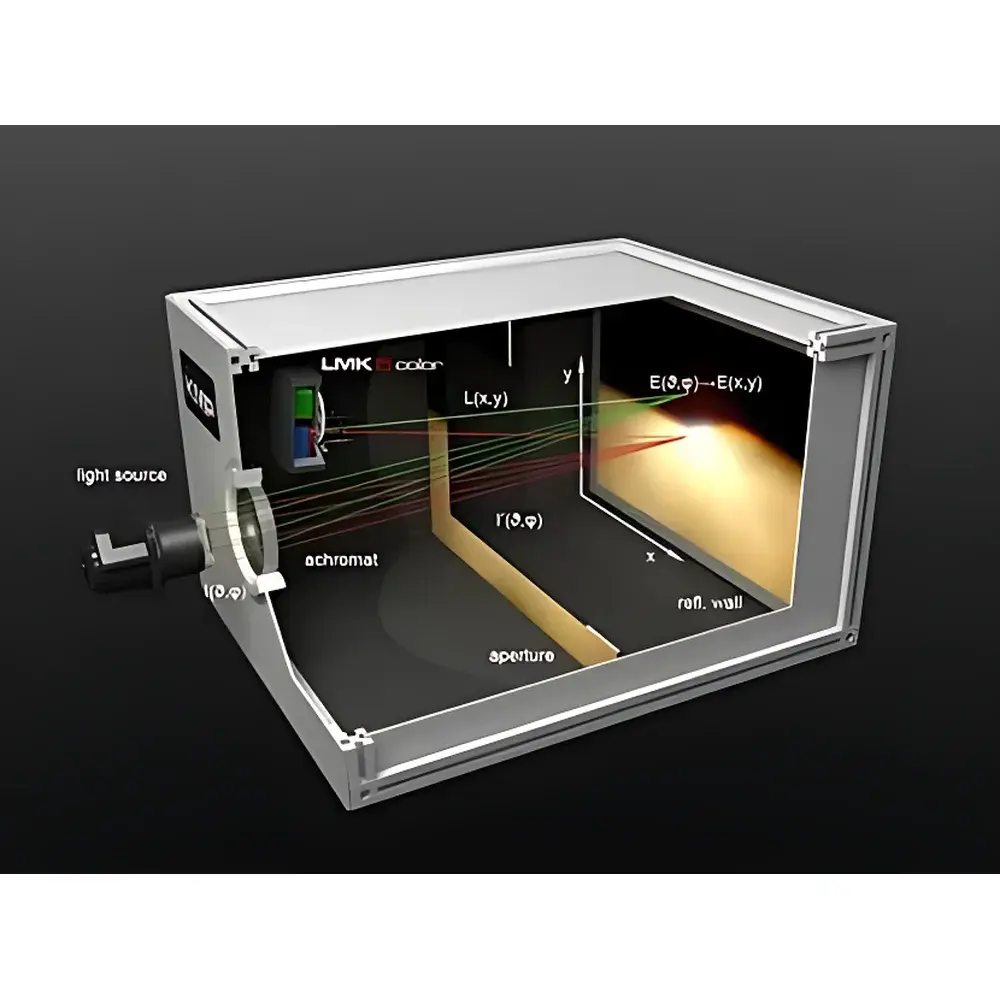
The KMP Compact Photometric Test Chamber, engineered by TechnoTeam GmbH in Germany, is a purpose-built imaging goniophotometer designed for rapid, high-fidelity photometric characterization of automotive lighting systems and general-purpose luminaires. Unlike conventional far-field goniometers requiring 10-meter test distances, the KMP employs a calibrated Fourier-transform optical imaging system that maps angular light distribution onto a high-resolution sensor plane via telecentric lens geometry. This principle enables spatial encoding of directional luminous flux: collimated rays from identical emission angles converge to discrete pixel coordinates on the focal plane—effectively transforming angular space (θ, φ) into Cartesian image coordinates (x, y). By applying rigorous CIE-compliant spherical coordinate transformation and photometric calibration (traceable to PTB or NIST standards), the system computes full luminous intensity distribution (LID) curves, photometric isolux contours, and chromaticity deviation metrics—including precise cut-off line evaluation for ECE-compliant headlamps. Its compact footprint (95 × 50 × 43 cm) supports integration into automated production lines, QC labs, and R&D validation environments without sacrificing metrological integrity.
Key Features
- Imaging-based goniophotometry with effective test distance reduced to 40 cm, eliminating need for large darkrooms or rotary gantries
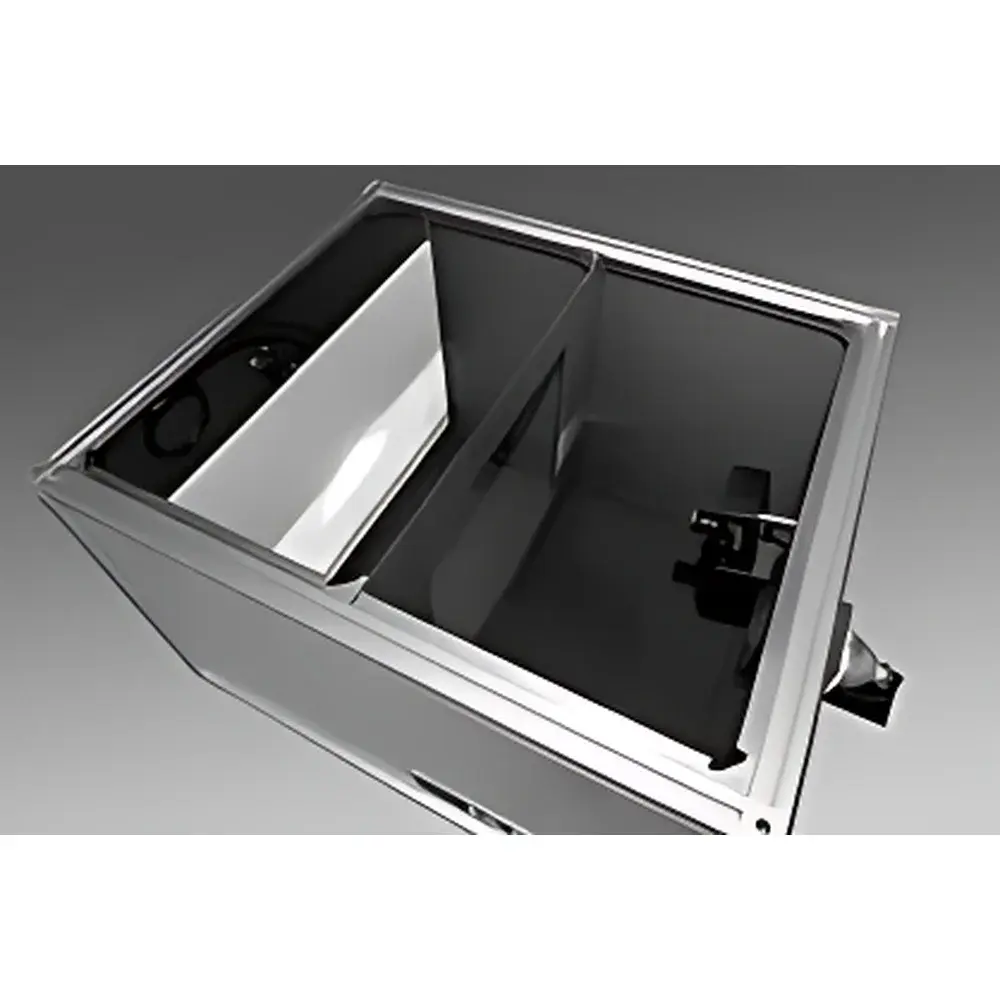
- Optimized optical train featuring apochromatic lenses and stray-light-suppressed baffling to minimize veiling glare and ensure measurement fidelity per CIE Publication 70
- Full-spectrum CCD/CMOS sensor with calibrated spectral response (380–780 nm), enabling simultaneous photometric and colorimetric analysis
- Automated acquisition of luminous intensity distribution (LID), illuminance distribution, chromaticity coordinates (x, y, u’, v’), CCT, and CRI (Ra, R9)
- Integrated software module for automated cut-off line detection and evaluation per ECE R112 Annex 4 and AK31 specifications
- Rugged aluminum housing with EMI-shielded enclosure and thermal-stabilized optical bench for long-term repeatability (±0.5% photometric reproducibility over 8-hour operation)
Sample Compatibility & Compliance
The KMP chamber accommodates a broad range of light sources: halogen, HID, LED, and laser-based automotive headlamps (low-beam, high-beam, adaptive driving beams), auxiliary lamps (fog, cornering, DRL), and architectural/entertainment luminaires (spotlights, profile projectors, stage PARs). It supports compliance verification against major international regulatory frameworks including UN ECE Regulations No. 112 (headlamps) and No. 149 (LED modules), SAE J1383 (photometric performance), German AK31 and B50L technical guidelines, and HV (Hochvolt) safety-related photometric thresholds for EV lighting systems. All measurement algorithms adhere to CIE S 025/E:2015 and DIN 5032-7 for photometric accuracy, with optional traceable calibration certificates issued per ISO/IEC 17025 requirements.
Software & Data Management
The KMP operates under TechnoTeam’s proprietary PhotoLab Suite, a Windows-based application compliant with FDA 21 CFR Part 11 for audit trail, electronic signature, and data integrity controls. The software provides real-time visualization of luminance heatmaps, iso-candela plots, and chromaticity deviation vectors relative to target loci (e.g., ECE white point tolerance zones). Raw image data and processed photometric reports are stored in vendor-neutral XML and CSV formats; export modules support IESNA LM-63, EULUMDAT (.ldt), and CIE 15:2018-compliant file structures. Batch processing, statistical SPC charting (X̄-R charts for luminous flux stability), and GLP/GMP-aligned report templates—including revision-controlled PDFs with digital signatures—are fully integrated.
Applications
- Production-line photometric verification of OEM and Tier-1 automotive headlamp assemblies
- R&D validation of ADB (Adaptive Driving Beam) algorithms and dynamic cut-off line behavior
- Color consistency screening across LED binning lots under controlled thermal and electrical drive conditions
- Photobiological safety assessment (IEC 62471) via spatial radiance mapping for UV/blue hazard evaluation
- Regulatory submission support for type approval dossiers (e.g., KBA, RDW, Transport Canada)
- Comparative analysis of optical design iterations (reflector vs. projector vs. matrix LED architectures)
FAQ
Does the KMP require external darkroom infrastructure?
No—the integrated light-tight chamber with >10⁶:1 ambient light rejection ratio eliminates dependence on external darkrooms.
Can it measure dynamic ADB headlamps with moving cut-off lines?
Yes—high-speed image capture (≥120 fps) synchronized with lamp control signals enables frame-by-frame cut-off line tracking and temporal photometric profiling.
Is calibration traceable to national metrology institutes?
Yes—optional factory calibration includes PTB-traceable luminance standard and CIE 1931 colorimetric reference tiles, documented per ISO/IEC 17025.
What is the minimum measurable beam angle resolution?
Angular resolution is 0.05° (full width at half maximum), derived from pixel pitch, focal length, and geometric magnification factor of the imaging system.
Does the system support automated pass/fail evaluation against ECE R112 Annex 4 tolerances?
Yes—preconfigured evaluation rulesets apply photometric grid thresholds, cut-off line slope constraints, and glare zone limits directly within the reporting engine.




