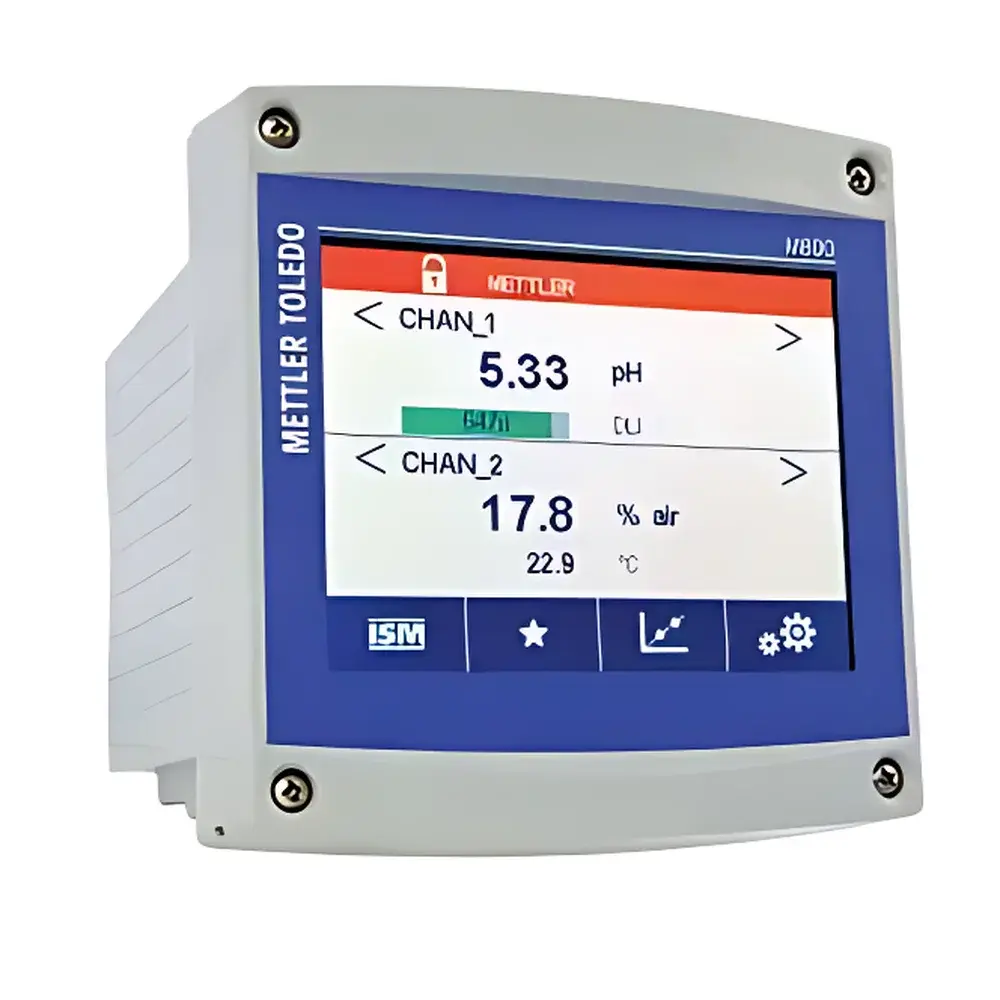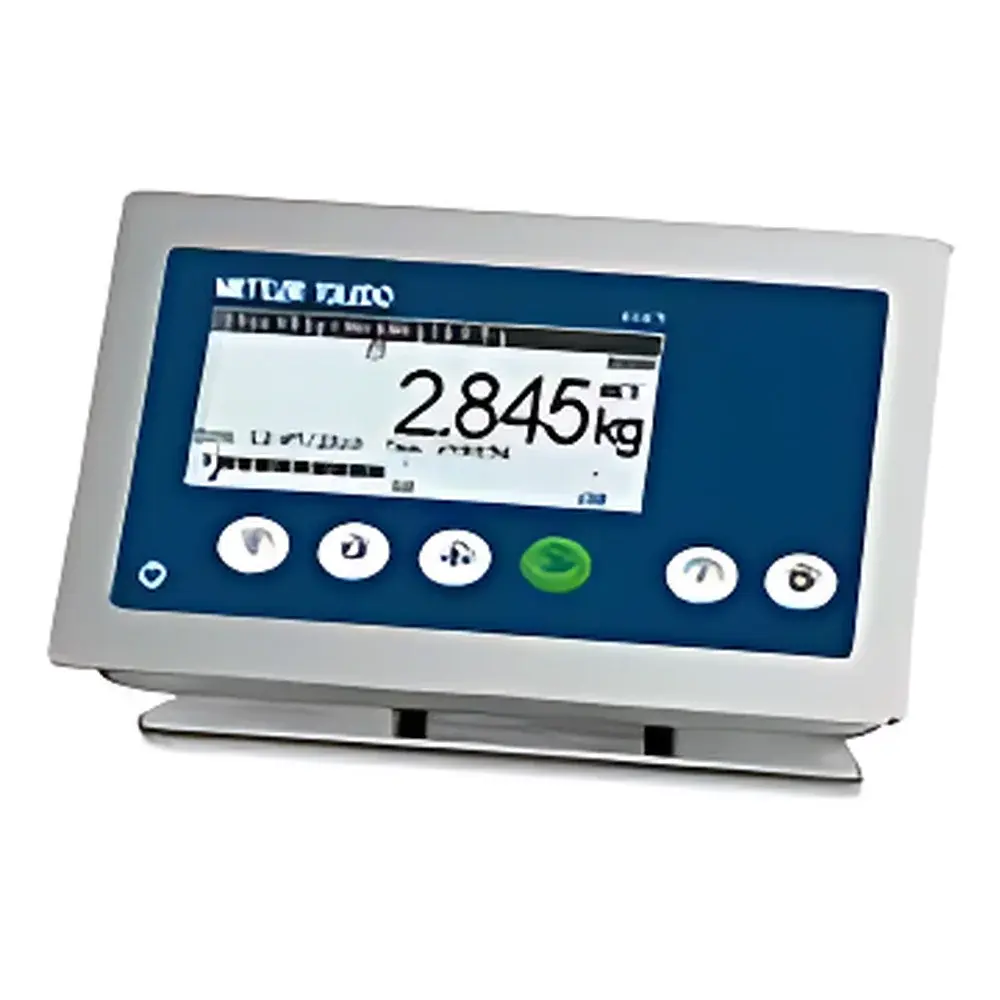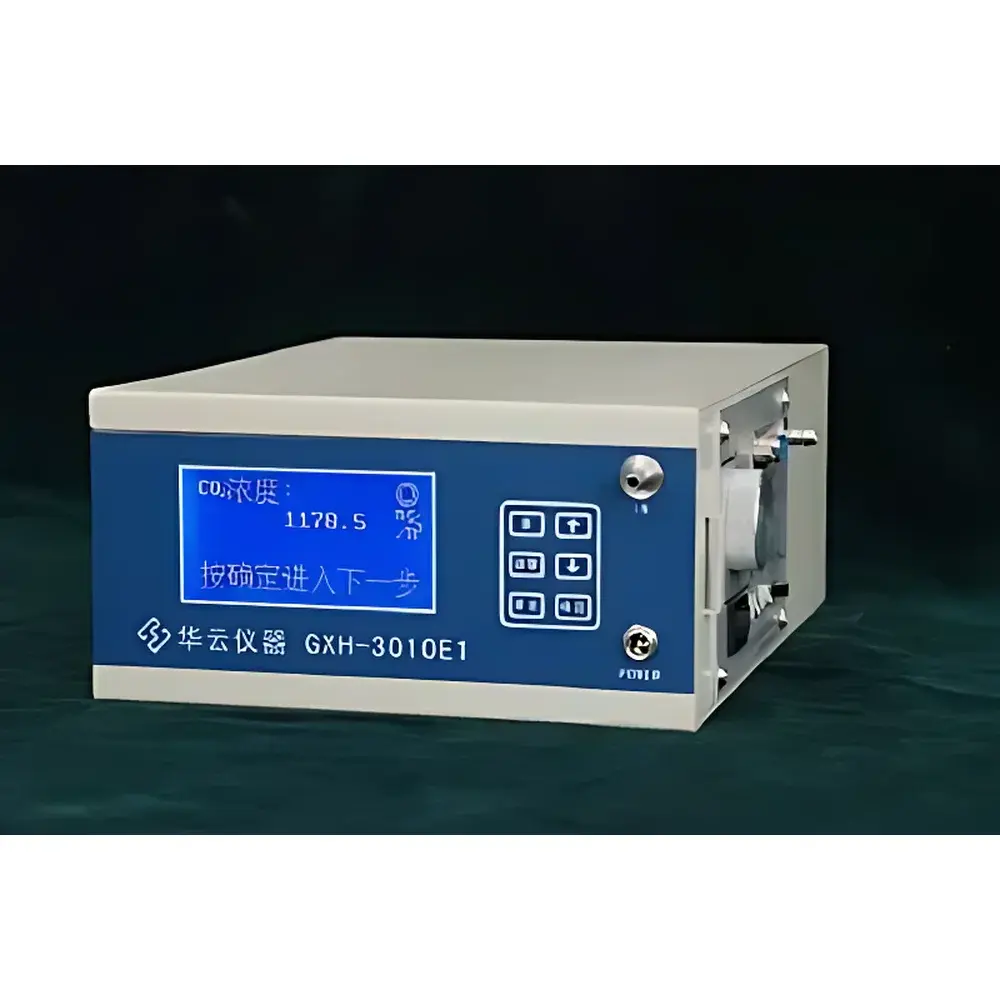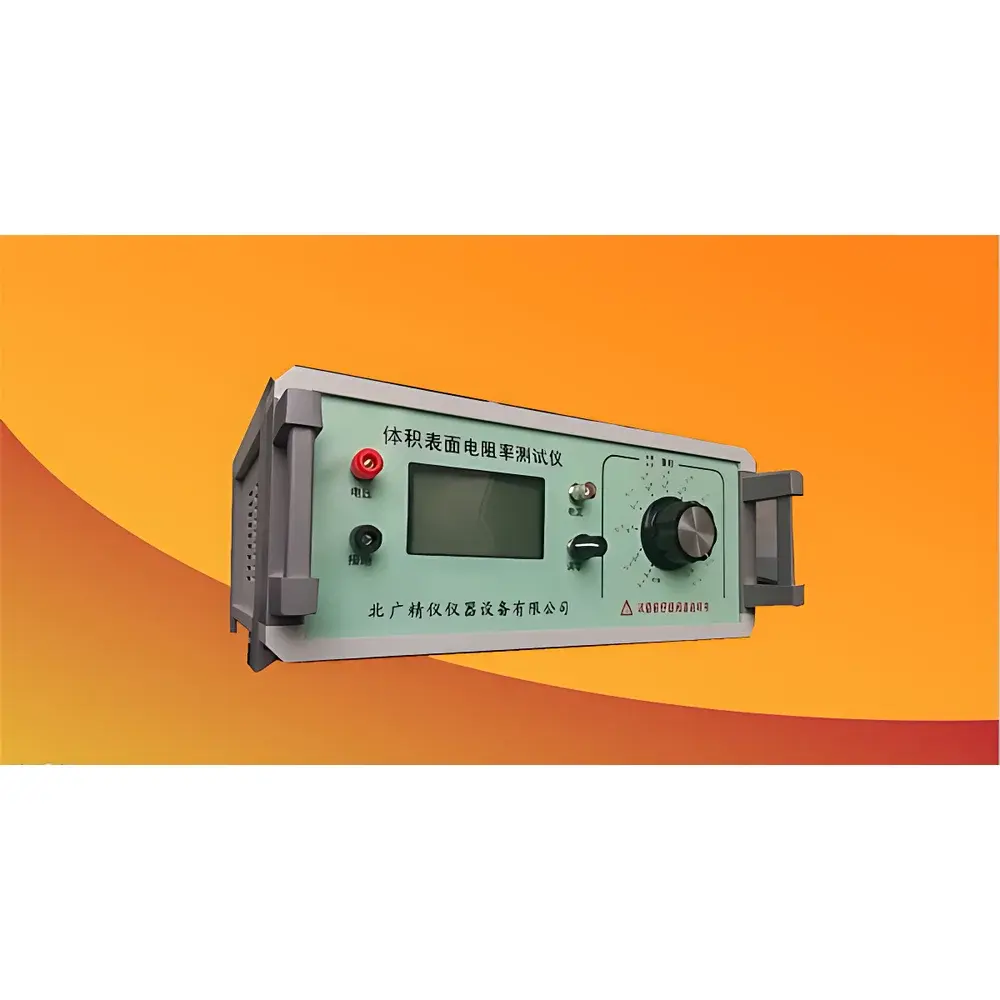
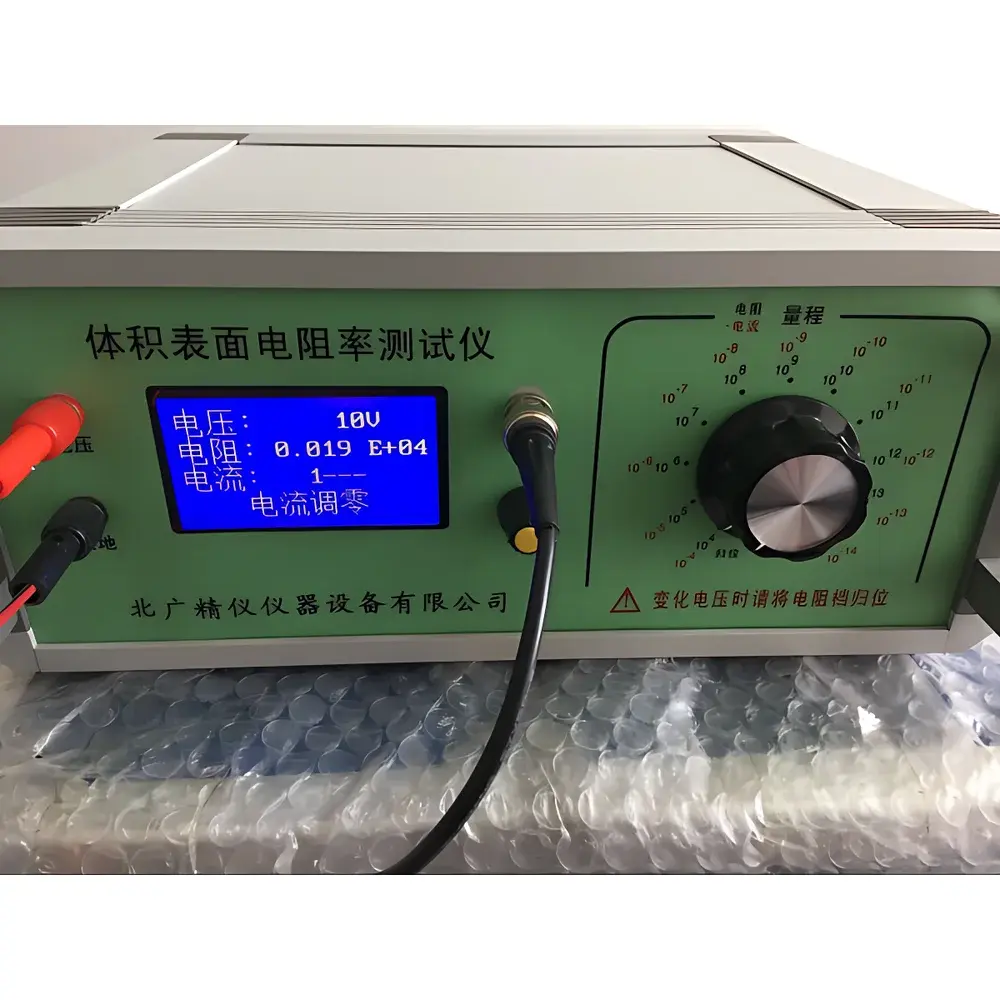
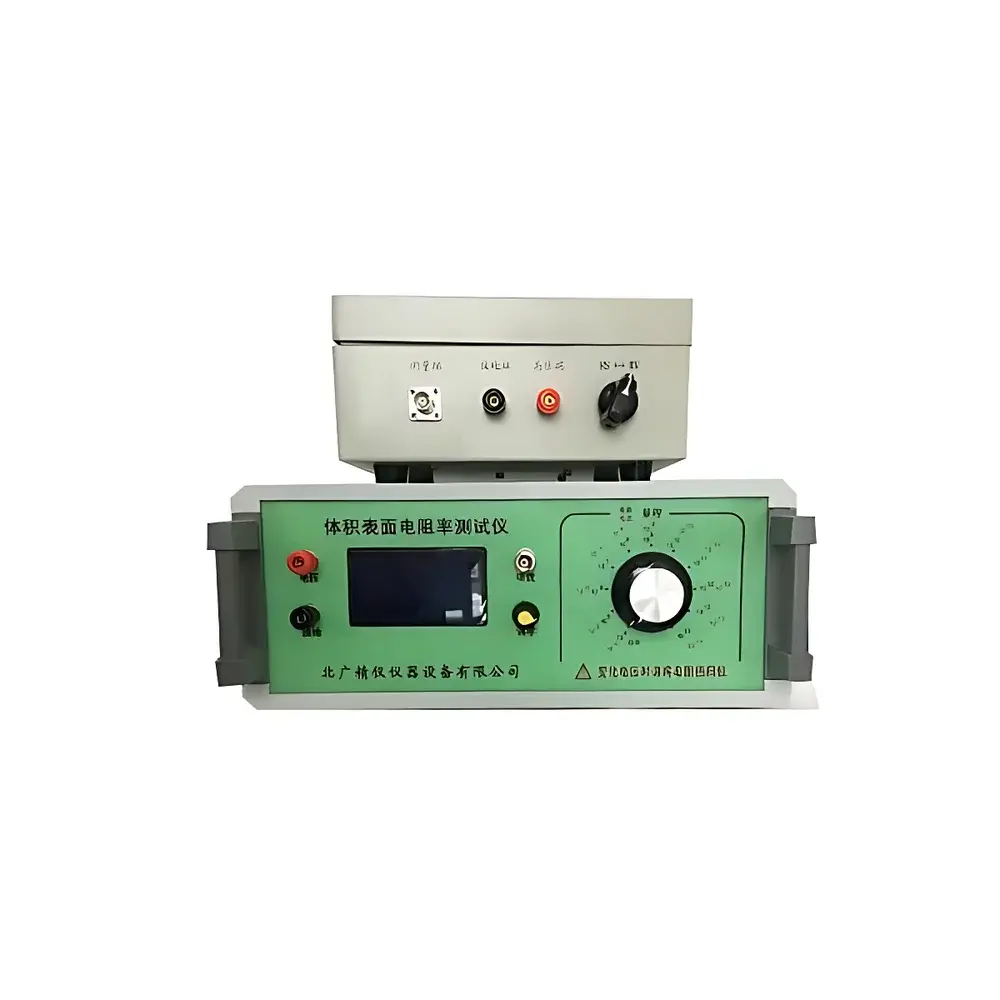
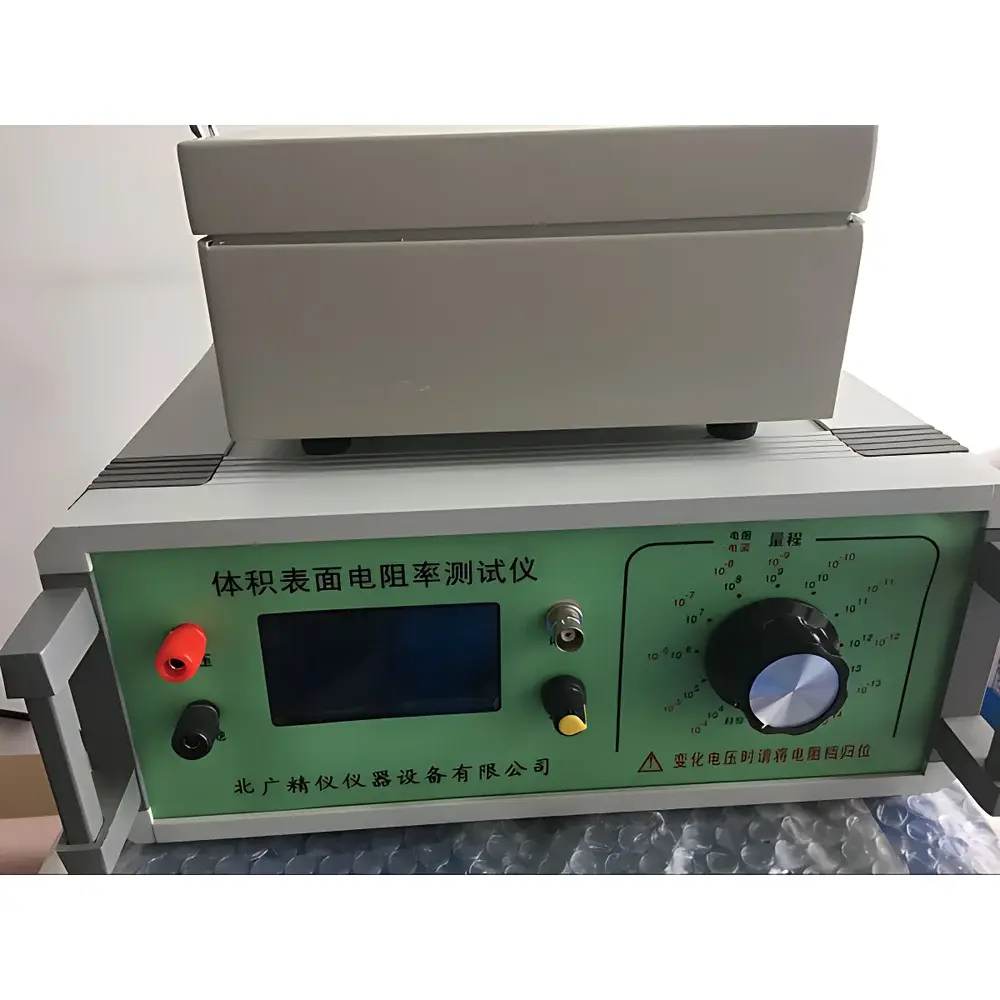
All Precision Instrument BEST-121 High-Resistance Meter for Volume and Surface Resistivity Testing of Thermoplastic Elastomers
| Brand | All Precision Instrument |
|---|---|
| Origin | Beijing, China |
| Manufacturer Type | Direct Manufacturer |
| Model | BEST-121 |
| Resistance Range | 1×10⁴ Ω to 1×10¹⁸ Ω |
| Current Range | 2×10⁻⁴ A to 1×10⁻¹⁶ A |
| Test Voltages | DC 10 V / 50 V / 100 V / 250 V / 500 V / 1000 V (selectable) |
| Basic Accuracy | ±1% |
| Display | Digital LCD |
| Dimensions | 285 mm × 245 mm × 120 mm |
| Weight | ~5 kg |
| Power Supply | AC 220 V, 50 Hz, ~5 W |
Overview
The All Precision Instrument BEST-121 High-Resistance Meter is a precision digital instrument engineered for the accurate measurement of volume resistivity (ρv) and surface resistivity (ρs) of thermoplastic elastomers (TPEs), insulating polymers, rubbers, films, textiles, and other non-conductive or antistatic materials. It operates on the fundamental principle of Ohm’s Law (R = V/I), employing simultaneous high-precision measurement of applied DC test voltage and resulting current—eliminating nonlinearity inherent in traditional analog megohmmeters. Unlike conventional high-resistance meters that fix voltage and infer resistance from current across a shunt, the BEST-121 digitizes both V and I in real time using a custom large-scale integrated circuit (LSI) architecture derived from Intel semiconductor design principles. This enables direct digital computation of resistance without scaling factors or manual correction, delivering consistent accuracy across its full 14-decade range (10⁴–10¹⁸ Ω) and microampere-to-femtoampere current detection (10⁻⁴–10⁻¹⁶ A). Its architecture supports traceable, repeatable measurements compliant with ISO/IEC 17025 calibration practices and is routinely deployed in QC laboratories validating antistatic performance per international standards.
Key Features
- Simultaneous dual-parameter acquisition: Real-time digital measurement of both test voltage and leakage current ensures linear, factor-free resistance readout
- Seven programmable DC test voltages: 10 V, 50 V, 100 V, 250 V, 500 V, and 1000 V—enabling compliance with material-specific test protocols (e.g., low-voltage testing for sensitive elastomers, high-voltage validation per ASTM D257)
- Ultra-high input impedance amplifier (>10¹⁵ Ω) minimizes loading error during microcurrent measurement
- Dual-display LCD interface showing resistance value (Ω) and current (A) concurrently—critical for diagnosing surface conduction vs. bulk conduction behavior
- Compact benchtop form factor (285 × 245 × 120 mm; ~5 kg) with low power consumption (~5 W) for continuous operation in regulated lab environments
- Robust electromagnetic shielding and guarded triaxial input architecture suppress noise and parasitic leakage paths—essential for sub-picoampere stability
Sample Compatibility & Compliance
The BEST-121 is compatible with standardized electrode configurations—including concentric ring electrodes (ASTM D257 Type A), parallel plate electrodes (IEC 60093), and two-terminal probes—for volume and surface resistivity determination across solid sheets, molded TPE parts, granules, pastes, and liquid dispersions. When paired with optional temperature-controlled sample holders or environmental chambers, it supports resistivity profiling versus temperature (e.g., for TPE processing window analysis). The instrument conforms to over 20 national and international standards, including GB/T 1410–2006 (equivalent to IEC 60093), ASTM D257, GB 12014 (antistatic workwear), GB/T 20991–2007 (footwear), GB/T 12703.4–2010 (textile electrostatic evaluation), and GJB 3007A–2009 (ESD control in defense electronics). Its measurement uncertainty budget aligns with GLP-compliant documentation requirements, supporting audit readiness for ISO 9001 and IATF 16949 quality systems.
Software & Data Management
While the BEST-121 operates as a standalone instrument with no embedded software stack, its analog/digital output interface (optional RS-232 or USB-to-serial adapter) enables integration with laboratory data acquisition systems (e.g., LabVIEW, MATLAB, or custom Python scripts) for automated logging, statistical process control (SPC), and report generation. All measurements are timestamped and retain full metadata—including applied voltage, range selection, ambient temperature/humidity (when externally logged), and operator ID—facilitating 21 CFR Part 11–compliant electronic records when used within validated workflows. Calibration certificates include NIST-traceable verification at three points across the resistance range (10⁶ Ω, 10¹² Ω, 10¹⁸ Ω) and are issued with uncertainty statements per ISO/IEC 17025.
Applications
- Quality control of thermoplastic elastomer formulations for automotive interior trim, medical tubing, and consumer electronics grips requiring defined surface resistivity (10⁶–10¹¹ Ω/sq) to prevent ESD damage
- Validation of antistatic additives (e.g., carbon black, metal oxides, ionic liquids) in TPE compounds per GB/T 18864–2002
- Volume resistivity mapping of extruded TPE profiles to detect batch-to-batch variability in filler dispersion
- Surface resistivity screening of cleanroom-compatible TPE gaskets per GB/T 24249–2009
- Research into humidity-dependent conduction mechanisms in hygroscopic TPE blends
- Baseline characterization of reference materials for inter-laboratory proficiency testing
FAQ
Does the BEST-121 support automated voltage ramping or step-stress testing?
No—the instrument provides discrete, manually selected DC voltage steps. For dynamic voltage sweeps, external programmable power supplies must be synchronized via TTL triggers and data acquisition software.
Can it measure conductivity directly?
Yes—conductivity (σ) is calculated post-measurement using σ = t/(R·A), where t = sample thickness, R = measured resistance, and A = electrode area. The instrument outputs raw R and I values required for such derivations.
Is calibration traceable to national standards?
Yes—factory calibration uses NIST-traceable reference resistors (Ohmite, Vishay) and is documented per ISO/IEC 17025. Certificate includes expanded uncertainty (k=2) at key points across the 10⁴–10¹⁸ Ω range.
What electrode configurations are recommended for TPE sheet testing per GB/T 1410–2006?
For volume resistivity: brass parallel-plate electrodes (diameter ≥ 50 mm, guard ring width ≥ 2 mm). For surface resistivity: concentric ring electrode assembly meeting IEC 60093 geometry specifications.
How does the instrument handle dielectric absorption effects during long-duration measurements?
The BEST-121 does not include built-in time-domain dielectric absorption analysis. However, its stable microcurrent baseline (<0.1 fA drift over 60 s at 1000 V) allows manual timed readings at standardized intervals (e.g., 1 min, 5 min, 10 min) per ASTM D257 Annex A3.