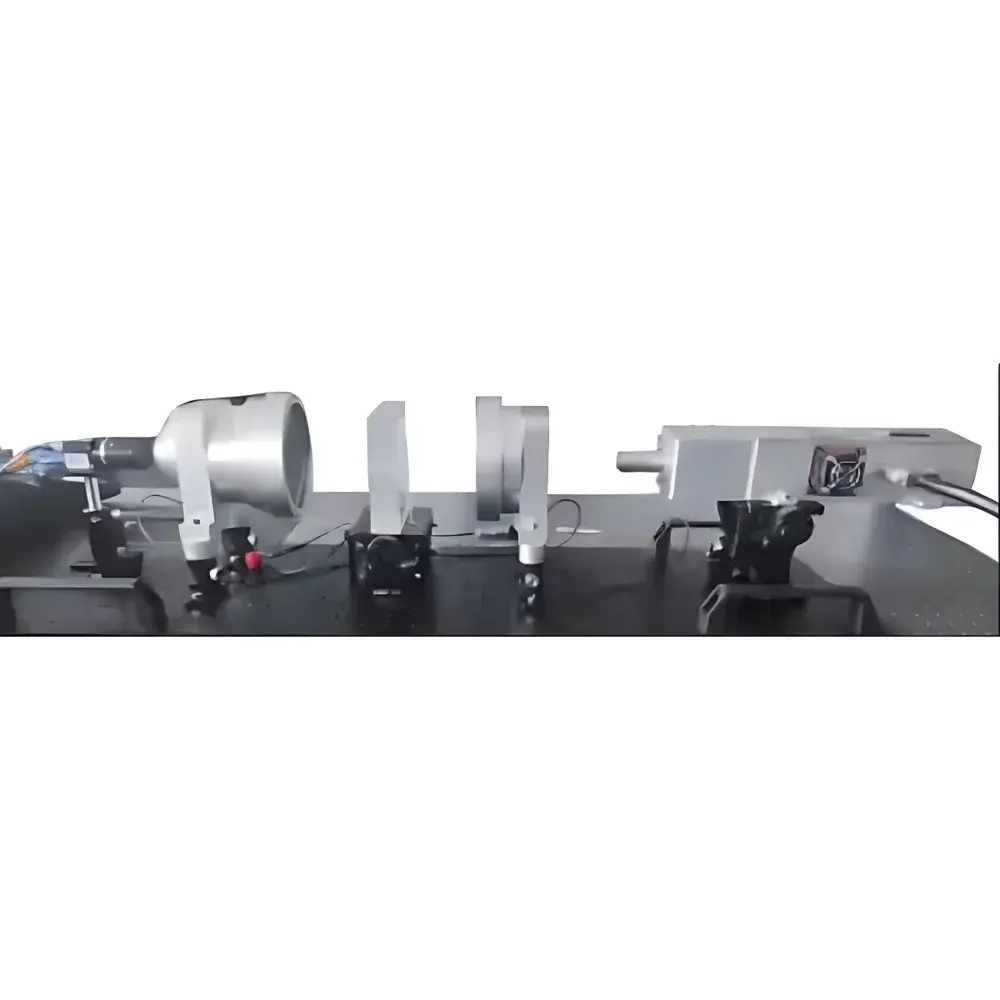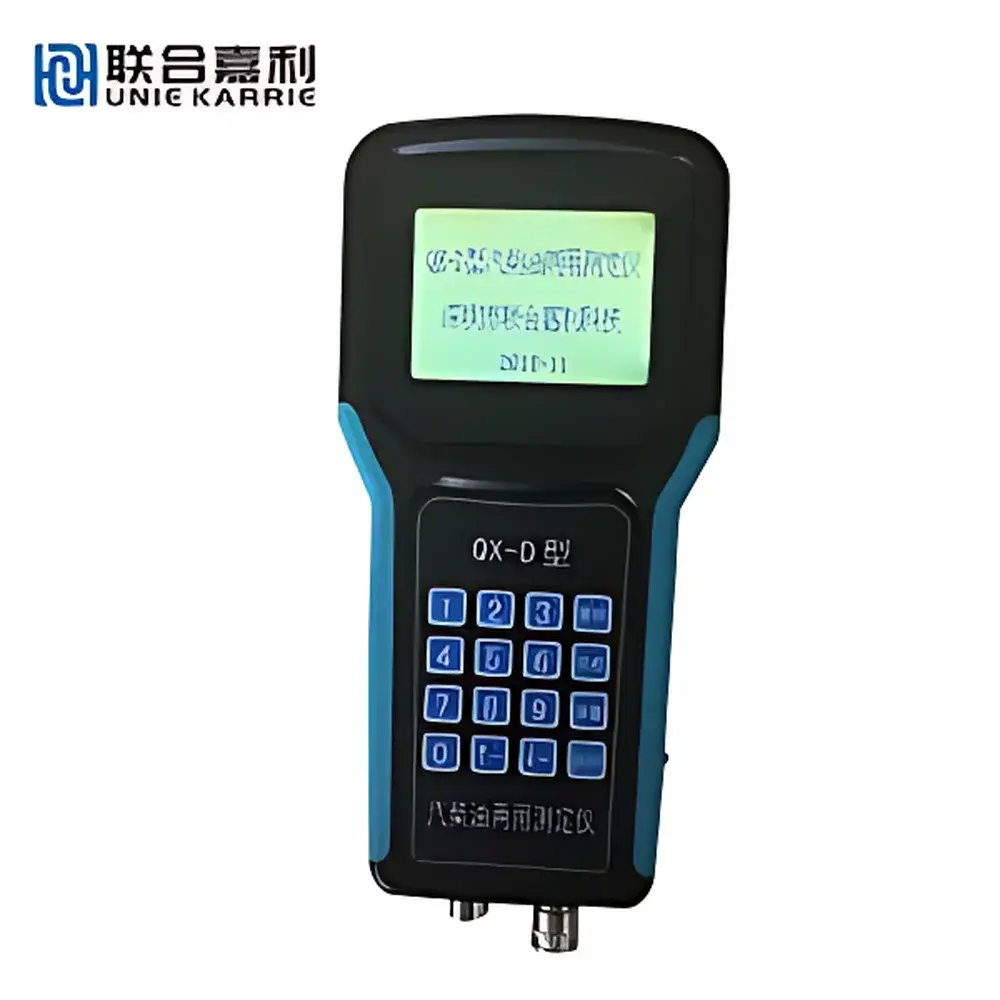
Karrie QX-D Portable Gasoline Octane Number and Diesel Cetane Number Analyzer
| Brand | Karrie |
|---|---|
| Model | QX-D |
| Origin | Guangdong, China |
| Type | Portable Benchtop Analyzer |
| Measurement Parameters | Research Octane Number (RON), Motor Octane Number (MON), Cetane Number (CN), Cetane Index (CI) |
| Measurement Range | Gasoline (RON: 60.0–120.0 |
| MON | 50.0–108.0) |
| Ethanol-blended Gasoline (E93 | 92.0–95.0 RON |
| E97 | 95.0–99.0 RON) |
| Methanol-blended Gasoline (M93 | 85.0–100.0 RON |
| M97 | 92.0–110.0 RON) |
| Diesel Fuel (CN | 25–75 |
| CI | 20–80) |
| Accuracy | ±0.5 RON (repeatability, 95% confidence) |
| Response Time | 1 s |
| Sample Volume | 10 mL |
| Resolution | 0.1 unit (RON/MON/CN) |
| Operating Environment | 0–35 °C, ≤85% RH |
Overview
The Karrie QX-D Portable Gasoline Octane Number and Diesel Cetane Number Analyzer is a field-deployable, non-destructive instrument engineered for rapid, traceable determination of hydrocarbon fuel ignition quality parameters—specifically Research Octane Number (RON), Motor Octane Number (MON), Cetane Number (CN), and Cetane Index (CI). Unlike traditional CFR (Cooperative Fuel Research) engine-based methods governed by ASTM D2699 and D2700, the QX-D employs a calibrated dielectric spectroscopy principle grounded in multivariate regression modeling. It correlates the complex permittivity spectrum of liquid fuel samples—measured across defined frequency bands—with reference values obtained from certified CFR engine testing under standardized conditions (GB/T 5487, ASTM D2699/D2700). This approach enables metrological traceability to primary reference standards while eliminating mechanical complexity, combustion hazards, and lengthy test cycles associated with physical engine methods. The analyzer is designed for use in refinery quality control labs, fuel distribution terminals, regulatory inspection units, and field service operations where real-time, on-site verification of fuel compliance is required.
Key Features
- Portable form factor (210 × 100 × 40 mm) with integrated lithium-ion battery support for uninterrupted operation in mobile or off-grid environments
- Single-shot measurement capability: delivers RON, MON, CN, or CI result within 1 second after sample introduction
- Minimal sample requirement: only 10 mL of undiluted, unheated fuel required per analysis—no solvent addition or pre-treatment
- High-precision digital resolution: 0.1-unit display and storage for all reported indices (RON, MON, CN, CI)
- Dual-mode calibration architecture: factory-calibrated against CFR-certified reference fuels, with user-accessible recalibration using traceable reference standards per ISO/IEC 17025 guidelines
- Robust environmental tolerance: operational within 0–35 °C ambient temperature and ≤85% relative humidity—suitable for tropical and temperate climate zones
- Integrated data handling: LCD interface with on-device storage (≥1,000 records), USB export, and optional thermal printer compatibility
Sample Compatibility & Compliance
The QX-D supports broad-spectrum gasoline and diesel matrix analysis—including conventional unleaded gasoline, oxygenated blends (ethanol E10–E85, methanol M5–M25), reformulated gasoline (RFG), aviation gasoline (avgas), light naphthas, and middle-distillate diesel fuels. It complies with national and international regulatory frameworks governing fuel quality certification: GB/T 5487 (China), ASTM D2699/D2700 (RON/MON), ASTM D613/D4715 (CN/CI), and EN 228/EN 590 specifications. While not a primary standard method, its regression model is validated against CFR engine results per ISO 4259:2017 (Petroleum products — Precision of test methods — Determination and application of repeatability and reproducibility), ensuring measurement uncertainty remains within acceptable limits for routine QC and conformity assessment. Instrument performance documentation supports GLP-compliant audit trails when paired with external LIMS integration.
Software & Data Management
The embedded firmware provides configurable measurement protocols for different fuel categories (e.g., “Gasoline-RON”, “Diesel-CN”, “Ethanol Blend-E97”). All measurements are timestamped and tagged with operator ID, sample ID, and calibration version. Data export via USB mass-storage mode generates CSV files compatible with Excel, MATLAB, and laboratory information management systems (LIMS). Optional PC software enables advanced statistical review—including trend analysis, Shewhart control charts, and comparison against specification limits per ASTM D975 or GB 17930. Audit logging meets basic requirements for data integrity under FDA 21 CFR Part 11 when used in conjunction with password-protected user roles and electronic signature workflows.
Applications
- Refinery final product release testing prior to pipeline injection or tanker loading
- Terminal blending verification to ensure octane/cetane targets are met before retail distribution
- Field inspection by provincial market supervision bureaus for fuel adulteration detection (e.g., illegal ethanol dilution, aromatic substitution)
- R&D screening of alternative fuel formulations (bio-gasoline, synthetic hydrocarbons, hydrogenated esters)
- On-site troubleshooting during fuel supply chain incidents—e.g., misfueling events or batch nonconformance investigations
- Training and education in petroleum engineering programs where CFR engine access is limited
FAQ
Does the QX-D replace CFR engine testing for regulatory certification?
No. Per ASTM D2699 and GB/T 5487, CFR engine testing remains the definitive reference method for official octane rating certification. The QX-D serves as a rapid, secondary verification tool aligned with CFR-derived calibration models.
Can it measure fuels containing metallic additives or detergents?
Yes—within specified concentration limits. High levels of Mn-based or Fe-based additives (>5 mg/L) may require periodic electrode cleaning and revalidation against reference fuels.
Is calibration traceable to NIST or CNAS-certified standards?
Calibration is traceable to CFR-certified reference fuels supplied by ISO/IEC 17025-accredited providers. Karrie provides full calibration certificates with uncertainty budgets upon request.
What maintenance is required?
No consumables or moving parts. Routine maintenance includes electrode surface cleaning with isopropyl alcohol every 50 measurements and annual firmware update verification.
How does temperature variation affect measurement accuracy?
The instrument incorporates real-time temperature compensation based on integrated Pt100 sensor readings. Results remain stable across the specified 0–35 °C operating range without manual correction.