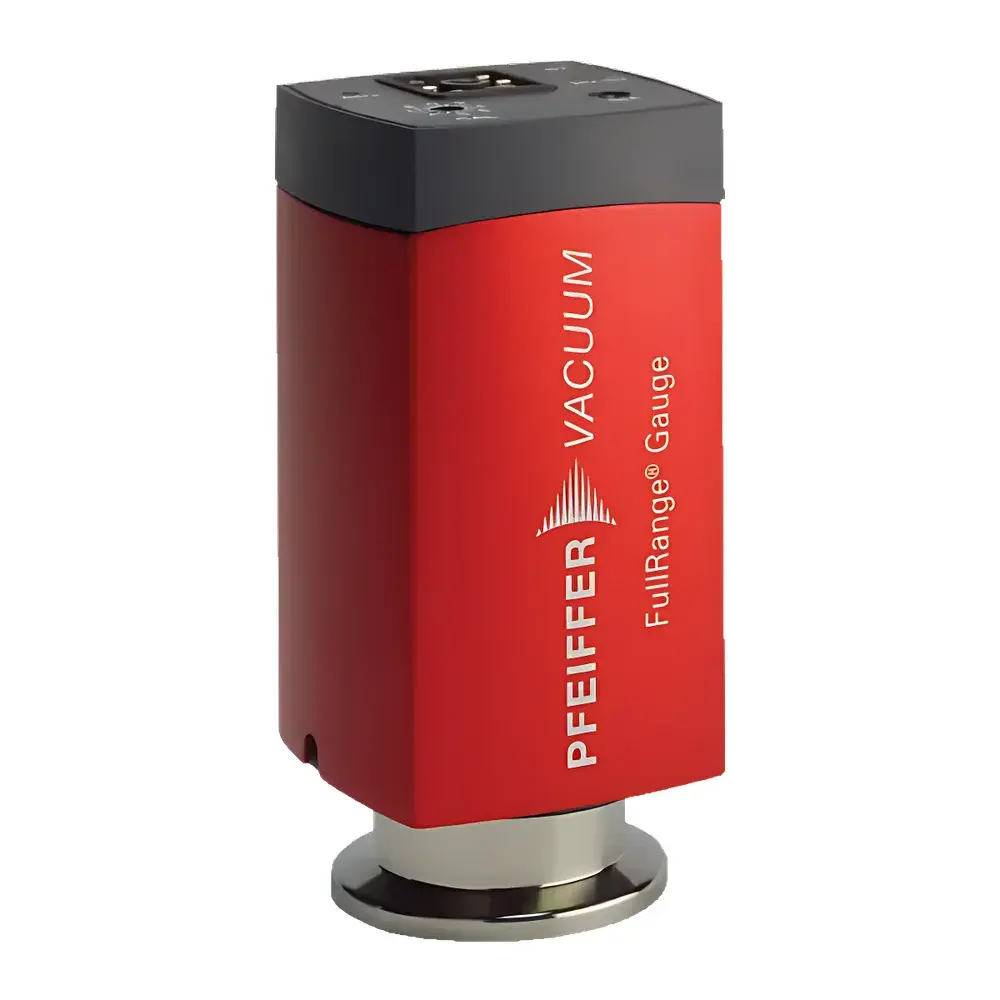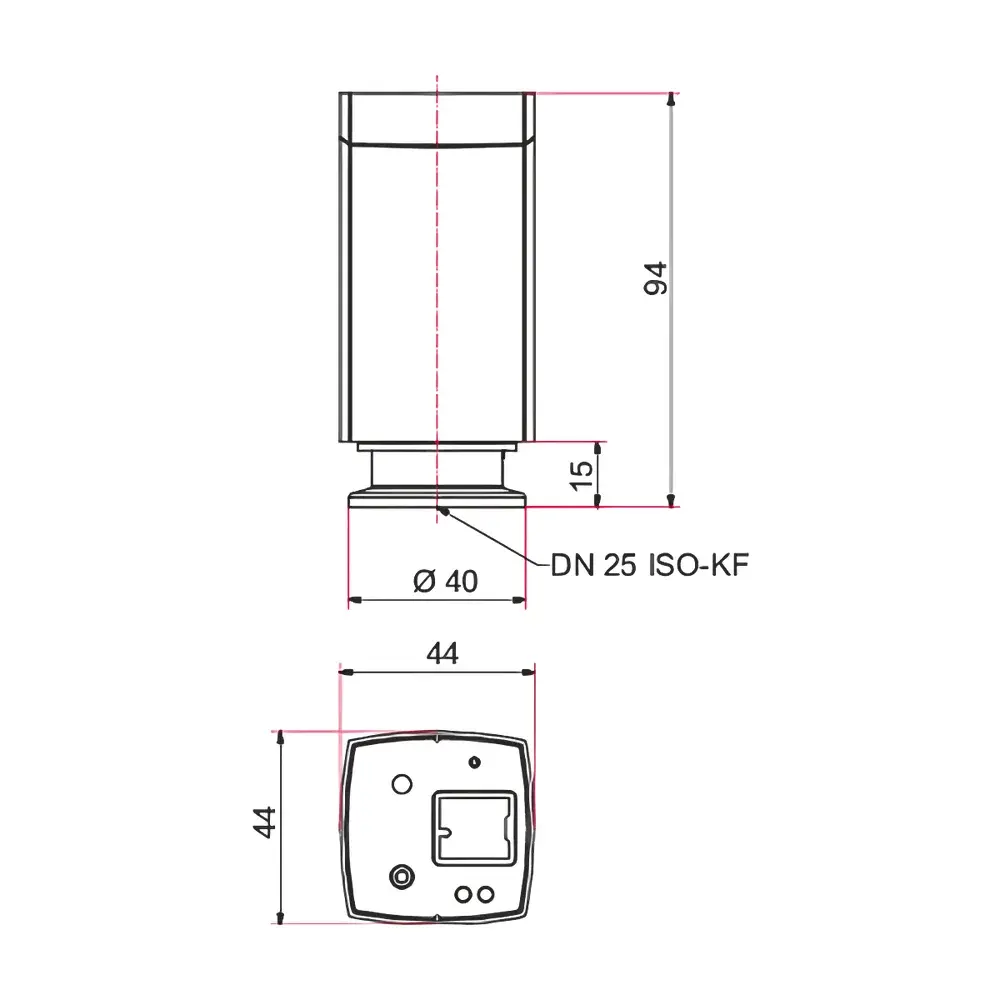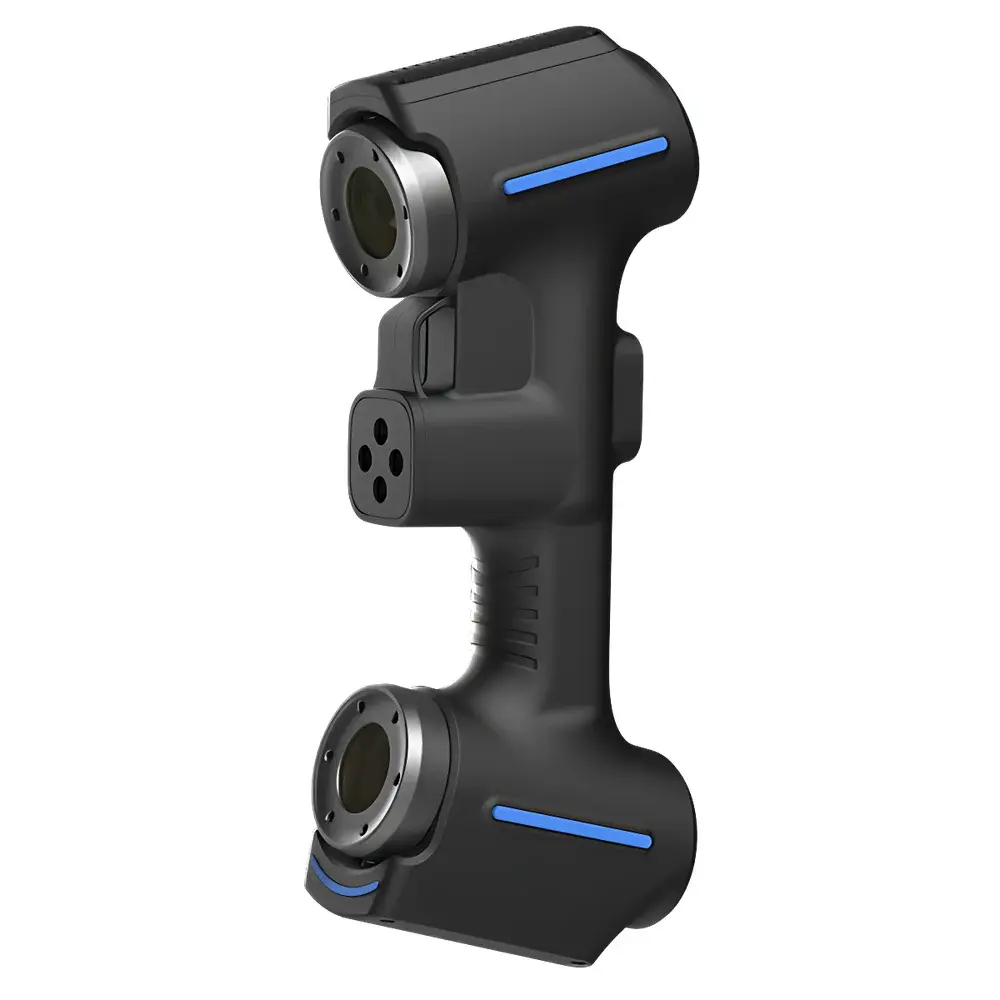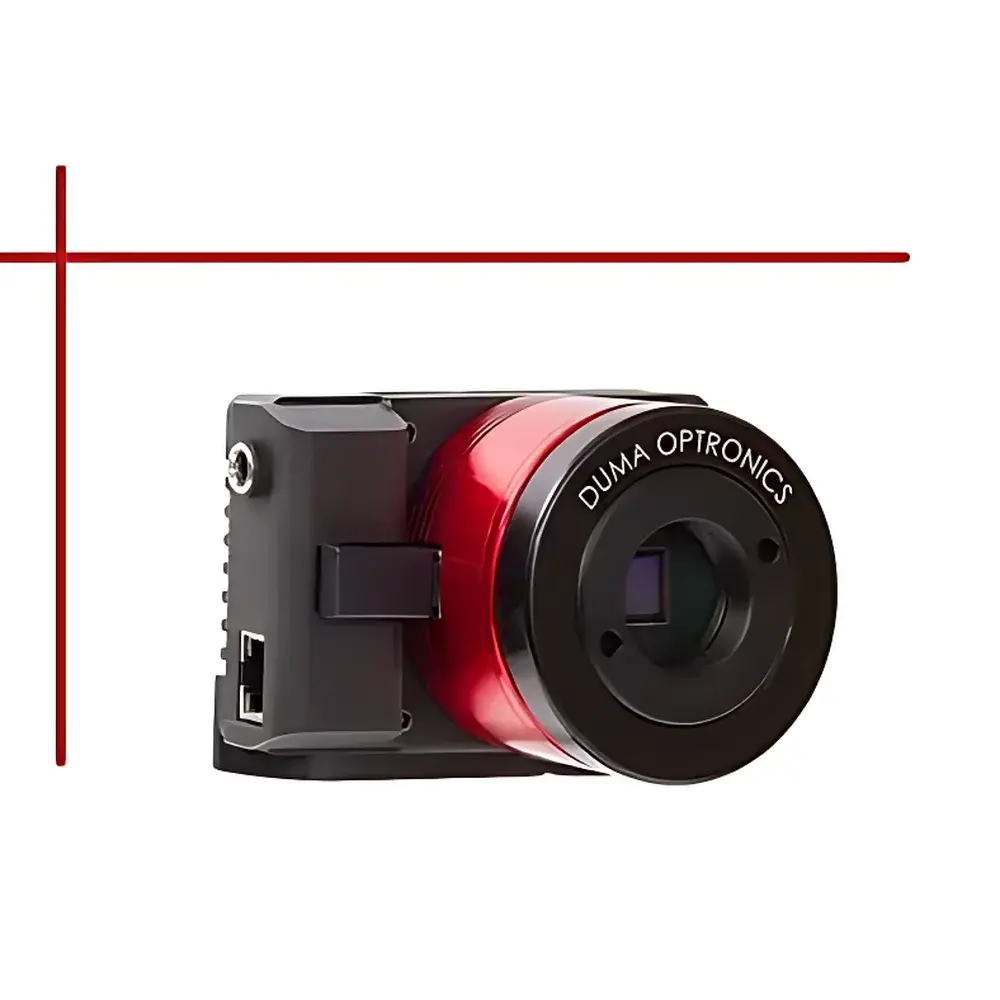
DUMA Optronics BEAMON-1 Multi-Beam Laser Profiler
| Brand | DUMA Optronics |
|---|---|
| Origin | Israel |
| Model | BEAMON-1 |
| Detector Size | 1 inch |
| Resolution | 20 MP |
| Pixel Size | 2.4 × 2.4 µm |
| Spectral Range | 350–1350 nm |
| Multi-Beam Capacity | up to 400 parallel beams |
| Measurement Types | beam profile (irradiance distribution), centroid position, energy, beam width (ISO 11146), ellipticity, divergence estimation |
| Interface | USB 3.0 |
| Software | BeamOn HR v4.x (Windows) |
| Compliance | ISO 11146-1:2005, ISO 13694:2003, ANSI Z136.1 |
Overview
The DUMA Optronics BEAMON-1 is a high-resolution, multi-beam laser diagnostic instrument engineered for simultaneous spatial and energetic characterization of dense laser arrays—particularly relevant for VCSEL-based systems used in 3D sensing, LiDAR, facial recognition, and optical interconnects. Unlike conventional single-beam profilers, the BEAMON-1 leverages a large-format, 20-megapixel CMOS sensor with a 1-inch optical format and 2.4 × 2.4 µm pixel pitch to resolve up to 400 individual collimated beams within a single acquisition frame. Its measurement principle is based on direct imaging photometry: incident photons are converted into digital intensity values calibrated against NIST-traceable standards, enabling quantitative irradiance mapping across the full spectral range of 350–1350 nm—including deep UV (e.g., 355 nm DPSS sources), visible (405–650 nm), and near-infrared (780–1350 nm) wavelengths typical of semiconductor lasers and fiber-coupled diodes.
Key Features
- Simultaneous acquisition and analysis of up to 400 discrete, parallel laser beams in real time—eliminating sequential scanning and associated alignment drift.
- 20 MP resolution with sub-micron spatial sampling (2.4 µm pixels), supporting precise centroid localization (< ±0.5 pixel RMS repeatability) and ISO-compliant beam width (D4σ, knife-edge, 1/e²) calculations.
- Broad spectral response from 350 nm to 1350 nm, achieved via back-illuminated CMOS architecture and optional broadband anti-reflection coatings—no filter swapping required for multi-wavelength validation.
- Integrated thermal stabilization and automatic exposure control ensure consistent signal-to-noise ratio across varying power densities (from µW/cm² to >10 W/cm² with neutral density attenuation).
- Ruggedized aluminum housing with standardized C-mount and SM1-threaded optical interface for seamless integration into OEM test benches or cleanroom-aligned optical tables.
Sample Compatibility & Compliance
The BEAMON-1 is optimized for free-space, collimated or weakly divergent beams with diameters ranging from 50 µm to 8 mm. It supports both continuous-wave (CW) and pulsed laser sources (repetition rates up to 10 kHz), provided pulse energy remains within sensor damage threshold limits (≤100 µJ/cm² at 1064 nm, nanosecond pulses). All geometric and radiometric measurements adhere to ISO 11146-1:2005 (laser beam widths, divergence, and curvature) and ISO 13694:2003 (laser beam profiling methods). The system is compatible with GLP/GMP environments through audit-trail-enabled software logging, user-access controls, and calibration certificate traceability to PTB/NIST reference standards.
Software & Data Management
BeamOn HR v4.x provides a validated, Windows-based platform with dual-mode operation: live diagnostics dashboard and batch analysis mode for production-line throughput. Key capabilities include automated beam identification via adaptive thresholding and Hough transform-based clustering; export of ASCII, CSV, and HDF5 datasets compliant with ASTM E2917-20; and programmable API (C++, Python, LabVIEW) for integration into automated test sequences. All measurement metadata—including timestamp, exposure settings, lens configuration, and calibration ID—is embedded in image headers. Software complies with FDA 21 CFR Part 11 requirements when deployed with electronic signature modules and role-based permissions.
Applications
- VCSEL array uniformity validation during wafer-level testing and burn-in screening.
- Multi-fiber coupling efficiency assessment in photonic integrated circuit (PIC) packaging.
- LiDAR transmitter module qualification—beam pointing stability, fill factor, and cross-talk analysis across emitter sub-arrays.
- Medical laser safety verification per IEC 60825-1, including MPE (Maximum Permissible Exposure) calculation per beamlet.
- Academic research in structured light generation, optical phased arrays, and metasurface beam shaping.
FAQ
What is the maximum beam count the BEAMON-1 can analyze simultaneously?
Up to 400 spatially resolved, non-overlapping beams within the 1-inch field of view—subject to minimum separation of ≥5 pixels (12 µm) and adequate signal-to-noise ratio.
Does the BEAMON-1 support pulsed laser measurements?
Yes, for pulses ≥10 ns duration and repetition rates ≤10 kHz; external sync input enables gated acquisition synchronized to laser trigger.
Is calibration traceable to national standards?
Yes—each unit ships with a factory calibration certificate traceable to PTB (Physikalisch-Technische Bundesanstalt) for spatial scale and NIST-traceable irradiance responsivity.
Can the system be integrated into automated manufacturing lines?
Yes, via TCP/IP and DLL-based APIs; full support for SECS/GEM protocols available upon request for semiconductor fab deployment.
What accessories are required for UV or NIR optimization?
No accessories needed for baseline operation; optional quartz-window protective filters (250–400 nm) and InGaAs-enhanced sensitivity kits (900–1350 nm) are available as field-upgrade modules.