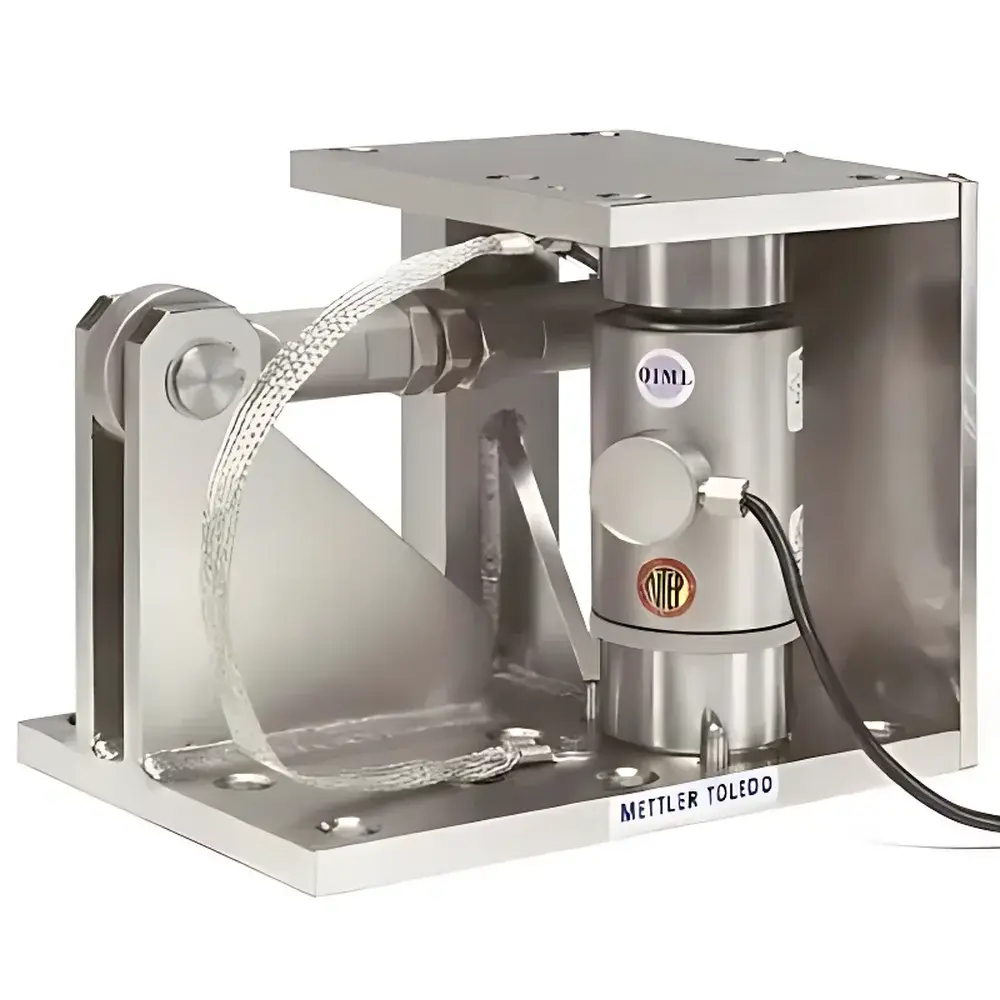
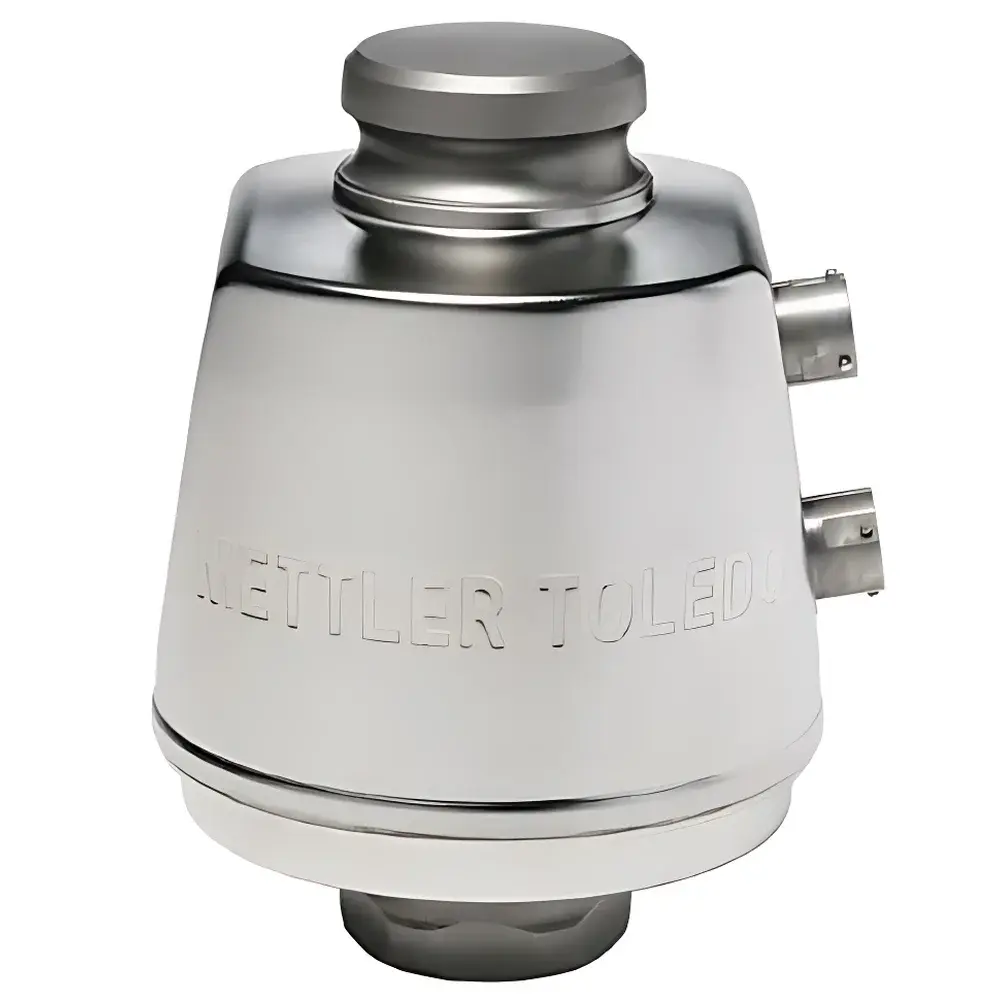
METTLER TOLEDO WMC/PDX/FWC Load Cell Series
| Brand | METTLER TOLEDO |
|---|---|
| Origin | Jiangsu, China |
| Manufacturer Type | Authorized Distributor |
| Product Origin | Domestic (China) |
| Model Series | WMC / PDX / FWC |
| Pricing | Available Upon Request |
Overview
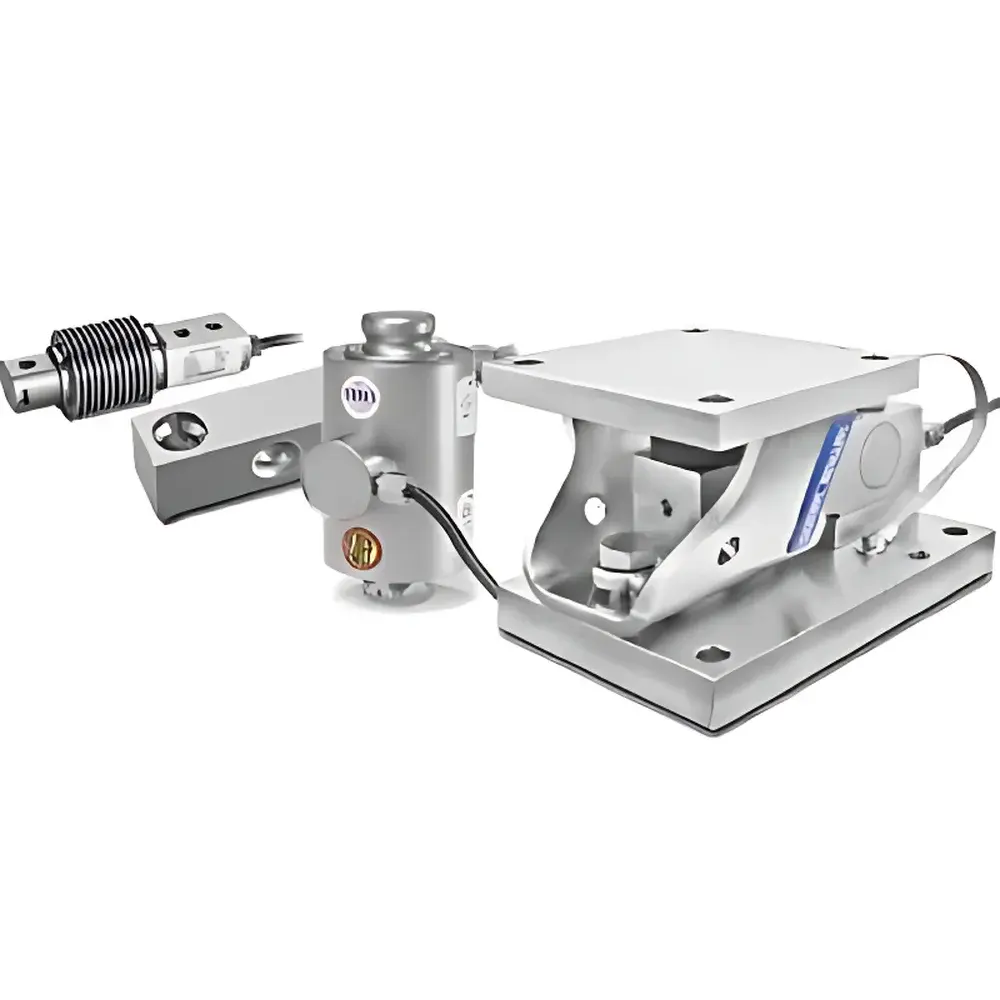
The METTLER TOLEDO WMC/PDX/FWC load cell series represents a family of high-integrity, industrial-grade force transducers engineered for precision weighing in static and quasi-static applications across process, bulk handling, and structural monitoring systems. These load cells operate on the principle of strain gauge technology—where mechanical deformation under load induces proportional resistance changes in bonded foil or semiconductor gauges—converted into calibrated analog (mV/V) or digital output signals via integrated signal conditioning. Designed for integration into OEM equipment, tank weighing systems, platform scales, and modular weighing modules, the WMC, PDX, and FWC variants differ in mechanical configuration (compression-only, low-profile compression, or tension/compression), mounting geometry, and environmental sealing—enabling deployment in demanding environments including humid, dusty, or mildly corrosive industrial settings. While not rated for continuous dynamic or high-frequency impact loading, these sensors deliver stable, repeatable outputs under sustained or slowly varying loads—making them suitable for batching, inventory control, fill-level monitoring, and regulatory-compliant material accounting.
Key Features
- Strain-gauge-based measurement architecture with temperature-compensated Wheatstone bridge design for long-term stability and minimal zero drift.
- Robust stainless-steel or alloy steel construction, with IP67 or IP68 ingress protection depending on model variant (e.g., PDX series features enhanced hermetic sealing).
- Standard output signals: 2.0 mV/V (analog) with optional digital interfaces (RS-485/Modbus RTU or CANopen) available on select PDX and FWC configurations.
- Compliance with OIML R60 Class C3/C4 accuracy requirements for legal-for-trade static weighing applications (subject to system calibration and installation per EN 45501).
- Integrated overload protection up to 150–300% of rated capacity, depending on mechanical design; fatigue life rated for ≥10⁶ full-scale cycles.
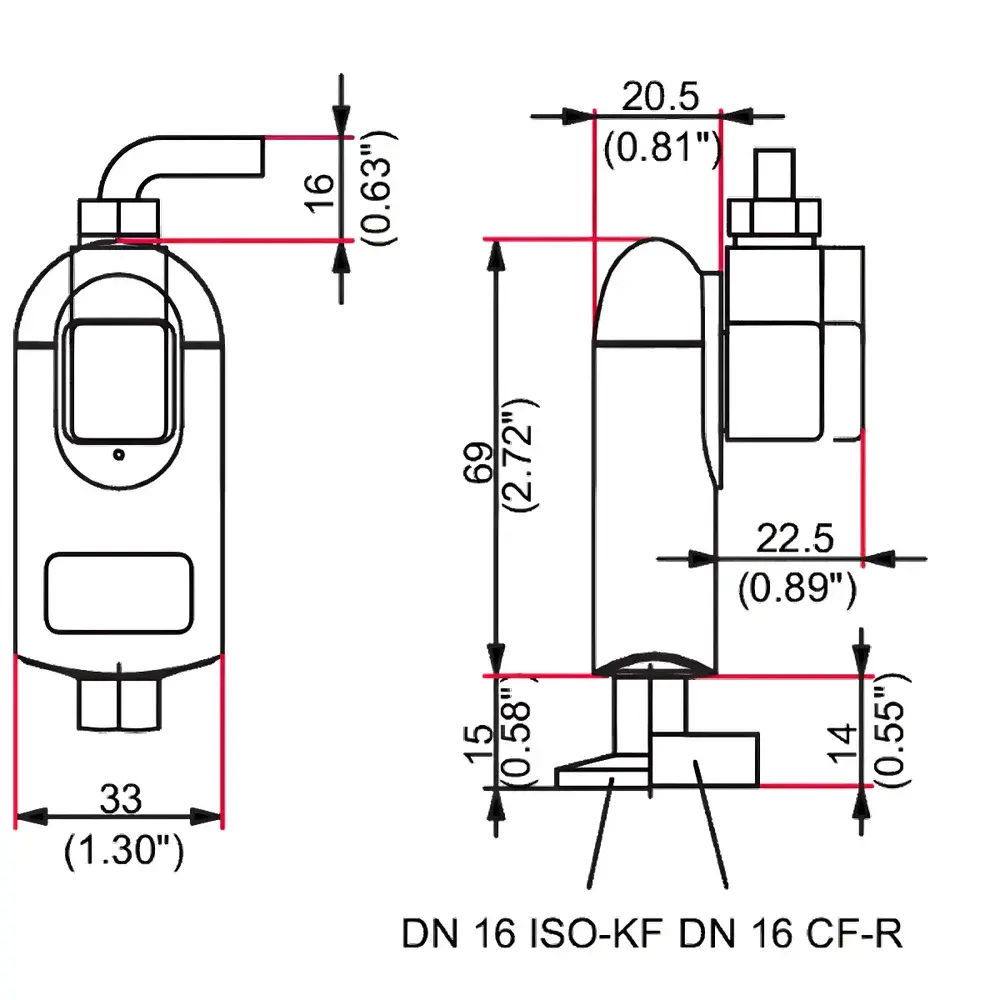
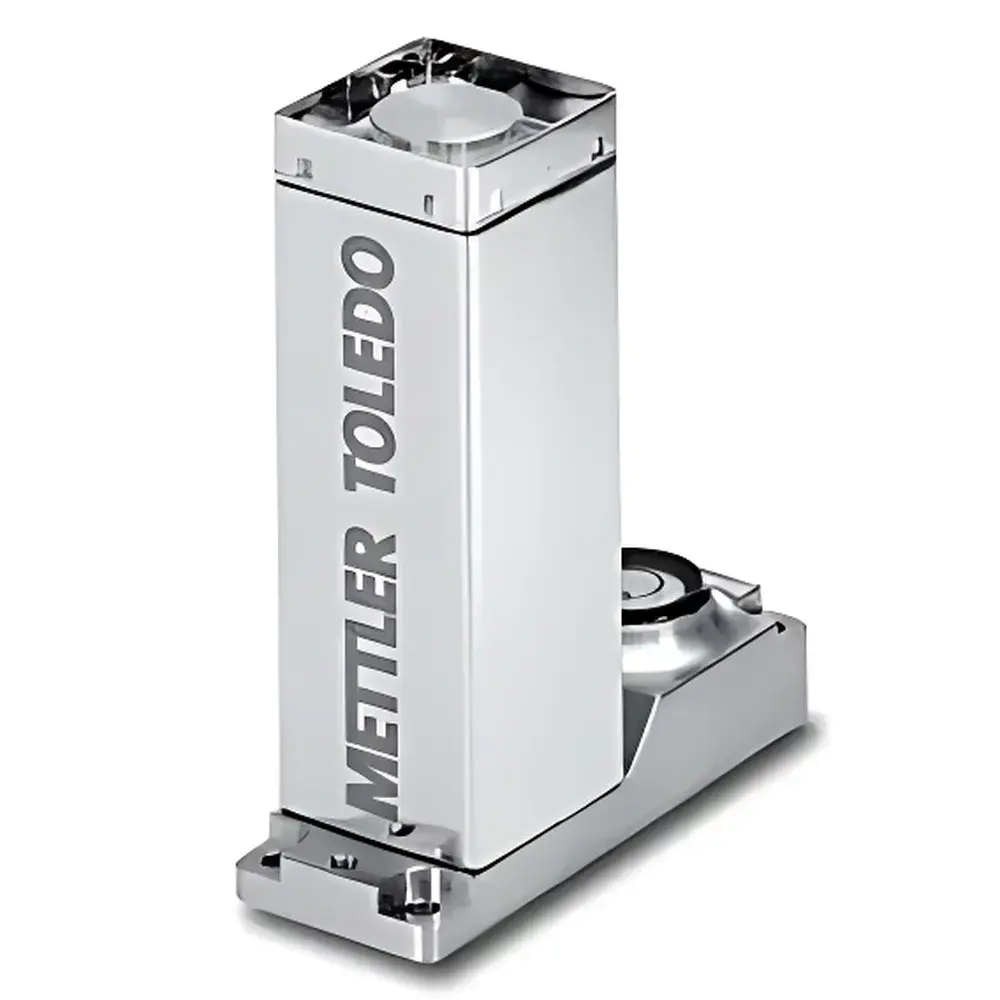
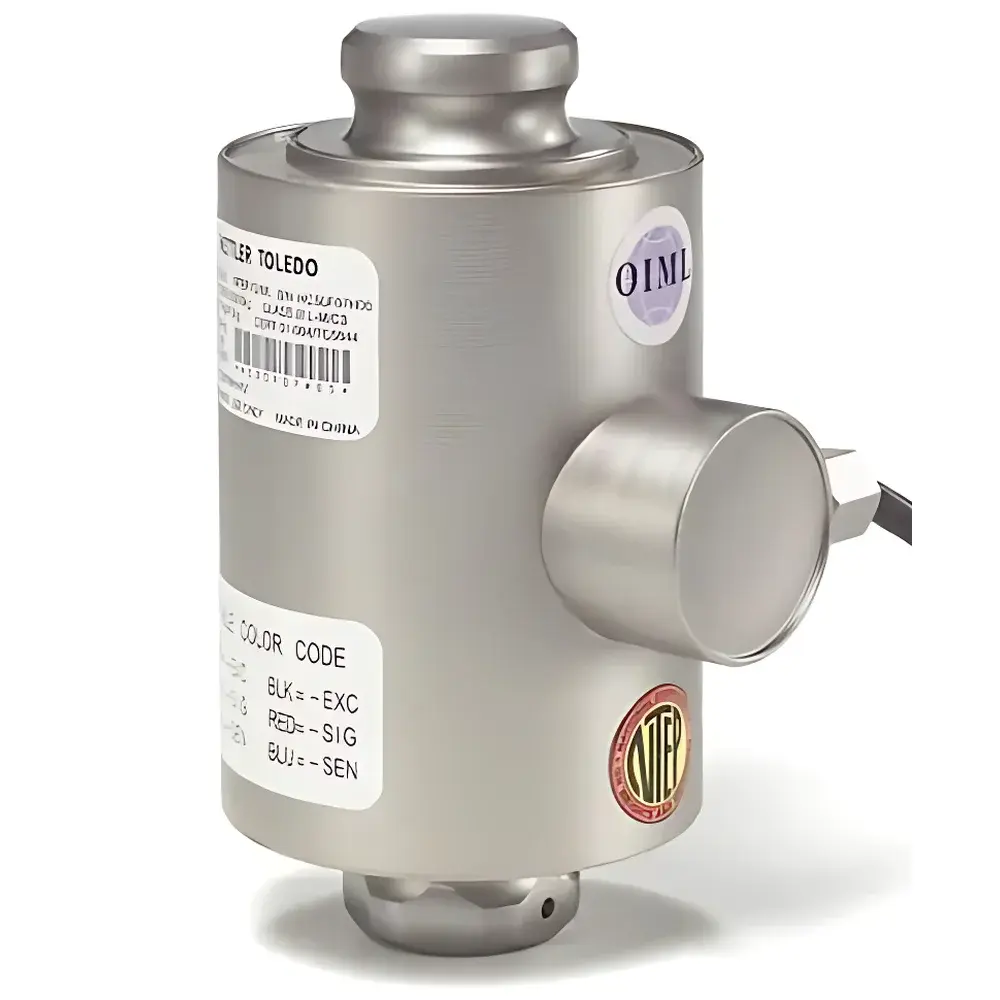
- Mounting versatility: WMC units optimized for column-mounted compression use; PDX for low-clearance pedestal or baseplate integration; FWC for flange-mount tension/compression setups.
Sample Compatibility & Compliance
These load cells are compatible with standard industrial weighing junction boxes, PLC analog input modules (e.g., 16-bit ±10 V or 4–20 mA channels), and METTLER TOLEDO’s IND570, POWERCELL® iC, or ISM-enabled terminals. They support integration into GMP/GLP-regulated environments when deployed within validated weighing systems—including those requiring audit trails, user access control, and electronic signature capability per FDA 21 CFR Part 11 (achieved via compatible terminal software and system-level validation). All models conform to electromagnetic compatibility standards IEC 61326-1 (industrial environment) and mechanical safety directives per EN ISO 12100. Calibration traceability is maintained to national metrology institutes (NMI) through METTLER TOLEDO’s accredited service network.
Software & Data Management
While the WMC/PDX/FWC series themselves are hardware-only transducers, they interface seamlessly with METTLER TOLEDO’s AutoCal™-enabled terminals and LabX® or Standard Weighing Software platforms. When connected to an IND570 or IC-100 terminal, users gain access to real-time diagnostics (e.g., signal stability, thermal drift alerts), automatic span/zero verification logs, and configurable tare tracking. System-level data export supports CSV, XML, and OPC UA protocols—enabling direct ingestion into MES (Manufacturing Execution Systems) or LIMS (Laboratory Information Management Systems). Firmware updates and parameter configuration are performed via USB or Ethernet, with change history retained for compliance review.
Applications
- Static tank and silo weighing for chemical, food, and pharmaceutical batch operations.
- OEM integration into filling machines, bagging systems, and conveyor-mounted checkweighers.
- Platform and pallet scale foundations in warehouse logistics and distribution centers.
- Structural load monitoring in civil engineering test rigs and material testing frames.
- Replacement sensors in legacy weighbridges and rail scale systems where C3/C4 accuracy suffices (note: POWERCELL® remains recommended for high-accuracy vehicle weighing).
FAQ
Are WMC/PDX/FWC load cells certified for legal-for-trade use?
Yes—when installed, calibrated, and verified per EN 45501 and local metrological regulations, models meeting OIML R60 Class C3 or C4 may be approved for non-automatic weighing instruments (NAWI) in commercial applications.
Can these load cells be used in hazardous areas?
No—standard WMC/PDX/FWC units are not ATEX or IECEx certified. For Zone 1/2 installations, consult METTLER TOLEDO’s intrinsically safe (IS) load cell portfolio (e.g., PW15i or PDX-IS variants).
What is the typical warm-up time before stable readings?
Under ambient conditions (20–25°C), signal stabilization occurs within 15–30 minutes after power-on; thermal equilibrium improves repeatability by reducing zero-shift drift.
Do these sensors support remote diagnostics?
Yes—when paired with a smart terminal (e.g., IND570) or gateway device, real-time health metrics—including excitation voltage, mV output, temperature coefficient, and load history—are accessible via Ethernet or serial interface.
Is factory recalibration required annually?
Not inherently—but periodic verification (e.g., every 6–12 months) is recommended per ISO/IEC 17025 and internal quality procedures, especially in regulated industries. Calibration certificates are issued upon request.