
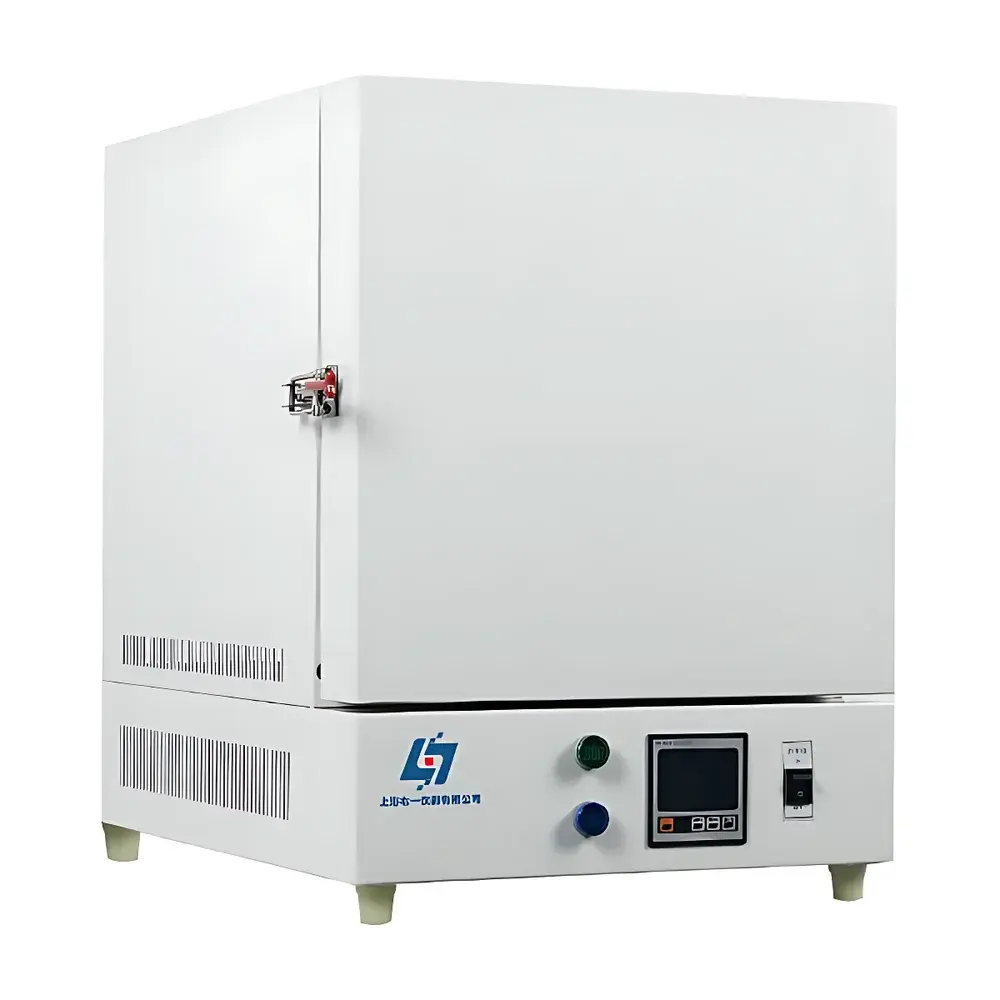
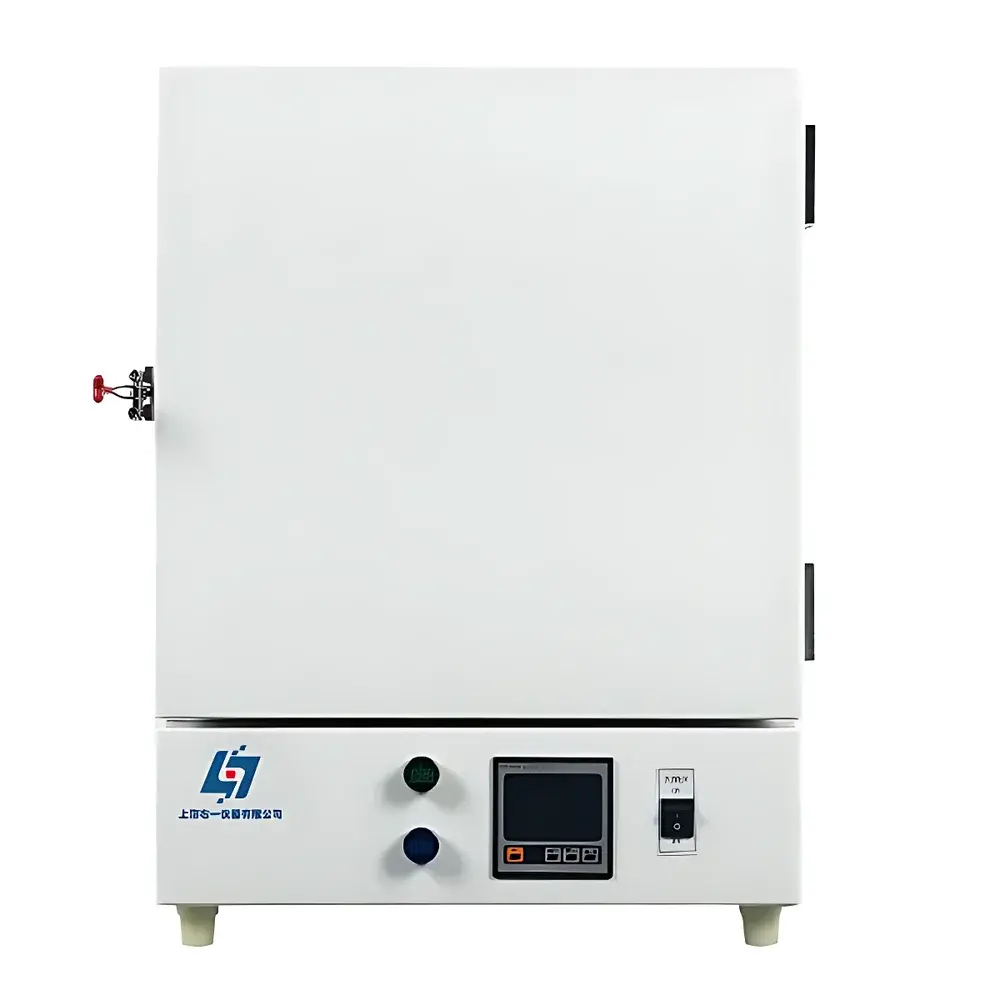
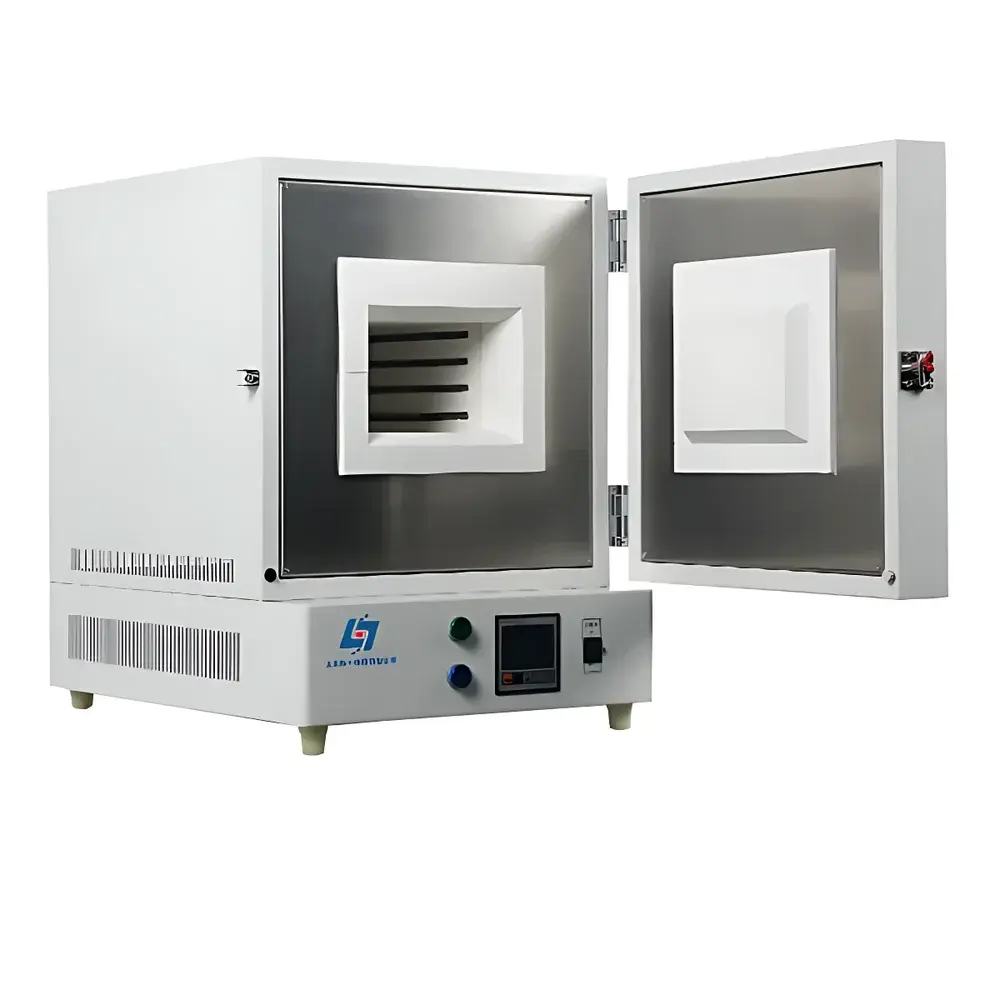
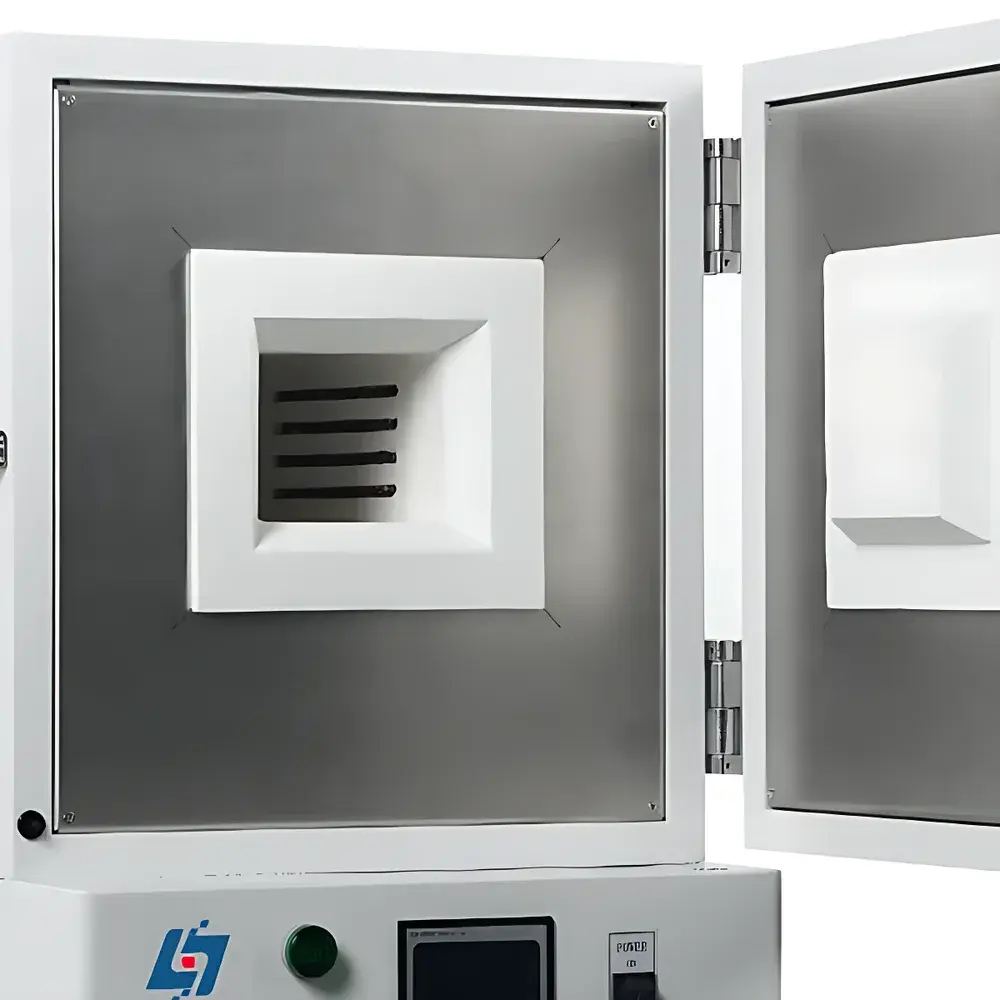
Yoyi SX2-2.5-10A 1000°C Ceramic Fiber Muffle Furnace
| Brand | Yoyi |
|---|---|
| Origin | Shanghai, China |
| Manufacturer Type | Direct Manufacturer |
| Product Category | Domestic |
| Model | SX2-2.5-10A |
| Instrument Type | Box-Type Furnace |
| Maximum Temperature | 1000°C |
| Temperature Control Accuracy | ±1°C |
| Rated Power | 2.5 kW |
| Heating Time to Max Temp | ≤60 min |
| Heating Element | Nickel-Chromium (NiCr) Wire |
| Internal Chamber Dimensions (L×W×H) | 120 × 200 × 80 mm |
| Nominal Volume | 2 L |
Overview
The Yoyi SX2-2.5-10A is a compact, high-efficiency ceramic fiber muffle furnace engineered for precision thermal processing in laboratory and R&D environments. Operating on resistive heating principles via embedded nickel-chromium alloy wire elements, it delivers rapid, uniform heat distribution within a fully insulated chamber. Its core architecture leverages low-density, high-purity ceramic fiber insulation—offering superior thermal retention, minimal thermal mass, and reduced energy consumption compared to traditional refractory brick furnaces. Designed for applications requiring controlled atmosphere–free thermal treatment up to 1000°C, this furnace supports critical workflows including ashing, calcination, sintering, annealing, and heat treatment of ceramics, metals, and advanced materials. The unit complies with general electrical safety standards for laboratory-grade resistive heating equipment and is suitable for integration into GLP-compliant laboratories where traceable temperature profiles and repeatable thermal cycles are required.
Key Features
- Lightweight ceramic fiber furnace chamber (density < 200 kg/m³) enabling ~40% lower energy consumption versus conventional muffle furnaces;
- Double-layer thermal insulation design: outer steel casing + inner ceramic fiber board lining, limiting external surface temperature to ≤50°C at 1000°C internal operation;
- Microprocessor-based PID temperature controller with digital LCD interface, supporting setpoint programming, real-time process monitoring, and over-temperature alarm (adjustable threshold);
- Comprehensive electrical protection: over-current, over-voltage, over-temperature, ground-fault, and short-circuit safeguards;
- Cold-rolled steel exterior with phosphate conversion coating and electrostatic epoxy powder finish for corrosion resistance and mechanical durability;
- Power-loss recovery function: automatically resumes prior operating parameters after unexpected shutdown or power interruption;
- Modular construction facilitating maintenance, element replacement, and long-term operational stability.
Sample Compatibility & Compliance
The SX2-2.5-10A accommodates standard crucibles (alumina, quartz, stainless steel, graphite) and small-volume samples up to 2 L chamber capacity. It is compatible with inert, oxidizing, and mildly reducing atmospheres—though not rated for vacuum or sealed reactive gas environments without optional modifications. While the furnace itself does not carry CE, UL, or UKCA certification out-of-the-box, its control system architecture supports audit-ready data logging when paired with optional RS485 communication modules and compliant software (e.g., Modbus RTU protocol). For regulated environments, users may configure temperature validation protocols aligned with ASTM E220, ISO/IEC 17025, or USP thermal mapping guidelines. All thermal performance specifications—including ±1°C control accuracy and ≤60-minute ramp-to-1000°C—are validated under no-load conditions per IEC 61000-4-30 ambient test criteria (20°C, 50% RH, non-vibrating, non-magnetic setting).
Software & Data Management
The furnace operates with an embedded 4-digit LED/LCD controller offering intuitive menu navigation for temperature setpoint, hold time, and ramp rate configuration. Optional accessories expand functionality: a multi-segment programmable controller (up to 30 segments) enables complex thermal profiles for sintering or annealing protocols; an RS485 interface (Modbus RTU) allows bidirectional communication with SCADA systems or LIMS platforms. When integrated with compliant third-party software, the system supports electronic record generation, user access logs, and audit trails meeting FDA 21 CFR Part 11 requirements for signature verification and data integrity. Raw temperature/time datasets can be exported in CSV format for post-processing in MATLAB, Python, or statistical analysis tools used in materials characterization workflows.
Applications
- Quantitative ash content determination (ASTM D3174, ISO 1171) in coal, biomass, and polymer composites;
- Thermal decomposition studies and TGA pre-screening support;
- Sintering of oxide ceramics (Al₂O₃, ZrO₂), ferrites, and low-temperature co-fired ceramics (LTCC);
- Heat treatment of small metal components: stress relief, tempering, and recrystallization;
- Glass annealing and nucleation studies under controlled cooling rates;
- Preparation of catalyst supports and battery electrode precursors (e.g., LiFePO₄ synthesis);
- Calibration reference for thermocouples and infrared pyrometers in metrology labs.
FAQ
What is the maximum continuous operating temperature?
The SX2-2.5-10A is rated for continuous operation at 1000°C. Sustained use above this limit will accelerate heating element degradation and compromise ceramic fiber integrity.
Can this furnace be used under nitrogen or argon atmosphere?
Yes—provided the chamber is modified with a gas inlet/outlet port and appropriate sealing gasket. Standard configuration is air-atmosphere only.
Is calibration certificate included with shipment?
No. A factory calibration report (traceable to NIST or CNAS-accredited standards) is available upon request and incurs additional lead time and cost.
How often should the heating element be replaced?
Under typical laboratory usage (≤4 h/day at 900–1000°C), NiCr wire elements maintain functional integrity for 1,500–2,000 cumulative hours. Visual inspection for sagging or localized oxidation is recommended quarterly.
Does the furnace support ramp-soak-hold programming natively?
Basic single-setpoint operation is standard. Multi-step thermal profiling requires the optional programmable controller upgrade.



