
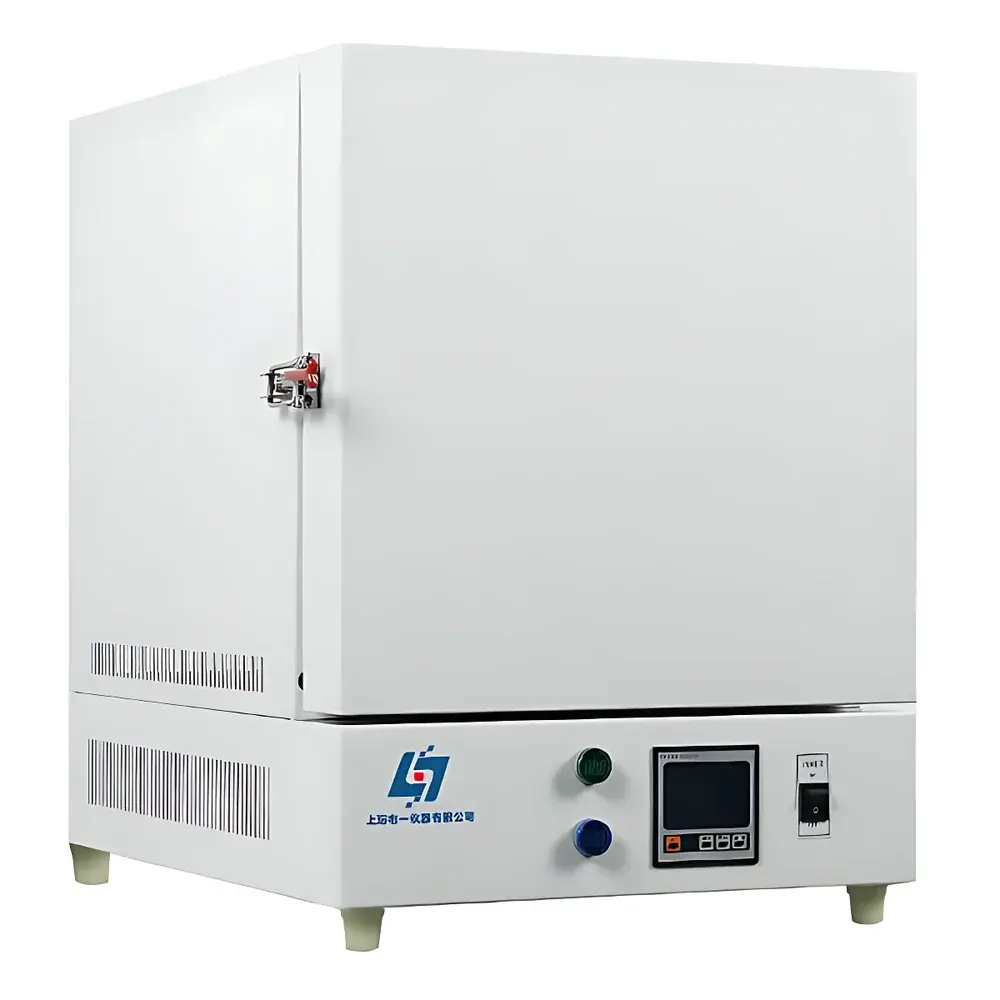
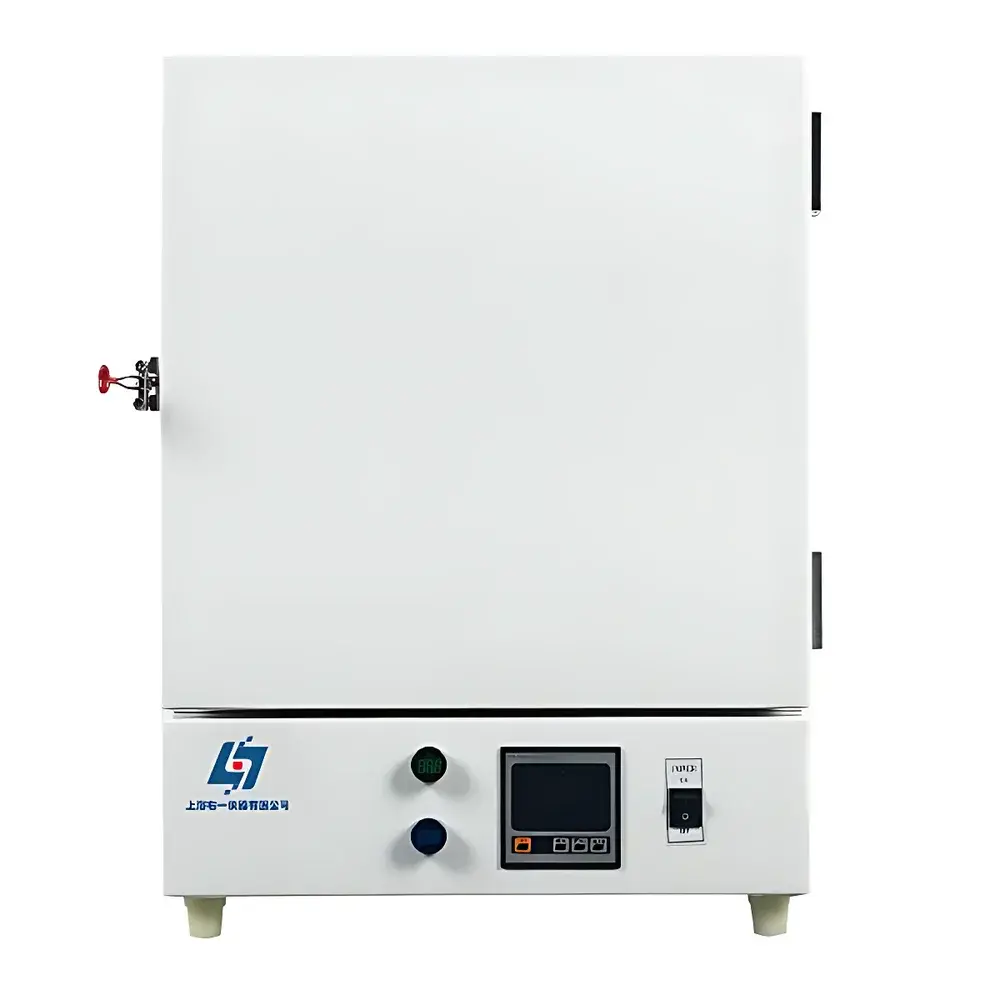
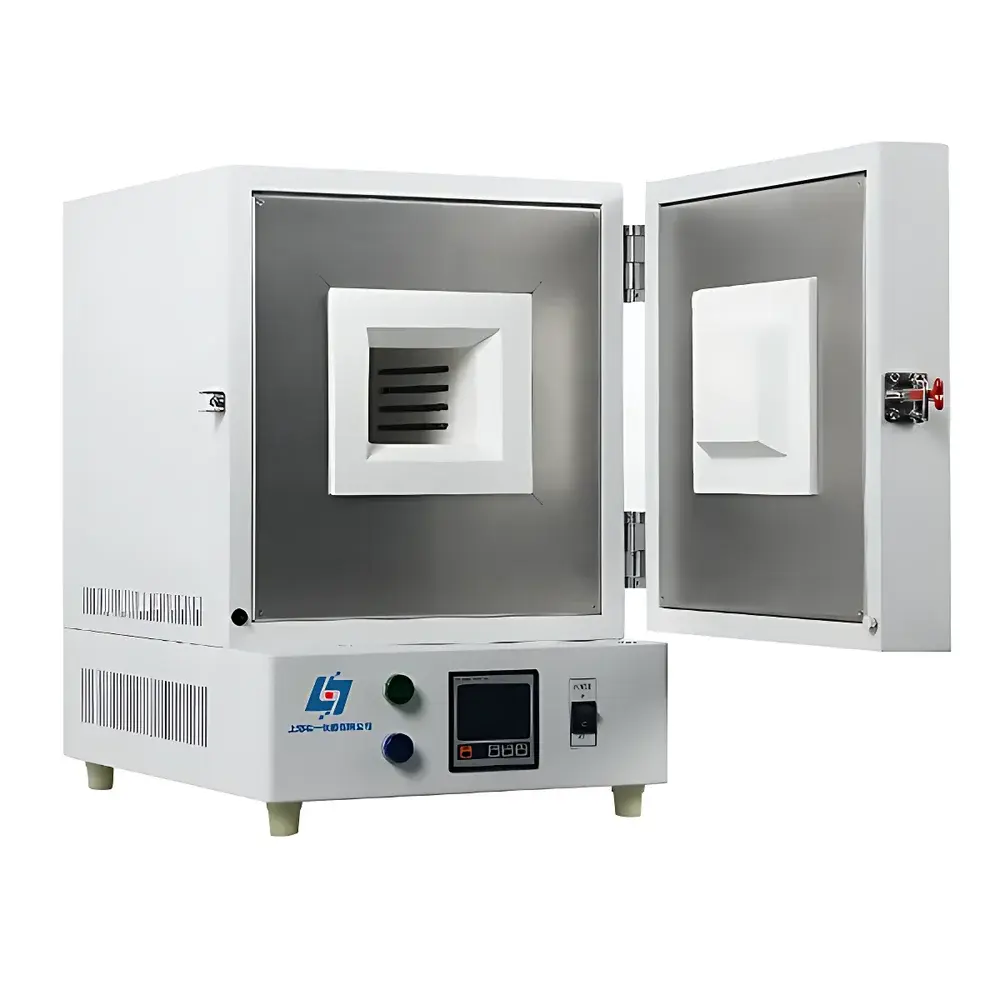
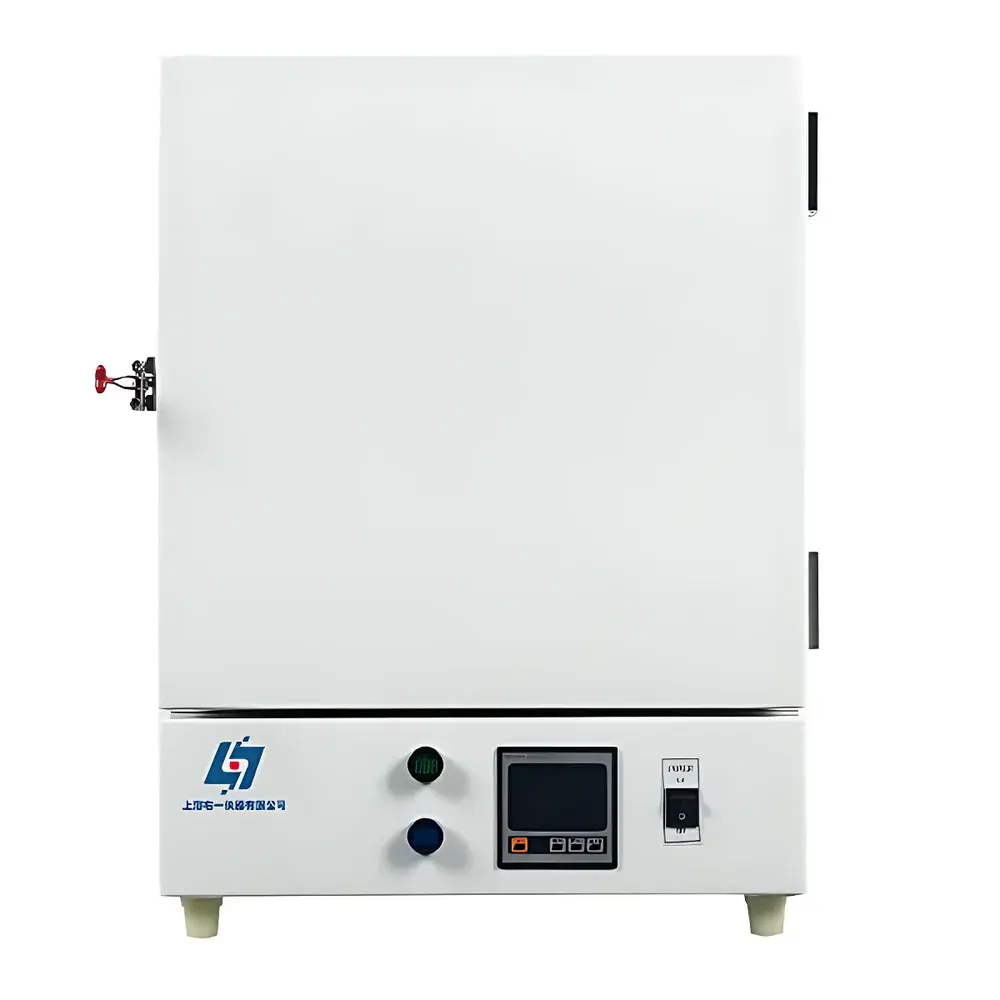
Yoyi SX2-4-13A Ceramic Fiber Muffle Furnace (1300 °C Box-Type Resistance Furnace)
| Brand | Yoyi |
|---|---|
| Origin | Shanghai, China |
| Manufacturer Type | Direct Manufacturer |
| Product Category | Domestic |
| Model | SX2-4-13A |
| Instrument Type | Box Furnace |
| Max Temperature | 1300 °C |
| Temperature Control Accuracy | ±1 °C |
| Rated Power | 4 kW |
| Heating Element | Silicon Carbide Rod (SiC) |
| Internal Chamber Dimensions | 150 × 250 × 100 mm |
| Nominal Volume | 3.8 L |
Overview
The Yoyi SX2-4-13A is a high-performance ceramic fiber muffle furnace engineered for precise, repeatable thermal processing in research laboratories, materials science facilities, and quality control environments. Operating on resistive heating principles via silicon carbide (SiC) rods, it delivers uniform temperature distribution across its insulated chamber — enabling accurate heat treatment of ceramics, metals, powders, and advanced functional materials. Designed to meet the stringent demands of rapid thermal cycling, this furnace achieves stable operation from ambient +50 °C up to 1300 °C with minimal thermal lag and excellent thermal recovery characteristics. Its lightweight ceramic fiber insulation architecture eliminates the thermal mass associated with traditional refractory brick linings, resulting in significantly reduced energy consumption and faster ramp rates — critical for time-sensitive protocols such as sintering, ashing, annealing, and phase transformation studies.
Key Features
- Ultra-lightweight ceramic fiber insulation (density ~128 kg/m³), offering low thermal conductivity (<0.09 W/m·K at 1000 °C) and high thermal shock resistance
- Robust cold-rolled steel outer casing with phosphate conversion coating and electrostatic epoxy powder finish for corrosion resistance and mechanical durability
- Intelligent microprocessor-based PID temperature controller with digital LCD interface, supporting multi-stage program control (optional upgrade), real-time temperature display, and adjustable ramp/soak profiles
- Comprehensive safety system including over-temperature cutoff, over-current protection, ground-fault detection, short-circuit prevention, and automatic power cut-off upon door opening or sensor failure
- Energy-efficient design: consumes approximately 60% less power than conventional refractory-lined furnaces of equivalent volume and temperature rating
- Integrated parameter memory function with auto-recovery after power interruption — retains setpoints, timer values, and active programs without data loss
- Double-layer chamber wall construction with ceramic fiber board insulation ensures surface temperature remains below 50 °C when internal temperature reaches 1000 °C (tested per ISO 27932:2012)
Sample Compatibility & Compliance
The SX2-4-13A accommodates a broad range of sample forms — including crucibles (alumina, quartz, graphite), powder compacts, thin films, metallurgical specimens, and ceramic green bodies — within its 3.8 L working volume. Its inert muffle environment prevents direct flame contact and minimizes atmospheric contamination during heating, making it suitable for ASTM C114 (cement analysis), ISO 562 (coal ash determination), and USP (residue on ignition). The furnace complies with IEC 61000-6-3 (EMC emissions) and IEC 61000-6-2 (immunity), and supports GLP/GMP documentation workflows through optional RS485 communication and audit-trail-capable software (21 CFR Part 11 compliant when paired with validated firmware).
Software & Data Management
Standard operation utilizes an embedded 4-button LCD interface for intuitive manual control. For automated thermal profiling, the optional multi-segment programmable controller enables up to 30 ramp-hold cycles with independent rate and dwell settings. When equipped with the RS485 interface module and accompanying PC software, users can log temperature vs. time data at configurable intervals (1–60 s), export CSV-formatted reports, generate calibration certificates, and synchronize timestamps across multiple instruments in networked lab environments. All logged data includes operator ID, session start/stop times, and event markers for alarm triggers or manual interventions — fulfilling traceability requirements under ISO/IEC 17025 and FDA-regulated QA/QC processes.
Applications
- Thermal analysis of advanced ceramics and composite precursors (e.g., SiC, Al₂O₃, ZrO₂ sintering)
- Heat treatment of metal alloys (annealing, stress relieving, tempering of tool steels and superalloys)
- Residue-on-ignition testing for pharmaceutical excipients and raw materials (USP , EP 2.4.15)
- Calcination of catalyst supports and battery electrode materials (LiCoO₂, NMC, LFP precursors)
- Controlled oxidation/reduction studies under air or inert gas purge (with optional gas inlet port)
- Microstructural development in glass-ceramics and optical glasses via controlled nucleation and crystallization schedules
- Preparation of reference standards for XRD, SEM-EDS, and TGA calibration
FAQ
What is the maximum continuous operating temperature?
The SX2-4-13A is rated for continuous operation at 1300 °C; intermittent use up to 1350 °C is permissible for ≤30 minutes per cycle.
Can this furnace be used under inert or reducing atmospheres?
Yes — with installation of a sealed gas inlet/outlet port kit (optional accessory), nitrogen, argon, or forming gas (N₂/H₂) purging is supported; however, hydrogen service requires additional safety interlocks and leak-tested fittings.
Is calibration traceable to national standards?
Factory calibration uses NIST-traceable Pt/Pt–Rh thermocouples; users may perform field verification using certified reference thermometers per ISO/IEC 17025 Annex A.3.
How often does the heating element require replacement?
Under normal usage (≤1200 °C, 4–6 hr/day), SiC rods typically last 18–24 months; lifespan extends beyond 36 months when operated below 1100 °C with regular thermal cycling.
Does the furnace support remote monitoring via Ethernet or Wi-Fi?
No native Ethernet/Wi-Fi capability; RS485-to-Ethernet gateways may be deployed externally for integration into building management systems (BMS) or SCADA platforms.



