METTLER TOLEDO User Training and Business Consulting Services
| Brand | METTLER TOLEDO |
|---|---|
| Origin | Switzerland |
| Manufacturer Type | Authorized Distributor |
| Product Category | Imported Laboratory Service |
| Service Model | Customized Training & Process Consulting |
| Training Experience | 10+ Years |
| Equipment Scope | Laboratory Weighing, In-line Process Analytics, Calibration & Metrology Systems |
| Pricing | Upon Consultation |
Overview
METTLER TOLEDO User Training and Business Consulting Services are engineered to strengthen laboratory and manufacturing operational integrity through knowledge transfer, metrological competence, and process-centric advisory support. These services are not standalone offerings but integral components of a comprehensive lifecycle support framework—designed for laboratories, QC/QA departments, pharmaceutical production units, food & beverage facilities, and chemical process plants operating under regulated environments (e.g., ISO/IEC 17025, FDA 21 CFR Part 11, EU GMP Annex 15, USP <41>, <1251>). The training curriculum is grounded in traceable measurement science, uncertainty analysis, and regulatory expectations for instrument qualification (IQ/OQ/PQ), while business consulting aligns technical capability with operational KPIs such as equipment uptime, calibration cycle efficiency, data integrity compliance, and risk-based maintenance planning.
Key Features
- Modular, Role-Based Training Pathways: Structured curricula segmented by user role—operators, technicians, metrologists, and lab managers—with progressive learning outcomes from basic operation to advanced troubleshooting and uncertainty budgeting.
- Regulatory-Aware Curriculum Design: All courses integrate references to applicable standards including ASTM E899 (calibration of weighing instruments), ISO 9001:2015 clause 7.2, and EURAMET cg-18 (guidelines for mass calibration in industrial settings).
- RapidCal™ Integration Training: Dedicated modules on METTLER TOLEDO’s RapidCal technology—including mechanical load cell verification, dynamic load simulation, and traceable weightless calibration protocols for tank and hopper applications.
- Digital Learning Infrastructure: On-demand access to recorded webinars, interactive e-learning modules, downloadable SOP templates, and virtual lab simulations—all hosted on a secure, audit-ready LMS platform compliant with GDPR and 21 CFR Part 11 electronic record requirements.
- Consulting Engagement Framework: Defined service delivery methodology comprising scoping workshops, gap analysis against ISO/IEC 17025 or GxP requirements, implementation roadmaps, and post-engagement validation reports with measurable improvement metrics.
Sample Compatibility & Compliance
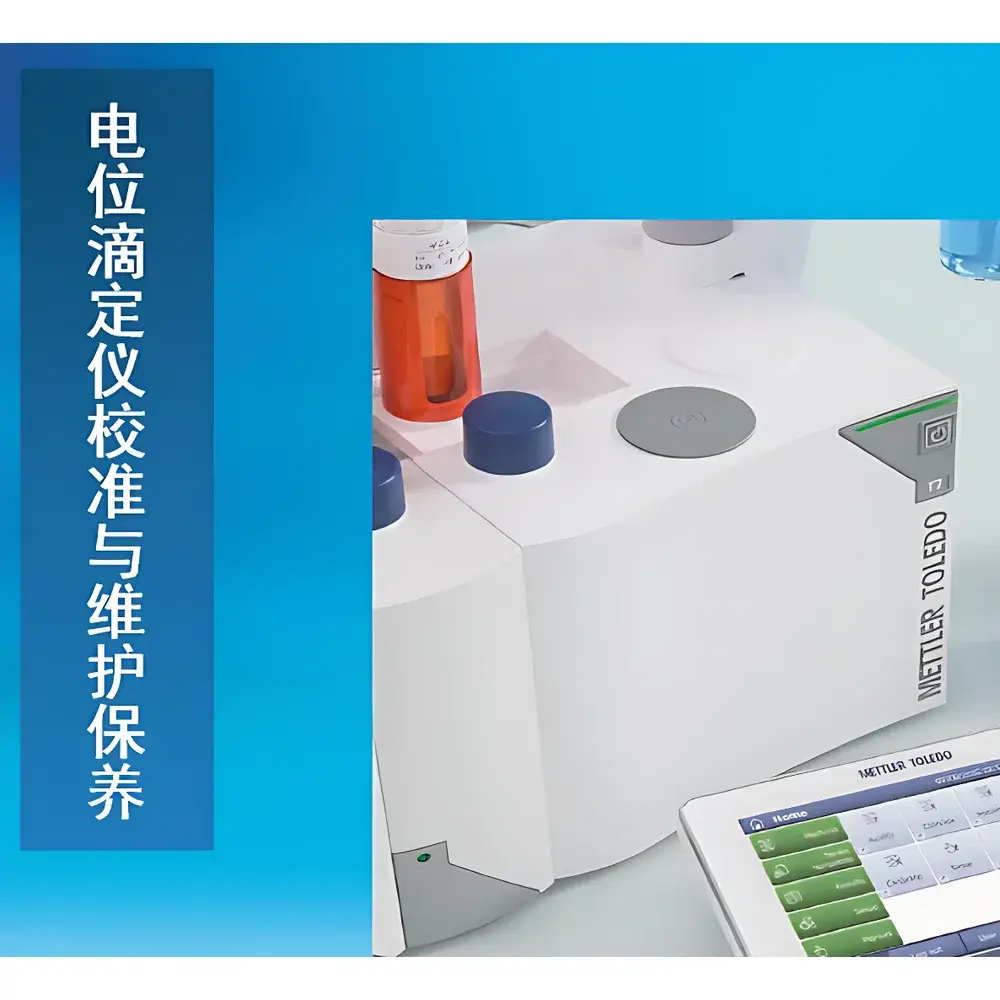
These services apply across METTLER TOLEDO’s portfolio of laboratory and industrial instrumentation—including analytical balances (XS, XSE, MS-TS series), moisture analyzers (HX204, HC103), titrators (G10, T5, T9), in-line pH/ORP sensors (InPro series), and weighing systems for batching, filling, and loss-in-weight applications. Training content and consulting deliverables are aligned with international metrological frameworks (OIML R76, NIST SP 1050), pharmacopeial requirements (USP <1058>, EP 2.2.45), and industry-specific validation protocols (e.g., ASTM D6920 for gravimetric sampling). All certification documentation includes unique identifiers, trainer credentials, attendance records, and competency assessment results—archivable for internal audits or regulatory inspections.
Software & Data Management
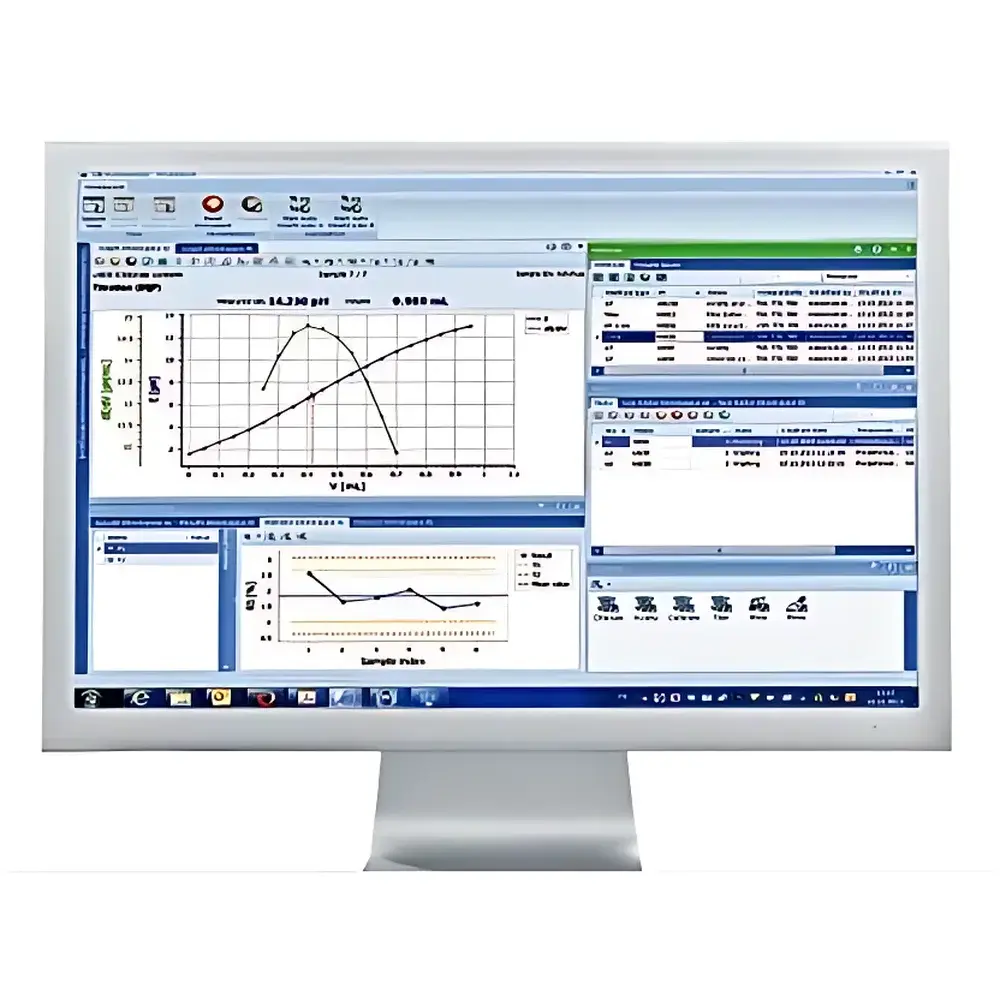
Training materials and consulting outputs integrate seamlessly with METTLER TOLEDO’s software ecosystem: LabX® for centralized data governance, AutoCAL™ for automated calibration scheduling, and the Service Portal for digital service history tracking. Trainee progress, assessment scores, and certificate issuance are logged within the system with full audit trail functionality—including user ID, timestamp, IP address, and action type—to satisfy ALCOA+ principles (Attributable, Legible, Contemporaneous, Original, Accurate, Complete, Consistent, Enduring, Available). Electronic certificates carry QR-coded verification links accessible to internal QA or external auditors.
Applications
- Accelerating onboarding of new analysts in GLP-compliant testing laboratories
- Supporting PQ execution for balance installations in sterile manufacturing suites
- Optimizing calibration frequency based on historical performance data and risk assessment (per ISO/IEC 17025:2017 clause 7.8.6)
- Resolving recurring drift issues in in-process weighing systems via root cause analysis workshops
- Implementing data integrity controls for electronic records generated during titration or pH monitoring
- Designing metrological traceability chains for multi-site operations across APAC, EMEA, and Americas regions
FAQ
Are training certificates recognized by accreditation bodies such as A2LA or UKAS?
Yes—certificates issued upon successful completion include trainer accreditation details, syllabus alignment statements, and reference to relevant clauses in ISO/IEC 17025 and ILAC-G13.
Can training be delivered onsite at our facility under current travel restrictions?
Hybrid delivery models are available: remote instructor-led sessions with live instrument sharing, plus optional on-site practical assessments once local health guidelines permit.
Do consulting engagements include follow-up support after project closure?
All engagements include a 30-day post-delivery review window with documented action items and optional quarterly health checks.
Is RapidCal™ training compatible with non-METTLER TOLEDO load cells?
The methodology is vendor-agnostic; however, hands-on exercises require METTLER TOLEDO instrumentation due to proprietary communication protocols and firmware-level diagnostics.
How is data privacy maintained during digital training participation?
All platforms comply with ISO/IEC 27001-certified information security management systems; no raw operational data from client instruments is collected or stored during training sessions.
Related Products