
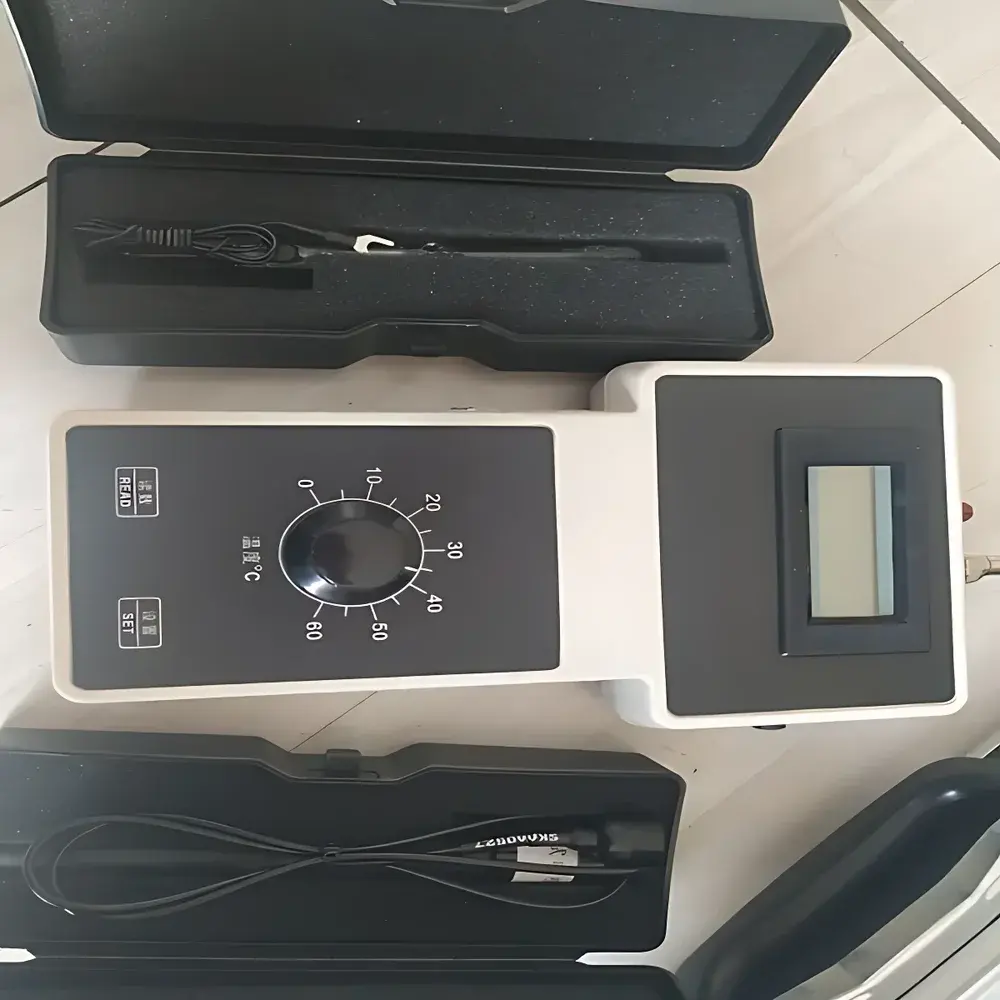
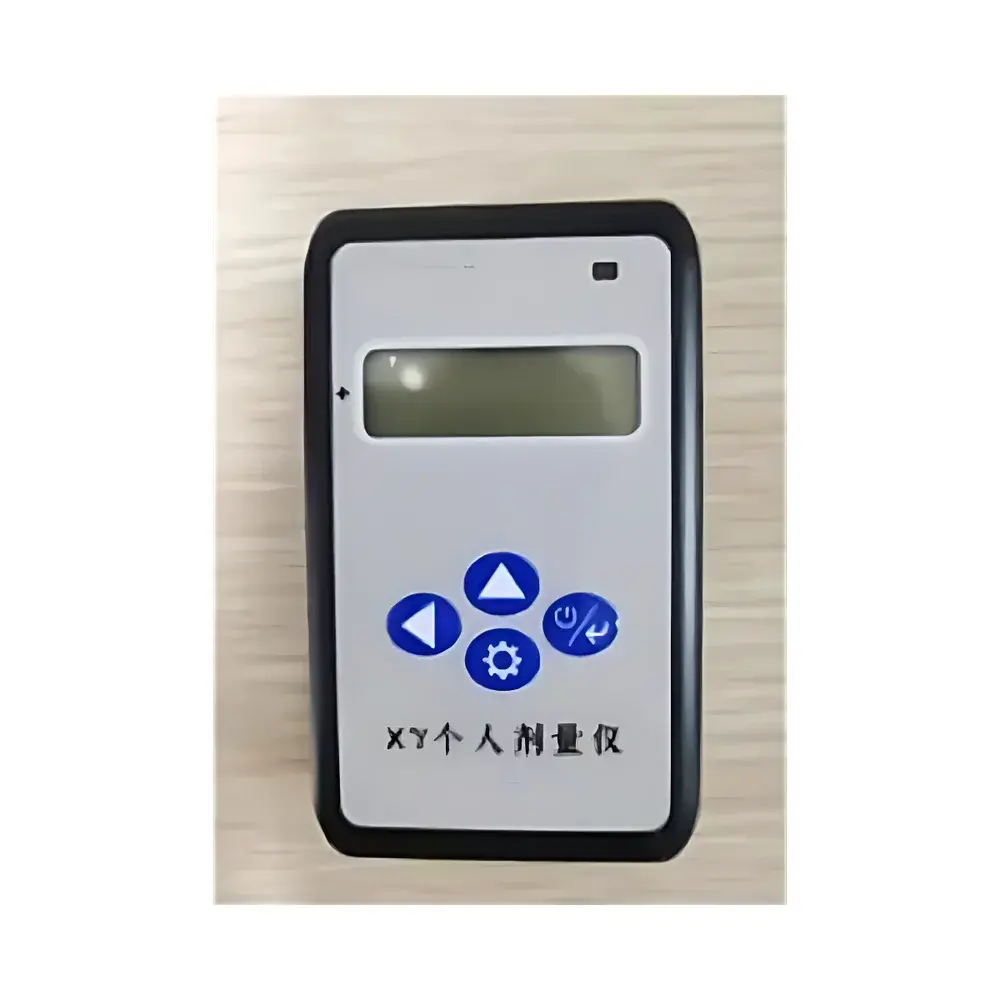
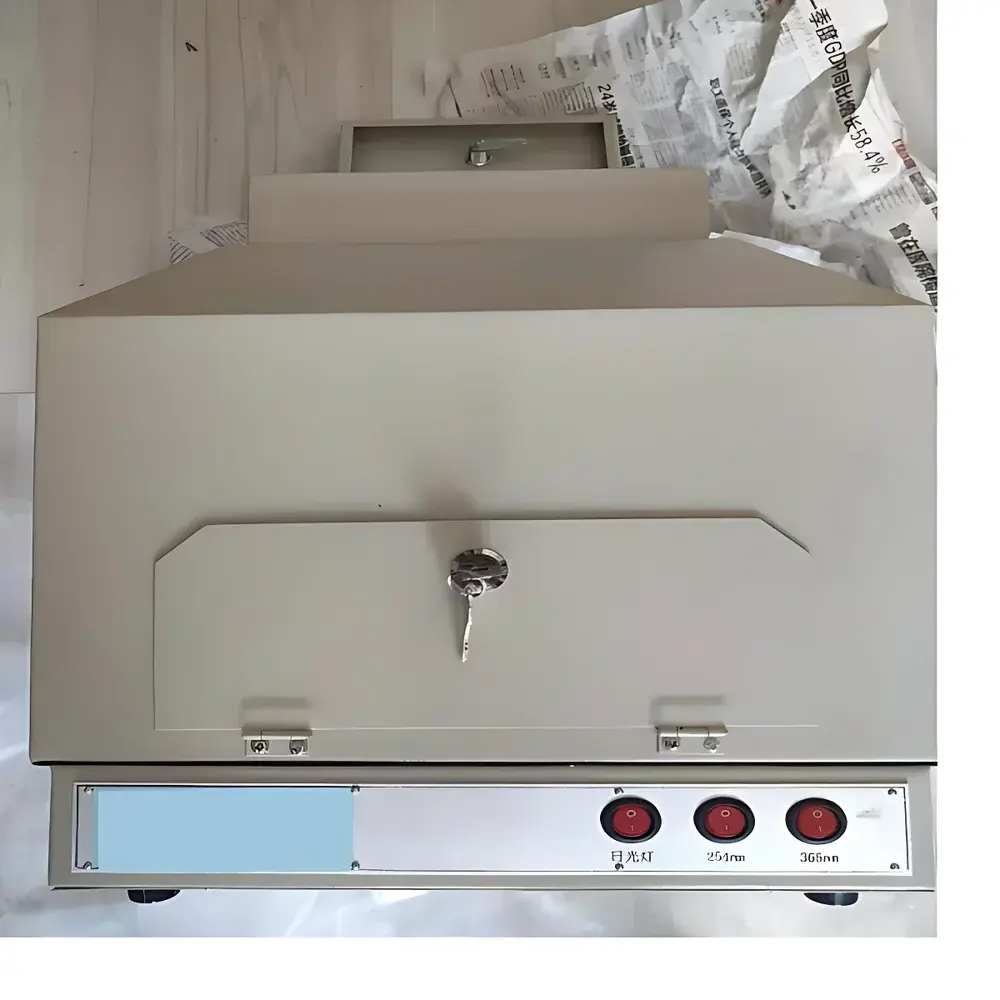
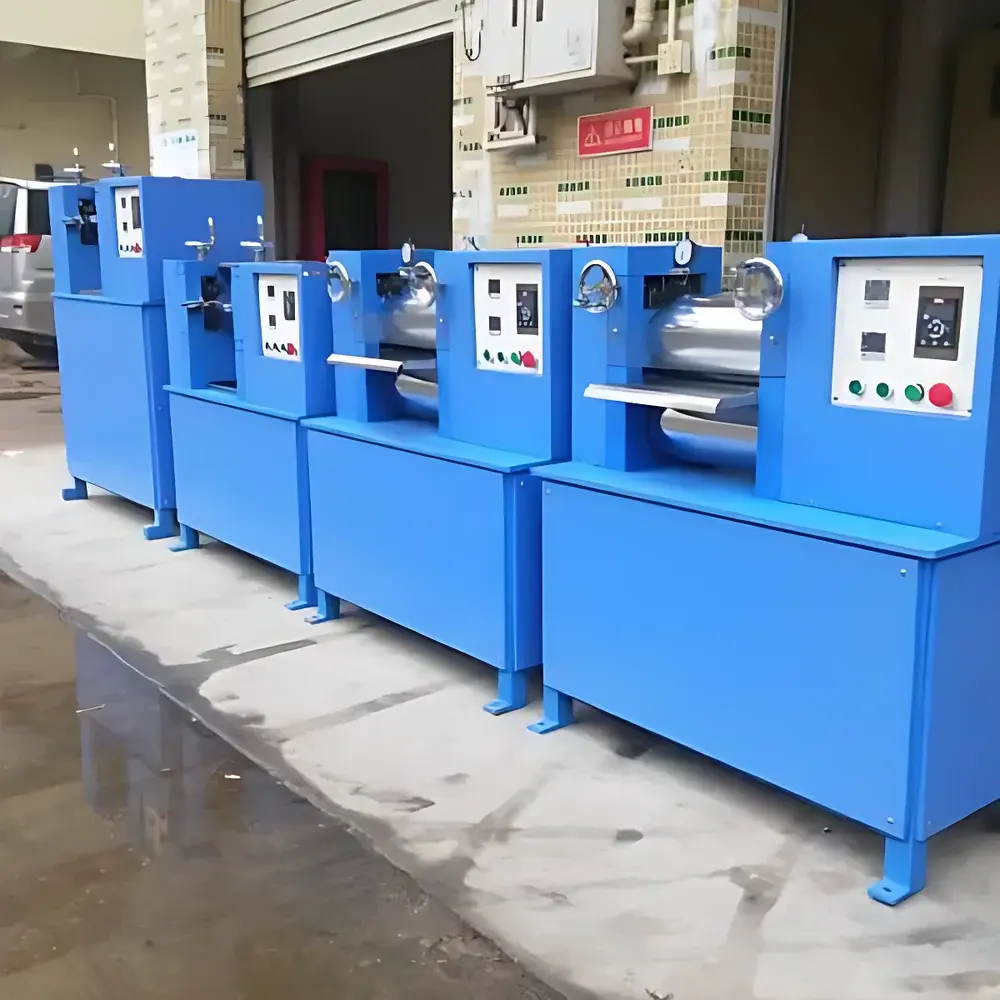
HengaoDe HAD-17903 Portable Water Hardness Analyzer (Ca²⁺/Mg²⁺ Total Concentration) | HAD-G16A χ/γ Personal Dosimeter | HAD-FS61 UV/Visible Thin-Layer Chromatography Imaging System | HAD-20T Laboratory-Scale Heated Roll Press for Lithium-Ion Electrode Fabrication | HAD-36S Color LCD Tri-Gas Detector (CO/CO₂/VOC)
| Brand | HengaoDe |
|---|---|
| Origin | Beijing, China |
| Manufacturer Type | Authorized Distributor |
| Product Category | Domestic |
| Model | HAD-17903 / HAD-G16A / HAD-FS61 / HAD-20T / HAD-36S |
| Price | USD 92.50 (based on ¥650 at 1:7.03 exchange rate) |
Overview
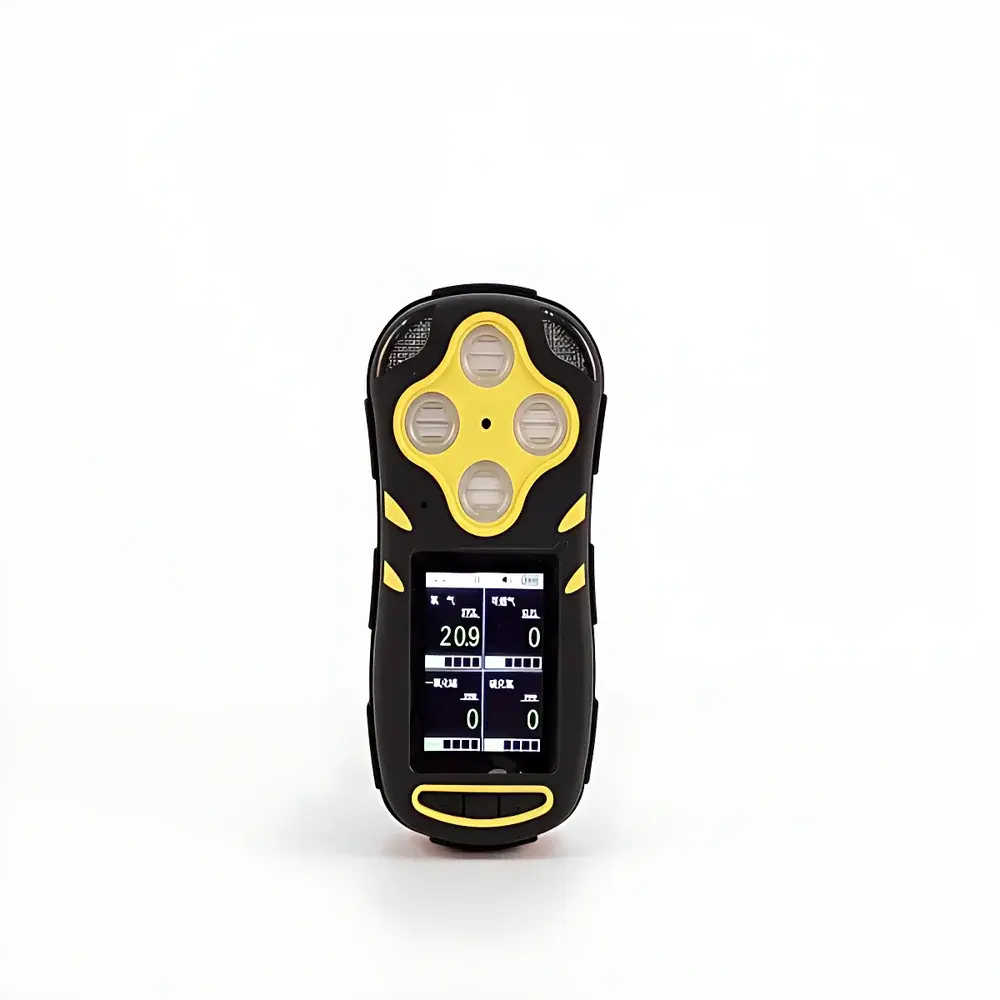
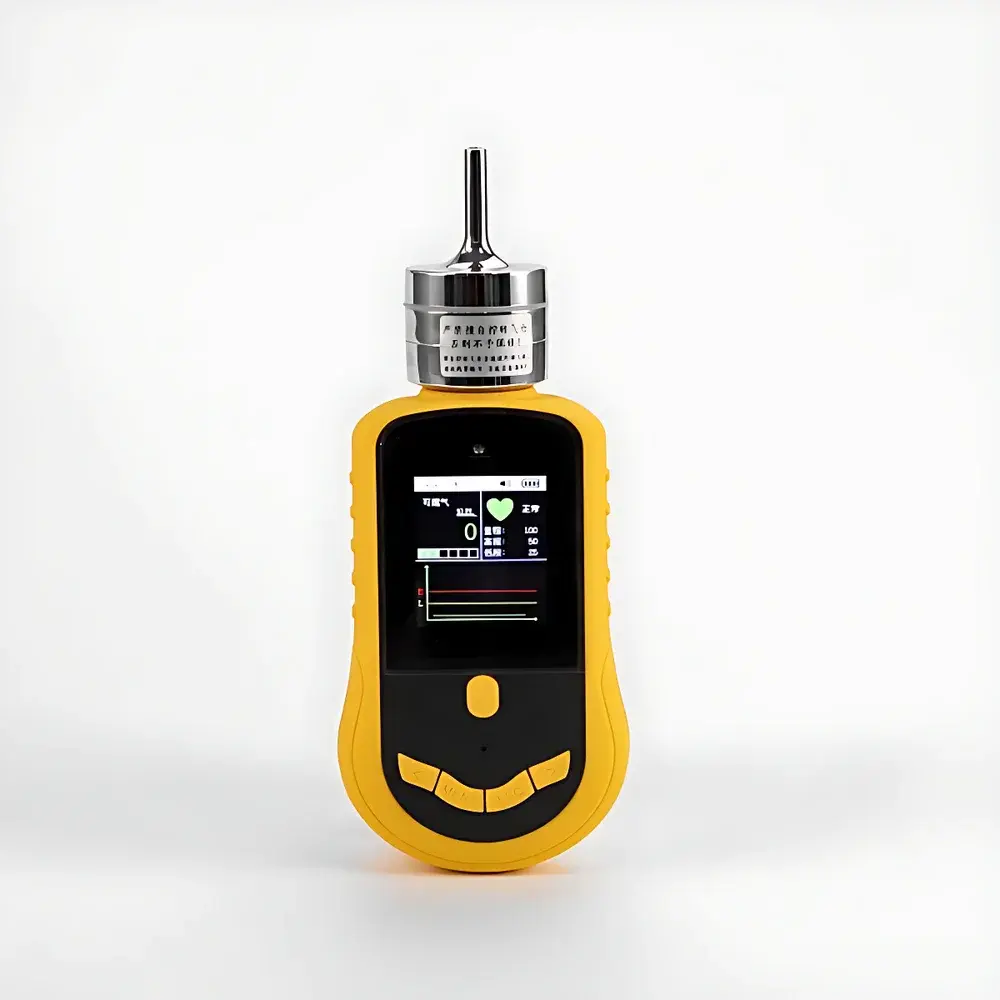
This integrated product suite comprises five independently certified scientific instruments designed for routine laboratory, industrial QC, and field-deployable measurement tasks. The HAD-17903 is an electrochemical water hardness analyzer quantifying total Ca²⁺/Mg²⁺ concentration via potentiometric ion-selective electrode (ISE) methodology—functionally equivalent to standardized EDTA titration per ISO 6059 and ASTM D1126. The HAD-G16A and HAD-H165430 are GM tube–based personal dosimeters compliant with GB/T 13161–2015 for Hp(10) monitoring under photon fields (30 keV–3 MeV), featuring energy-compensated detection and real-time dose accumulation. The HAD-FS61 is a dedicated thin-layer chromatography (TLC) imaging system equipped with dual-wavelength UV lamps (254 nm and 365 nm), visible white light, and high-transmission optical filters optimized for fluorescence visualization and quenching analysis. The HAD-20T is a precision heated roll press engineered for electrode calendering in lithium-ion battery R&D, incorporating independent dual-zone thermal control, hardened steel rollers (HRC62), and mechanical gap adjustment. Finally, the HAD-36S is a diffusion-mode tri-gas detector validated for CO (0–1000 ppm), CO₂ (0–5000 ppm), and VOC (0–100 ppm) using electrochemical and NDIR sensing principles, meeting IEC 61010-1 safety requirements and supporting GLP-compliant data logging.
Key Features
- HAD-17903: Microprocessor-controlled ISE platform with auto-ranging, three-point calibration (B1/B2/B3 standards), 0.1 mg/L resolution, ±5% FS accuracy, and built-in rechargeable power supply.
- HAD-G16A & HAD-H165430: Dual-alarm logic (dose rate + cumulative dose), <10 s alarm latency, ±15–25% intrinsic error envelope per GB/T 13161–2015, and 500-hour battery life at 25°C.
- HAD-FS61: Dual 6 W UV lamps (254/365 nm), 2 × 6 W daylight lamps, 50 × 200 mm UV-transmissive filters (≥68% @254 nm; ≥86% @365 nm), compact benchtop footprint, and compatibility with external digital cameras for image capture and annotation.
- HAD-20T: 20-ton hydraulic pressure capacity, Φ150 × 200 mm hardened steel rollers (cylindricity ≤ ±2 µm), independent 200°C dual-zone heating, 0–3 mm adjustable gap, and 0–4.0 m/min variable line speed.
- HAD-36S: Full-color LCD interface, simultaneous real-time display of gas concentrations, 26-record internal memory, self-diagnostic boot sequence, and IP65-rated housing with ergonomic anti-slip overmolding.
Sample Compatibility & Compliance
The HAD-17903 accepts aqueous samples with TDS < 1000 mg/L and pH 5.0–9.0, suitable for municipal water, boiler feedwater, and process cooling loops. The HAD-G16A and HAD-H165430 meet national radiation protection requirements for occupational monitoring in nuclear medicine, radiopharmacy, and industrial radiography environments. The HAD-FS61 accommodates standard TLC plates (e.g., silica gel 60 F254, aluminum-backed or glass-backed), enabling detection of aromatic compounds, alkaloids, and fluorescent dyes without solvent extraction. The HAD-20T processes electrode slurries on current collectors (Cu/Al foil, thickness 6–20 µm) and supports post-rolling density verification per ASTM D792. The HAD-36S operates within ambient conditions of 10–55°C and 5–90% RH (non-condensing), with sensor cross-sensitivity profiles documented per manufacturer’s technical note TN-36S-02.
Software & Data Management
All instruments support traceable data handling: the HAD-17903 stores calibration logs and measurement timestamps; the HAD-G16A and HAD-H165430 provide USB data export for dose history reconstruction; the HAD-FS61 enables JPEG/PNG image export via USB or direct PC tethering; the HAD-36S includes Windows-compatible analysis software for trend plotting, alarm event filtering, and CSV export compliant with 21 CFR Part 11 audit trail requirements. No cloud connectivity is implemented—data remains local unless manually transferred, preserving integrity in regulated environments.
Applications
- Water treatment plant operators use the HAD-17903 for rapid hardness verification pre- and post-softening.
- Radiation safety officers deploy the HAD-G16A during fluoroscopy suite audits and radioactive source handling.
- Pharmaceutical QC labs apply the HAD-FS61 for identity testing of APIs per USP .
- Battery material scientists utilize the HAD-20T to optimize solid-state electrolyte compaction and cathode porosity reduction.
- Industrial hygienists rely on the HAD-36S for confined-space entry screening in HVAC maintenance and semiconductor fab tool rooms.
FAQ
Does the HAD-17903 require buffer solutions for calibration?
Yes—three proprietary calibration standards (B1, B2, B3) are included for automated multi-point slope verification.
Can the HAD-20T accommodate non-standard roller diameters?
No—the system is mechanically fixed for Φ150 mm rollers; custom roller sets must be ordered separately under OEM agreement.
Is the HAD-FS61 compatible with UV-transparent glass plates?
Yes—both quartz and fused silica plates may be imaged; however, standard silica gel plates are recommended for optimal fluorescence yield.
What is the maximum allowable particulate load for the HAD-36S diffusion inlet?
Operation is guaranteed only below 10 mg/m³ total suspended particulates; use of optional particulate filter (P/N FIL-36S-01) is advised in dusty environments.
Does the HAD-G16A support dose rate averaging over user-defined intervals?
No—it reports instantaneous Hp(10) rate and cumulative sum only; time-weighted averaging requires external software processing of exported logs.




