
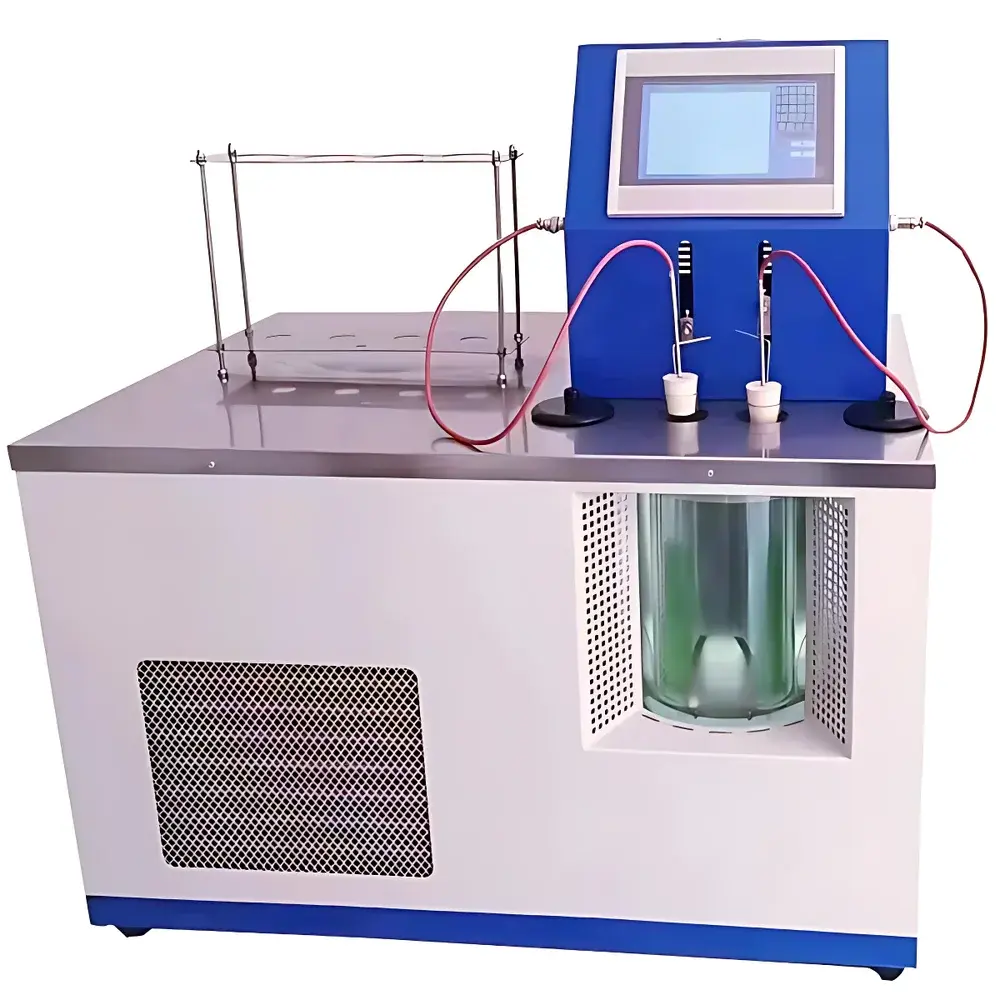
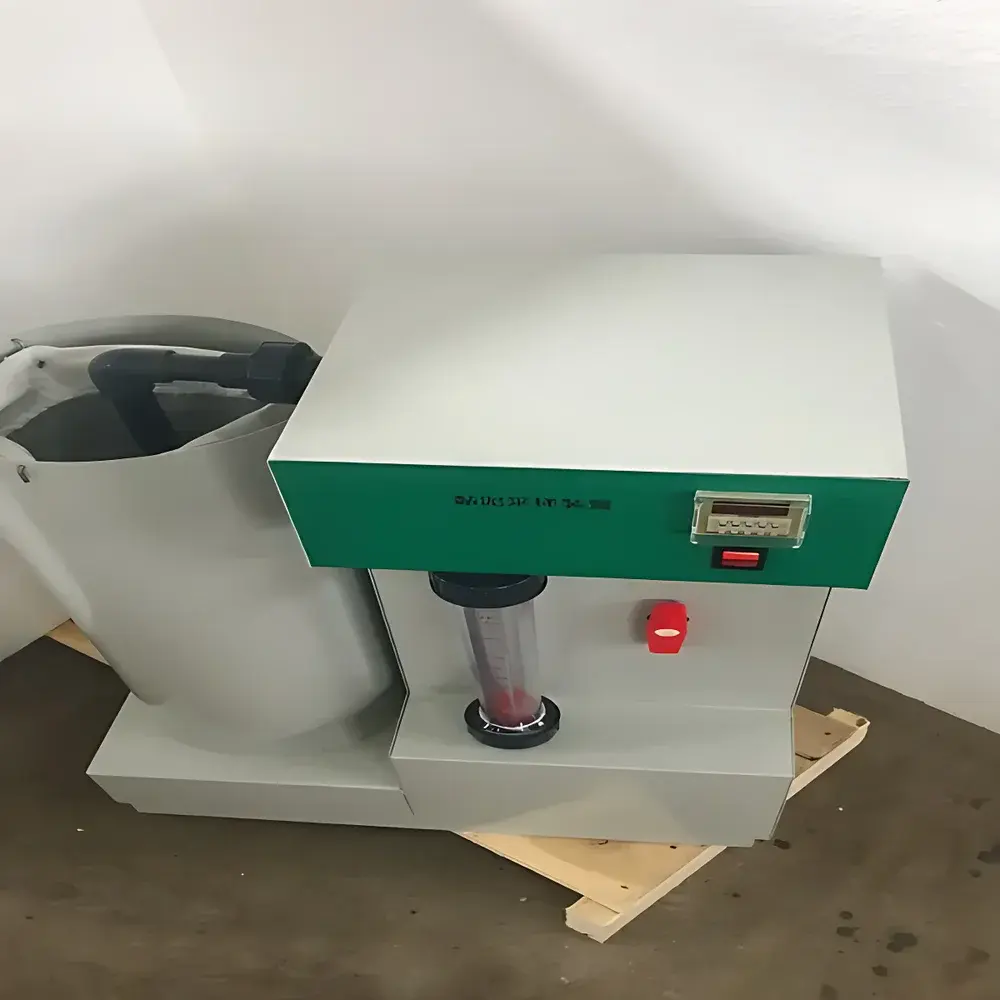
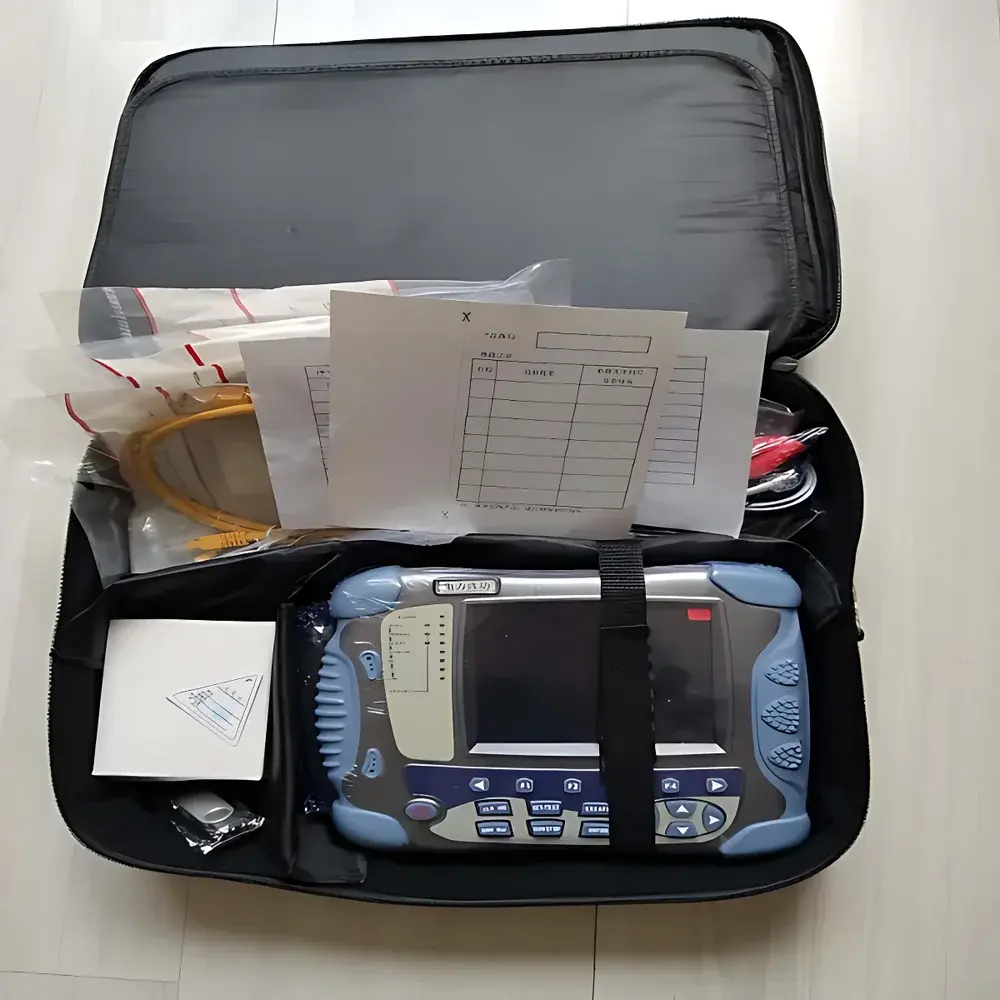
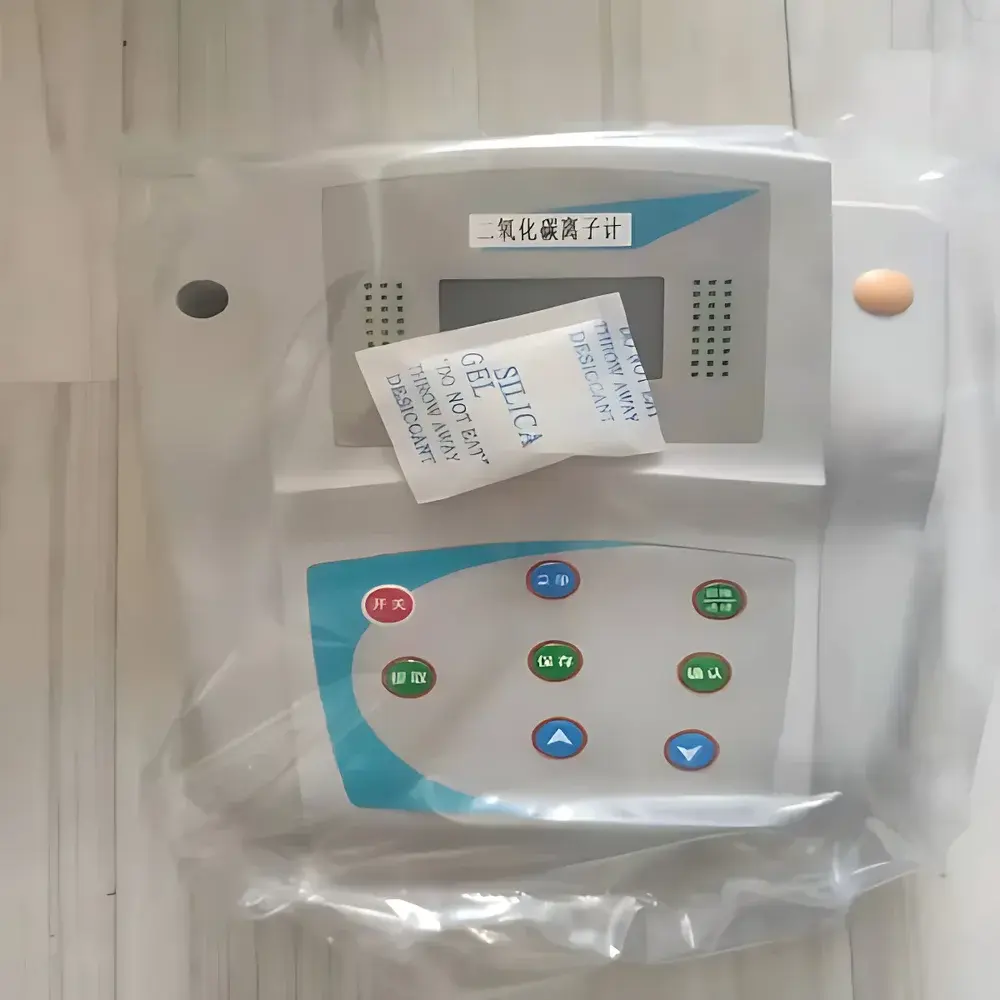
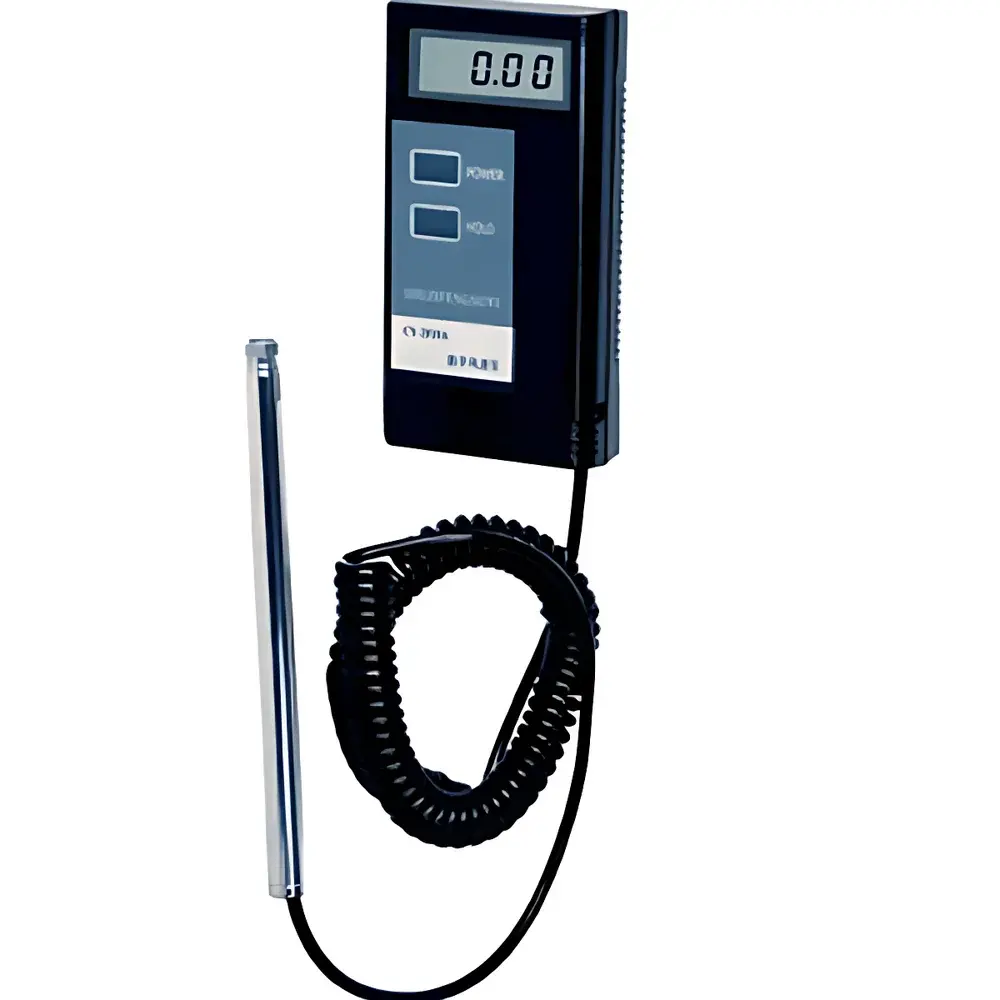
HengaoDe HAD-0090A Automatic Engine Coolant Freezing Point Analyzer
| Brand | HengaoDe |
|---|---|
| Origin | Beijing, China |
| Manufacturer Type | Authorized Distributor |
| Country of Origin | China |
| Model | HAD-0090A |
| Price | USD 135 (FOB) |
| Standard Compliance | SH/T 0090-91, GB/T 2430-2008, ASTM D1177 |
| Cooling Range | −75 °C to +20 °C |
| Temperature Display Resolution | 0.1 °C |
| Repeatability | ±0.1 °C |
| Stirring Speed | 60 rpm |
| Sample Capacity | 1 test position |
| Power Supply | AC 220 V ±10%, 50 Hz |
| Heating Power | 600 W |
| Refrigeration Power | 800 W |
| Touchscreen | 7-inch true-color capacitive display |
| Data Storage | 10,000 test records (circular buffer) |
| Printer | Integrated thermal printer |
| Dimensions (W×D×H) | 740 × 490 × 710 mm |
| Net Weight | 60 kg |
| Ambient Operating Conditions | 10–25 °C, ≤85% RH |
Overview
The HengaoDe HAD-0090A Automatic Engine Coolant Freezing Point Analyzer is an ASTM D1177- and SH/T 0090-91-compliant benchtop instrument engineered for precise, repeatable determination of the freezing point of ethylene glycol– and propylene glycol–based engine coolants and their concentrated formulations. It operates on the principle of dynamic freezing point depression measurement: a sample is cooled under controlled conditions while continuously stirred; nucleation onset and subsequent ice crystal formation are detected via high-accuracy dual-sensor temperature monitoring (sample bath and specimen probe). The system identifies the thermodynamic inflection point—where latent heat release stabilizes the temperature during phase transition—and reports the freezing point with traceable resolution of 0.1 °C. Designed for QC laboratories in automotive OEMs, coolant formulation facilities, and third-party testing service providers, the analyzer delivers metrologically sound results without operator-dependent interpretation.
Key Features
- Integrated cascade refrigeration system using environmentally compliant refrigerants, enabling rapid cooling to −75 °C with stable thermal control across the full operating range.
- Dual high-stability platinum resistance temperature sensors (PRTs), one immersed directly in the sample and one in the cooling bath, ensure synchronized, drift-compensated thermal profiling.
- Mechanical stirring mechanism with precision-machined eccentric cam and sealed ball bearings—engineered for low acoustic emission (10,000 cycles).
- 7-inch industrial-grade capacitive touchscreen interface with real-time graphical overlay of sample temperature vs. time, bath temperature, and stirring status.
- Automated workflow: one-touch initiation triggers sequential cooling, agitation, nucleation detection, result calculation, data logging, and thermal printer output—all without manual intervention.
- Stainless-steel insulated lid and vacuum-jacketed Dewar vessel with integrated forced-air anti-frost system, eliminating condensation and enabling unobstructed visual observation of crystallization behavior.
- Comprehensive data integrity architecture: timestamped records include operator ID (optional), ambient conditions, calibration status, and raw thermal curves—exportable via USB for audit-ready reporting.
Sample Compatibility & Compliance
The HAD-0090A accepts aqueous glycol solutions ranging from neat concentrates (up to 100% EG/PG) to diluted service-life samples (≥10% volume fraction). It accommodates standard 20 mL glass vials per test cycle and supports both automatic and manual override modes for method validation or troubleshooting. Regulatory alignment includes full traceability to ASTM D1177 (Standard Test Method for Freezing Point of Engine Coolants), SH/T 0090-91 (Chinese national standard for coolant freezing point), and GB/T 2430-2008 (aviation fuel freezing point methodology, adapted for coolant matrix compatibility). Instrument performance meets GLP requirements for data audit trails, electronic signature support (via optional software module), and 21 CFR Part 11–compliant user access controls when deployed in regulated manufacturing environments.
Software & Data Management
Embedded firmware provides local storage of up to 10,000 test records in a non-volatile circular buffer, each containing date/time stamp, sample ID, measured freezing point, thermal curve metadata, and pass/fail flags against configurable specification limits. Data export is supported via USB mass-storage mode (CSV format) compatible with LIMS platforms and Excel-based statistical process control (SPC) tools. Optional PC software (HAD-DataLink v3.2) enables remote instrument configuration, multi-unit fleet monitoring, SPC chart generation (X̄/R charts), and automated report generation compliant with ISO/IEC 17025 documentation requirements. All stored data retain immutable timestamps and checksum verification to satisfy internal QA audits and external accreditation reviews.
Applications
This analyzer serves critical roles in coolant formulation R&D (e.g., optimizing glycol/water ratios and additive packages), incoming raw material inspection at Tier-1 suppliers, in-process quality verification during bulk blending, and end-of-life fluid analysis in fleet maintenance centers. Its reproducibility (±0.1 °C) supports ASTM D1177’s requirement for inter-laboratory comparability, making it suitable for referee testing in disputes over coolant specification compliance. Additional use cases include freeze protection validation for electric vehicle battery thermal management fluids and corrosion inhibitor efficacy screening under sub-zero thermal stress conditions.
FAQ
Does the HAD-0090A comply with ISO/IEC 17025 requirements for accredited testing laboratories?
Yes—the instrument’s documented uncertainty budget, traceable calibration certificate (NIST-traceable PRTs), and audit-ready data export features support implementation within ISO/IEC 17025 quality management systems.
Can the analyzer be used for antifreeze solutions other than ethylene glycol?
It is validated for propylene glycol–based coolants and glycerol-containing formulations; however, viscosity-dependent crystallization kinetics may require method adaptation per ASTM D1177 Annex A1.
Is external calibration required before first use?
A factory calibration certificate is supplied; users must perform initial verification using certified reference standards (e.g., NIST SRM 7461a) prior to routine operation.
What maintenance intervals are recommended for the refrigeration system?
No scheduled refrigerant servicing is required; annual inspection of condenser coils and fan operation is advised per the maintenance log included in the operator manual.
How is data integrity ensured during power interruption?
The embedded controller uses write-protected EEPROM for critical parameters and implements graceful shutdown protocols that preserve partial test data even during unexpected AC loss.






