
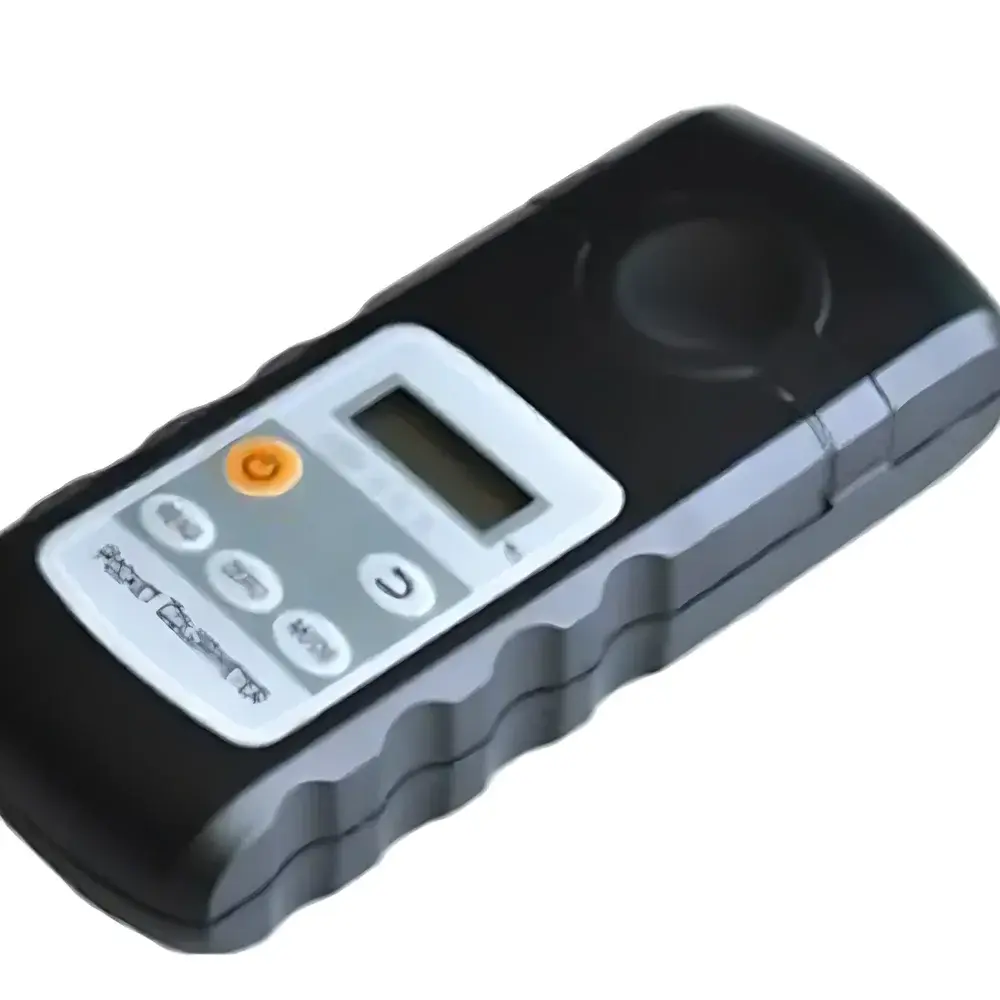
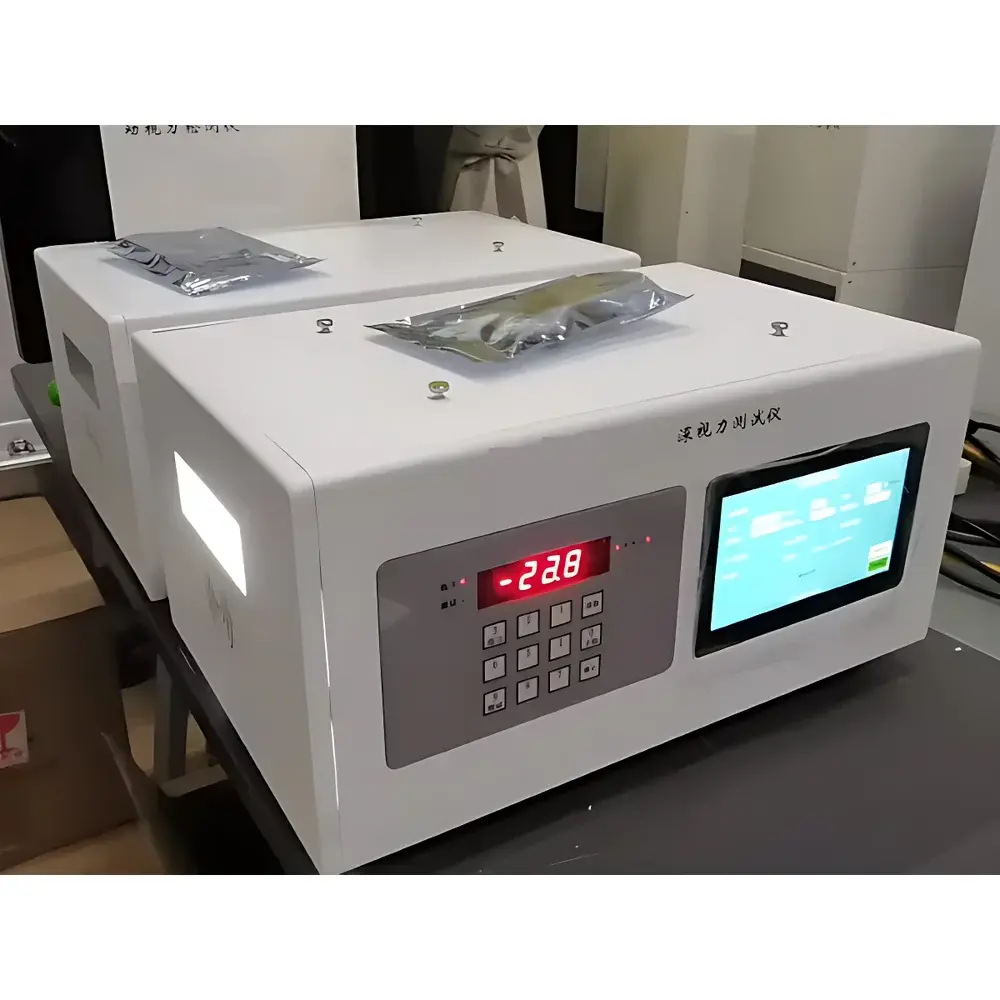
HengaoDe HAD-LC1 Multi-Function Industry-Specific Instrument Suite: Glass Frit Vacuum Filter, Soil Oxygen Sensor, Bacterial Turbidity Meter, RS485 Smart Meter Communication Tester, Ozone Analyzer (Indigo Method), Carbonate Ion Analyzer, Depth Perception Tester, Industrial Dust Monitor, VOC Detector, and Nephelometric Turbidimeter
| Brand | HengaoDe |
|---|---|
| Origin | Beijing, China |
| Manufacturer Type | Authorized Distributor |
| Product Origin | Domestic (China) |
| Model | HAD-LC1 Series |
| Price | USD 28.50 (FOB) |
| Compliance | ASTM D1976, ISO 7027, USP <643>, GB/T 5750.11-2006, DL/T 645-2007, Q/GDW 376.x, TB/T 3091-2019, GBZ 188-2014 |
Overview
The HengaoDe HAD-LC1 Series is a modular suite of calibrated, field-deployable instruments engineered for cross-sectoral technical validation in power infrastructure, environmental monitoring, microbiology laboratories, industrial hygiene, and soil biogeochemistry research. Unlike generic benchtop tools, each module operates on a domain-specific measurement principle validated against international reference standards: the glass frit vacuum filter employs controlled-pressure filtration per ASTM D1976; the soil oxygen sensor utilizes galvanic electrochemical detection with gas-permeable membrane isolation; the bacterial turbidity meter implements calibrated nephelometry traceable to McFarland Standard suspensions (ISO 8420); the RS485 communication tester executes protocol-level conformance verification against DL/T 645 and Q/GDW 376.x; the ozone analyzer applies the indigo trisulfonate spectrophotometric method per GB/T 5750.11-2006; the carbonate analyzer integrates potentiometric ion-selective electrode (ISE) measurement with automatic temperature compensation; the depth perception tester adheres to the three-rod psychophysical paradigm defined in TB/T 3091-2019; the dust monitor uses AC-coupled electrostatic induction for real-time mass concentration estimation; the VOC detector incorporates a 10.6 eV PID sensor with flow-controlled aspiration; and the turbidimeter follows ISO 7027-compliant 90° scattered light detection. All units are designed for interoperability in GLP-compliant workflows and support audit-ready data capture.
Key Features
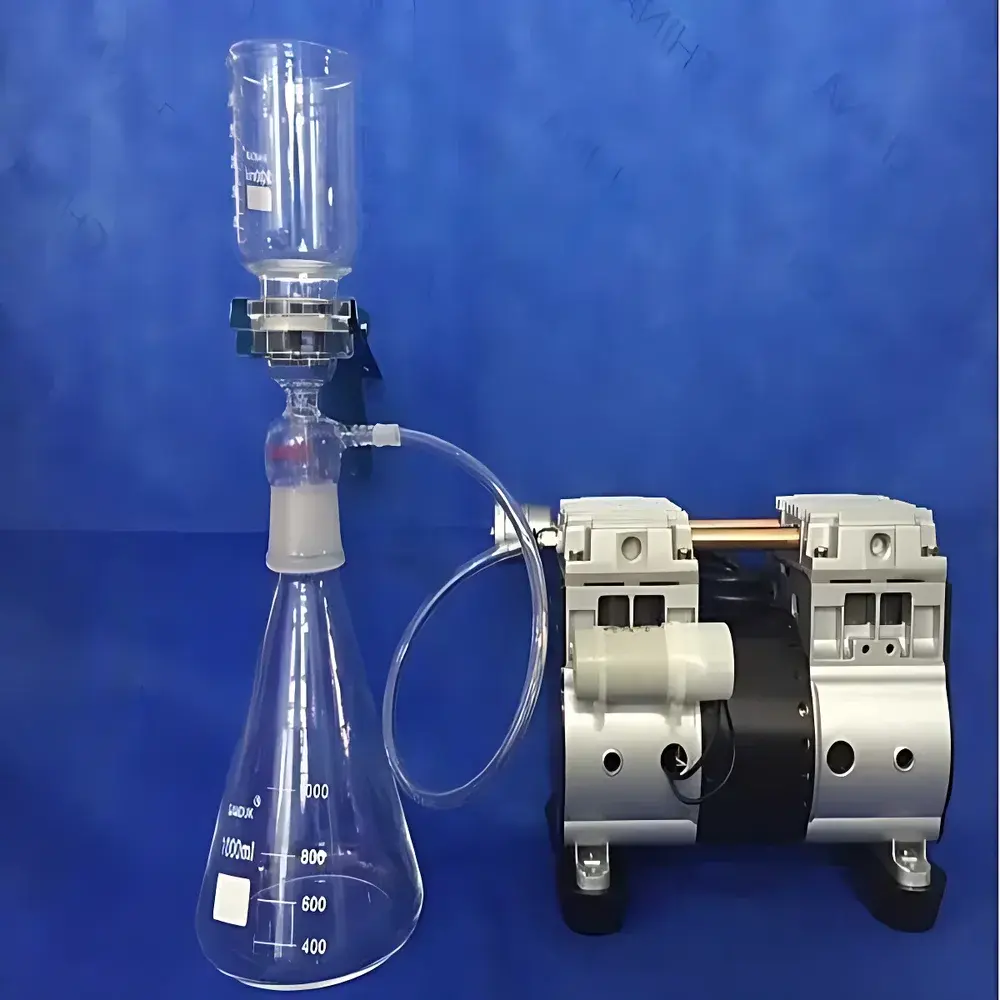
- Glass frit vacuum filtration system: 400 mL capacity borosilicate glass assembly with engraved volumetric刻度, autoclavable (121°C, 20 min), acid/alkali resistant, compatible with 50 mm diameter membranes (custom sizes available)
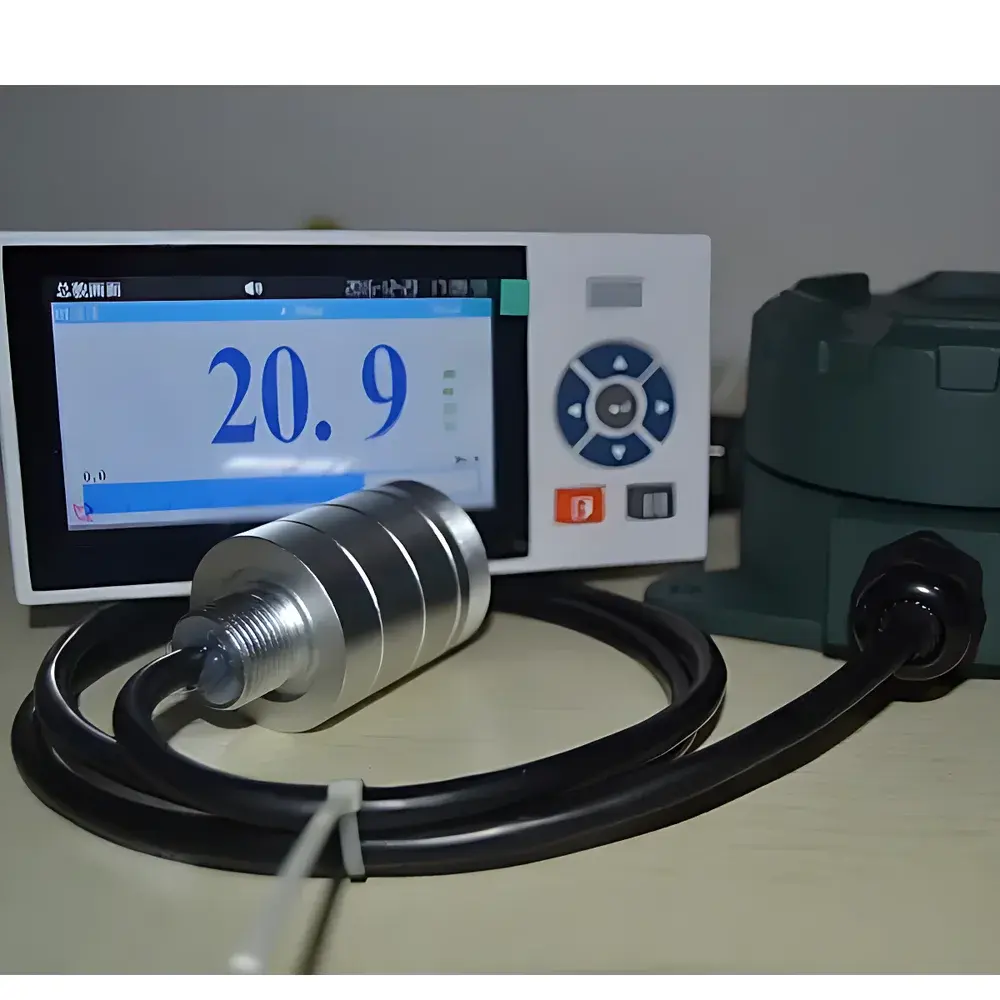
- Soil oxygen sensor (HAD-D4OR): Fully potted epoxy electronics, stainless steel protective sleeve, sintered stainless mesh filter, removable O₂ sensing element, 0–30% vol range (extendable to 0–100%), ±0.1% vol accuracy, -10 to 50°C operational envelope
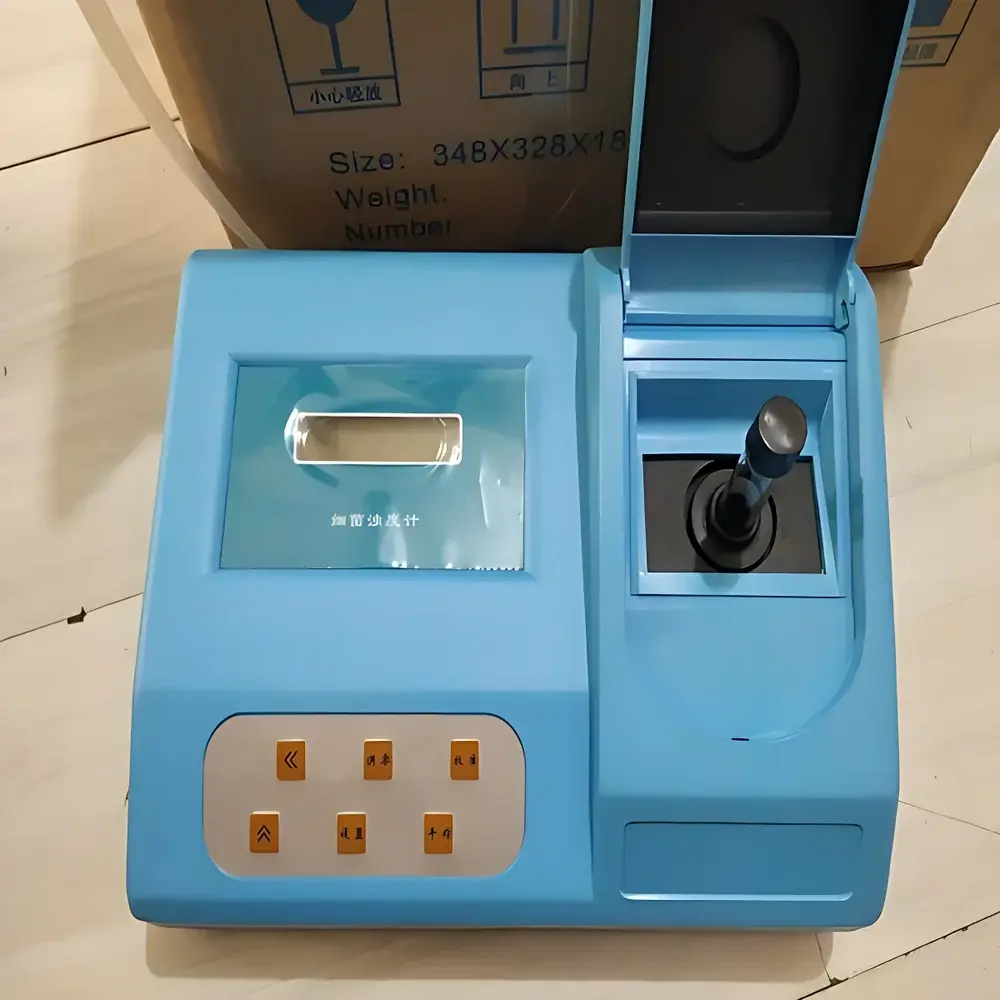
- Bacterial turbidity meter (McFarland scale): Dual-range auto-ranging (0–1.00 / 0–6.00 MCF), 0.01 MCF resolution, ≤3.0% F.S. linearity error, supports 13/18/22/25 mm cuvettes (specify at order)
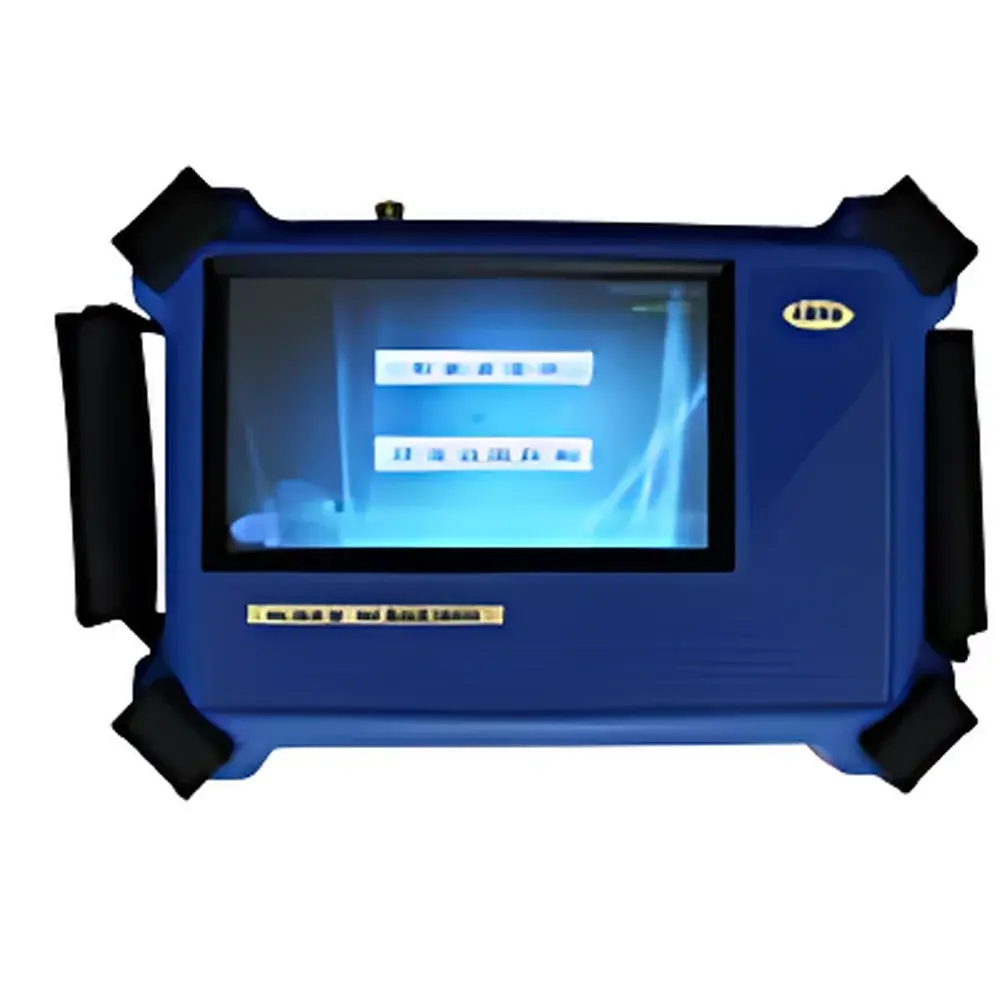
- RS485 smart meter communication tester (HAD-380A): Protocol stack compliant with DL/T 645-2007, Q/GDW 376.1/376.2, and regional utility specifications; 32 MB internal storage; dual RS485/RS232/RJ45/USB interfaces; SIM-enabled remote data upload
- Ozone analyzer (HAD-031): Portable indigo colorimetric system, 0.01–0.50 mg/L O₃ range, ±3% ±0.01 mg/L accuracy, IP54 ingress protection, 160 × 62 × 30 mm footprint
- Carbonate ion analyzer (HAD-CSG): pCO₃ measurement (2.00–4.40), CO₃²⁻ concentration (1.75 mg/L–44 g/L), ±0.05 pCO₃ instrument error, 5.0–50.0°C automatic temperature compensation
- Depth perception tester (HAD-031A): Three-rod mechanical apparatus per TB/T 3091-2019, ±0.1 mm positional repeatability, 7″ capacitive touch display, 2 million record storage, thermal/A4 report printing
- Dust monitor (HAD-FC7): Real-time electrostatic induction principle, 0.1–1000 mg/m³ standard range (customizable up to 3000 mg/m³), IP65 enclosure, 4–20 mA analog output, visual/audible alarm interface
- VOC detector (HAD-VO2): Pump-suction PID sensor, 0–100 ppm range, 0.01 ppm resolution, ≤20 s T90 response, Exib IIB T4 Gb intrinsic safety rating, IP65 housing
- Nephelometric turbidimeter (HAD-GZ1A): 90° scattered light detection per ISO 7027, 0–200 NTU range, ±2.5% F.S. accuracy, zero drift <±0.8% F.S., 400 × 300 × 250 mm chassis
Sample Compatibility & Compliance
Each instrument module satisfies material compatibility and regulatory requirements for its target application domain. The glass frit filter accepts aqueous, organic, and mildly corrosive samples without leaching or adsorption artifacts. The soil oxygen sensor’s stainless steel housing and sintered filter ensure long-term deployment in saturated, clay-rich, or high-organic-matter soils while maintaining signal stability under cyclic hydration/dehydration. The bacterial turbidity meter accommodates standard microbiological suspension media (e.g., saline, PBS, broth) and aligns with CLSI M22-A3 guidelines for turbidity-based inoculum standardization. The RS485 tester validates meter firmware behavior across voltage fluctuations (±15% VAC), noise injection, and timing jitter scenarios defined in DL/T 645 Annex E. The ozone analyzer complies with EPA Method 334.0 for residual disinfectant quantification in potable water distribution systems. The carbonate analyzer meets ASTM D511-22 for alkalinity speciation in wastewater effluent. All electronic modules conform to IEC 61000-4 electromagnetic immunity standards and operate within specified humidity (10–95% RH, non-condensing) and thermal (-20°C to +60°C storage; -15°C to +45°C operational) envelopes.
Software & Data Management
The HAD-LC1 ecosystem supports both standalone operation and PC-integrated data governance. The RS485 tester runs a Windows-native application enabling protocol decoding, frame logging, and conformance reporting with timestamped audit trails—fully compliant with FDA 21 CFR Part 11 requirements for electronic records and signatures when deployed with optional digital certificate authentication. The depth perception tester stores raw positional timestamps, reaction latencies, and error vectors in encrypted binary format, exportable via USB or RJ45 as CSV/Excel for statistical analysis (e.g., ANOVA of inter-trial variance). The VOC detector and dust monitor support Modbus RTU over RS485 for integration into SCADA platforms, with configurable alarm thresholds and hysteresis logic. All instruments generating digital outputs provide UTC-synchronized timestamps, firmware version metadata, and sensor calibration expiry tracking. Internal memory retains ≥32 MB of time-stamped readings, and optional SD card expansion enables month-long unattended logging for environmental compliance reporting (e.g., OSHA PEL documentation or EU Directive 2004/108/EC EMC logs).
Applications
- Power utilities: Verification of smart meter communication integrity during AMI rollouts, terminal firmware validation, and GPRS/CDMA channel diagnostics per State Grid and CSG certification protocols
- Environmental labs: Monitoring soil O₂ dynamics in landfill biocover studies, ozone residuals in drinking water treatment, and airborne particulate mass concentrations near coal handling facilities
- Microbiology QA/QC: Standardizing bacterial inocula for antimicrobial susceptibility testing (AST), vaccine production, and sterility assurance per USP
- Industrial hygiene: Real-time VOC exposure assessment in paint spray booths, solvent recovery units, and pharmaceutical cleanrooms
- Water treatment plants: Low-range turbidity monitoring for filtered water quality control (ISO 9001 Clause 8.2.4), carbonate alkalinity titration support, and disinfection byproduct precursor tracking
- Railway & transport safety: Driver fitness-for-duty screening per GB 18463-2001, with automated pass/fail determination based on median depth perception error
FAQ
Are calibration certificates provided with each instrument?
Yes—NIST-traceable calibration reports (including uncertainty budgets) are included for all sensors requiring metrological validation (O₂, ozone, carbonate, turbidity, VOC). Certificate validity is 12 months from date of shipment.
Can the soil oxygen sensor be buried permanently?
The HAD-D4OR is rated for continuous burial up to 12 months in non-aggressive soils; however, periodic inspection of the sintered filter and recalibration every 6 months is recommended for critical applications.
Does the RS485 tester support custom protocol extensions?
Yes—the embedded test engine allows user-defined message templates and response validation rules via XML configuration files, enabling adaptation to proprietary utility protocols.
Is the carbonate analyzer compatible with high-TDS brines?
For samples >5000 µS/cm conductivity, dilution with deionized water and subsequent correction using the built-in mV-to-pCO₃ conversion algorithm is required to maintain accuracy.
What maintenance is required for the glass frit filter?
After each use, rinse thoroughly with deionized water; for proteinaceous or oily residues, soak in 10% nitric acid for 30 minutes followed by ultrasonic cleaning and autoclaving.





