
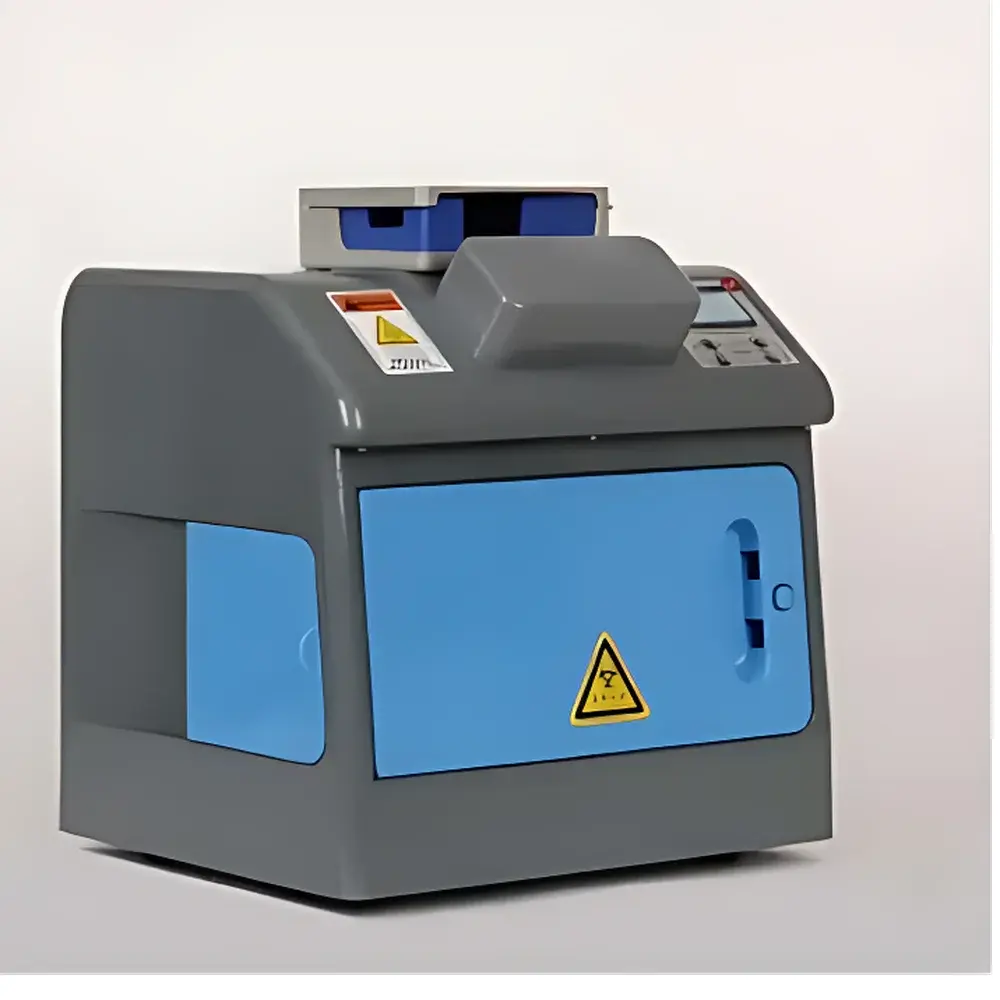
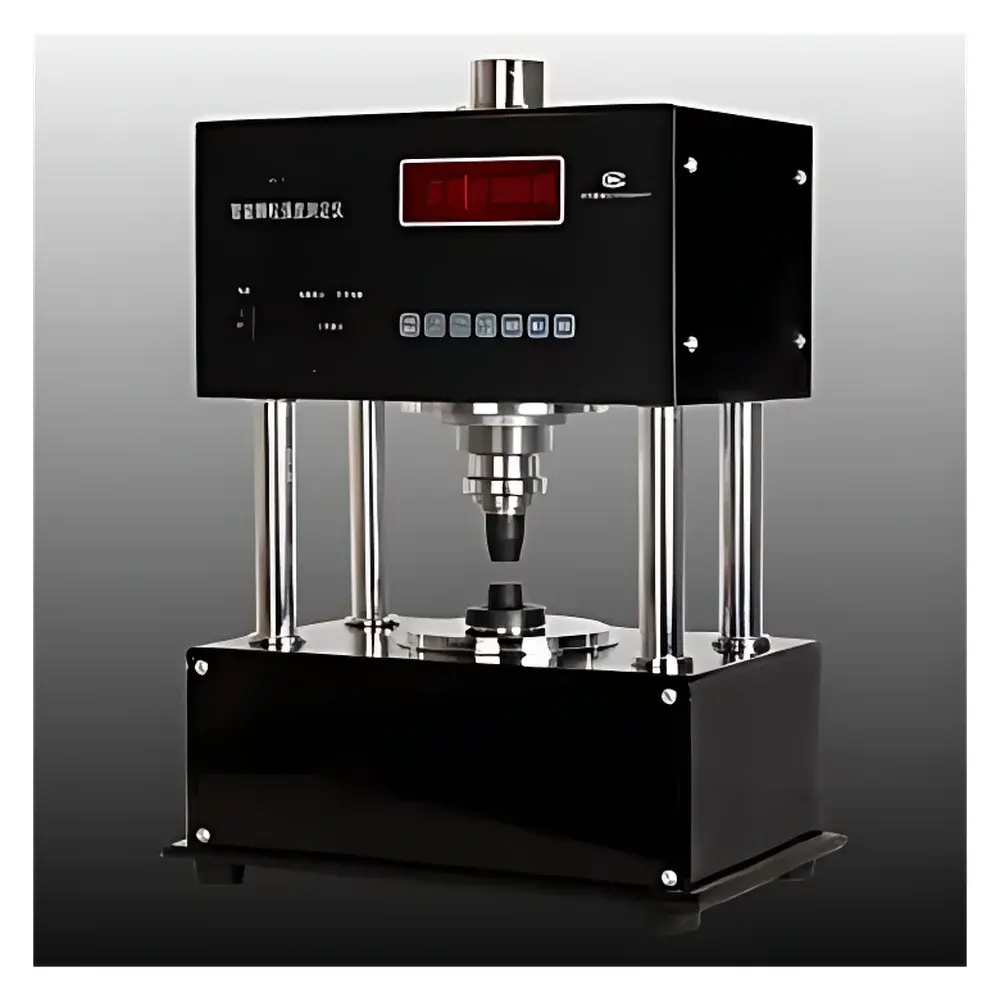
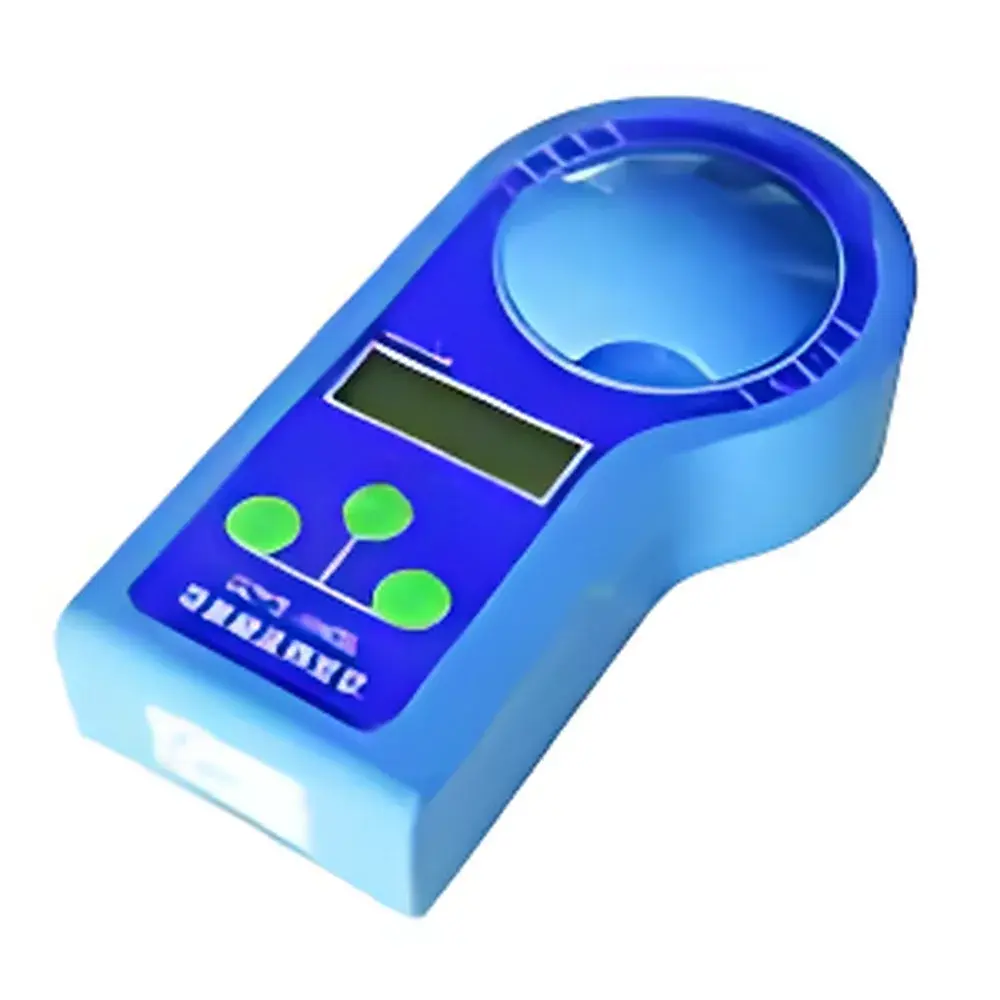
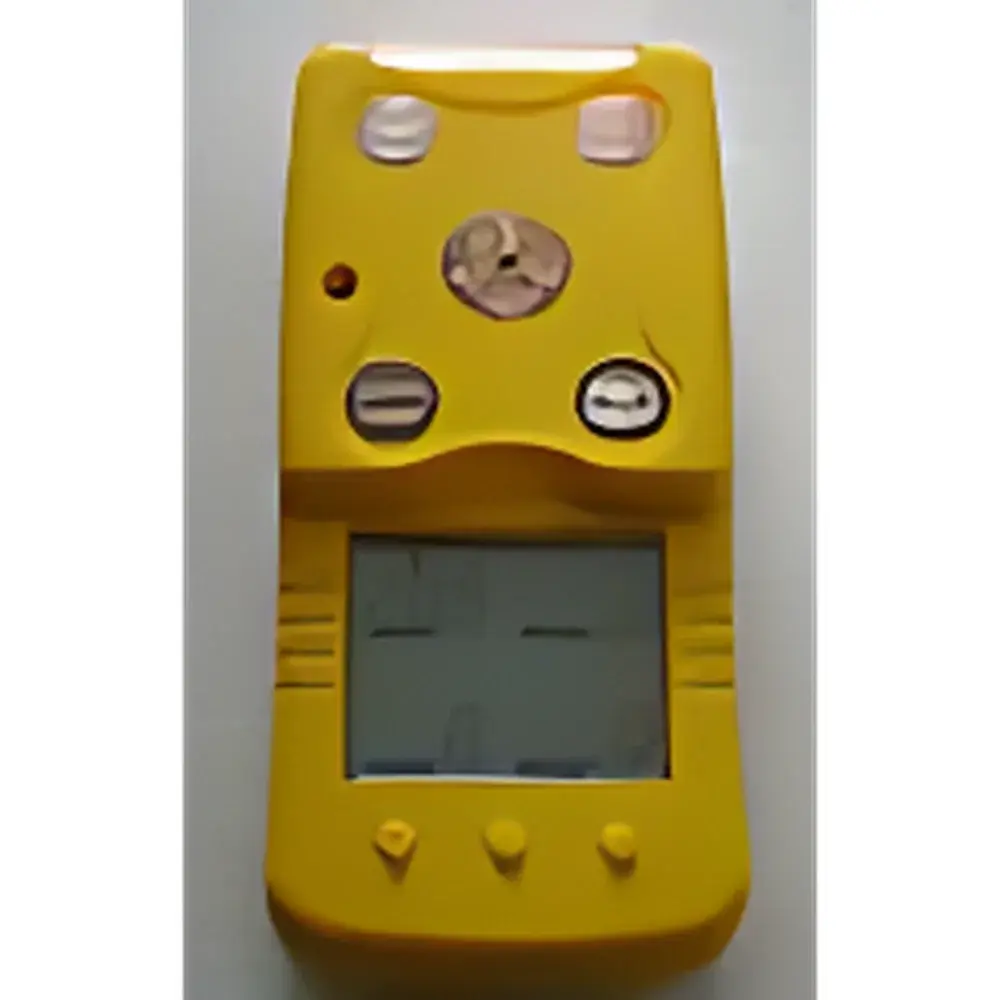
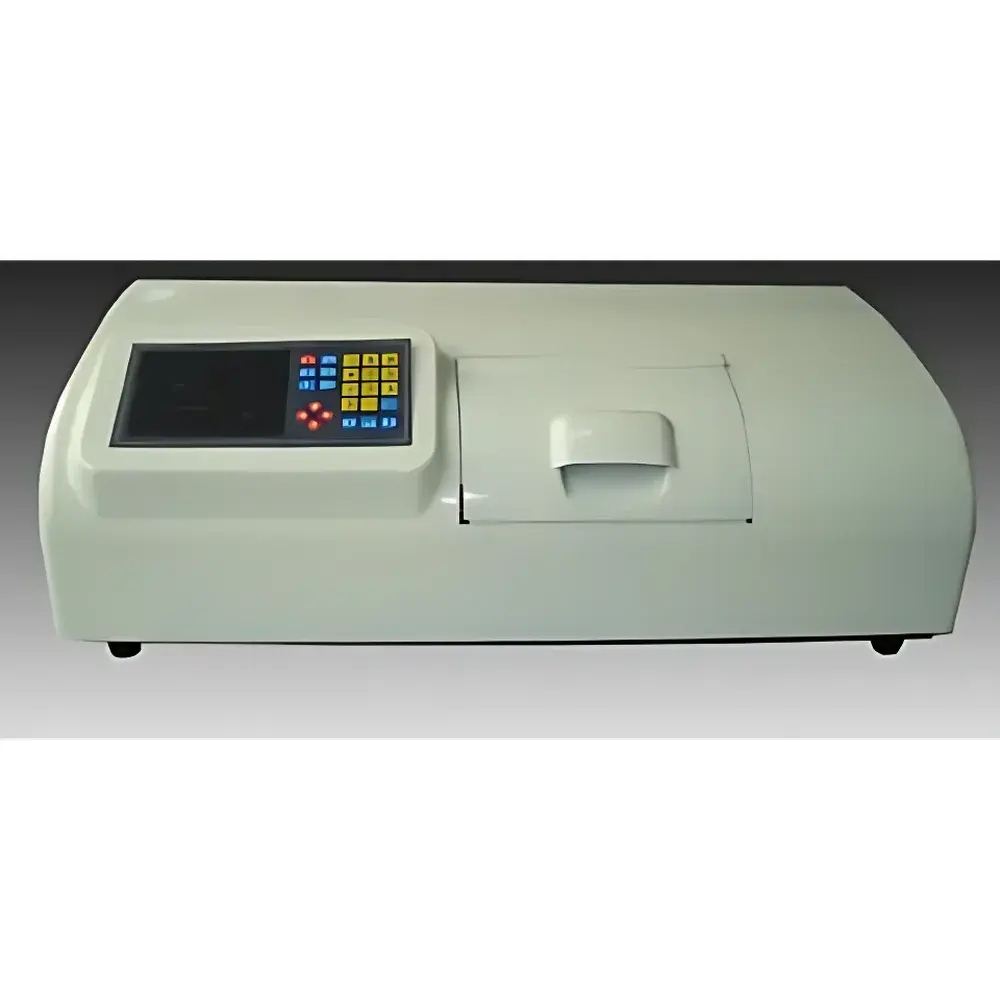
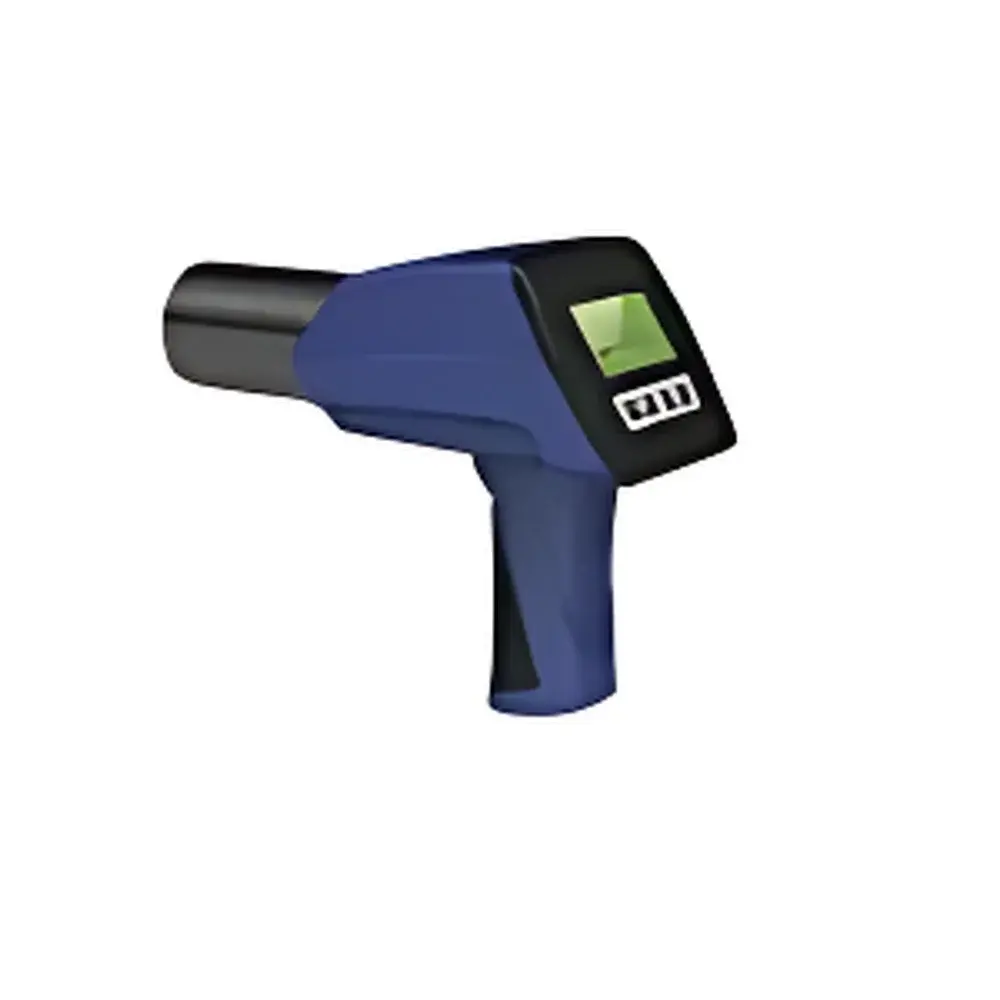
HengaoDe HAD-F7ND Portable UV Analysis Cabinet with Integrated Ozone Concentration Measurement
| Brand | HengaoDe |
|---|---|
| Origin | Beijing, China |
| Manufacturer Type | Authorized Distributor |
| Product Origin | Domestic (China) |
| Model | HAD-F7ND |
| Pricing | Upon Request |
Overview
The HengaoDe HAD-F7ND Portable UV Analysis Cabinet is a compact, multi-functional analytical instrument engineered for laboratory and field-based ultraviolet (UV) visualization, fluorescence inspection, and real-time ozone concentration monitoring. Unlike conventional UV transilluminators, the HAD-F7ND integrates three core capabilities within a single, shielded enclosure: (1) dual-wavelength UV irradiation (254 nm and 365 nm) for nucleic acid and protein gel documentation; (2) darkroom-grade light-tight operation to eliminate ambient interference during low-intensity fluorescence detection; and (3) an embedded electrochemical ozone sensor calibrated for continuous, in-situ measurement of ozone (O₃) gas concentration in the analysis chamber or ambient environment. The device operates on the principle of UV-induced fluorescence excitation and photometric ozone absorption—leveraging well-established Beer–Lambert relationships for quantitative ozone assessment at 254 nm. Its hand-carried form factor, reinforced aluminum alloy chassis, and integrated battery backup support mobile deployment in QC labs, pharmaceutical cleanrooms, environmental field stations, and biosafety facilities where controlled UV exposure and trace oxidant monitoring are required.
Key Features
- Triple-function integration: UV transillumination (254/365 nm), dark-box fluorescence imaging, and real-time ozone quantification (0–10 ppm range)
- Light-tight cabinet design with magnetic-sealed door and UV-blocking acrylic viewport—compliant with IEC 60598-2-23 safety standards for UV containment
- Dual-band UV lamps with stable output intensity (±3% over 1,000 h lifetime) and built-in lamp aging compensation
- Electrochemical ozone sensor with NIST-traceable calibration certificate; response time < 60 s; resolution 0.01 ppm
- Onboard LCD display showing simultaneous UV mode status, ozone concentration (ppm), chamber temperature, and runtime
- Integrated rechargeable Li-ion battery (7.4 V, 4,400 mAh) enabling >4 hours of cordless operation—tested per UN 38.3 transport safety protocol
- RS232 and USB-B interfaces for data logging, remote control, and integration into LIMS or GLP-compliant audit trails
- Over-temperature and ozone over-range auto-shutdown protection per IEC 61000-6-2 EMC immunity requirements
Sample Compatibility & Compliance
The HAD-F7ND accommodates standard electrophoresis trays (up to 20 × 20 cm), TLC plates, thin-section tissue slides, and small-volume reaction vials (max. 50 mL). Its UV chamber interior is coated with non-reflective, ozone-resistant epoxy to prevent photodegradation and surface oxidation. The instrument meets key regulatory benchmarks for laboratory instrumentation: it conforms to GB/T 18268.1–2010 (IEC 61326-1) for electromagnetic compatibility in industrial environments; supports FDA 21 CFR Part 11-compliant data integrity when paired with validated third-party software; and satisfies ISO/IEC 17025 clause 5.5.2 for equipment suitability in accredited testing laboratories. Ozone sensor performance adheres to ISO 11133:2014 Annex D for oxidant sensor validation protocols.
Software & Data Management
The HAD-F7ND includes embedded firmware (v2.1+) supporting timestamped data capture of ozone concentration, UV exposure duration, and sensor diagnostics. Raw readings are exportable as CSV via USB mass storage mode or streamed in real time via RS232 ASCII protocol (baud rate configurable from 9600 to 115200). Optional PC software (Windows/macOS/Linux compatible) enables automated report generation—including calibration logs, exposure history, and trend analysis charts—with configurable pass/fail thresholds aligned with WHO Air Quality Guidelines (AQG) for ozone (100 µg/m³ ≈ 0.05 ppm). Audit trail functionality records operator ID, session start/end times, parameter modifications, and sensor zero-point adjustments—fully traceable for GLP/GMP internal audits.
Applications
- Gel documentation and DNA band visualization under safe UV conditions in molecular biology workflows
- Fluorescence-based contaminant screening in pharmaceutical excipient raw materials (e.g., residual solvents, degradation products)
- In-process ozone monitoring during UV-ozone surface cleaning of semiconductor wafers or optical components
- Validation of UV sterilization cycles in HVAC ducts or water treatment systems by correlating UV dose with ozone byproduct accumulation
- Educational use in chemistry and environmental science labs for demonstrating photochemical ozone generation and decay kinetics
- Field verification of UV disinfection units in municipal wastewater reuse facilities per EPA Guidance Document 815-R-21-001
FAQ
Does the HAD-F7ND require external calibration for ozone measurement?
No—the integrated electrochemical sensor ships with factory calibration verified against NIST SRM 2692 ozone standard gas. Users may perform field zeroing using ambient air (ozone-free nitrogen optional) via the onboard menu.
Can the UV lamps be replaced without tools?
Yes—lamp modules feature quick-release bayonet mounts and pre-aligned quartz sleeves; replacement takes < 90 seconds and requires no optical recalibration.
Is the device suitable for Class 100 cleanroom use?
Yes—the cabinet’s sealed construction, static-dissipative housing, and absence of internal fans meet ISO 14644-1 Class 5 particle emission limits when operated in laminar flow hoods.
What is the operating temperature range for reliable ozone sensing?
The sensor maintains ±5% accuracy across 10–40 °C and 30–80% RH; built-in thermal compensation eliminates need for external climate control.
How is data integrity ensured during power interruption?
All active measurements are buffered in non-volatile memory; upon restart, the device resumes logging from last valid timestamp without data loss.





