
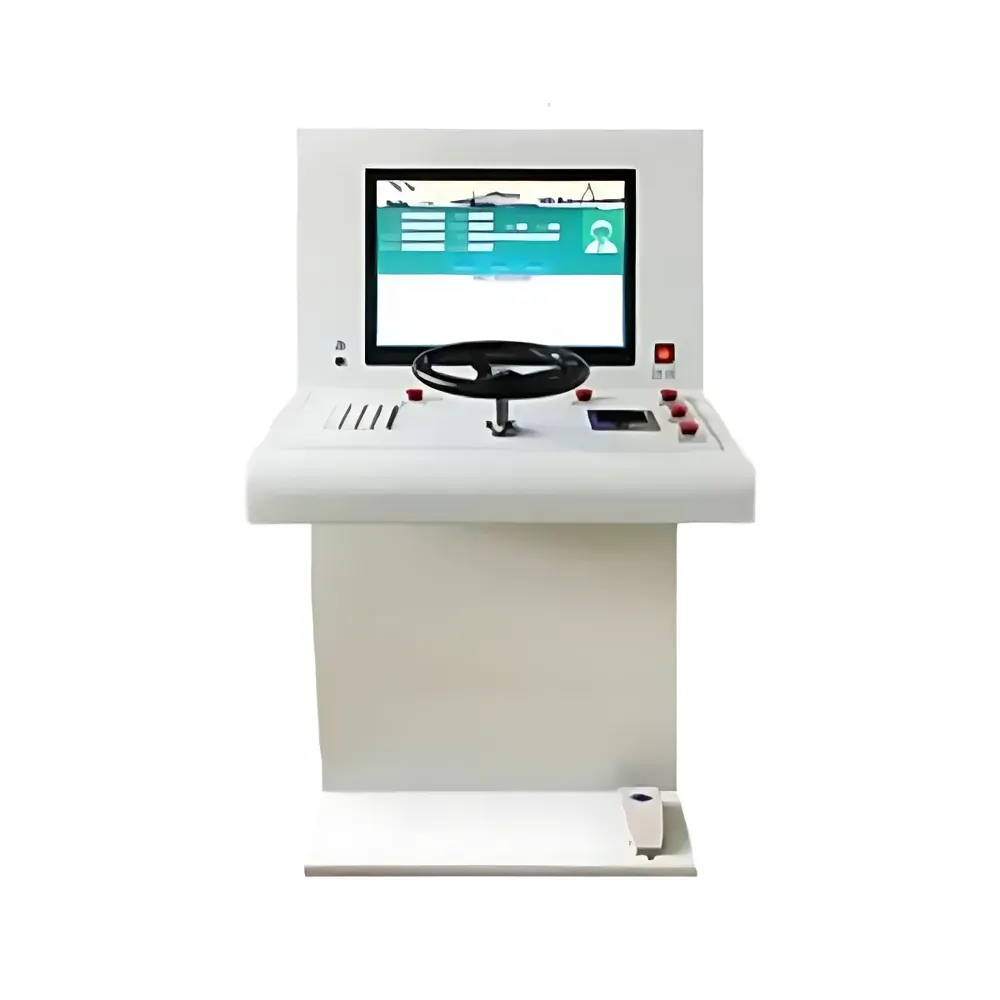
HengaoDe ZEX-JSY Comprehensive Driver Fitness Assessment System
| Brand | HengaoDe |
|---|---|
| Origin | Beijing, China |
| Manufacturer Type | Authorized Distributor |
| Product Category | Domestic |
| Model | ZEX-JSY |
| Price | USD 425 (FOB) |
| Compliance | TB/T3091-2019, GB18463-2001, GBZ188-2014, JT/T442-2014 |
| Display | 19" industrial-grade touchscreen (or optional 17" foldable portable display) |
| CPU | 1.60 GHz industrial motherboard |
| Memory | DDR III 4 GB |
| Storage | 16 GB SSD |
| Power Supply | AC 220 V / 50 Hz |
| Max Power Consumption | ≤140 W |
| Operating Temperature | 0–40 °C |
| Relative Humidity | ≤85 % @ 40 °C |
| Connectivity | USB ×4, RJ45 ×1, RS-232 |
| Data Export | Network, USB port, file export (CSV/Excel) |
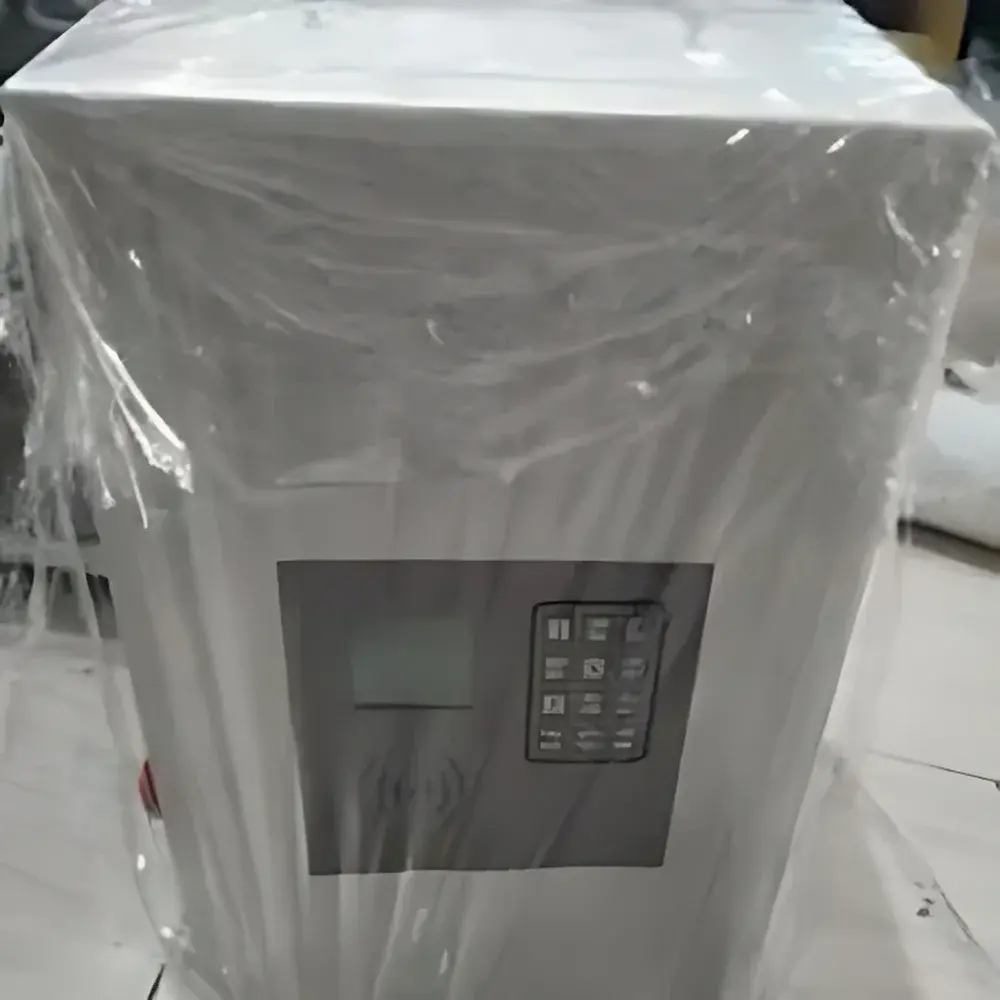
| Reporting | On-device thermal printer support, IC card & keyboard operation modes |
Overview
The HengaoDe ZEX-JSY Comprehensive Driver Fitness Assessment System is an integrated psychophysiological evaluation platform engineered for occupational fitness screening of professional drivers—including rail operators, commercial vehicle personnel, and aviation ground staff. It applies standardized cognitive, perceptual, and sensorimotor testing protocols grounded in industrial psychology, neuropsychology, and human factors engineering. The system implements validated psychometric paradigms—including attentional allocation, complex reaction timing, dynamic visual acuity, depth perception, speed estimation, color discrimination, and peripheral risk detection—within a unified hardware-software architecture compliant with Chinese national and railway industry standards (GB18463-2001, TB/T3091-2019, GBZ188-2014, JT/T442-2014). Designed for high-throughput clinical and regulatory environments, the ZEX-JSY supports both standalone operation and networked deployment in fleet management centers, driver training academies, and occupational health clinics. Its modular test battery enables objective, quantifiable assessment of functional vision, temporal processing, motor coordination, and executive control—core determinants of safe vehicle operation under variable workload and environmental stress.
Key Features
- Multi-domain assessment suite covering 12 validated driver fitness parameters: speed estimation, depth perception, dynamic/static visual acuity, night vision, color vision, attention allocation & shifting, complex reaction time, peripheral risk awareness, stereopsis, auditory screening, learning capacity, and operational stability.
- Industrial-grade embedded computing platform (1.60 GHz CPU, 4 GB DDR III RAM, 16 GB SSD) ensuring deterministic real-time response across all timed psychomotor tasks.
- Dual-mode operation: fully autonomous single-unit testing with on-board thermal report printing, or centralized networked administration via Ethernet (RJ45) with synchronized data aggregation and audit trail generation.
- Compliance-ready architecture supporting GLP-aligned data integrity: timestamped raw trial logs, operator ID logging (IC card authentication), and immutable result export in CSV/Excel format for regulatory submission.
- Ergonomic human interface: adjustable viewing distance (0.4–0.7 m), calibrated luminance control (e.g., 0.1–0.15 cd/m² for scotopic adaptation), and tactile response peripherals (foot pedal, directional keypad, steering wheel simulator) aligned with ISO 9241-110 usability principles.
Sample Compatibility & Compliance
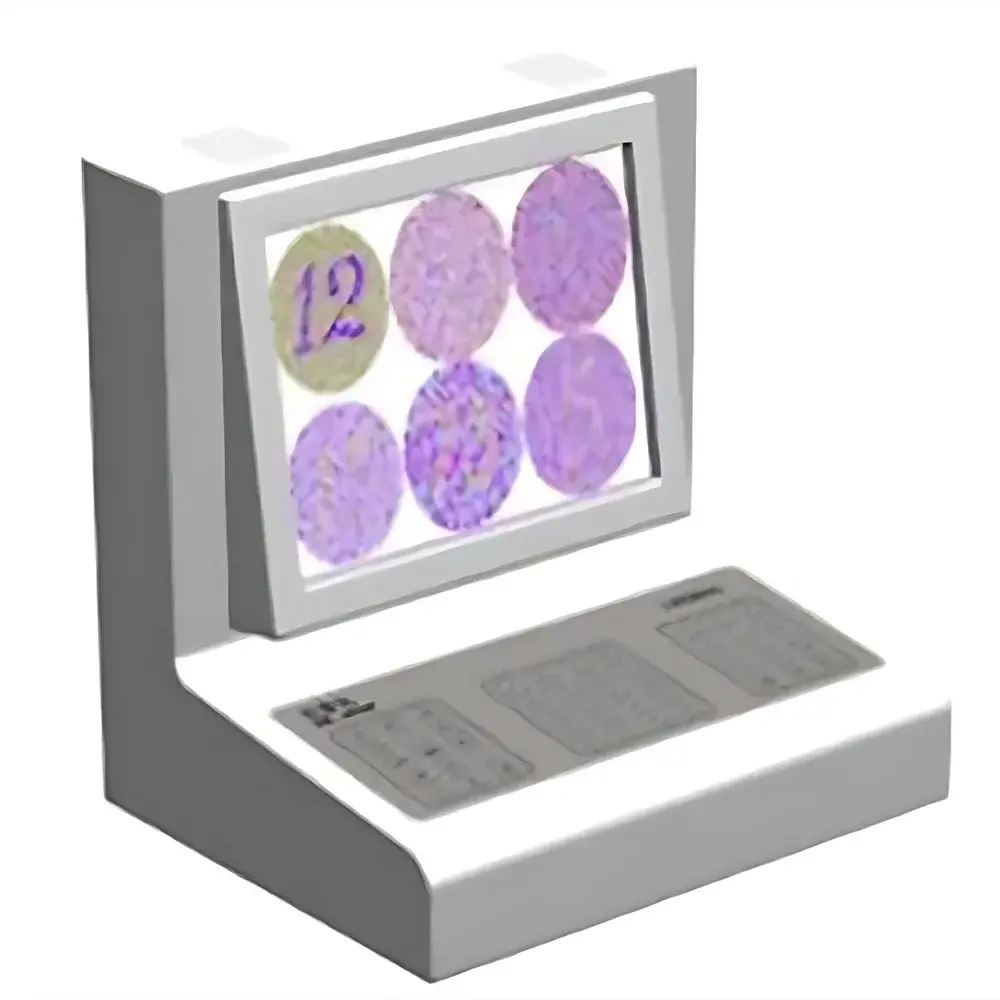
The ZEX-JSY is validated for use with adult subjects aged 18–65 years undergoing pre-employment, periodic, or post-incident fitness-for-duty evaluations. All test stimuli—including Landolt C optotypes, chromatic discrimination targets, motion-defined speed analogs, and stereo disparity patterns—are calibrated per ISO 8596 (visual acuity), ISO 13482 (human-machine interaction safety), and IEC 62366-1 (usability engineering for medical devices). Hardware components meet electromagnetic compatibility (EMC) requirements per GB/T 18268.1-2010 and electrical safety standards per GB 4793.1-2007. Software design incorporates traceable version control and supports FDA 21 CFR Part 11-compliant electronic signatures when deployed with authorized identity management infrastructure. Test protocols align with occupational health surveillance frameworks defined in GBZ 188-2014 and railway-specific medical examination guidelines in TB/T 3091-2019.
Software & Data Management
The proprietary assessment software provides role-based access control (administrator, clinician, technician), configurable test sequencing, and automated scoring against normative reference databases stratified by age, gender, and occupational cohort. Each session generates a tamper-evident PDF report containing raw latency values (±0.001 s resolution), error counts, percentile rankings, and pass/fail determinations per regulatory threshold. Audit logs record user login/logout timestamps, test initiation/completion events, calibration verification cycles, and data export actions. Data persistence is ensured via redundant local storage and optional cloud synchronization (AES-256 encrypted). Integration with enterprise HRIS or EHR systems is supported through HL7 v2.x and FHIR R4 APIs, enabling automated case referral workflows and longitudinal trend analysis across driver cohorts.
Applications
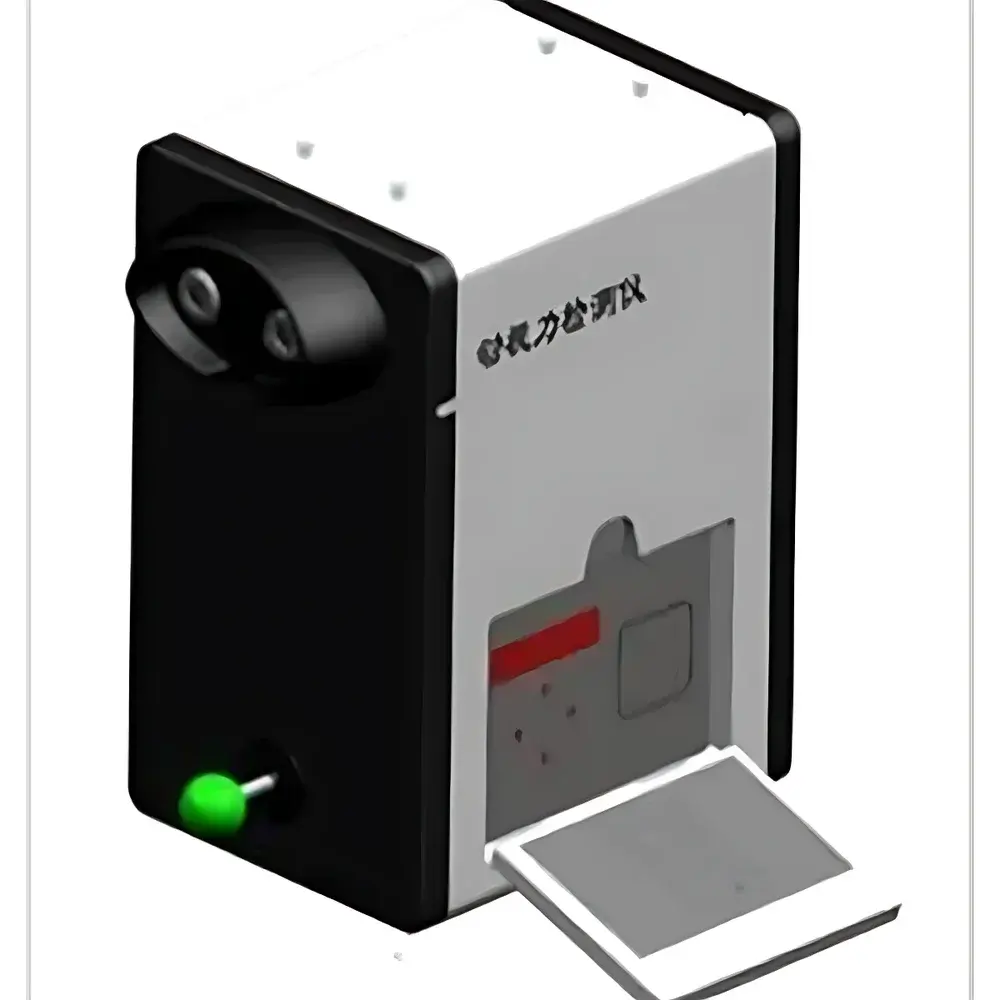
The ZEX-JSY serves as a primary tool in regulated transportation sectors requiring evidence-based driver competency validation. Key applications include: pre-hire screening for railway locomotive engineers (per TB/T 3091-2019); annual medical certification for intercity bus and freight transport operators (per GB18463-2001); post-concussion return-to-duty evaluation; fatigue risk management program (FRMP) baseline profiling; and research into visual-cognitive predictors of near-miss incidents. Its modularity allows selective deployment—for example, isolating the ZRX-S9R speed estimation module for high-volume roadside screening, or integrating the ZRX-EA9 peripheral risk detection protocol into advanced driver assistance system (ADAS) validation studies. The system also supports academic research in traffic psychology, neuroergonomics, and aging-related perceptual decline.
FAQ
Does the ZEX-JSY comply with international occupational health standards beyond Chinese regulations?
Yes—the test paradigms and measurement methodologies are harmonized with ISO 10075 (mental workload), ISO 9241-11 (usability), and WHO ICF framework domains for activity limitation. While not CE-marked for EU medical device classification, its technical documentation supports equivalence assessments under EN 62304 and ISO 14155 for clinical investigation use.
Can test protocols be customized for non-transportation occupations?
Absolutely—the modular architecture permits reconfiguration for crane operators, air traffic controllers, or surgical teams. Custom stimulus sets, timing parameters, and pass/fail thresholds can be defined via administrator mode without firmware modification.
What maintenance and calibration procedures are required?
Annual photometric calibration (luminance, chromaticity) using NIST-traceable spectroradiometers is recommended. Display gamma correction and touch-response latency verification should be performed quarterly using built-in diagnostic utilities. Full system calibration reports are auto-generated and stored with each session log.
Is remote software update capability available?
Yes—secure OTA updates are delivered via HTTPS with digital signature verification. Firmware revisions include version-controlled changelogs, impact assessments on regulatory compliance status, and backward-compatible data schema migration paths.
How is data privacy enforced during networked operation?
All network traffic uses TLS 1.2+ encryption. Local data at rest is encrypted using AES-256 with hardware-accelerated key management. Role-based permissions restrict access to raw biometric data, and anonymization options are available for aggregated statistical reporting.






