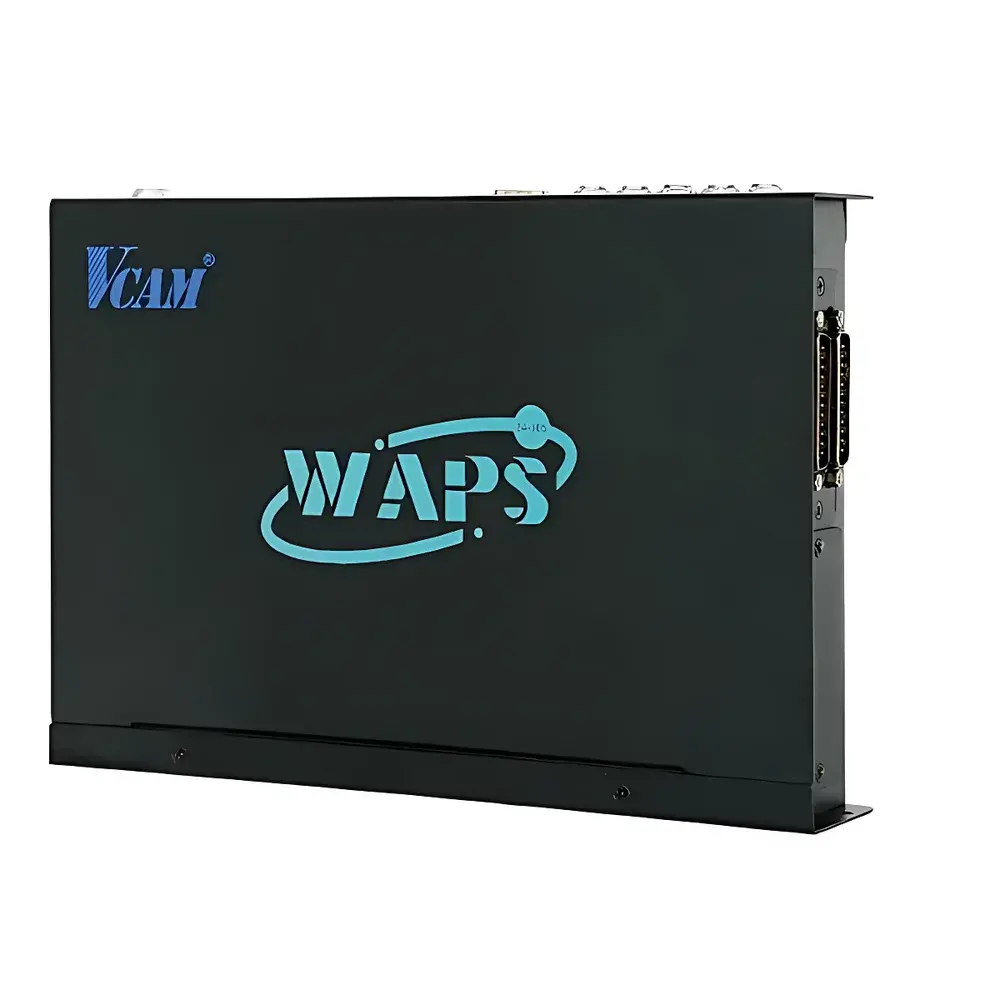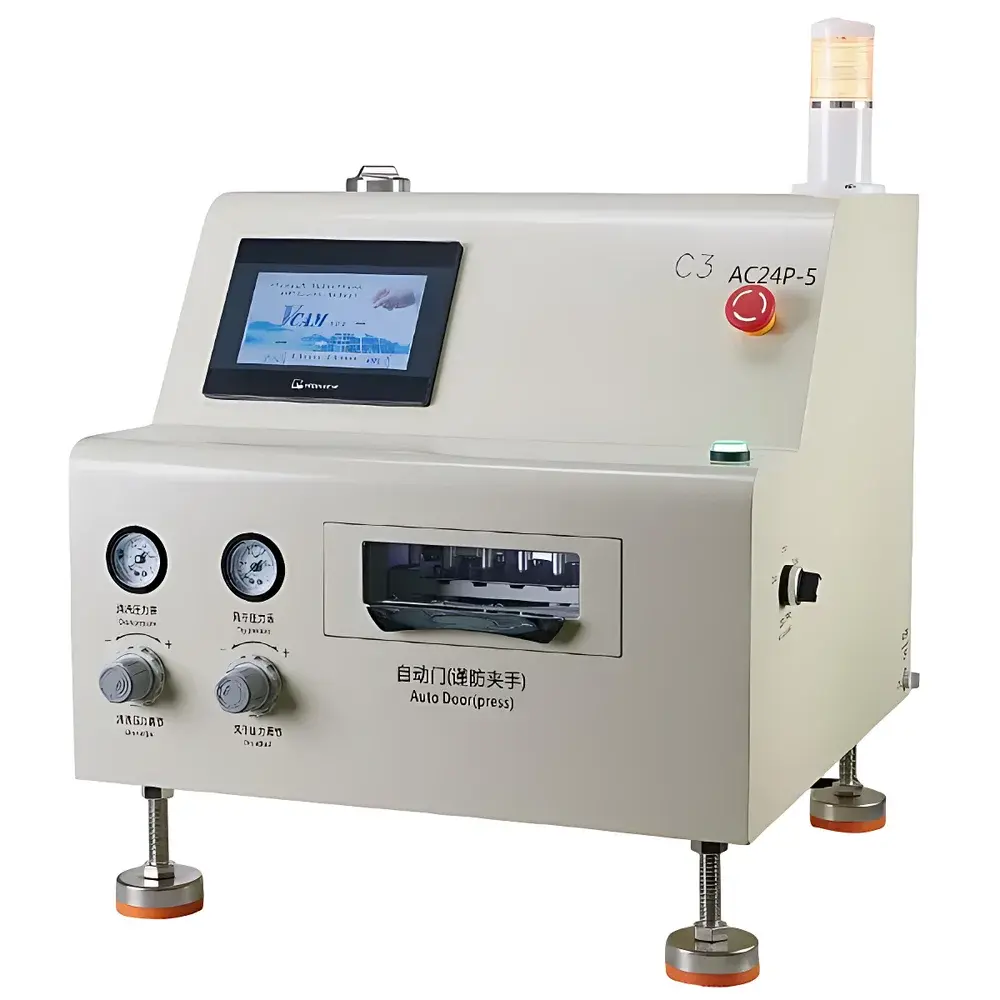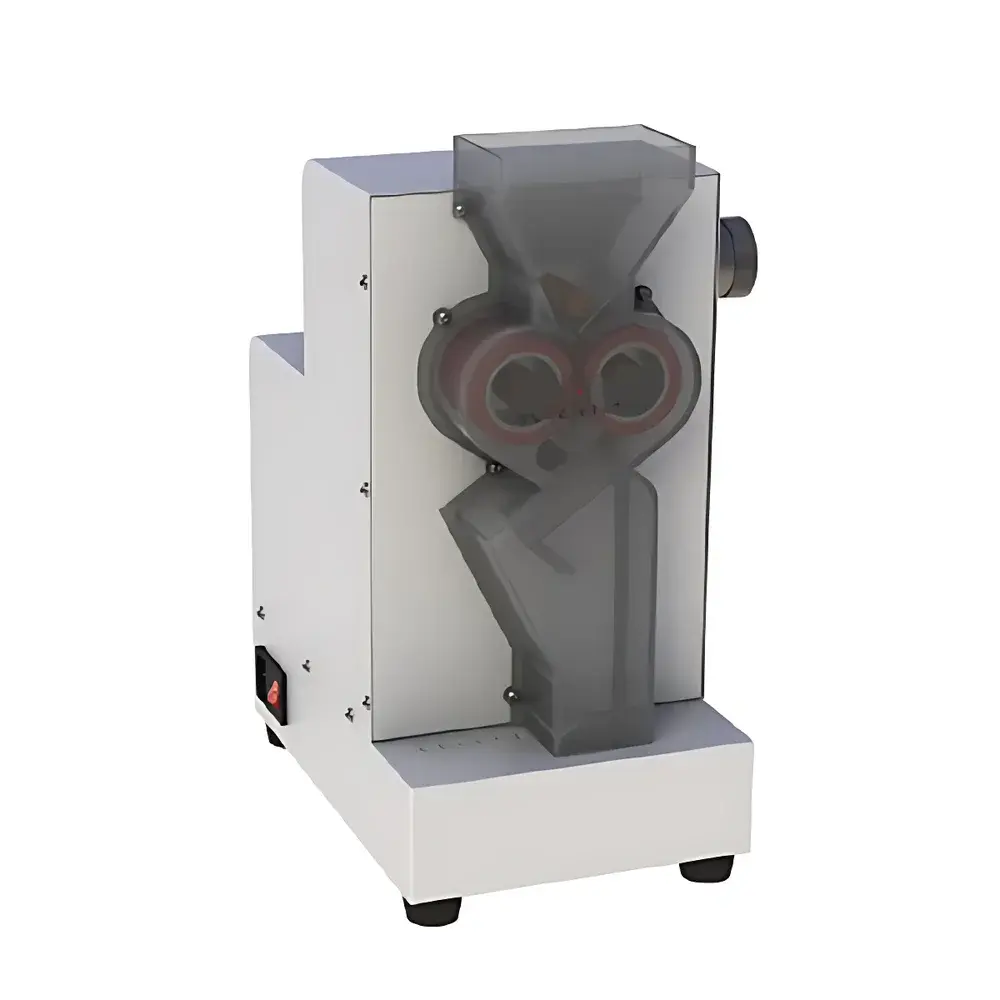
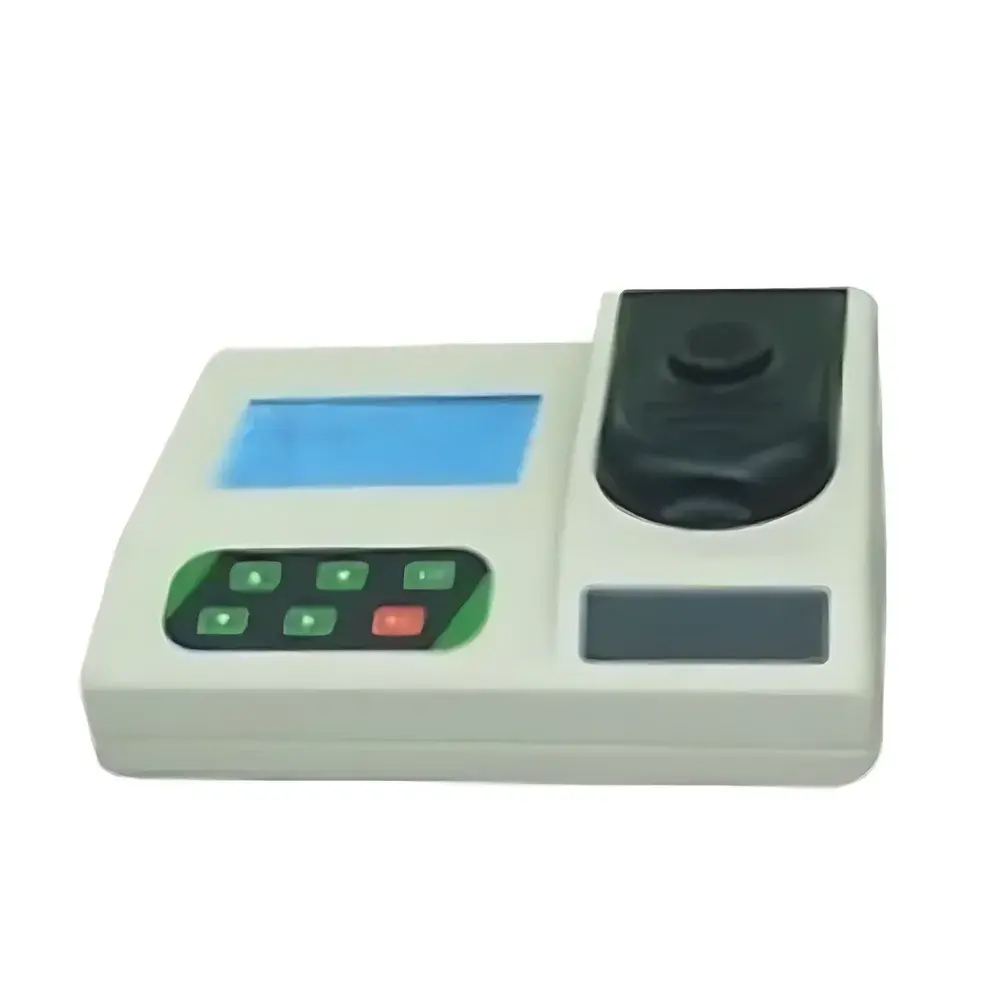
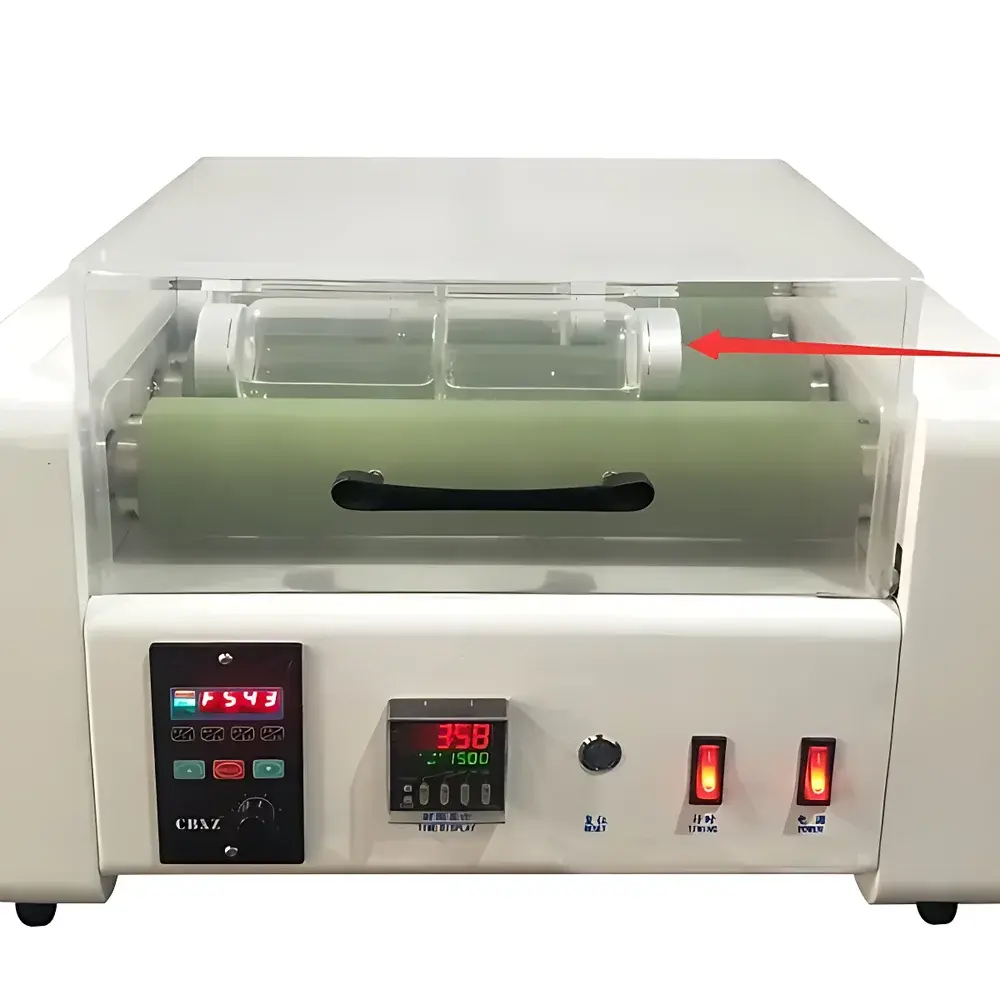
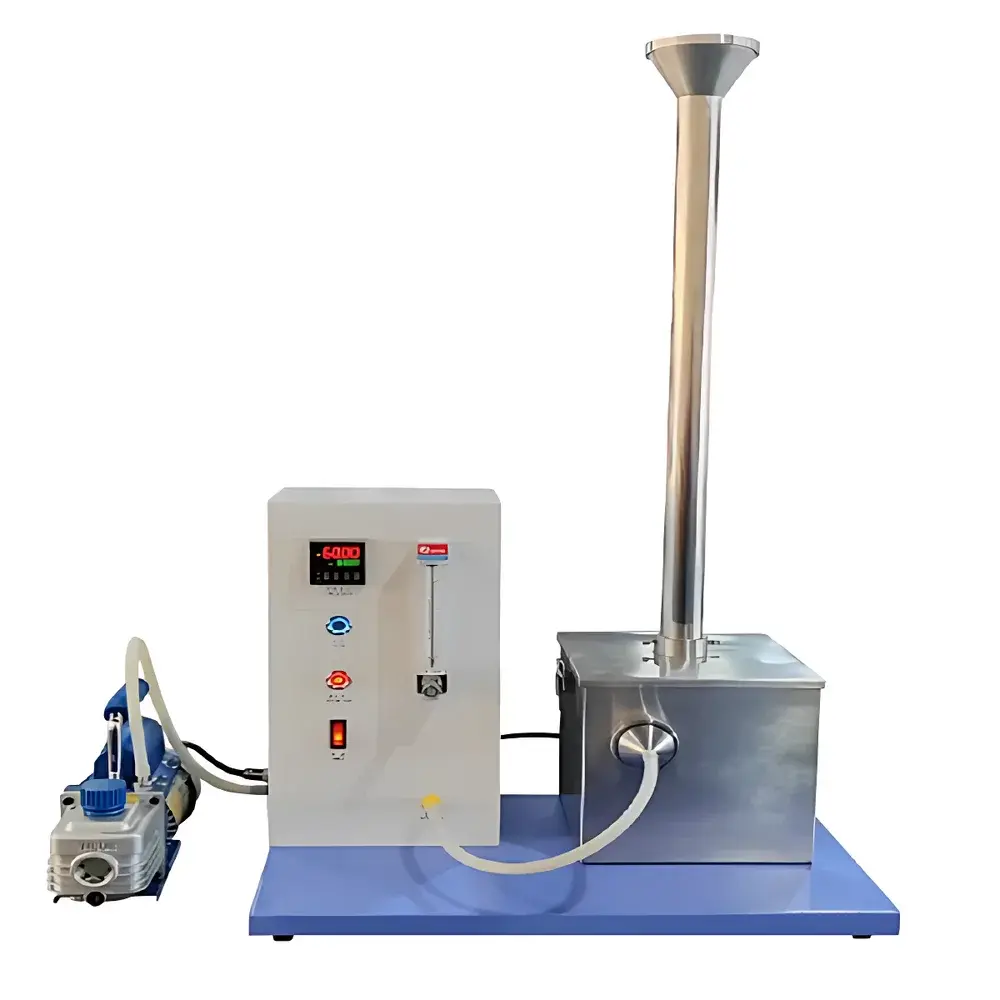
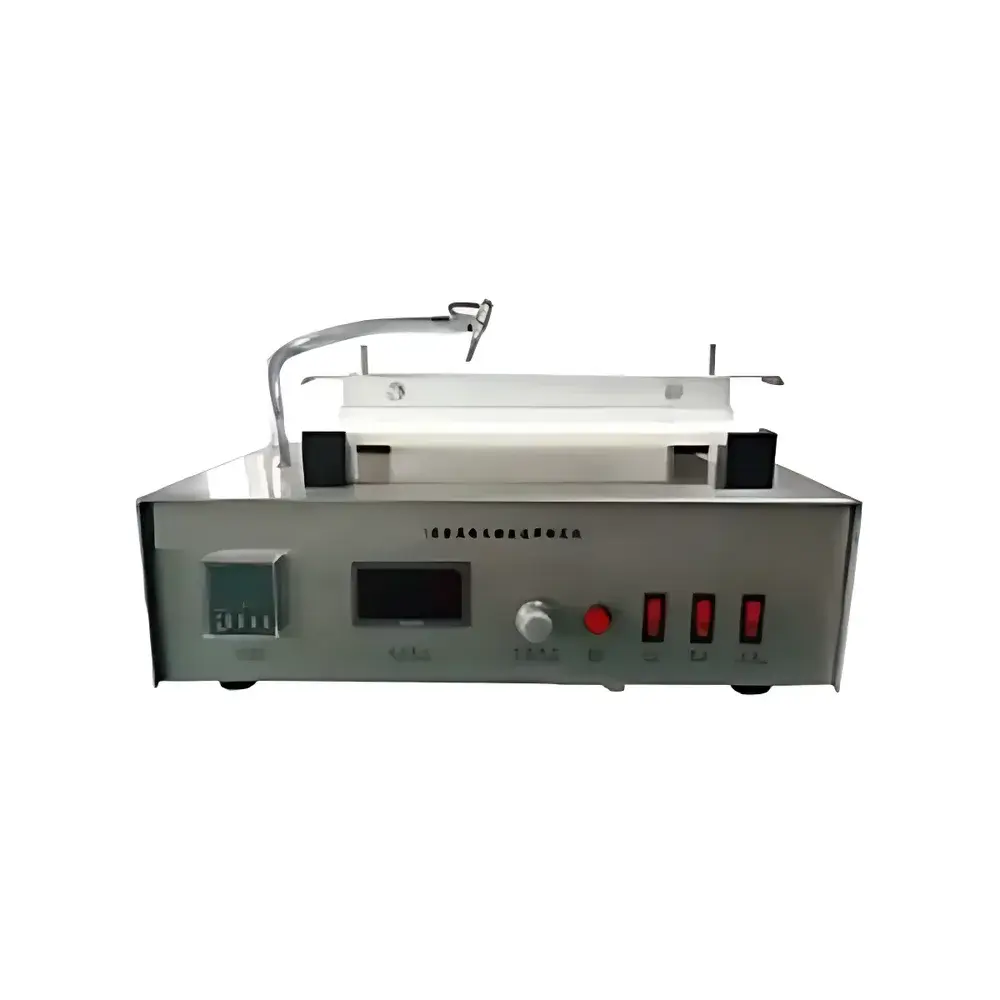
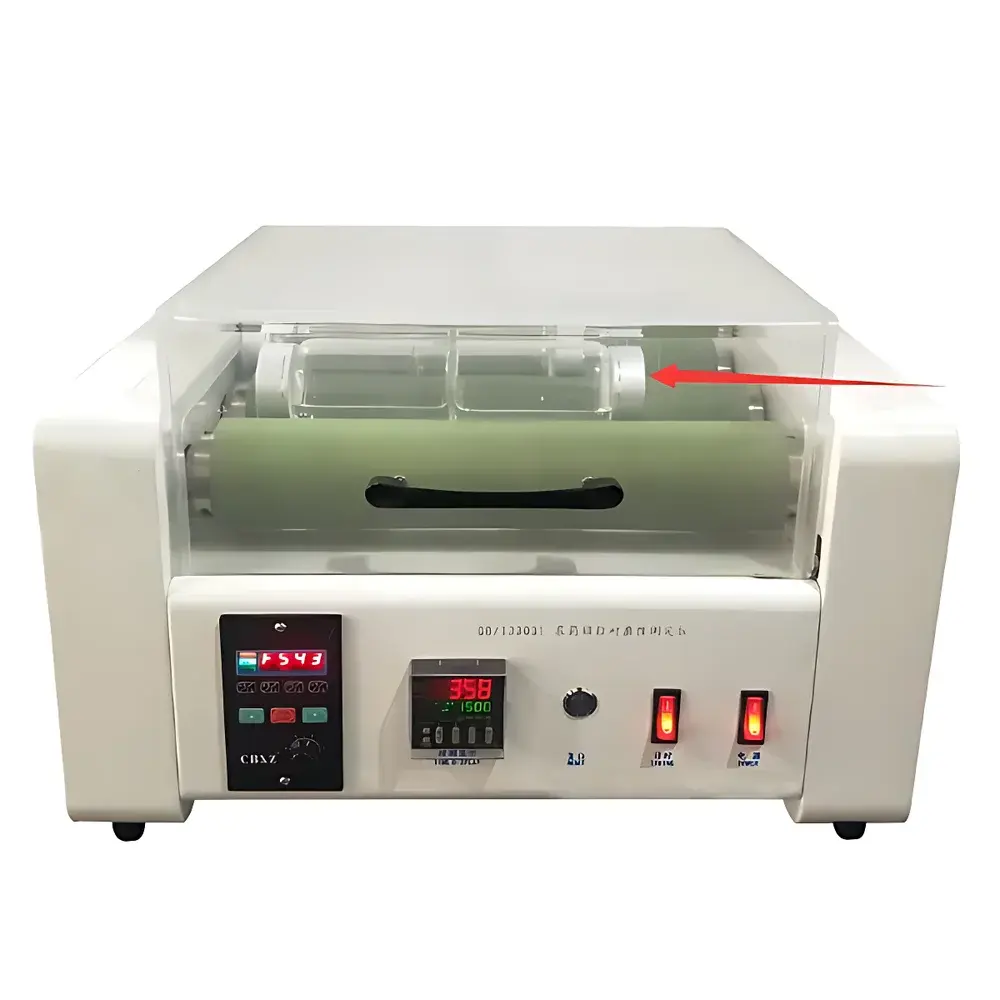
HengaoDe H18259 Paddy Dehuller | Chloride Ion Analyzer | Microencapsulated Suspension Free Release Tester (CIPAC MT189) | Granular Pesticide Dustiness Tester (GB/T 30360) | Solid Pesticide Flammability Tester (NY/T 1860.15–2016) | Wettable Powder Abrasion Resistance Tester (GB/T 33031–2016)
| Brand | HengaoDe |
|---|---|
| Origin | Beijing, China |
| Manufacturer Type | Authorized Distributor |
| Country of Origin | China |
| Model | H18259 (Dehuller), HAD-MT189, HAD-30360, HAD-1860, HAD-33031, HAD-EP206P, HAD-ZS96, HAD-1636B, HAD-T8600A |
| Price | USD 42.50 (FOB Beijing, ex-works) |
Overview
This integrated suite of agricultural and agrochemical testing instruments comprises nine rigorously standardized devices designed for regulatory compliance, quality control, and R&D in pesticide formulation development, grain quality assessment, and functional material characterization. Each unit is engineered to meet specific national and international test protocols—including GB/T, NY/T, CIPAC MT, ASTM, and ISO—ensuring traceable, reproducible results required by GLP laboratories, regulatory submission dossiers (e.g., EPA, EFSA), and ISO/IEC 17025-accredited facilities. The paddy dehuller operates on controlled rubber-roll shear mechanics; the chloride analyzer employs calibrated photometric detection at a fixed cold-light wavelength; the free release tester implements precise rotational agitation per CIPAC MT189; dustiness, flammability, and abrasion resistance testers replicate standardized mechanical stress conditions under defined environmental parameters. All instruments feature robust mechanical architecture, electrical safety certification (IEC 61010-1), and documented metrological traceability.
Key Features
- Paddy Dehuller (H18259): Polyurethane-coated adjustable rollers (0–3 mm spacing), 2800 rpm DC motor (120 W), ≤3% broken kernel rate for normal paddy, 40 s cycle time for 50 g sample, compliant with GB 1350–1999 and GB/T 17891–1999.
- Chloride Ion Analyzer: Single-wavelength cold LED source, microprocessor-based calibration, ±5% accuracy (0.20–100.00 mg/L), optical drift <0.002 A/20 min, CE-marked electronics.
- Free Release Tester (HAD-MT189): Four-position glass vial carousel, silicone-friction drive shaft, 70 rpm ±1 rpm precision, digital timer (0–99999 min), CIPAC MT189 & MT190 validated.
- Dustiness Tester (HAD-30360): Stainless steel倾倒 tube and chamber, 75 µm sieve, mass flow-controlled vacuum (3–30 L/min), compliant with GB/T 30360–2013.
- Flammability Tester (HAD-1860): Carbon-silicon rod ignition (≥1000 °C, 12 V DC), digital voltage regulation (0–220 V), 0.5 kW heating power, NY/T 1860.15–2016 certified.
- Abrasion Tester (HAD-33031): Dual-sample or optional quad-sample configuration, 50–125 rpm variable frequency drive, digital revolution counter (0–20000 rev), GB/T 33031–2016 compliant.
- Resistance & Density Analyzer (HAD-T8600A): Servo-controlled compaction (up to 5 ton force), four-point probe resistivity measurement (10−6–2×10⁶ Ω·cm), automatic thickness sensing (0.001 mm resolution), GB/T 24533–2018 and ASTM F843 referenced.
Sample Compatibility & Compliance
All instruments support matrix-specific validation across regulated agrochemical and food matrices. The dehuller accommodates long-, medium-, and short-grain paddy varieties; the chloride analyzer accepts aqueous extracts from soil leachates, irrigation water, and formulated tank mixes; the release tester handles organic solvent–aqueous suspensions in 150 mL borosilicate vials; dustiness and abrasion testers accept granular, prilled, and water-dispersible granule (WDG) formulations. Regulatory alignment includes: GB/T 30360–2013 (dust generation), NY/T 1860.15–2016 (solid flammability classification), CIPAC MT189 (microcapsule release kinetics), GB/T 33031–2016 (mechanical attrition resistance), and GB/T 24533–2018 (powder resistivity and tapped density). Instruments are supplied with factory calibration certificates and user-accessible verification procedures per ISO/IEC 17025 Clause 6.5.
Software & Data Management
Except for mechanical units (dehuller, flammability tester), digital instruments integrate embedded firmware with audit-trail-capable data logging. The chloride analyzer stores up to 500 measurement records with timestamp, operator ID, and calibration history. The free release and abrasion testers log speed, duration, and cycle count per vial position. The HAD-T8600A offers dual-mode operation: touchscreen interface for rapid QC runs and PC software (Windows 10/11 compatible) supporting CSV export, graphical resistivity–pressure curves, and GLP-compliant electronic signatures (21 CFR Part 11 ready upon optional license activation). All firmware supports firmware update via USB, with version logs retained in non-volatile memory.
Applications
These instruments serve tiered laboratory functions: (1) Regulatory submission testing for pesticide registration (EPA, PMRA, EU PPP Regulation); (2) In-process quality assurance during WDG, SC, and GR manufacturing; (3) Raw material screening (e.g., clay carrier resistivity, inert filler abrasion resistance); (4) Stability and shelf-life studies (release kinetics under accelerated aging); (5) Grain grading and breeding program phenotyping (dehulling efficiency, kernel integrity); (6) Environmental fate analysis (chloride leaching potential, dust drift modeling inputs). The modular design enables seamless integration into ISO 17025 internal audit workflows, with documented uncertainty budgets available upon request.
FAQ
Are calibration standards included with shipment?
Yes—NIST-traceable chloride standard solutions (10 mg/L and 50 mg/L), certified reference paddy samples (for dehuller verification), and CIPAC-certified microcapsule reference materials (MT189) are provided with initial delivery.
Can the abrasion tester accommodate custom sample containers?
The HAD-33031 accepts cylindrical containers up to Ø60 mm × 120 mm height; custom fixtures are available under engineering service agreement.
Is remote firmware update supported for the T8600A?
Firmware updates require local USB connection; however, diagnostic logs and raw data files can be transmitted securely via encrypted FTP for technical support review.
Do these instruments meet IEC 61326–1 electromagnetic compatibility requirements?
All electronic units comply with IEC 61326–1:2012 Class A emission limits and basic immunity per EN 61326–2–1, verified by third-party EMC testing reports (available upon NDA).
What is the recommended maintenance interval for the dehuller’s polyurethane rollers?
Rollers should be inspected every 500 operating hours; replacement is advised after 2000 hours or if surface cracking or compression set exceeds 0.15 mm (measured with micrometer).