
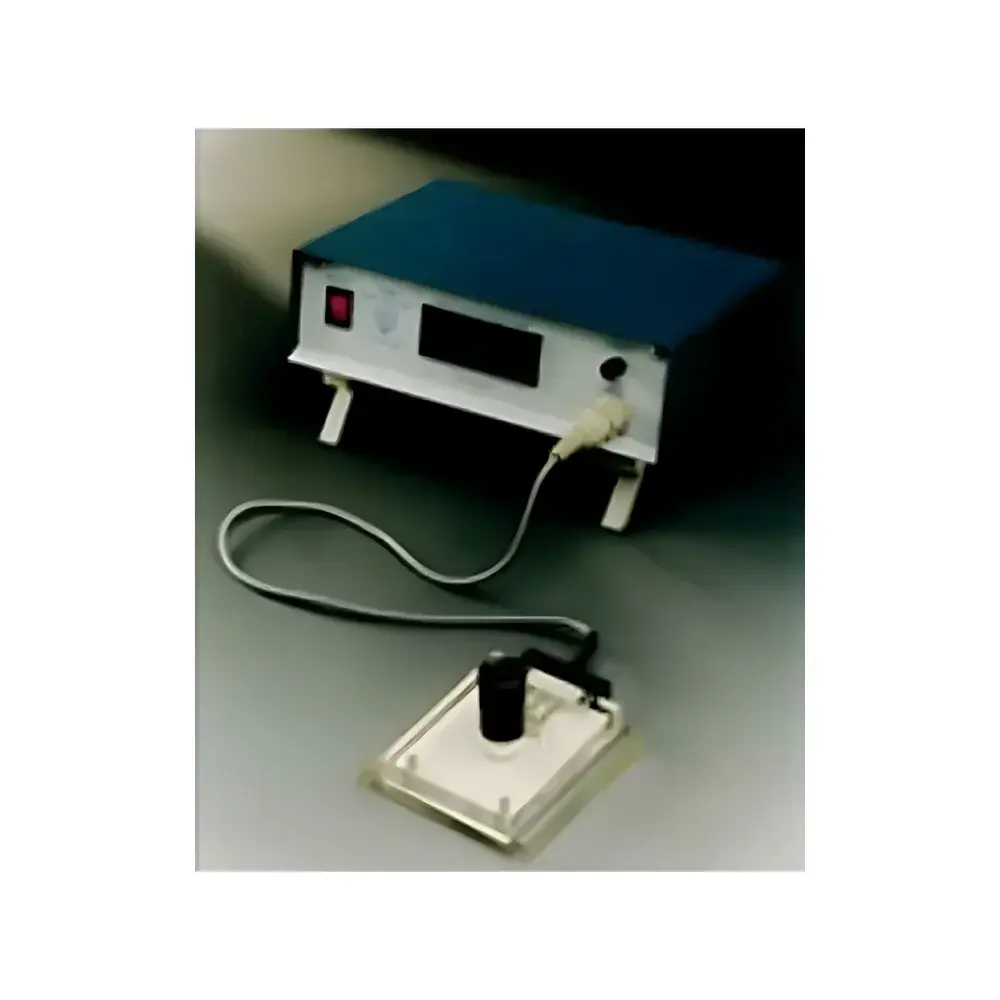
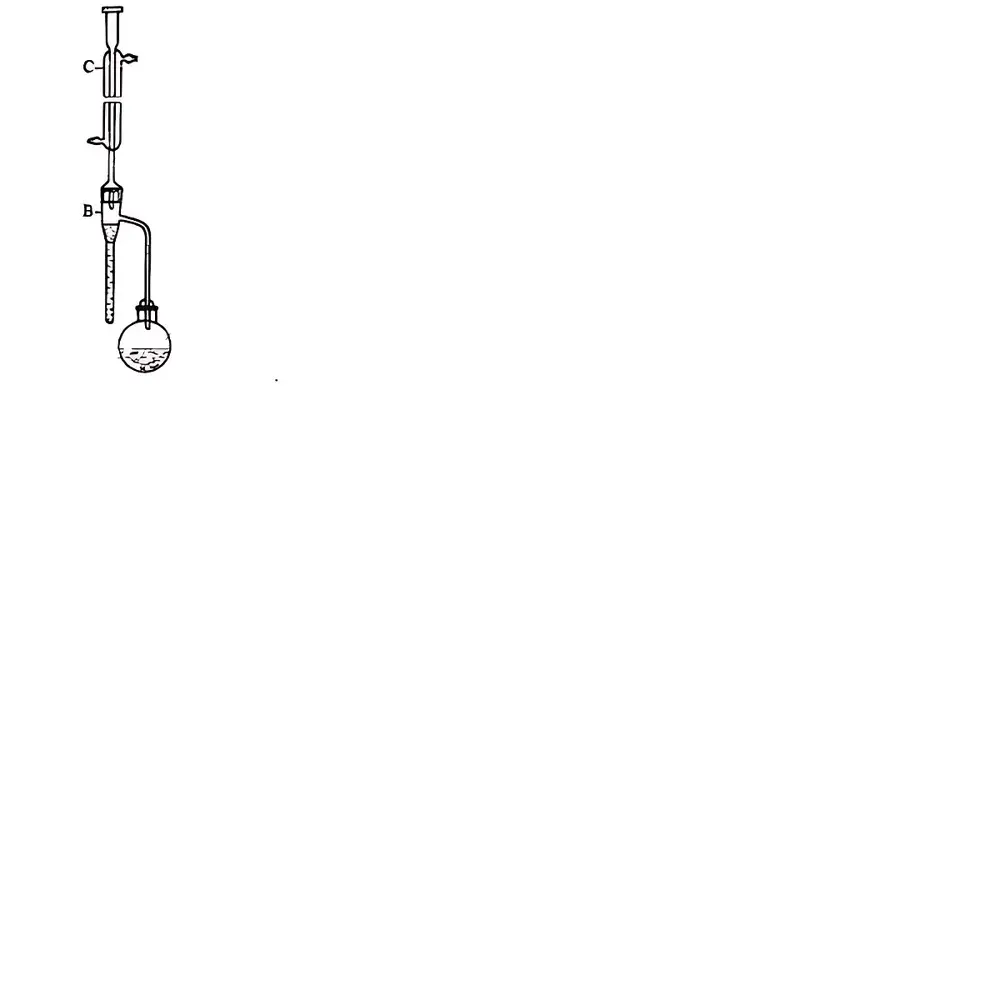
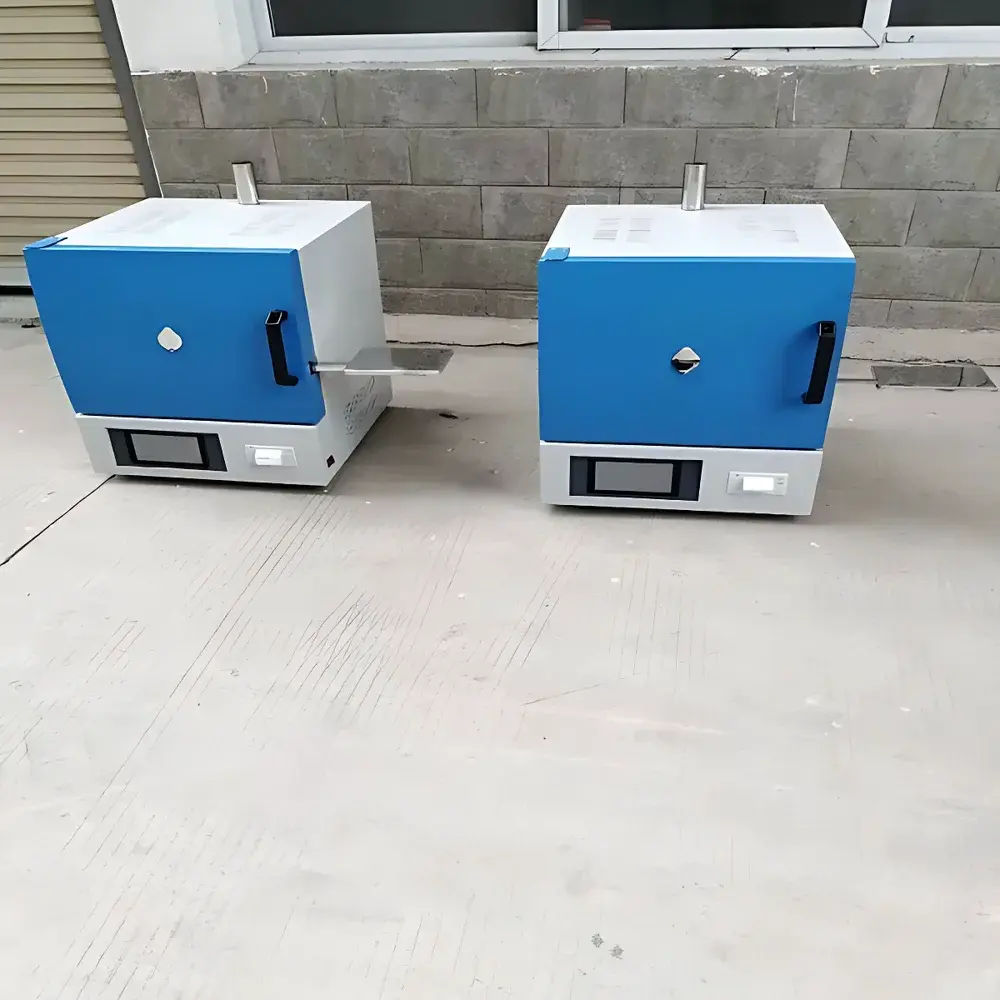
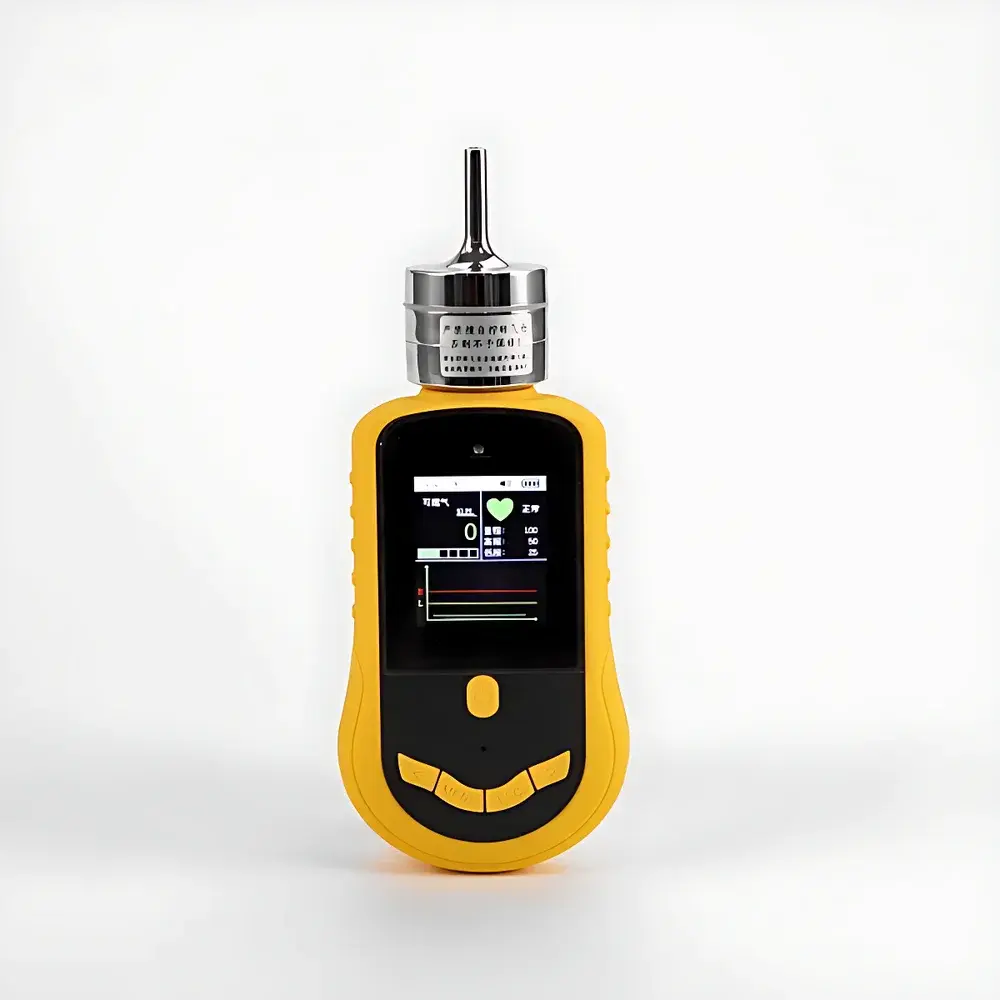
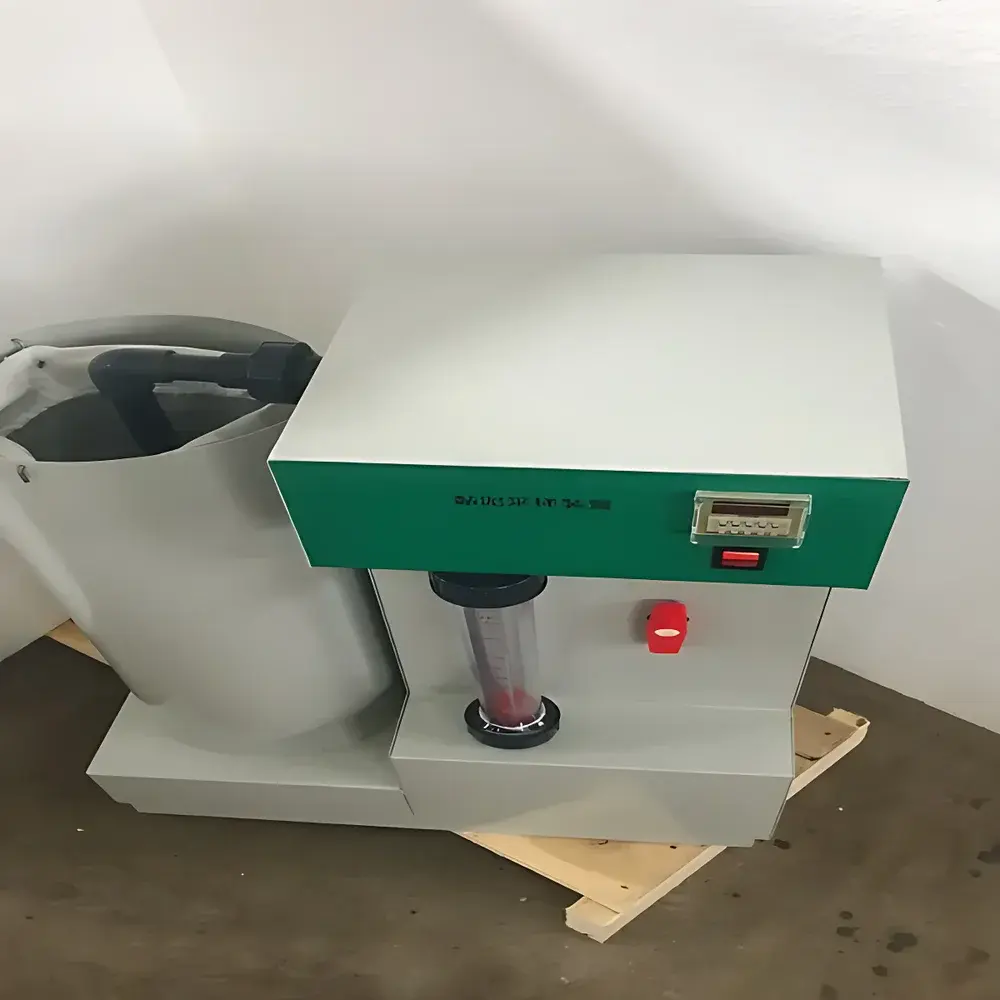
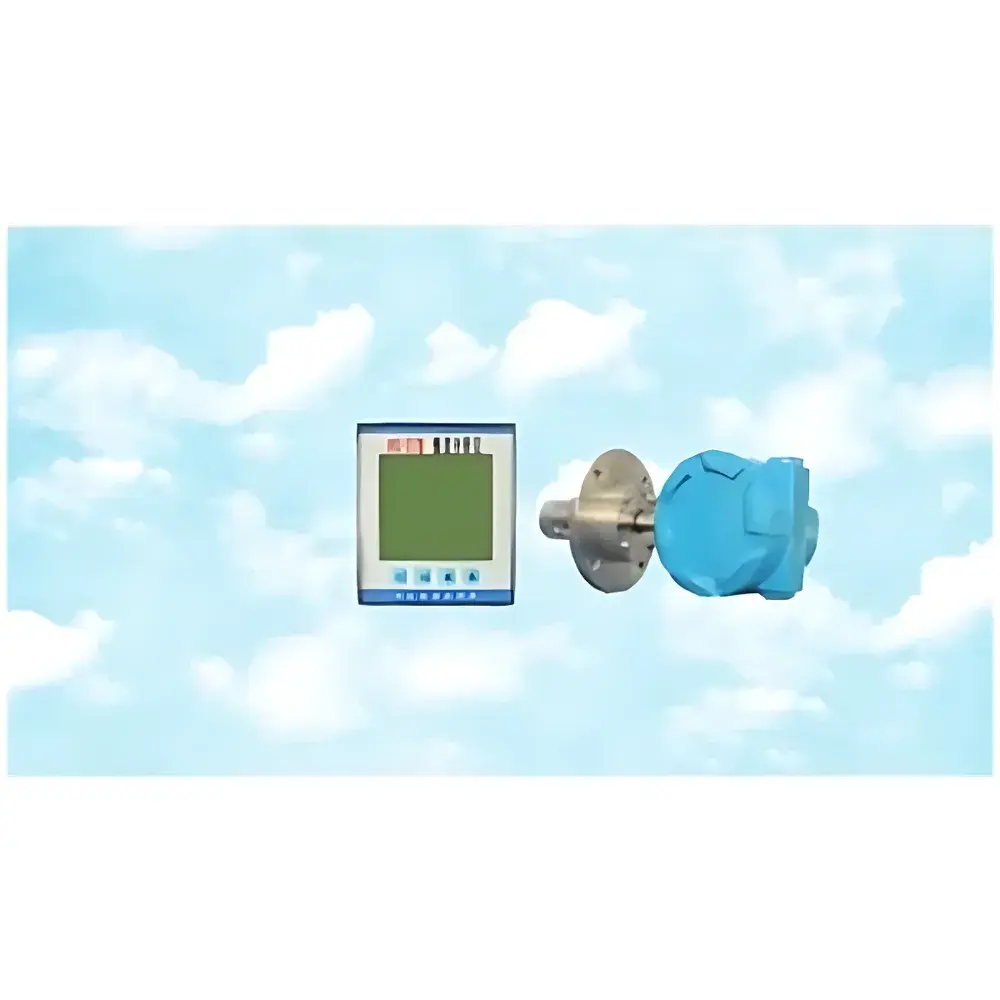
HengaoDe ST-304M Multi-Function Laboratory Analyzer Suite: Capillary Suction Time (CST) Tester, Pharmacopoeial Toluene Distillation Moisture Analyzer, Volatile Matter Furnace, Handheld Pump-Suction Ozone Detector, and Microbial Slime Collector
| Brand | HengaoDe |
|---|---|
| Origin | Beijing, China |
| Manufacturer Type | Authorized Distributor |
| Region of Manufacture | Domestic (China) |
| Model | ST-304M |
| Price | USD 138 (FOB) |
| CST Unit Dimensions | 22 × 16 × 7 cm |
| CST Electrode Spacing | Standardized per EN 12255-5 & ASTM D7493 |
| Moisture Analyzer Capacity | 10 mL graduated receiver (0.1 mL division), 500 mL round-bottom flask (24/29 standard taper) |
| Muffle Furnace Temp Range | 0–1000 °C, Accuracy ±3 °C (Type K thermocouple), Heating Rate to 850 °C ≤20 min |
| Ozone Sensor | Electrochemical, 0–50 ppm, Resolution 0.1 ppm, Response Time ≤30 s, Accuracy <±3% FS |
| Slime Collector Flow Control | 0–1.3 m/s (adjustable), Total Volume Measurement: 1 m³ (programmable timer), Power Consumption <50 W |
| Ultrasound H₂SO₄ Analyzer | 91–95 wt%, Temp Compensation: 10–70 °C, Output: 4–20 mA, Accuracy ≤±5% FS |
| Thermal Conductivity Tester Range | 0.1–300 W/(m·K), Test Temp: RT–250 °C (up to 550 °C optional), Accuracy: Better than 10% |
Overview
The HengaoDe ST-304M Multi-Function Laboratory Analyzer Suite is an integrated platform designed for routine physicochemical characterization in environmental, energy, pharmaceutical, and industrial water treatment laboratories. It comprises five independently validated analytical modules: (1) a capillary suction time (CST) tester operating on the principle of spontaneous capillary-driven fluid migration through standardized filter paper under defined geometry; (2) a pharmacopoeial toluene distillation moisture analyzer compliant with USP , EP 2.5.12, and ChP IV methods for azeotropic water determination in hydrophobic matrices; (3) a microprocessor-controlled muffle furnace conforming to ISO 562, ISO 1171, ASTM D3174, and GB/T 212 for coal proximate analysis (moisture, ash, volatile matter, fixed carbon); (4) a handheld pump-suction ozone detector employing electrochemical sensing with trace-level stability and NIST-traceable calibration; and (5) a field-deployable microbial slime collector engineered for quantitative assessment of biofouling potential in closed-loop cooling water systems per ASTM D3973 and GB/T 14643.5. Each module meets fundamental metrological requirements for repeatability, linearity, and thermal/flow stability—enabling consistent data generation across GLP-compliant workflows.
Key Features
- Capillary Suction Time (CST) Module: Digitally timed electrode conductivity detection replaces mechanical counters; LCD interface displays real-time CST value (seconds) with automatic zero-reset; conforms to EN 12255-5 for wastewater dewaterability screening.
- Toluene Moisture Analyzer: Borosilicate glass assembly with 24/29 standard taper joints; calibrated 10 mL receiver (0.1 mL graduation); optimized reflux geometry for minimal entrainment and reproducible phase separation.
- Intelligent Muffle Furnace (HAD-MF9): Dual-zone heating control with adaptive preheat logic; programmable ramp-soak profiles for slow ashing (GB/T 212 Clause 4.2), rapid ashing (Clause 4.3), and volatile matter determination (Clause 5.2); integrated thermal inertia compensation ensures ±5 °C control accuracy between 250–1000 °C.
- Handheld Ozone Detector: Ten-stage adjustable micro-pump suction (0.1–1.0 L/min); dual-unit display (ppm / mg/m³); built-in data logging (3000 records, expandable via 32 GB SD card); alarm thresholds configurable per OSHA PEL (0.1 ppm TWA) and NIOSH REL (0.1 ppm STEL).
- Microbial Slime Collector: Precision flow-regulated sampling at 0.8 m/s (1530 L/h); programmable volumetric cutoff (1 m³ ±0.5%); stainless-steel filtration housing with 25 µm mesh; gravimetric quantification of settled sludge volume in calibrated 25 mL cylinder.
Sample Compatibility & Compliance
The ST-304M suite supports diverse sample matrices without cross-contamination risk due to physical modularity and dedicated consumables. The CST module accepts raw or conditioned sewage sludge (TS 2–12%), anaerobically digested biosolids, and chemical coagulant-treated suspensions. The toluene moisture analyzer accommodates asphalt binders, lubricating oils, fatty acids, and polymer resins—validated per USP recovery studies (95–102%). The muffle furnace complies with ISO/IEC 17025 clause 5.4.2 for thermal validation; temperature uniformity mapping confirms ±8 °C zone tolerance across 120 mm × 120 mm work area. The ozone detector carries CE marking (2014/30/EU EMC Directive) and operates within ATEX Zone 2 ambient conditions. Slime collector hydraulic performance adheres to ANSI/AWWA B100-2019 flow calibration protocols. All modules support audit-ready documentation for FDA 21 CFR Part 11 compliance when paired with optional electronic logbook software.
Software & Data Management
While the base ST-304M operates as standalone hardware, optional PC-based software (HengaoDataLink v3.2) enables centralized configuration, remote firmware updates, and structured data export (CSV, PDF, XML). The CST unit logs timestamped measurements with operator ID tagging; the muffle furnace stores up to 100 method templates with password-protected editing; the ozone detector synchronizes GPS-tagged field readings with georeferenced sampling logs; and the slime collector exports volumetric calculation reports directly to LIMS via ODBC drivers. All digital records include full metadata: ambient temperature/humidity, power supply voltage, sensor drift compensation values, and thermal soak duration—ensuring full traceability for ISO/IEC 17025 accreditation audits.
Applications
This analyzer suite serves critical QC/QA functions across multiple sectors: municipal wastewater plants use CST data to optimize polymer dosing and dewatering cycle times; petroleum refineries apply toluene distillation for crude oil water content certification prior to custody transfer; coal-fired power stations perform daily volatile matter assays to adjust boiler combustion parameters; semiconductor fab facilities monitor ozone scrubber efficiency using portable electrochemical detection; and HVAC system operators quantify biofilm formation rates in cooling towers to validate biocide efficacy programs. Research applications include sludge conditioning mechanism studies (e.g., EPS extraction effects on CST), thermal degradation kinetics of biomass feedstocks, and ozone reaction stoichiometry in advanced oxidation processes.
FAQ
Is the CST measurement affected by sludge solids concentration?
No—the capillary suction force dominates hydrostatic pressure, making CST independent of sample depth or total suspended solids (TSS) within the operational range of 2–15% TS.
Can the toluene moisture apparatus be used for non-petroleum samples?
Yes—provided the analyte is immiscible with toluene and does not decompose below 110 °C (toluene’s boiling point), it is suitable for plant extracts, waxes, and synthetic resins.
Does the muffle furnace meet ASTM D3172 requirements for coal calorific value preparation?
It satisfies ash and volatile matter determinations per ASTM D3172 Annex A1; however, gross calorific value testing requires separate adiabatic bomb calorimetry equipment.
What calibration standards are recommended for the ozone sensor?
NIST-traceable ozone gas standards (0.1, 1.0, 10.0 ppm in nitrogen) are required quarterly; electrochemical sensors must be zeroed in certified zero air before each field deployment.
How is slime collector accuracy verified in situ?
Calibration is performed using certified flow meters (±0.25% reading) and gravimetric water displacement tests; inter-laboratory comparison studies demonstrate RSD <4.2% (n=12) for replicate 1 m³ samplings.





